Sustainable Christmas Ideas: Promote a Green Celebration

sustainable gift with biodegradable packaging and natural plants used to decorate.

The Christmas holiday has been known as the time when pollution increases as we give gifts, generate more waste because of added activities and shopping for single use items. However, this year can be different when we use simple eco-friendly tips and encourage children to become more aware of the need for environmental care. Here are several meaningful ways to promote a green and environmentally-friendly Christmas:

Sustainable Gift Giving

Great memories will last forever, but the items we buy will not. This should be considered when gifts are being given. Other tips are found below:
– Choose gifts made from recycled or sustainable materials
– Give experiences instead of physical items (concert tickets, classes, memberships)
– Support local artisans and businesses that use eco-friendly practices
– Consider second-hand or vintage gifts that reduce waste

Decreasing Energy Bills

Eco-Friendly Decorations can be made at home or at the environmental clubs in communities or schools. Children will join in and begin using their creativity in various ways. They will be having fun while they are engaged in green activities. A new Christmas experience will be happening and families will benefit from it in many ways.


– Use LED holiday lights that consume less energy
– Create decorations from natural materials like pine cones, branches, and dried oranges
– Invest in reusable decorations instead of disposable ones
– Use energy-efficient solar-powered outdoor lighting

Eco-friendly Christmas trees for a green Christmas
Christmas Tree Selection

Responsible Tree Selection? Choose one of the ideas below as you reduce Christmas spending. You will be glad you did, in January. The money you save at Christmas time by using eco-friendly tips will be used to make your life much better in the new year.
– If using a real tree, purchase from local tree farms that practice sustainable forestry
– Consider a potted living tree that can be replanted after the holidays
– Choose an artificial tree made from recycled materials that you’ll use for many years
– Properly recycle your tree after use through local composting or mulching programs

sustainable gift giving... more biodegradable material used

Mindful Wrapping and Packaging will cause you to give simple gifts on the outside of the greater gift that you are giving. A Scarf, a small reusable cloth etc. We can have more conversations with relatives about green living and maybe they will even tell you what they would like to receive for Christmas and you will even get more green ideas. You can also use the ones found here:
– Use recyclable or reusable wrapping paper
– Create gift wrap from newspapers, maps, or fabric
– Avoid metallic or glittery wrapping that can’t be recycled
– Use fabric ribbons and bows that can be reused
– Consider gift bags that can be used multiple times

Sustainable dinner - healthy meal eaten at Christmas time
Sustainable Meals

Make Sustainable Holiday Meals and encourage members of your family and your friends to do the same. You can all share the extra vegetables and fruits you have, when you grow your own food. Green living cause us to have excess at times.
– Source ingredients from local farmers and markets
– Plan meals to minimize food waste
– Use reusable or compostable dinnerware
– Choose plant-based options that have a lower environmental impact
– Compost food scraps and leftovers

Family and friends carpooling as they travel to the Christmas party
Giving and Sharing More at Christmas Time -Improved Sustainability

Responsible Travel and Gatherings can help to reduce the fuel used by vehicles. Carpooling can be arranged as soon as invitations are given to each household. There should be no vehicle that is not full at the home of the host on Christmas day. The other below eco-friendly tips can be used also:
– Carpool or use public transportation when possible
– Choose energy-efficient transportation methods
– Host virtual gatherings for distant relatives to reduce travel emissions
– Use digital invitations instead of paper cards

Charitable Giving will cause you to send less of the things you no longer use in your home to landfills. You can repair, re-purpose, restore, upcycle and give more gifts this year.
– Donate to environmental organizations
– Support conservation efforts as part of your holiday tradition
– Give “green” gifts like tree-planting certificates or carbon offset credits
– Encourage family and friends to make environmentally conscious choices

Energy Conservation will cause us to see reduced bills in January, and that will put smiles on faces. Money saved can be used to purchase solar panels and more reusable items as you seek to save even more money.
– Use smart power strips to reduce phantom energy consumption
– Turn off decorative lights during non-peak hours
– Adjust thermostat settings to save energy
– Use natural lighting when possible

Environmental Education

Use an Educational Approach in your Family. This was made easy by the developer of the Eco-kids book project. Many of the books in the books available in the Eco-kids Book Store are filled with eco-friendly tips and solutions. You can also use the following tips:
– Share information about sustainable practices with family and friends
– Create fun, educational activities about environmental conservation
– Make sustainability a positive, engaging topic during holiday celebrations

Recycling and Disposal Post Holidays

Post-Holiday Recycling and Disposal will be easily done when you do waste separation through out the days when you are celebrating the holidays.
– Properly recycle old electronic gifts
– Donate unwanted items to local charities
– Dispose of holiday waste responsibly
– Start planning for next year’s sustainable holiday season

Conclusion

By implementing these strategies, you can create a festive, joyful Christmas that also demonstrates care for our planet. The key is to approach sustainability with creativity, enthusiasm, and a sense of collective responsibility among family and friends. Our future will be bright when we do our part in keeping our environment clean. Having a sustainable future is possible and we can have it if we try.

Combat Hunger and Deforestation: The Importance of Tree Planting

Introduction

In an era of increasing environmental challenges, educating children about tree planting is more crucial than ever. As global temperatures rise and deforestation continues to threaten our planet’s ecosystems, empowering the next generation with knowledge and practical skills can be a game-changer in combating hunger and climate change.

The Environmental Impact of Tree Planting

Trees are nature’s superheroes in the fight against global warming and hunger. They absorb carbon dioxide, release oxygen, and help regulate our planet’s temperature. By teaching children about tree planting, we’re giving them a tangible way to understand and combat climate change and hunger.

Ecosystem Preservation

Each tree planted represents a microcosm of life. It provides habitat for countless species, from tiny insects to birds and mammals. When children learn about tree planting, they begin to understand the intricate web of life that depends on these remarkable plants.

Psychological and Educational Benefits are the Developing of Environmental Awareness.

Tree planting isn’t just about adults putting saplings in the ground. It’s an environmental educational journey that helps children in various ways:

  • Understanding the critical role of plants in our ecosystem
  • Developing a sense of responsibility towards the environment
  • Learn patience and care through nurturing and growing trees
  • Connecting with nature on a personal level

Hands-On Learning Experience

Practical activities like tree planting offer invaluable learning opportunities. Children gain:

  • Scientific knowledge about photosynthesis
  • Understanding of soil composition
  • Insights into plant biology
  • Practical skills in gardening and conservation

Practical Ways to Teach Children About Tree Planting

Home and School Activities

  1. Start a Family Tree Planting Project
    Create a weekend activity where children help choose, plant, and care for trees in your yard or community spaces.
  2. School Garden Programs
    Encourage schools to develop tree planting and maintenance programs that integrate environmental education into the curriculum.
  3. Community Involvement
    Participate in local tree-planting events and bring children along to show them community-level environmental action.

Teaching Techniques

Age-Appropriate Approaches

  • Preschoolers: Simple activities like seed planting in small pots
  • Elementary Students: More complex understanding of tree life cycles
  • Teenagers: Advanced ecological concepts and conservation strategies

Engaging Educational Tools

  • Interactive gardening workshops
  • Nature documentaries about forests
  • Educational apps and online resources about tree planting
  • Field trips to botanical gardens and forests

Long-Term Impact

Creating Future Environmental Stewards

By teaching children about tree planting, we’re not just adding trees to our planet. We’re:

  • Cultivating a generation of environmentally conscious citizens
  • Inspiring future scientists, conservationists, and eco-innovators
  • Building a collective commitment to planetary health

Conclusion

Tree planting is more than an environmental activity—it’s a powerful educational tool that connects children with the natural world. By investing time in teaching young people about the importance of trees, we’re planting seeds of hope for a greener, more sustainable future.

When we use more eco-friendly tips and solutions. A sustainable future awaits us as we are willing to decrease pollution and live sustainably. Green living can be encouraged more often. There are Sustainability Planet Protectors who can be seen as Green Heroes.
Environmental Learning will cause us to see more Earth Friendly plans being made. Climate Kids will be ready to have a bright future and become Nature Explorers and Eco-Adventure
Young Conservationists restore ecosystems, they are Future Guardians of the planet and they can be equipped with simplified eco-friendly tips today.

Deforestation and Climate Change

Deforestation has been a problem for a number of years. It seems there are too many individuals who are asking “who cares?” Do you think we encourage people to plant trees often enough?

If we were planting more fruit trees and replanting the trees we use to make things, would life be so tough?

Since trees are so important to us we should talk to our children about them too. Whenever we want to end deforestation on the planet, tree planting is the only and best thing we can do.

Since we all get nourishment from the fruits we pick off the trees and we get sweet honey when we do more to protect the bees

Let us build Awareness about the the importance of trees as we encourage our friends and families to do more planting.

Even though the trees produce sweet fruits they also help to clean the air, there are too many people who don’t care.

Are the manufacturers who make paper and cardboard replanting trees these days?

Are they doing all they can to run their businesses in a sustainable way?

Now that the climate change issues have caused our weather to be unpredictable

Do you think we should be telling more people that trees are valuable

If we want to continue packaging things we should think of replanting

Paper and cardboard are being used for packaging and this is not a simple thing

Paper and cardboard packaging

Love the Trees

There are tree huggers who saved the lives of trees when people came to cut them down in some places on earth

Our lives would be so much better if more people knew about their worth

The manufacturers would replant every tree they cut down if they thought about the future of their businesses

The future of the planet depends on what we do with trees and more of us need to think about this

Children can Plant Trees

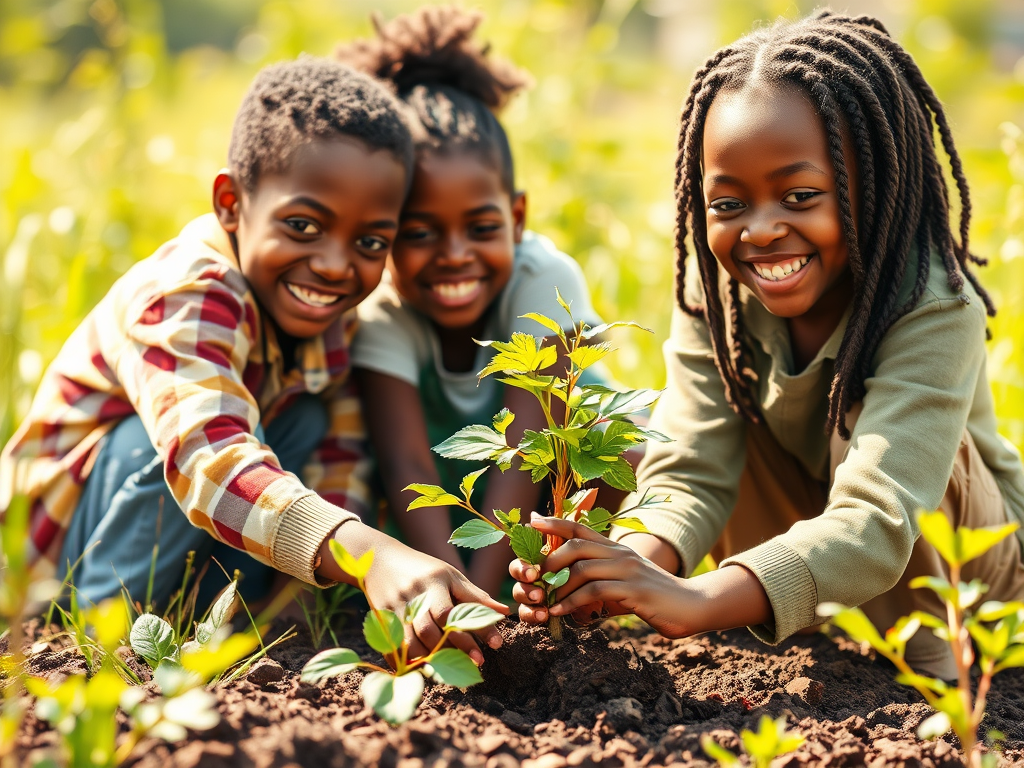
When children learn how to plant trees, they feel motivated as they believe they are doing something right

When we tell them how a seed can become a tree, we are empowering them so their future will be bright?

If you started telling the children about these important facts before today

That is good, as children will be learning how to protect the environment in a great way

Call to Action

Parents, educators, and community leaders: Start a tree planting conversation with the children in your life today. Every sapling planted is a step towards a healthier planet and a sustainable future.

Environmental education for children will cause us to raise future focused children who are ready to decrease deforestation, pollution, food insecurity and plastic pollution. Simply give children the Eco-kids Books they can easily read as they build their awareness and solve more environmental pollution problems each day.

Each parent can easily become green parents and help more children to become the change they need to see.

Positive Approaches to Teaching Kids About Nature

Planning for the kids future and getting them involved is very important and we can encourage more parents to embrace new green habits as they inspire change in the way the Earth is protected each day. There are some balanced insights about how children experience environmental education here:

Children’s responses to environmental protection messaging can vary widely; it depends on how information is presented to them:

  1. Some children may indeed feel anxious or overwhelmed when learning about complex environmental challenges. Topics like climate change, species extinction, and pollution can be emotionally heavy for young minds.
  2. However, many children also feel empowered when learning about environmental protection. Educational approaches that focus on positive actions, solutions, and individual attention can help children feel motivated rather than discouraged.
  3. The way environmental information is presented makes a significant difference. Age-appropriate, hopeful, and actionable messaging can transform potential pressure into constructive engagement. Children will like discussing fun filled green activities that will cause them to fall in love with the great outdoors.
Child psychologists recommendations:
  • Presenting environmental topics with hope and optimism: Children can eventually develop a love for Nature when they begin watching plants grow and understand where they food comes from.
  • Highlighting successful conservation efforts: When children see new products that are made from old plastic bottles and they get to understand how people earn from their involvement in the process. They can begin understanding the importance of green action.
  • Encouraging small, achievable personal actions: When they are encouraged to plant a seed and water it. They will be excited about its growth.
  • Creating spaces for children to express their feelings: If there is any green activity that is causing children to feel overwhelmed, they should be able to talk about their feelings. Adults should not burden them.
  • Balancing information with emotional support: There are some green activities such as composting and some aspects of waste management, that might cause children to feel unable to cope. Adults should assist them with some tasks if they complain or look exhausted.

Many children actually become passionate advocates when environmental education is done sensitively, viewing themselves as potential problem-solvers rather than feeling helpless. They have encouraged their friends to begin doing green activities too. When this happens they grow up with green habits that will stay with them for their whole lives.

The key is not to instill fear, but to inspire curiosity, respect for nature, and a sense of collective responsibility that feels age-appropriately manageable.

There are specific strategies for communicating environmental topics to children in a constructive manner

Parents can encourage children and guide them as they plant seeds, trees, vegetables, do recycling, reducing, reusing and repairing at first. While they are watching and learning, they can be told about the great benefits they will get from doing what you are doing.

When you are conserving water and energy, you can share your thoughts about the impact your action will have on your bills and what you can do with added savings. This can be used as a great opportunity to begin the conversation with them about money management.

Encouraging children to assist with gardening, composting, recycling, reusing, refusing and reducing can become a very rewarding activity. Some children have found creative ways to compete as and they are happy about solving the plastic pollution problem the world is battling with at this time.

The rewards they receive can cause them to become more enthusiastic about sustainable living and green action.

Conclusion:

The pollution problems are growing daily as manufacturing increases and recycling remains the same. Not enough is being done to protect the environment. If more is not done to decrease pollution. Our children’s future will be dismal. It is best for us to add environmental protection to the list of things they are doing as they prepare to face the future. Encourage them to talk to their friends about joining or beginning their own environmental clubs, in their communities or at school. They can place orders for Eco-friendly children’s books online and give them to their relatives and friends. These books are filled with green living tips and Eco-friendly solutions. This will cause more children to be willing to join the new Eco clubs and more parents will be ready to support the clubs as they grow.

How Education Can Combat Plastic Pollution

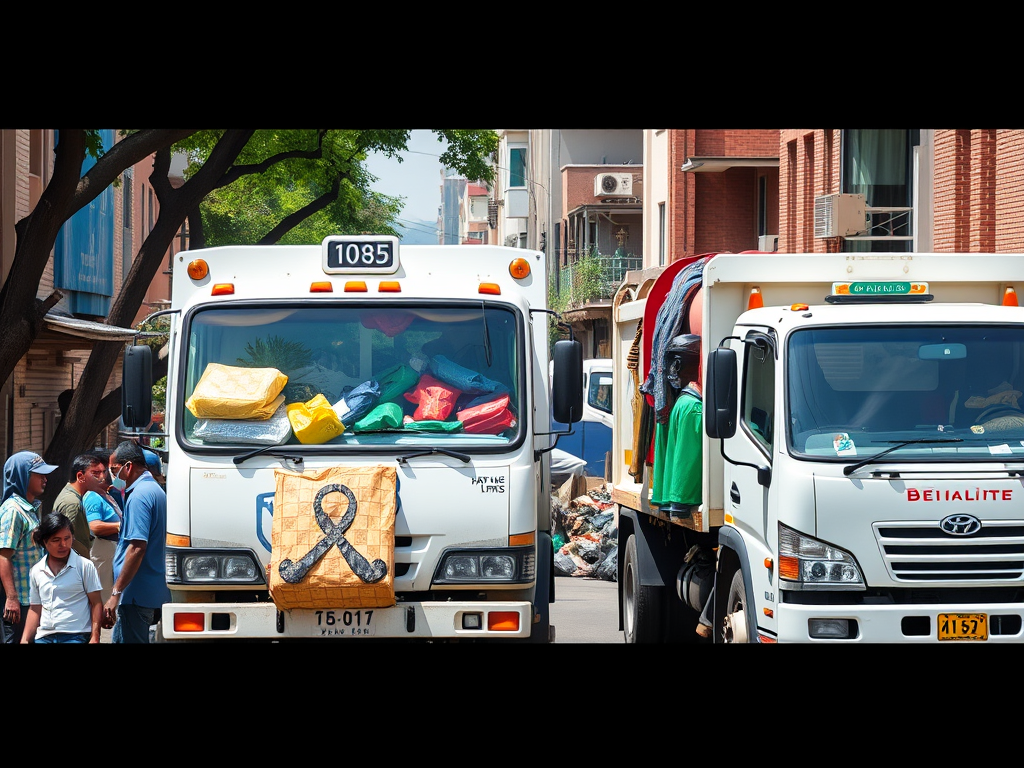
The plastic pollution problem continues to grow as plastic production increases. It is known that poor people live in areas where there is no waste collection happening and they discard their waste in rivers before it is swept down to the Oceans. With better plans to decrease both plastic pollution and poverty we can see a change.

Plastic pollution and environmental education can intersect to create positive change. This is an important topic that addresses both environmental awareness and practical solutions. Parents and teachers can easily become more involved with in the process of empowering children with environmental solutions. As the important Eco-friendly Children’s books are now available online.

The key ways in which plastic pollution and environmental education can work together include:

  1. Hands-on Learning Experiences
    Environmental education programs can incorporate direct engagement with plastic pollution issues through:
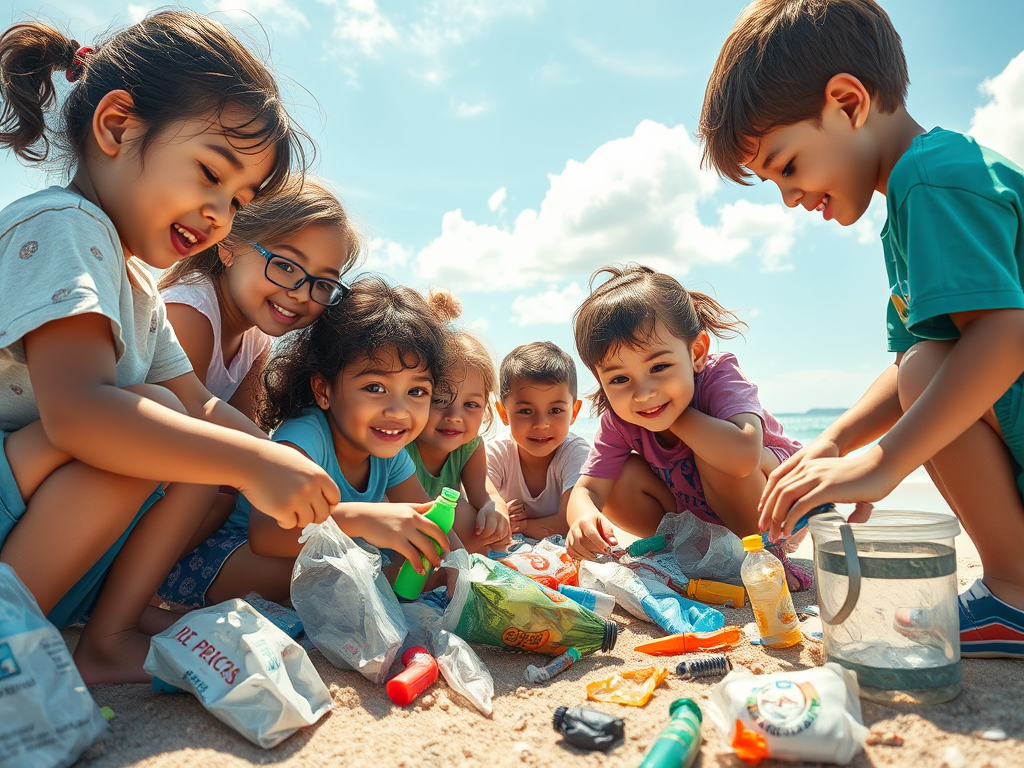
  • Beach and community cleanups that teach participants about waste management
  • Tracking and analyzing the types and sources of plastic waste collected
  • Understanding the environmental impact of different plastic materials
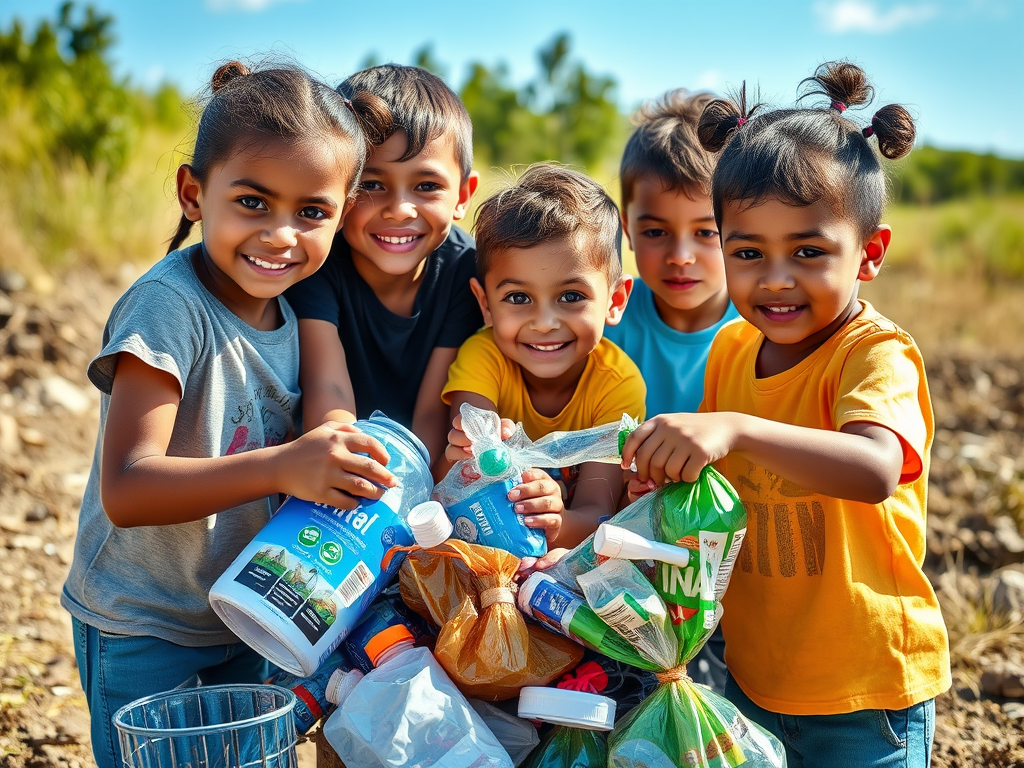
Children collecting plastic waste for recycling
Curriculum Development
Students can prepare to develop more solutions for plastic pollution when schools and educational institutions integrate plastic pollution awareness into:
  • Science classes exploring marine ecosystem impacts
  • Geography lessons about global waste distribution
  • Chemistry units examining plastic decomposition and micro-plastic formation
  • Social studies discussions on environmental justice and community responsibility
  • Interactive Visualization and Data Analysis Students can be taught to:
  • Create visual representations of plastic waste statistics
  • Map plastic pollution sources in their local communities
  • Use scientific methods to research and quantify plastic environmental impacts
Practical Skill Building Environmental education can teach:
  • Alternative product choices that reduce plastic consumption
  • DIY techniques for plastic reduction and recycling
  • Entrepreneurial approaches to solving plastic pollution challenges
  1. Community Engagement Projects
    Educational programs can develop:
  • Public awareness campaigns about plastic pollution
  • Community recycling initiatives
  • Collaborative projects with local businesses to reduce single-use plastics
The interconnection between plastic pollution and socioeconomic challenges:

Global Plastic Pollution and Poverty Statistics:

1. Waste Management Impact
– In low-income countries, only 4% of municipal solid waste is formally managed. If we could see an increase in plastic collection when the people are paid, more recycling could be done.
– Approximately 2 billion people lack access to waste collection services
– 90% of plastic waste in oceans comes from just 10 rivers, mostly in developing countries
. With better waste management plans much more recycling and reusing could be done.

2. Economic Burden
– Plastic pollution costs developing countries an estimated $375 billion annually in environmental damage. This money could be going into agriculture to decrease food insecurity.
– Informal waste workers (often from impoverished communities) collect 15-20% of waste in developing countries. They could go from being impoverished to being middle class citizens if they were properly paid by the plastic producers.

– Marine plastic pollution causes approximately $13 billion in economic losses annually through impacts on fishing, tourism, and other industries. Without change in the way we build environmental protection awareness, we will not see the change we need to see.

3. Health and Environmental Consequences
– Over 400 million tons of plastic are produced annually
– Around 11 million tons of plastic enter marine ecosystems each year because plastic buy back schemes are not implemented in enough places.
– In developing countries, 14 million people living near coastlines are directly impacted by plastic pollution-related economic disruptions
.

4. Waste Worker Demographics
– Approximately 15-20 million people worldwide work in informal waste management. This number could increase and proper wages could be paid to them when waste management is formalized.
– 60-80% of these waste workers are in developing countries
– Average daily earnings for informal waste collectors range from $1.50 to $3

5. Microplastic Exposure
– Communities with limited waste management infrastructure have 10x higher micro-plastic exposure rates. It would be good if recycling centers could be built in these communities, there would be better wages for informal workers.
– An estimated 2 billion people drink water contaminated with microplastics due to inadequate waste systems

These statistics demonstrate the complex relationship between plastic pollution, economic vulnerability, and environmental challenges. They underscore the critical need for integrated approaches that combine environmental education, waste management infrastructure, and economic opportunities. With so many universities all over the world a better plan should be made for waste management.

Here are some inspiring community projects that have successfully integrated environmental education and plastic pollution awareness:

1. Plastic Bank (Global Initiative)
– Founded in Canada, operating in Haiti, Philippines, Indonesia
– Transforms plastic waste into a currency for marginalized communities
– Provides income opportunities for waste collectors
– Converts collected plastic into recycled social plastic® used by major corporations
– Empowers communities while addressing plastic pollution

2. Barefoot College (India)
– Located in Rajasthan, focuses on rural community development
– Trains women in solar engineering and waste management
– Develops local recycling programs that create economic opportunities
– Provides environmental education targeting women and rural communities
– Has trained over 3,000 women from 93 countries in sustainable practices

3. Ocean Heroes Bootcamp (International Youth Program)
– Global youth-led environmental education initiative
– Trains young people to design and implement local plastic reduction strategies
– Participants develop community-specific campaigns and innovative solutions
– Focuses on empowering youth as environmental change agents
– Connects local actions to global environmental challenges

4. Precious Plastic (Global Movement)
– Open-source project creating local plastic recycling workshops
– Provides blueprints for small-scale plastic recycling machines
– Enables communities to transform plastic waste into valuable products
– Educational component teaches technical and environmental skills
– Active in over 50 countries with community-driven workshops

5. EcoBrick Exchange (South Africa)
– Converts plastic waste into building materials
– Community members collect and compress plastic into building blocks
– Provides economic incentives while addressing waste management
– Educational workshops on plastic pollution and circular economy concepts
– Has created playgrounds, community centers using ecobricks

6. Project STOP (Indonesia)
– Partnered with cities in Indonesia to redesign waste management systems
– Creates formal waste collection infrastructure in underserved areas
– Provides employment in waste management and recycling
– Develops local recycling enterprises
– Combines environmental education with practical waste solutions

Key Success Factors:
– Community-centered design
– Economic incentives alongside environmental education
– Practical skill development
– Local empowerment and ownership of solutions

These projects demonstrate that effective environmental education goes beyond awareness—it involves creating tangible opportunities, economic pathways, and community-driven solutions to plastic pollution.

Conclusion

Plastic pollution and environmental education can intersect and cause us to become the change we need to see. We will raise children who are aware of solutions for plastic pollution and other environmental issues. They will develop new products that are made from recycled plastics and reduce the pollution caused by oil and other pollutants. Job creation can increase as poverty decreases.

Innovative Recycling: A Manufacturer’s Impact on Plastic Waste

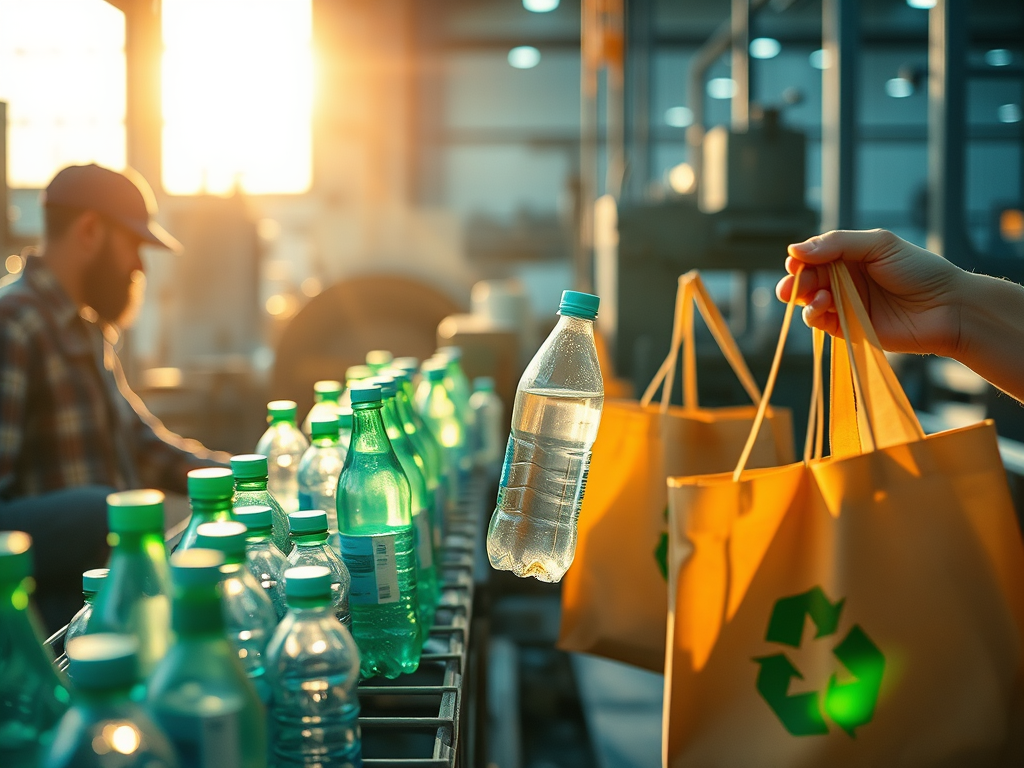
A manufacturer who use a lot of plastic bottles, as his factory sells juice and water; did something great for the environment recently. He gave away reusable bags to persons so they could return some of the empty plastic bottles they had, and he sent the bottles to be recycled.
There were companies who would use glass bottles in the past and reuse them, but they are now using plastic bottles. If they would start using glass bottles again and reusing them we would have less pollution.

If more companies could do more reusing and start collecting plastic bottles from customers, there would be less blocked drains and we would have less flooding on our road ways whenever the rain falls. Life would be better for many people. In some places even homes get flooded when drains are blocked with plastic.

Sustainable Business Building

More should be done to encourage persons to think about developing new products out of plastic waste, as they take care of the environment in a way; instead of developing new businesses that pollutes the environment even more.
I admire the new business managers that are helping persons to use solar power, it is clear that they are individuals s who are excellent planners and they will be in business for a long time.
But for those who develop businesses that cause them to use too much plastic packaging and then have no incentive for recycling or reusing plastic waste, they clearly don’t plan to stay in business for long. If they don’t have plans to change what they are doing, and do more to protect the environment, so their business will not be adding to the pollution problem we are dealing with now. Climate change and Global warming will not allow them to stay in business for much longer, the rising sea levels and increased hurricanes, has been destroying homes and businesses recently. Protecting the environment is not a choice we can afford to ignore at this time.

Creating Jobs and Forgetting Environmental Protection

Manufacturers who care more about huge profits and forget about protecting the environment have caused a lot of pollution and other problems for people and the environment over the years. In the past when there were more small businesses the environment was protected in a much better way.
Big businesses caused the small businesses to close down and now we have all this pollution of the environment with all the plastic packaging they use; and the persons who lost their small businesses are finding it hard to get jobs, this leads to increased poverty.
The rich getting richer and the poor getting poorer has lead to an increase in the types of crime we see and the number of crimes that are being committed over the years. This causes Governments to be more burdened with the higher cost of security for nations as the prison population expands and it is more expensive to feed prisoners and prisons are packed in many places.
Persons have died from starvation in the Venezuela prison recently, as poverty causes an increase in the crime rate.

Manufacturer Doing more for the Environment

More should be done to encourage the poor to start their own businesses. Persons who are willing to find ways to start businesses that is linked to environmental protection are the smart ones and it would be good if they could be given incentives. They are fixing many problems as they make life better not only for themselves, but for the persons they hire and the environment they are protecting.

These new businesses include the ones that are responsible for making homes out of plastic waste and more new products are being made every day, as persons become more creative and determined to save the planet.

We should be encouraging our children to start thinking about what they can start learning about, regarding environmental protection. They might be capable of thinking of ways to start new businesses after a while and they will be more aware of the problems we are having with plastic pollution these days.

Children who are aware will do more to reduce the amount of plastic waste they create and help their parents with reusing, separating waste and paying more attention to recycling plastic. They will grow up to become responsible adults who will do a great job, protecting the environment.

Project for The Children and the Environment

Parents can easily order eBooks for only $3 or less each on Amazon.com as they support the project that is geared towards educating the children about all the things they can do to protect the environment and have a bright future.

https://wp.me/P3CEKq-3qc.com … click here

http://www.funwritings.comwww.funwritings.com

A Plan for the Children
We can change what we are doing now and help the children to take care of the environment in a much better way than we did, when we were their age. Children will know how much we care about their health and their future, when they see us making an effort to give them the information they need at the right time. When they are in the process of forming habits.

When they start having good habits and start discarding their waste in a more responsible way, protecting the environment will be something they do naturally.
Parents have also ordered fiverr gigs
as they support the project as well.
With Fiverr gigs persons get lyrics for songs, articles for blogs, advertising packages for their businesses and more. You can take a look at the great reviews left by the buyers whenever you are ready to place your order.

Be a part of the solution and work towards having a clean environment and a bright future.

www.funwritings.com

Reasons for Teaching Kids About Environmental Protection?

A child who knows why it is important to protect the environment
Can easily grow up to have a future that is decent
As a clean environment will be something he or she knows all about
They will have hope for a bright future, as they help others and remove their doubt

Spreading environmental protection awareness has never been this important before
Empowered children can do and say a lot more
They can tell others about having a future that is bright
When they talk about treating the environment right

Let’s empower our children together
So we all can take care of the environment, so that life can be better
Remember our environment is a great asset that we need to protect
To our trees, air, water and soil we should show some respect

Supporting a project for the children and the environment is easy now
Fun writings and things is more than happy to show you how
You can simply order ebooks and fiverr gigs on this site
As you support a project that is designed to make the future bright

Don’t allow this opportunity to pass you by
One day the children will ask you why
What happened to the fish, when they are not in the Sea
Let’s protect our environment, as it protects you and me

…………………………………………………………………………….

When we empower our children with the knowledge they need to create a bright future for themselves and their loved ones. We are showing them how much we care
We are opening their eyes before it is too late for them to do anything about the problems we have today.

There are places where there is so much smog that people wear masks when they walk on the streets. People are dying because of the polluted air they breathe, it is time for us to tell our children the truth about what life will be like for them if nothing changes in the way we treat our environment.

Let’s not wait any longer, when you can contribute to this project for the children and the environment by simply ordering great service for your self and your businesses and ebooks. You will be contributing to the publishing cost of more awesome books about environmental protection for the kids. They have been learning about English, mathematics, Science and more, but they are not learning enough about the importance of protecting the environment and you can simply change that today.

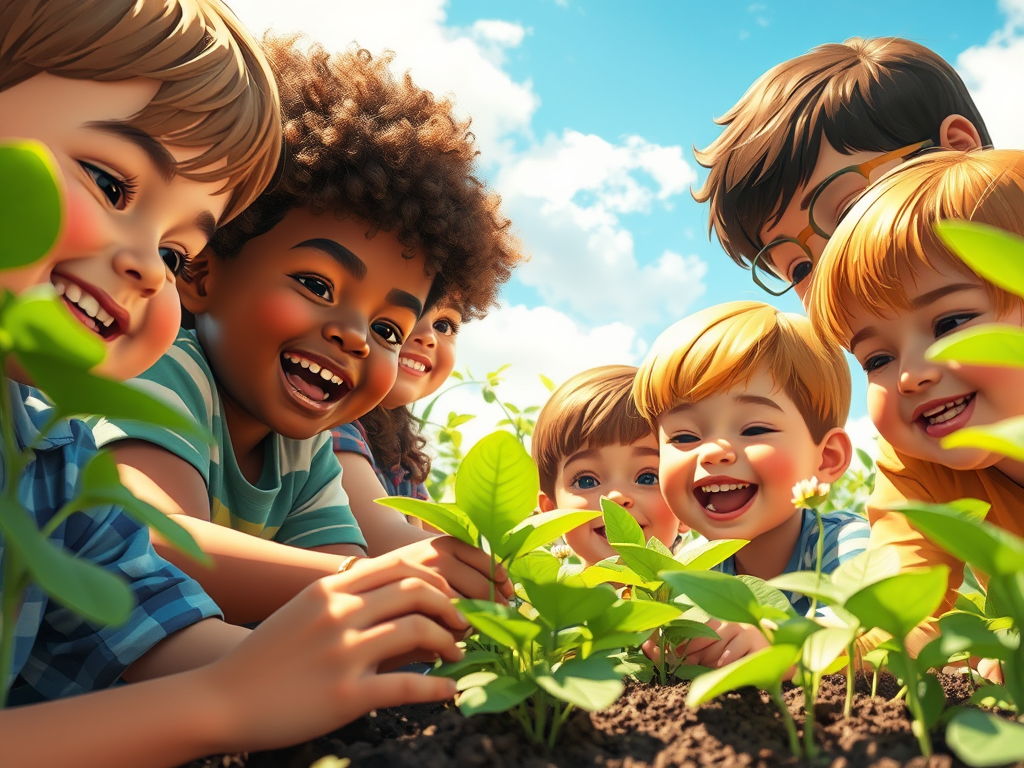
children getting involved in green activities as they ready for green action in the future... they are getting ready to recycle more.

When they know about all the simple things they can do for the environment to make their own future bright, they will be happy to make the simple adjustments in their lives. They will be happy to take the bus and carpool instead of driving in half-empty cars every day. They will pay attention to recycling, reducing and reusing and this will help parents to save cash, as they will be spending less money on a lot of things.

When plastic bottles and covers are used to make toy cars and other things for children to play with parents will spend less on toys, this is just one way in which parents are saving as they teach children about the impact of plastic on the environment.

Having the right books about environmental protection awareness for children is the right thing for parents to invest in at this time. Empowered children will know what they can do for the earth, as they will be thinking about living a long and healthy life. Cancer is on the rise because of the way we have treated our environment. It is now necessary for us to eat organic food and buy more products that are packaged in biodegradable packaging. I am sure you’ll agree with me when I say, it is time for us to tell our children why it is good for them to learn about treating the environment in a better way.

The benefits they will get from learning about protecting the environment are great. Don’t allow them to learn all the bad examples people set for them now as they pollute the environment. You can easily tell them how to become the change they need to see. As they turn things around and head in the right direction when it comes on to having a healthy environment.

We can all work together and make the changes we need to make before it is too late, let’s get started today. Our children are depending on us , so we need to do our part. Don’t allow them to say we had the opportunity but we did nothing.

Sustainable Development Goals

Planning for the greener future is much more important now that food insecurity, flooding, plastic pollution and other environmental issues are becoming more devastating for our health and well being. We must do more to empower children so they can have a green future.

Kids Embrace Zero-Waste: Transforming Lunches for a Greener Future

Kids Talk about Zero-Waste. Making a Difference, One Lunch Box at a Time. Children can become the change they need to see when they begin using the zero waste plan. Green parents are encouraging them to decrease pollution in many ways so they can live to see brighter days and this is a great thing to do.

Children are now giving feedback, as they continue travelling on their green journey to the green future. They are implementing the zero waste plan as they learn about its importance. Sustainable living is being embraced by these young ones and their stories are told here:

Kids Packing zero waste lunches and learning about sustainable living

Sofia, Age 9
“I love my bento box!” Sofia beams, showing off her compartmentalized stainless steel container. “Mom and I picked it together, and I got to choose the red silicone bands around it.” She opens each section to reveal carrot sticks, a sandwich, and fresh berries. “Before, we used plastic bags, but now everything has its own space. And look—” she points to her reusable water bottle, covered in stickers, “—no juice boxes or single-use-bottles needed!” They are saving money while they remain healthy.

Sofia’s Zero-Waste Tips:**
– “I put my name on all my containers so they don’t get lost.”
– Pack cloth napkins instead of paper ones
– Use metal utensils from home instead of plastic ones
I am learning to be careful, I will not lose anything.

Marcus, Age 11
“At first, I thought it would be hard,” Marcus admits, adjusting his glasses. “But it’s actually pretty cool. I’m like a zero-waste superhero!” He explains how his class started a competition to see who could create the least trash at lunch. “I haven’t thrown anything away in two weeks,” he says proudly. All the other children had something to throw away, if it was even 1 package.

Marcus’s Favorite Zero-Waste Hacks:**
– Uses beeswax wraps instead of plastic wrap
– Brings fresh fruit instead of packaged snacks
– Keeps a reusable straw in his lunch bag

– used no single-use-plastic bottles or containers.

Emma and Jack (Twins), Age 8
The twins have turned zero-waste lunches into a game. “We check each other’s lunches every morning,” Emma explains. Jack nods enthusiastically: “Yeah, and whoever has the most reusable things gets to pick the movie on Friday night!”

Their mother laughs from the kitchen. “It’s made packing lunches so much easier. They actually remind me now if I reach for the plastic wrap. Winning makes us feel great about the zero waste plan.

The Twins’ Top Tips:**
– Make it fun! Turn it into a game or challenge
– Help pack your own lunch
– Remind parents about reusable options

Aiden, Age 10
Aiden takes his role as his school’s Environmental Club president seriously. “Did you know that one kid can make about 67 pounds of lunch waste in a school year?” he asks, quoting a fact he learned in the eco-kids club. “That’s like the weight of a baby elephant!”

His lunch system is impressive: a three-tier tiffin with different foods in each level. “The best part is, everything stays separate, so my sandwich doesn’t get squished by my apple.”

Aiden’s Zero-Waste Wisdom:**
– Start small: “Try one reusable thing at a time”
– Get creative with leftovers and save money.
– Share zero-waste ideas with family and friends

Maya, Age 7
Maya giggles as she shows off her lunch setup. “My favorite part is my colorful containers,” she says. “Each color is for different things – green for veggies, red for fruits, blue for my sandwich.” Her enthusiasm for organizing has spread to her friends. “Now we have a beautiful lunch table each day!”

Maya’s Colorful Tips:**
– Color-code containers to make packing lunch fun
– Use ice packs instead of frozen water bottles
– Keep backup containers at school

Practical Tips from the Kids
1. **Start Simple**
   – Begin with one reusable item
   – Gradually replace disposable items
   – Make it fun and personal

2. Get Organized**
   – Label everything
   – Have a designated spot for lunch gear
   – Clean containers right after school

3. Make It Fun**
   – Create challenges with friends
   – Personalize containers with stickers
   – Share waste-free lunch ideas

4. **Common Challenges and Solutions**
   – Lost items: Label everything clearly. They will be returned when they are found.
   – Forgotten containers: Keep extras at school
   – For Messy foods: Use containers with good seals

Photo by RF._.studio on Pexels.com

Parent Corner
Parents report that while the initial investment in reusable containers might seem high, they save money in the long run by not buying disposable items. Plus, they’re teaching their children valuable lessons about environmental responsibility.

“The key is to involve the kids in the process,” says Marcus’s mom. “When they choose their containers and help pack their lunches, they’re more invested in keeping track of everything and making it work.”

Impact
These young zero-waste champions are happy because they are making a difference. Their school estimates that if every student adopted just three of these practices, they could reduce lunch waste by 80% this year. As Sofia puts it: “It’s not about being perfect. It’s about trying our best to help the Earth by decreasing pollution!”

Combining fun and environmental protection can cause children to become more enthusiastic about the changes they make when they are protecting the environment. This can lead to the creation of more Eco-kids clubs and the building of eco-awareness in more places.

Remember the Eco-kids books you can use to encourage more children to take action and do more to protect the earth are available on the fun writings website. Raising a generation that is ready to increase green energy solutions and do better waste management is too important to be ignored. Make it easy for more families to get involved in this project.

Fun Ways to Teach Kids About Zero Waste

So much more can be done, when we combine environmental protection with fun. We help children to learn about the zero waste plan in many more ways as we plan to see brighter days. Teachers and parents can become change makers

Let us brainstorm some engaging activities to teach children about zero waste and sustainability in a fun, memorable way.

Zero Waste Warriors: Fun Activities for Kids
1. Trash Treasure Hunt Game

Age Range: 5-12 years
Duration: 45-60 minutes

Materials Needed:
  • Clean recyclable items, Reusable containers, Sorting bins, Timer, Score cards
Activity Flow:
  1. Set up different “waste stations” around a room/playground
  2. Divide children into teams of 3-4
  3. Each team gets a recycling guide and sorting containers
  4. Teams race to collect and properly sort items
  5. Points awarded for: Correct sorting
  • Identifying reusable items
  • Creating new uses for “trash”

2. Eco-Art Workshop

Age Range: 6-13 years
Duration: 90 minutes

Materials Needed:
  • Used cardboard, Empty containers, Old newspapers, Natural materials (leaves, twigs) Craft supplies
Projects:
Bird Feeders from Milk Cartons

Newspaper Seed Pots, Cardboard City Buildings, Nature Collages

3. Zero Waste Kitchen Scientists

Age Range: 8-12 years
Duration: 60 minutes

Activities:
  1. Composting Experiment
  • Create mini composting jars, Document decomposition, Compare different materials
  1. Food Waste Prevention
  • Measure daily food waste, Create storage solutions, Plan zero-waste meals
4. Sustainable Fashion Show

Age Range: 7-14 years
Duration: 120 minutes + preparation

Components:
  1. Design Challenge

Parents or teachers can help children to create outfits from recycled materials, Learn about fast fashion impact, upcycling workshops

  1. Runway Presentation
  • Students present their creations, Explain materials used, Share sustainability message
5. Zero Waste Market Game

Age Range: 6-11 years
Duration: 45 minutes

Setup:
  1. Create mock store with:
  • Bulk food section, Packaged items, Reusable alternatives

Give students shopping lists, Challenge them to make zero-waste choices, Award points for sustainable decisions.

6. Environmental Impact Detectives

Age Range: 9-14 years
Duration: Ongoing project

Investigation Areas:

School Waste Audit, Home Recycling Survey, Community Litter Mapping, Solution Proposals

Documentation Methods:

Photo journals, Waste tracking sheets, Impact calculation charts

Implementation Tips:
Creating Engagement:

Use reward systems, Create team challenges, Share success stories, Connect with local initiatives.

Measuring Impact:

Before/after waste measurements, Knowledge assessment games, Parent feedback surveys, Photo documentation

Safety Considerations:
  1. Adult supervision for all activities, Clean materials only, Proper hand washing, Age-appropriate tools
Extension Activities:
Community Involvement:

Parent workshops, Local business partnerships, Community clean-up events, School-wide challenges.

Digital Integration:

Waste tracking apps, Photo documentation, Online research projects, Virtual sharing platforms.

I’ve created a comprehensive guide with various interactive activities to teach kids about zero waste and sustainability. Each activity is designed to be both educational and entertaining, making environmental awareness feel like play rather than a chore.

Parents and teachers can work together on more eco-friendly projects with and for the children. This will cause everyone to engage in team work and the celebrations held at the end of a project will have a greater impact. Children will learn how to benefit from green living in a fun filled way.

Do you want more information about these projects? I can also suggest additional activities focused on particular aspects of sustainability that interest you most. Let us do more to show children how they can have a sustainable future.

Zero Waste: A Guide to Sustainable Waste Management and Money-Saving

In 2024, a sustainable waste management system coupled with a zero-waste plan is much needed. We especially need to teach this to our children.

Using the Zero Waste plan with a sustainable waste management system can significantly decrease pollution and save money. The system includes various steps and approaches that must be learned and taught. You can also teach children about environmental issues and solutions while keeping these topics educational yet approachable. Let’s get started!

Reusable containers and cloth wraps

When reusable containers, cloth wraps, or biodegradable wraps are used in Lunch boxes, children will begin getting ready to embrace the zero-waste plan. Green parenting can make a huge difference in our society. Now, we know that raising a generation of children who will go green and protect the environment is so important. Here are package-free snack ideas.

  • Fruits are suitable for children, and they are great package-free snack ideas. Children who grow up on a steady diet of fruits and other healthy food will want to stay on that track for the rest of their lives. The zero waste plan will begin keeping them healthy, and they will want to do all they can to save the planet. Starting a school compost program
  • Composting at school is another integral part of our sustainable waste management system. Children who learn to separate waste and make compost will know how important it is to eat organic food. They will lead healthy lives and make a positive impact on the overall health of the planet. Starting a school compost program can benefit children in many ways.

Sustainable Waste Management Through Reusable Container Solutions

Before buying your favorite, you can compare different lunchbox styles like:

  • Bento.
  • Stainless steel.
  • Compartmentalized.
  • Others.

You can watch Beeswax wrap tutorials ( 

) and make them yourself. 

  • The best containers to choose have different inner containers for other foods (leak-proof for yogurt, ventilated for fruits). This will help children learn how to keep things organized. 
  • Learning how to care for and clean reusables is suitable for the children who use them. They will learn a lesson they can use for their whole lives.
  • Cost comparison: disposable vs. reusable over a school year. You should always check how much money you save when using the zero-waste plan to save money and the environment.

More Package-Free Food Ideas

The following package ideas are remarkable in our Zero Waste guide, using a sustainable waste management system.

  • Make-ahead snack recipes (granola bars, trail mix, muffins). It is good to raise children on healthy snacks, and you spend less at the supermarket when you make snacks on your own.
  • Learning to keep fruits and veggies fresh and telling children about your tips will make a difference.
  • Bulk buying guides for parents: Bulk buying will help more parents save money and the environment. Neighbors can get together and shop.
  • When you have many ideas for sandwich alternatives, children will not get tired of eating the same thing. This will keep them from wanting to switch to the packaged food they bought before they began the zero-waste journey.
  • Waste-free treats and special occasion foods will entice your family to stick with the zero-waste plan. You should always tell them how much they benefit from the changes made.

Applying the Ideal Zero Waste Plan in 2024

We have discussed many ideas that can lead to expanding sustainable waste management methods. There are tips for keeping food fresh without plastic wrap, which you can use on rare occasions since staying away from plastic is best.

We can become the change we need to see and live sustainably. So, saving the planet while we save money will improve our lives.

Similarly, you can order more solar panels and buy other things that will help you save even more money over time. The zero-waste plan is a great one you should stick with.

Finally, it is imperative that you teach the crucial nature of this subject to the next generation. You can start with their lunch boxes and then move to their other parts of life. It will take time, but the benefits of a Zero-Waste plan with a suitable waste management system outweigh the efforts by a long, long margin. Please check out these children books to boost your children’s environmental consciousness. That’s Everything!

Effective Waste Management for a Greener Future

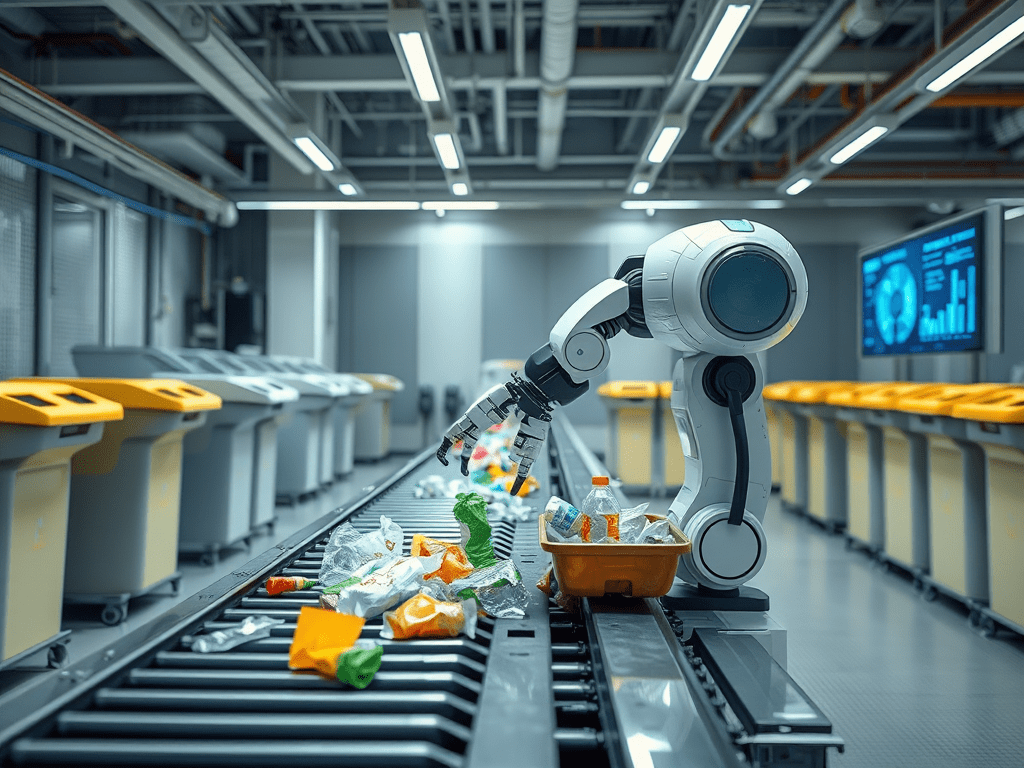
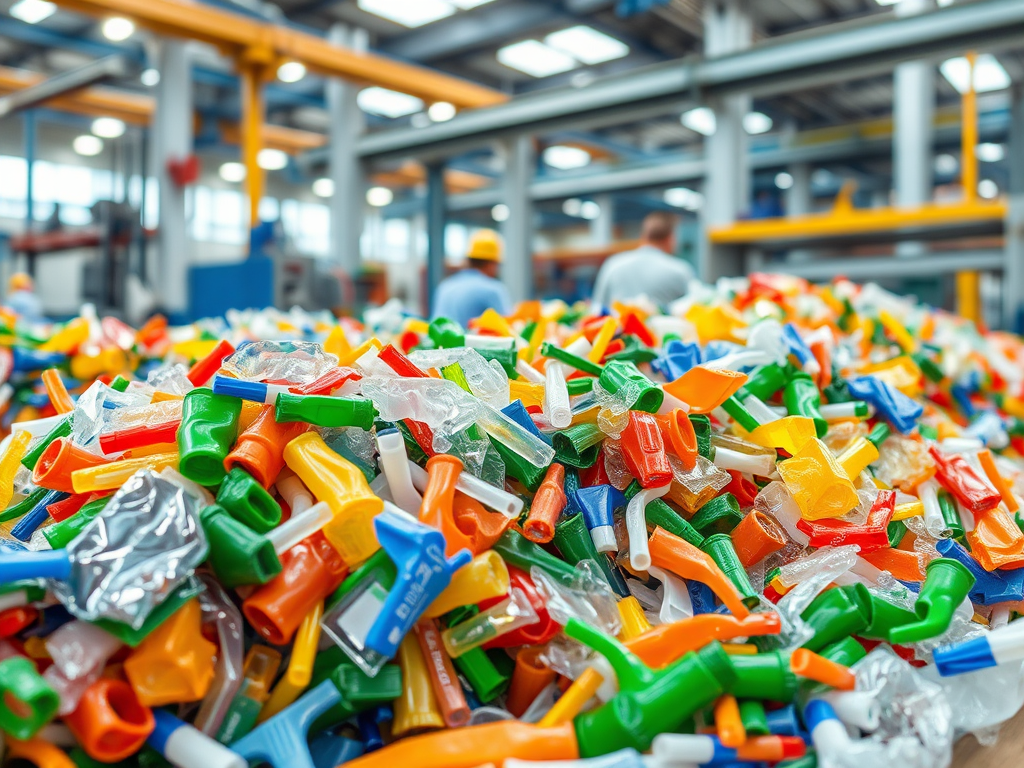
When waste is discarded in the best way, as we try to protect the environment. Individuals will become more creative and they will realize that many problems will be solved. Many of the things we normally discard can be used to create things we can use. You’ll find that you will save money and have more gifts to give. Added to that, children who watch their parents treating waste in the right way will want to do the right thing too. They will be learning valuable lessons about protecting the environment and they will want to pass on their knowledge to their friends, this will help to spread the very important message, about how good it is for us to do more for the environment. The plastic that is now a problem for the environment will become beautiful Jewelry Boxes, toy cars, Christmas tree decorations and many other useful things you can make to use in your home as you reduce the amount of money you spend while shopping.

You will be reducing the amount of waste that get’s to the landfills, the oceans and the Seas when you discard waste in a better way. You’ll have more compost for your plants when you do gardening, you will be reducing the amount of smelly waste that gets into your garbage bin. More plastic and paper will be recycled or made into new products and less toxic fumes will be released into the air. Take a look at this new composting equipment. It makes composting very easy. We should always support persons who make these tools, so they will be encouraged to make more similar equipment to protect our environment.

Environmental Protection Awareness Helps

Children who are aware of how important it is for waste to be separated will help their parents to get the waste in the right bins as they grow up to become responsible adults who do all they can to protect the environment at all times.
Separation of waste will become a normal thing for families to do when they are aware of the problems they will face if they continue discarding waste in the wrong way. Parents who tell their children about waste separation and how important it is; are doing the right thing and they will get more help from their children with taking out the waste when children understand the benefits of their action.

How to sort waste before Recycling

Recycling and reusing waste material is very important and separating glass, metal, paper and plastic, should be done in the correct way, and they should be placed in separate bins, as we think about the workers who handle the waste when it gets to the depot. We wouldn’t want them to get wounds because of broken glass.

Recycling keeps materials in the economy and out of landfills. There will be less need for mining and soil degradation and this will lead to food security. Environmental protection can be a great foundation to build on. We can become more creative as er find better ways to live, when we are recycling.


Roads made with Recycled Plastic
There are more products being made with recycled plastic every day and using plastics to build roads is a new idea that is being explored. Some persons

are very happy about it and they have started to make plastic roads, but some persons think it will be a bad idea. We need to use more recycled plastic everyday, so it is good to see that there are persons who are trying new ways to use recycled plastic. Even though there are persons who believe it is better fpr us to use plastic to make oil again and use it to produce energy.

Watch this video and learn more about it.

Now that we know more about how plastic causes problems in our environment and we are finding new ways to reuse , reduce and recycle plastic. We need to pass on valuable information about environmental protection to our children, so they won’t make the same mistakes we made. There is a project for the environment and the children here
Children will have access to more books Children will have access to more books that are written about environmental protection; in simple language that children will enjoy reading. them as they learn all they need to know about protecting the environment.

Children who are aware of the many things they can do to protect the environment will want to help with finding solutions for the many problems we have with the pile up of waste and how it causes problems for the environment. They will be creative and helpful as well.They have been very creative when they try to find new ways t0 reuse waste. They have made toys for themselves and others and other products even their parents can use around the home. They also begin learning about being kind to others, as they do more for the environment. When they make new products from waste and give them away.

Plastic Waste Problem

Our actions have an impact on our planet and our own health. Since the plastic we flush, gets into our rivers, oceans and seas, they are eaten by the fish that we buy to eat. Even the sea salt we use in our kitchens can be the sea salt that has small pieces of plastic in it. There is far too much plastic waste on our planet now. Reducing the use of plastic is something we all need to do, and discarding plastic in a responsible way is very important as well.

Since the use of disposable plastic products has escalated around the world, the amount of marine creatures who lose their lives because of plastic waste has increased a lot. I’m sure we would be very upset if another creature on this planet allowed their waste to invade our home and take our lives. So why do we continue to disregard the plight of the marine animals and fish?

If we simply use one less item that is made of plastic each week and encourage persons who are close to us to do the same, we can reduce the amount of plastic that washes down into our oceans, let’s give it a try. We just can’t afford to pass on a planet that is just a big garbage dump to our children,

We can reduce our use of plastic by refusing to use at least one item that is made from plastic each day, and encourage our friends and loved ones to do the same.We can change the way we treat plastic and save our planet. Plastic knives and forks are not needed let’s use the ones we used before the plastic ones were made. You can carry them in a bag with you wherever you go and refuse to use the plastic forks that are handed out by restaurants. You can also choose to eat at restaurants that use silverware only. Your actions will change the way business people treat plastic.
<a href=”https://atomic-temporary-53542110.wpcomstaging.com/&#8221;

pexels-photo-265903.jpeg

Our world is constantly changing, but we should want the changes to be good for the environment. Now that we are aware of the plastic pollution problem, let’s try to fix it. Remember this, anything that is bad for the environment is bad for us as well. We are connected to our environment in many ways.