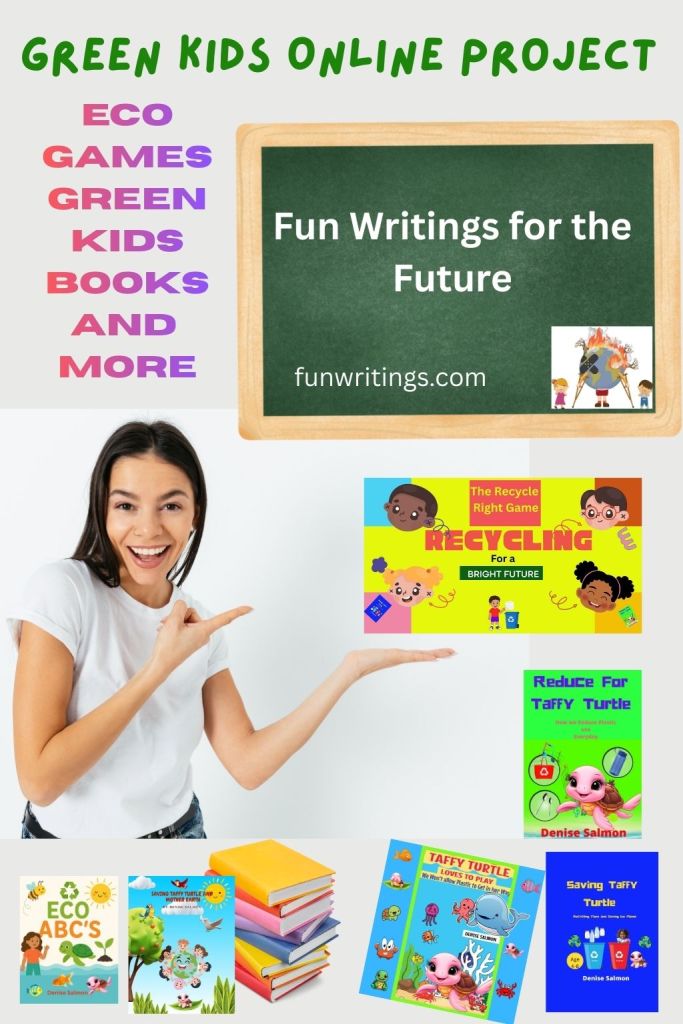
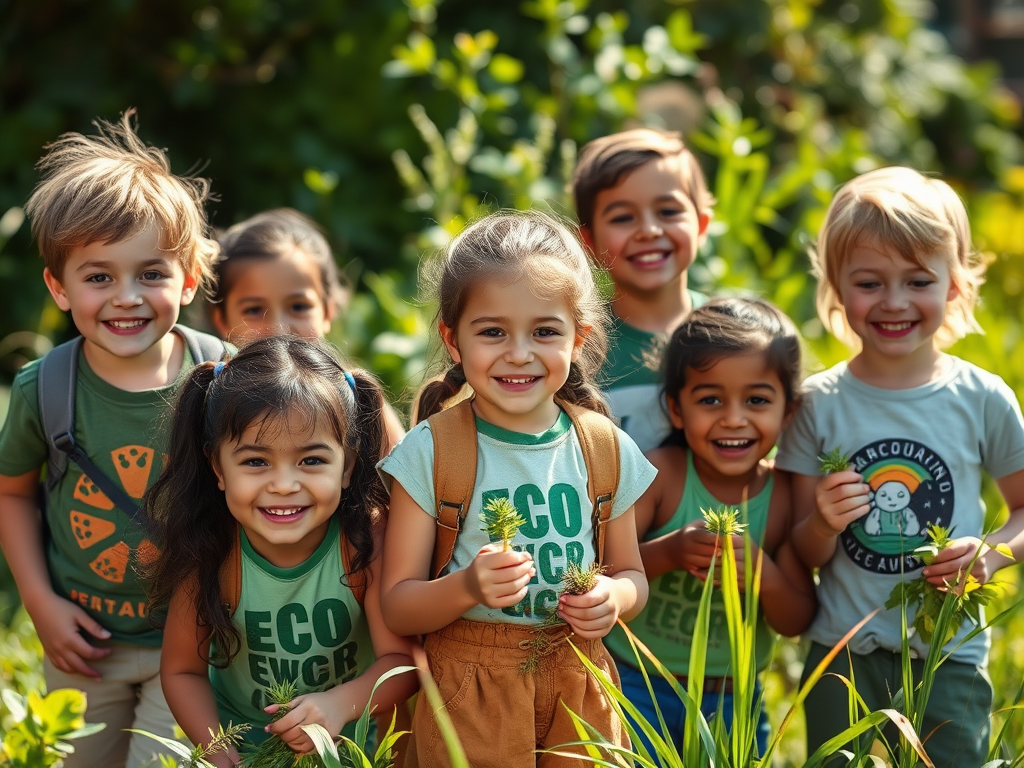
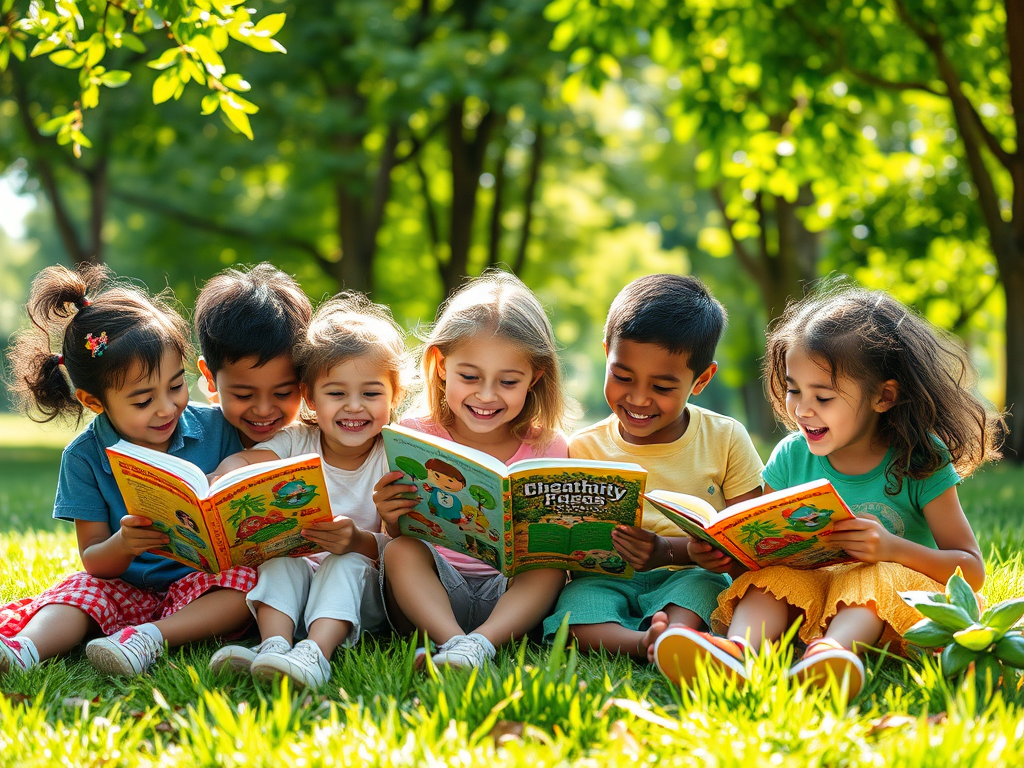
these are the new eBooks for eco-friendly project. Children will read them and learn about what it means to go green…. individuals have started to contribute to the publishing cost already by ordering their eBooks and Fiverr gigs on the website… click here and order the eBooks below and get free coloring pages for the children
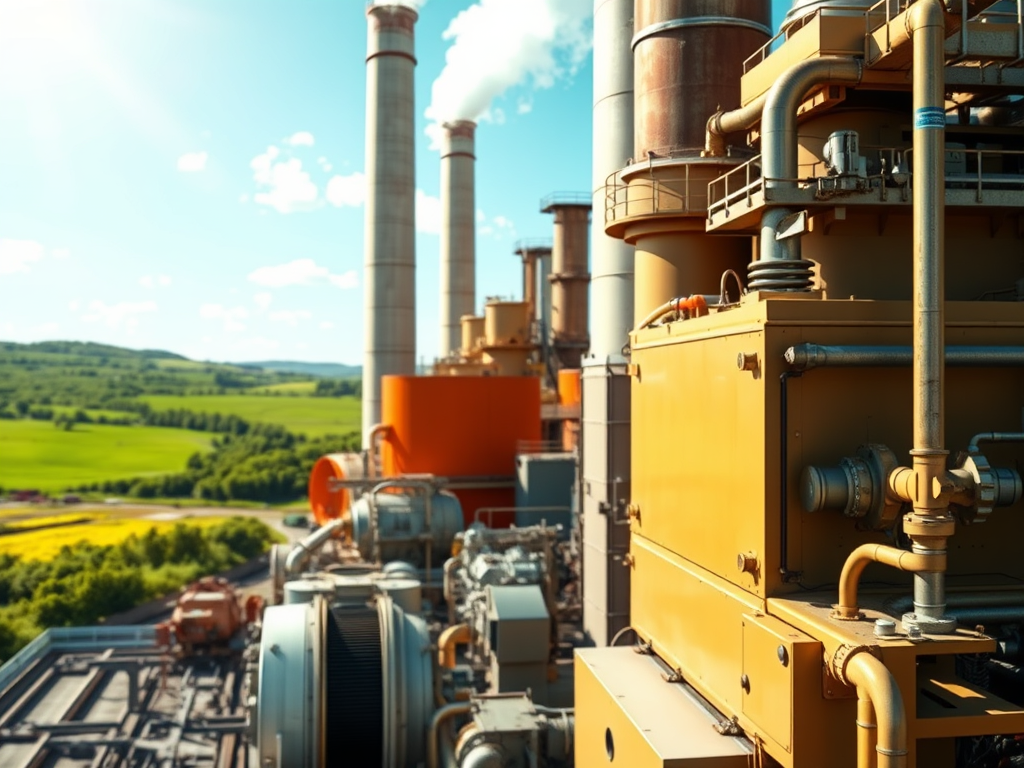
Even though the Chinese-built a waste-to-energy plant in Ethiopia has it created real jobs? Will it be a part of the broader effort to turn waste pollution into renewable energy and economic opportunities. Will the plant produce too many carcinogens and cause increased illnesses that will cost the population too much in the future? Will the future healthcare bill be too high for Ethiopia to bear? I wonder if proper air quality tests are being done. How will the Government help the people to create more jobs for each other when they have decreased energy costs?We are exploring the pros and the cons now, as we seek to find answers.
Currently some Ethiopians are not feeling the benefits of having cheaper energy that much, because they are still unemployed. They are not making the connection between job creation and cheap energy. I am calling on everyone to support the eco project that cause more people to raise eco smart children who are creative and aware of the pollution problems and their solutions.
Waste-to-Energy Plant Jobs
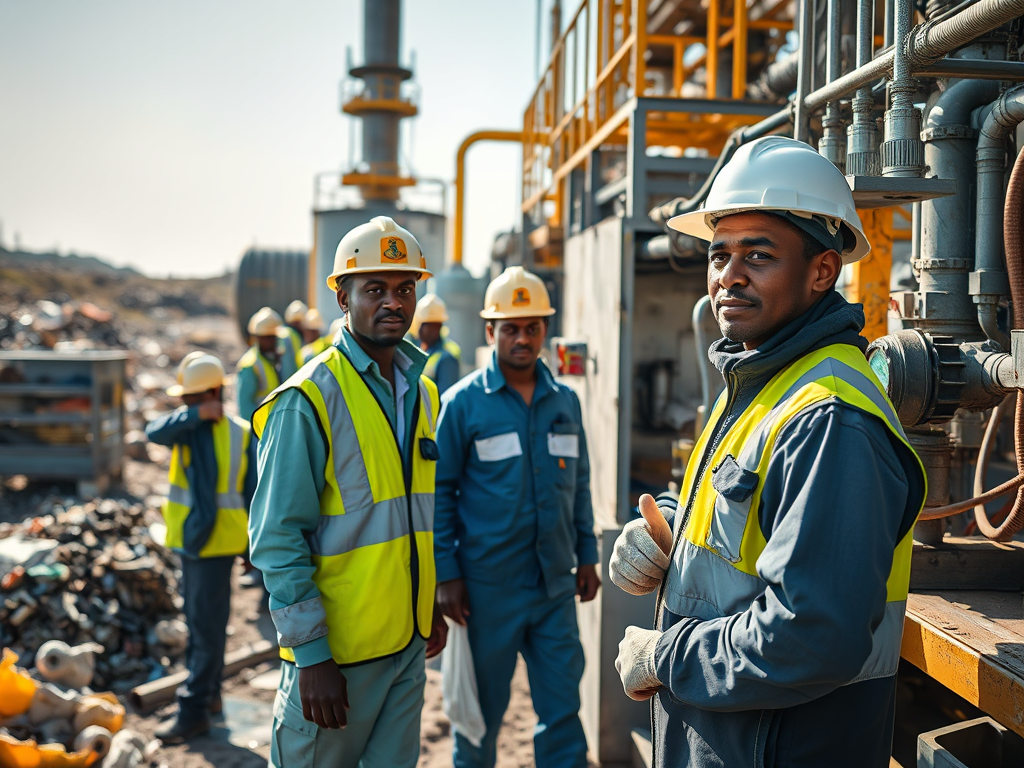
The waste-to-energy project in Addis Ababa (Koshe/Reppie) was built with Chinese involvement. It created about 1,300 jobs for Ethiopian workers along with 286 jobs for expatriates during construction and operation. (Iene)
This included jobs in plant operation and maintenance, facility support jobs and some managerial or technical positions
So, approximately 1,300 local jobsare linked directly to this project. (Iene) If the project can continue adding jobs as it keeps the air clean for the Ethiopians we could say, this is a worthwhile investment. This will be a great way to protect the environment for the next generation.
Broader Chinese Infrastructure Impact
While this specific waste-to-energy initiative is just one project, other Chinese-led investments in Ethiopia also generate large numbers of jobs across sectors like energy, construction, and manufacturing. For example, infrastructure and broader energy projects by Chinese firms have employedhundreds to thousands of locals. (Good Authority) If Ethiopians are trained to build these waste to energy facilities on their own and they can become future employers, there will be many benefits from this project. If the air can be kept cleaner and there can be less landfills destroying the soil.
Summary
1,300 Ethiopian jobswere created by the waste-to-energy facility built with Chinese partners. (Iene) These jobs help reduce pollution while providing income and skills development. Additional Chinese investment across energy and construction also supports local employment. (Good Authority)
It will be good if these jobs are distributed throughout the country so there is no urban over population. If these roles are long-term this could cause the future of Ethiopia to be great, but if they are seasonal people will need to develop new skills so they can easily find employment in many new ways. If similar projects can become models for other countries, we could see decreased poverty. We could say environmental protection truly cause us to see great benefits.
However the most accurate available information about job losses related to Ethiopia’s Reppie waste-to-energy plant are out.
Job Displacement from Reppie’s Operations
While official employment figures for the Reppie plant itself once included operation jobs for workers (e.g., 45 Ethiopians and 30 temporary staff at opening, as well as jobs during construction) (China Daily), independent reports show anegative impact on informal jobs:
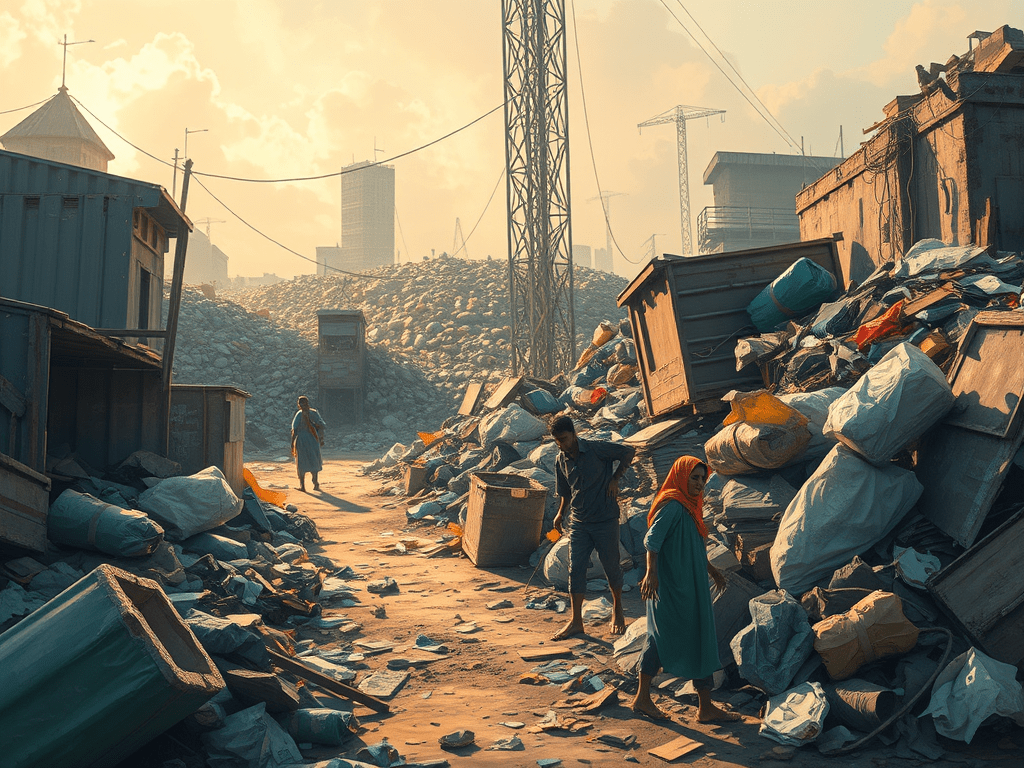
Informal waste pickers: people who earned income collecting recyclables, have seen their livelihoods disrupted. According to a report by the Global Alliance for Incinerator Alternatives (GAIA), informal waste pickers in Addis Ababa experienced a 50% drop in income after the waste-to-energy facility began operating, because recyclables became harder to find and competition for materials increased. (Sustainability MEA)
This decline in income represents aloss of economic opportunity for many individuals who depended on informal waste collection, which is a significant source of livelihood for urban poor communities.
What This Means
Formal jobs createdby the facility (construction and operations) were real but did not match earlier projections of thousands of new jobs for local communities. (Sustainability MEA)
Informal jobs were diminished, especially for people earning money from recovering and selling recyclable materials. This livelihood was undermined by the plant’s operations. (Sustainability MEA)
So while some formal roles were created, the plant is reported to have reduced economic opportunities for informal workers, particularly waste pickers, in the absence of formal inclusion or alternative employment pathways. (Sustainability MEA).
Sustainable job creation can get more attention from the Ethiopian Government and these informal workers can begin earning in new ways. They could assist farmers or develop their own farms, if Government assist them with land acquisition. There can be more agro-processing and the food they produce could be packaged and stored for a rainy day. I believe it will be easier for more people to be ready to find new ways to earn when there is a shift in how things are done.If creativity is encouraged much more in societies.
Conclusion:
Encouraging children to be creative as they learn becomes more important as pollution increases. We also know, life can be unstable at times and they can be trained for a career and suddenly it can disappear. Sustainability will cause us to see increased job creation if we try to stay one step ahead of artificial intelligence (AI) Sustainability for children is becoming more important every day. Air pollution, water pollution, plastic pollution, soil pollution, ocean pollution and noise pollution can be decreased. Children can value the environment more than adults when they are aware of the need for environmental care.
There are so many ways for you to become a part of the team that is building environmental protection awareness around the world in a new and better way. Don’t allow the opportunities to pass you by. We can become the change we need to see and have a world that is pollution free. The old things can become something new more often. Let us get ready to earn in new and better ways too. We can become lifelong learners and develop new skills as time goes by.Parents who become team members get a chance to set good examples for children as they learn about environmental protection as well.
How people perceive waste management strongly affects environmental outcomes. When people see waste management as “someone else’s job,” especially as work that should be done by only for the less fortunate, they often reduce their own environmental responsibility. In this article I will explain why this happens and why it matters.
Psychological distancing — “It’s not my responsibility”
When waste management work is socially framed as: dirty work, low-status work or work for poorer communities. Many people unconsciously think, “someone else will deal with it, so they don’t need to do more than just putting waste in a bin and getting it to the gate.”
This leads to:
Less recycling effort and landfills that are rising too fast More careless disposal Reduced personal accountability.
Waste and Workers becomes Invisible
If society treats waste management workers as separate from the mainstream:
people don’t see the real impact of their consumption
the environmental cost becomes hidden.
This results in more plastic waste to be processed, faster landfill growth and increased pollution of our soil, water and air. When people don’t feel connected to the process, they don’t change behavior.
It weakens environmental education for children
Children learn from the examples set for them by their parents and social attitudes. If they see:
Recycling, repairing, reusing and reducing and waste sorting is “not for everyone” they may grow up believing:
sustainability is optional
environmental responsibility belongs only to certain groups.
This is dangerous for long-term sustainability. It also makes it impossible for us to have a sustainable future. A shift in our way of thinking can lead to the creation of more sustainable jobs and a huge decrease in pollution. Pollution awareness is important and it can cause more recycling to be done.
It also undervalues essential environmental work
Waste pickers and waste workers:
Reduce landfill volume, increase recycling rates and prevent ocean pollution so more people can enjoy relaxing on the beach.
But when society labels the work as low status :
Systems remain underfunded, innovation slows, policies don’t improve. We could have much more new things being made of of the discarded things if those who are not waste workers would separate waste more.
What changes when everyone sees waste as shared responsibility
When people understand waste management, they will see it as acollective environmental mission. We can see a transformation of the waste management plans we are now using. As the recycling programs improve in many ways and more waste separation is done.
We will see:
Better recycling participation, less littering, more support for circular economy solutions, stronger environmental culture and more sustainable job creation.
Connection to Sustainable Development Goals (SDGs)
We can become the change we need to see and this includes a changed mindset, which supports:
Teaching children early: that waste management is a heroic, intelligent, planet-protecting activity as this helps with the removal of the stigma (connected to waste workers), increase participation, build future eco leaders. The games, eco-nursery rhymes and eco music found at funwritings.com help normalize responsibility. Making it possible for us to have the green future we need to see.Let us think about a world that is full of promise. When more of the things we discard are used to create jobs in better ways, economies will thrive. We can see decreased unemployment and pollution. Let us plan to achieve the sustainable development goals.
When progress involves environmental degradation there is need for a new plan. The people who destroy the environment so they can have money and ignore the fact that they are destroying the source of their food and nutrition, cause us to see the pressing need for change. This blatant disregard for the delicate balance of our ecosystems not only threatens our immediate resources but also jeopardizes the livelihoods of future generations. It is crucial to recognize that the air we breathe, the water we drink, and the soil that nurtures our crops are all interconnected.
By prioritizing short-term financial gains over sustainable practices, we are, in essence, undermining our own survival. It is imperative that we advocate for policies and initiatives that promote environmental stewardship, educate ourselves about the impacts of our actions, and work collectively to create a more sustainable world for all inhabitants.
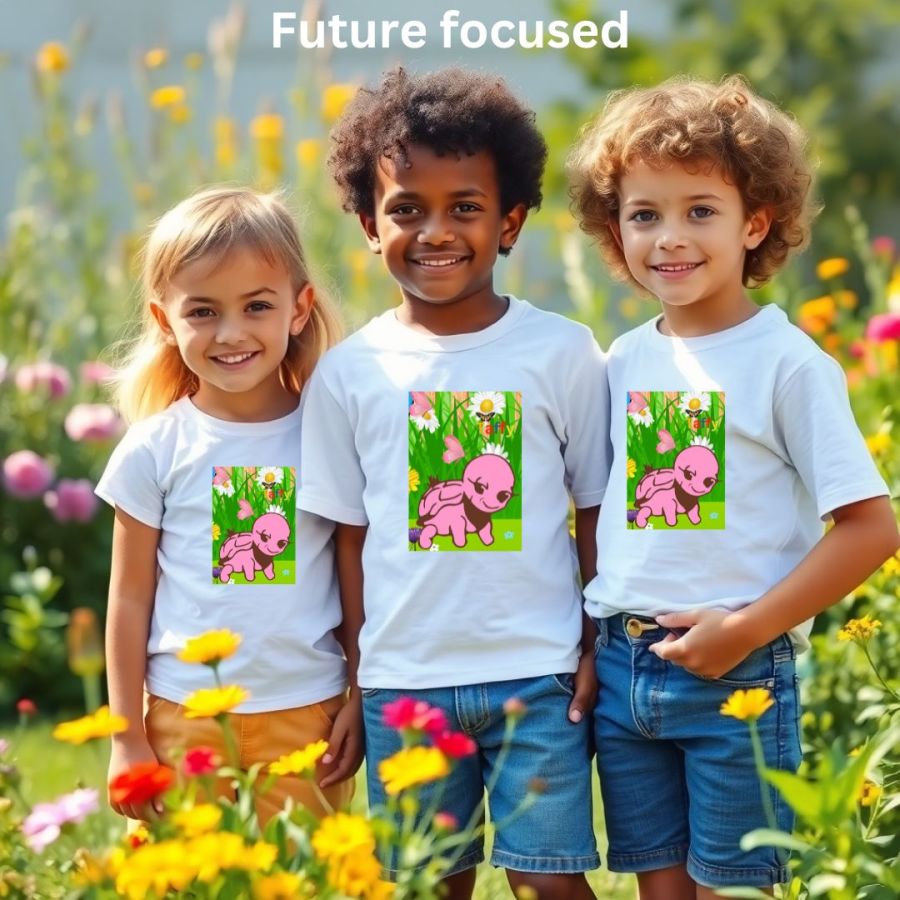
Why A Future Focused Plan for the Youth is Important
Helping the next generation to learn about eco-friendly solutions so they can begin planning to restore their planet becomes more critical every day. The urgency of this mission is amplified by the alarming state of our environment, where every small effort counts in the fight against climate change. Without a significant change in the way people protect the planet, there will be increased poverty, as communities reliant on natural resources face depletion and degradation.
Water is life, and when it is destroyed with oil or other pollutants, we never know if it can be restored, leading to dire consequences for both ecosystems and human health. Teaching our youth about sustainability empowers them to innovate and advocate for practices that preserve our precious resources, ensuring a healthier planet for future generations. By instilling a sense of responsibility and urgency in these young minds, we pave the way for a more sustainable and equitable world.
The Urgent Need for Increased Environmental Education for Children
The need for increased environmental education in schools across the globe becomes more apparent each day, as the consequences of climate change and environmental degradation continue to affect communities and ecosystems worldwide. By integrating comprehensive environmental education into the curriculum, students can develop a deeper understanding of the ecological challenges we face and learn the importance of sustainability and conservation.
This educational foundation will not only empower the next generation to make informed decisions but also inspire them to take action in their local communities to protect our planet for future generations. Addressing this urgent need is crucial for fostering environmental stewardship and ensuring a healthier world.
Eco Education for Families
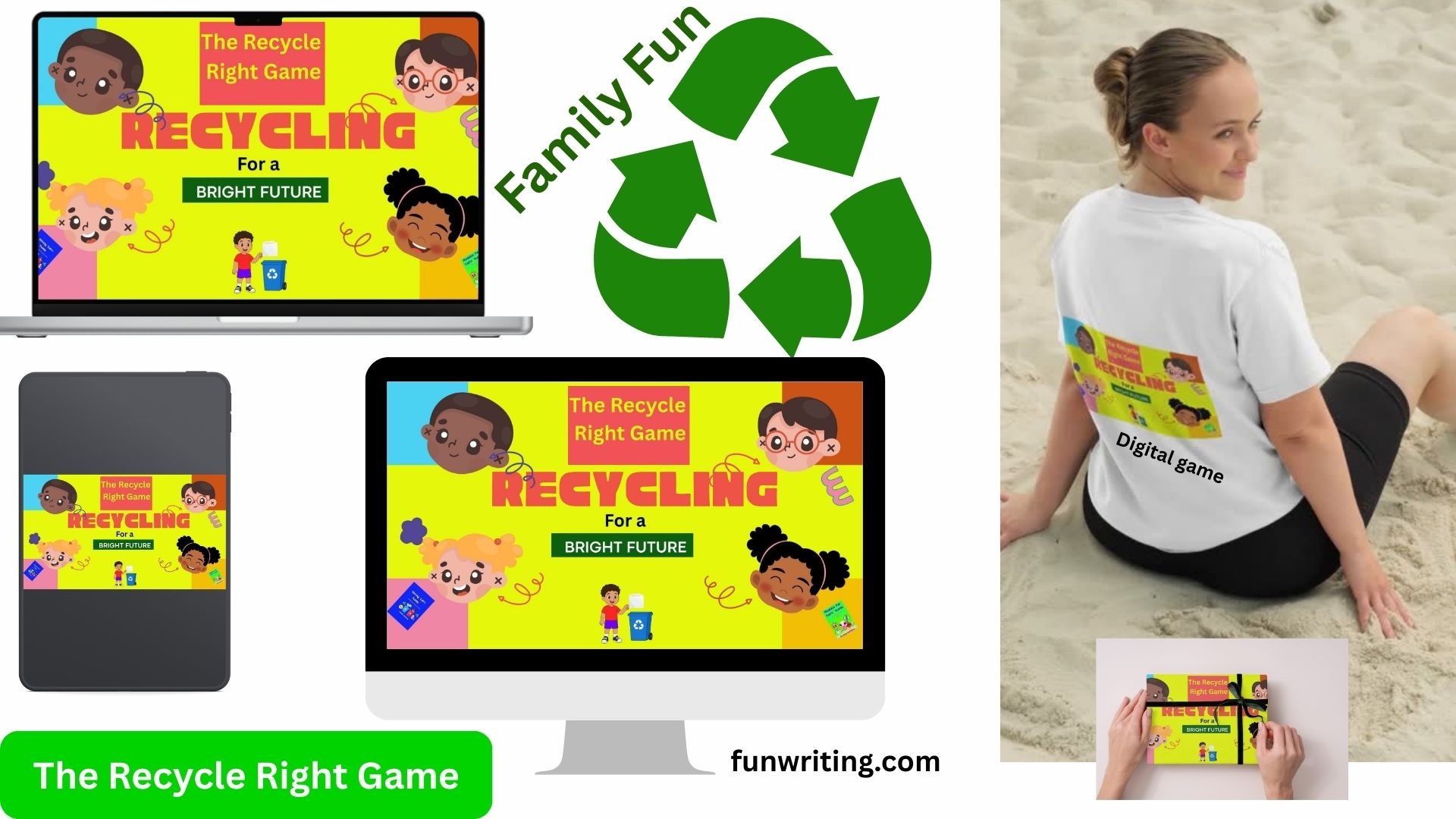
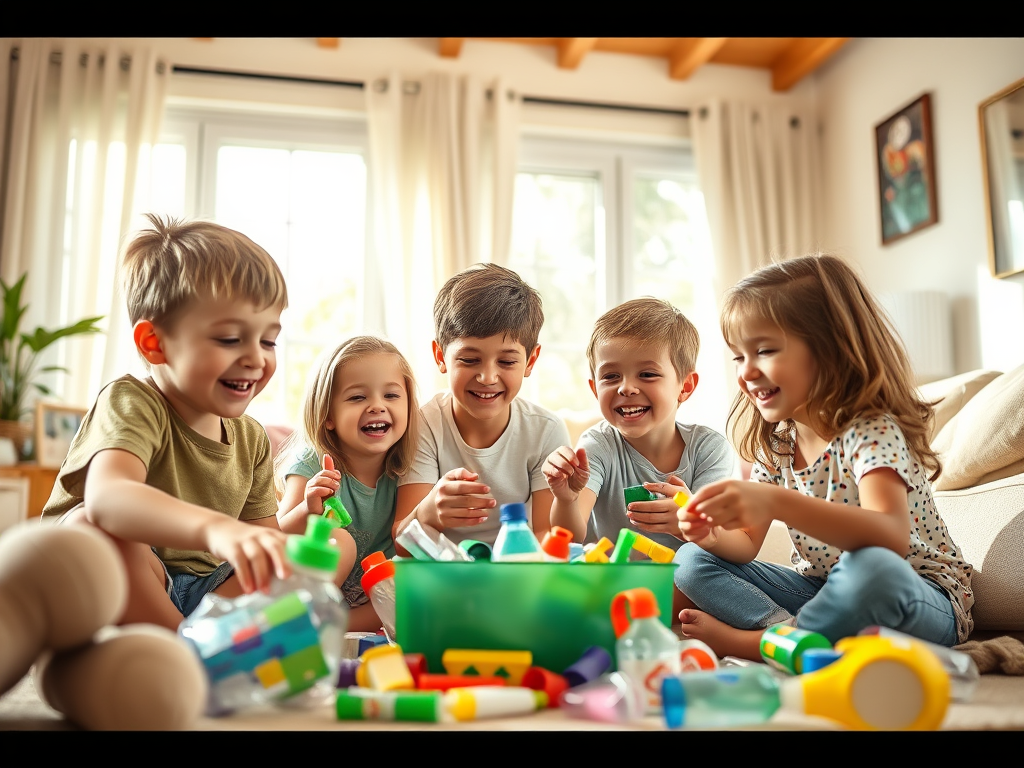
For us to embrace the solutions we can use to decrease pollution and live sustainably environmental education for all family members should be considered. Family fun was connected to Environmental Protection recently. Families can now play together and learn about waste separation. The games is digital and printed, it can be easily played on phones and all the many devices we use each day and it can be downloaded and printed also.
Parents who grew up with no exposure to environmental care and simply developed habits based on what the people who pollute did, can now develop new habits that foster a healthier relationship with the planet. It was easy for them to pass on these entrenched habits to the next generation, perpetuating a cycle that continued the environmental destruction or degradation, ultimately causing issues such as climate change and loss of biodiversity to simply increase as years go by. However, the push for Environmental education for all ages has the potential to drastically alter this trajectory, fostering increased environmental care and responsibility across communities. By integrating interactive workshops, engaging activities, and real-world applications into the learning process, individuals of all ages can gain a profound understanding of ecology and sustainability.
Moreover, playing and learning has changed significantly; today’s educational approaches often incorporate technology and hands-on experiences that resonate with youth and adults alike, promoting a deeper connection to nature. The growth of sustainable businesses can further enable families to diversify and grow their income in innovative ways, providing not only financial stability but also contributing to the broader goal of environmental stewardship. Learning in this progressive and holistic way can cause improvement in many aspects of life, enhancing not just personal well-being but also community resilience and the health of the planet for future generations.
Conclusion
More parents will become interested in becoming green parents when the green kids project is supported and it is so easy to do. You can simply give eco-friendly e books too more kids and share more Youtube videos after you visit the channel. The new eco game for families became a great addition to the Eco kids project. Families can now have more fun while they are learning about waste separation. Environmental protection is no longer a boring topic that no one wants to discuss. Are you ready to get started today? How about telling more people why they should treat the planet in a better way?It is so easy to share songs, books and games with everyone you know, so you can help eco awareness to grow. Click on the buttons below.
Is it good for us to accept that the land is too polluted and we need to do Ocean Farming instead, or should we take more significant steps to protect the land we cherish? As urbanization and industrial activities continue to impact our ecosystems, we must consider whether we can effectively rehabilitate our terrestrial environments or whether the focus should shift towards alternative solutions. Is the Ocean polluted too? The health of our oceans is equally concerning, with issues like plastic waste and chemical runoff creating a crisis beneath the waves. As we try to make our future bright, there are many new solutions out there, including innovative farming practices that utilize marine resources sustainably. Amid these challenging circumstances, do you think Ocean Farming is a viable solution for feeding our growing population and preserving our agricultural practices? Your thoughts on this matter could help shape our understanding of the balance we need to strike between land and sea for a sustainable future. Do you think this one is great?
We all can do more for our planet as we plan for the future and think about the next generation. Decreasing the impact of climate change can lead to decreased pollution, flooding, heatwaves, wildfires, and droughts, creating a healthier and more sustainable environment for all living beings. We should never give up and say our efforts won’t make a difference; every small action contributes to a larger change. There are still people out there who don’t know that their actions are harmful to the planet and they can be informed through education and community engagement. They cut down trees and say they will regrow, but this mindset often leads to refusing to replant, which disrupts entire ecosystems.
Plastic Waste to Micro Plastic
They dump plastic in the sea and claim it will simply disappear, but it becomes micro plastic, infiltrating the marine food chain, ultimately finding its way into the fish we eat and impacting our health. More environmental protection awareness will lead to more green action, and as we spread the message, we empower others to make conscientious choices. The small changes we make can lead to the development of sustainable businesses and promote a circular economy, so we should never underestimate the impact of our efforts. By fostering a culture of sustainability and encouraging innovation, we can inspire future generations to think critically about their habits and make choices that benefit both people and the planet. Together, we can build a more resilient world for ourselves and the generations to come, ensuring that nature thrives alongside human development.
More Eco-Friendly Solutions – Is Ocean Farming the Answer?
What if the micro-plastic problem is affecting the Seaweed even more? What if most people don’t want to eat it? How will we know if it is good for us? It might take some time for us to embrace this new meal.
However, it is good to see individuals trying to solve our problems in creative ways. When more sustainable solutions are found in these ways we will overcome a lot of our current problems. We should do all we can to find these businesses and support them, while we do more to decrease the plastic pollution problem. This is how we will find ways to have the bright future we want to see.
Conclusion:
Support the children who are interested in making their future bright today. They might have a lot more great ideas to keep us healthy as they explore nature and learn. There are many easy ways for you to contribute to their project. Thank you for reading the article, you contributed in a great way and there are books for you and the children, you can order online, you can also watch videos, subscribe, like and share. Eco games for families are being added to the list of things you get when you contribute to the project and building eco awareness in this way is a great thing to do. You can also check on the great fiverr gigs. Are you ready to get started?Help the next generation to be eco smart so they will create sustainable jobs for each other.
If we are seeing increased job loss and we are not doing more to uplift the poor while we can. Do you think we need a better plan?Waste pickers are key environmental workers, and supporting them directly connects to achieving the Sustainable Development Goals (SDGs). Much more should be said about them and more plans should be made for the improvement of their lives.
Waste pickers are making it possible for more recycling jobs to be created and this is a big deal.Below you will find a clear, expanded explanation you can use for talks, policy discussions, and more, it is written in an encouraging, human-centered way.
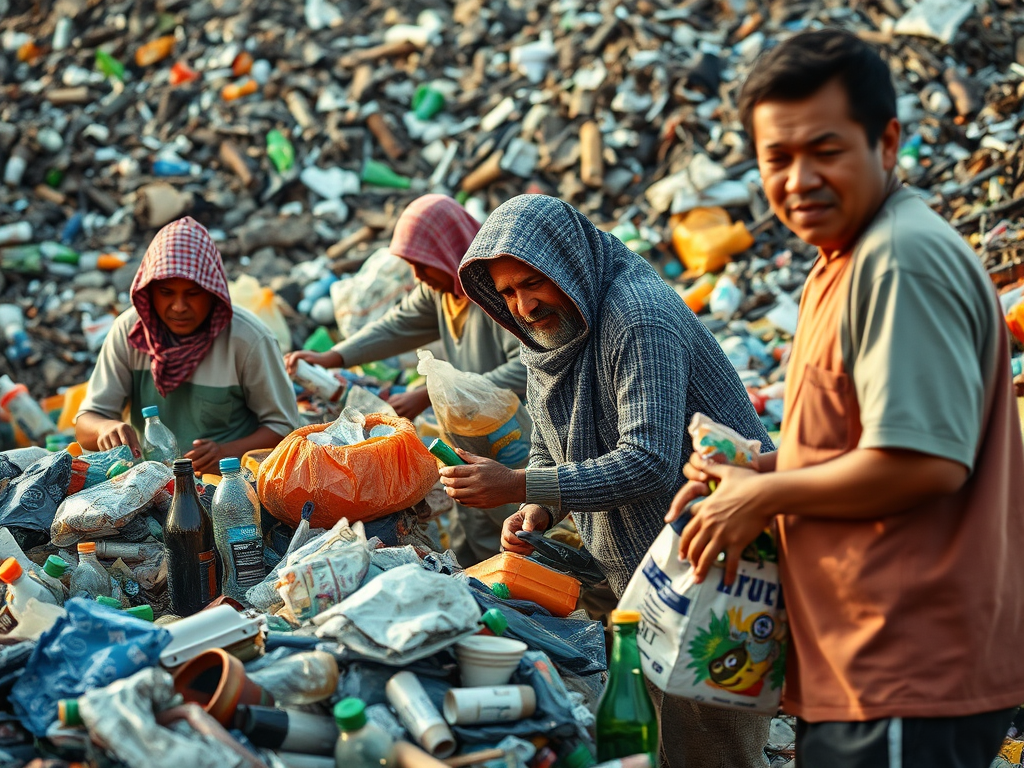
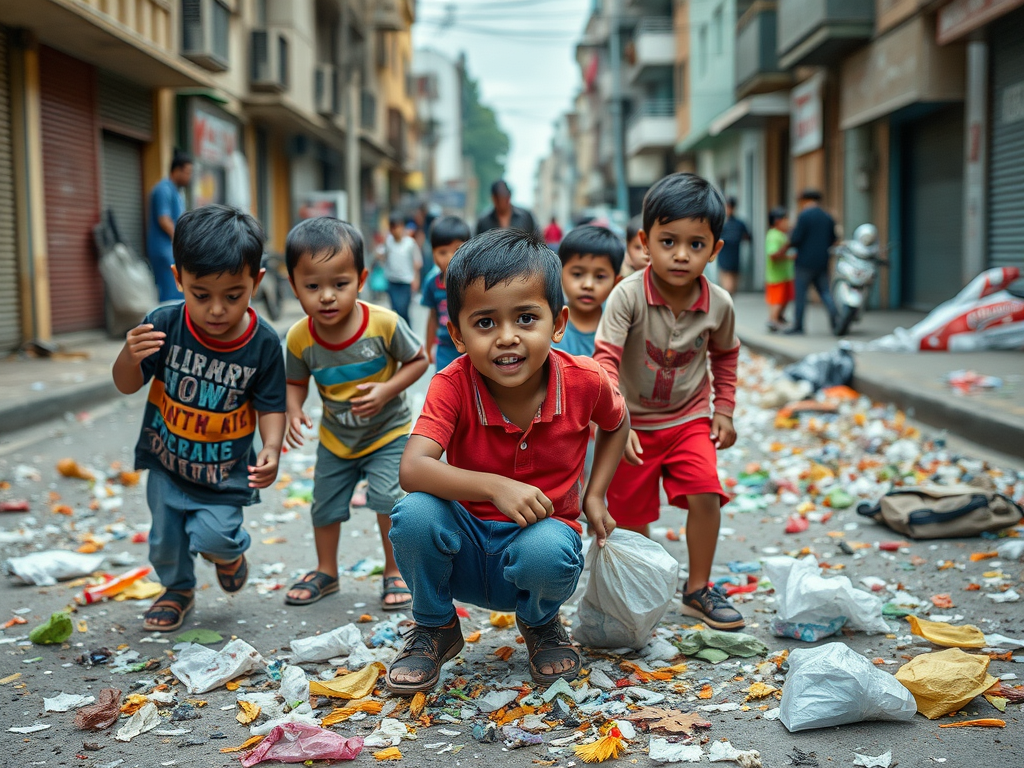
Around the world, millions of waste pickers work in landfills and dumpsites, collecting plastic, glass, metal, and paper to earn a living. They reduce pollution, keep recyclable materials out of oceans, and support the circular economy; often without recognition, fair pay, or safe working conditions.
Yet, with the right support, waste picking can become a pathway out of poverty, not a struggle for survival. This world should do more to lift up the poor.We should be doing more to decrease the number of people who might eventually turn to crime because they need to eat.
How Big Companies Can Make a Real Difference
Pay Fair Prices for Recyclables
Large corporations that use plastic, glass, and packaging can:
This directly improves livelihoods while increasing recycling rates. This would also encourage more people to get involved in collecting waste for recycling because they would buy protective gear with the extra money they earn. Currently some waste pickers get hurt and find it hard to visit Doctors because they don’t earn enough. Some even live at the dump sites in shacks made of old material found there.
Invest in Recycling Centers
When companies invest in:Local recycling hubs, sorting and processing facilities, storage and transport systems waste pickers can earn more per kilogram, work in safer conditions, purchase protective gears and collect recyclables more efficiently.
Support Cooperatives and Training
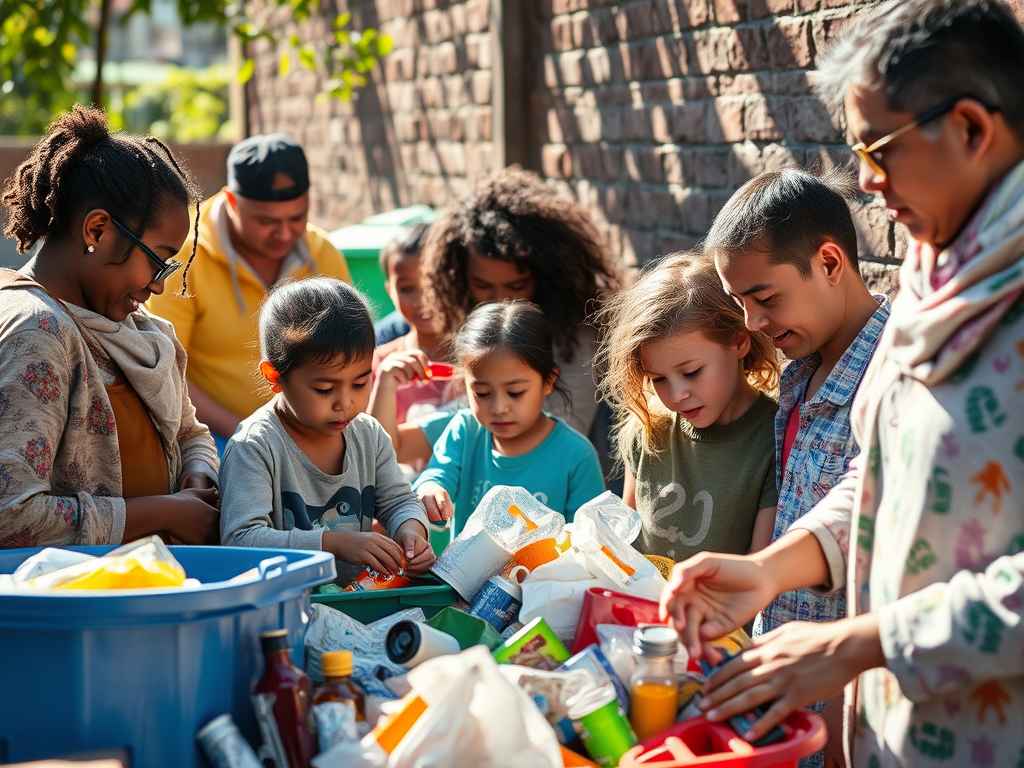
Organizing waste pickers into cooperatives and help them: Negotiate better prices, access protective gear, receive training in sorting, reusing, and upcycling and re-purposing.
This can turns informal work intodignified green jobsfor more people.When new products are made from waste more people can get jobs in new factories. Economies can grow faster when this is done.
Extended Producer Responsibility (EPR)
More of us can start becoming more responsible for the waste we produce. Companies should also take responsibility for the waste they create by:
Funding collection and recycling systems
Supporting waste pickers as official partners
Reducing non-recyclable packaging
This shifts the burden away from the poorest and onto producers where it belongs.With the use of more biodegradable packaging better jobs can be created for the poor.They can be employed in creating instead of just selling waste.
Reuse + Recycling = More Income, Less Pollution
When reusing and recycling increases: Less waste goes to landfills, more materials are recovered to be used to make new products, waste pickers earn more and communities become cleaner.
This isenvironmental protection and social justice working together.
How This Supports the Sustainable Development Goals
Achieving the Sustainable development goals is important for everyone on the planet. Supporting waste pickers directly advances multiple SDGs:
SDG 1 – No Poverty Fair pay and stable income reduce extreme poverty. making plans for waste pickers to earn more for the waste they sell would be a good place to begin lifting them out of poverty.
SDG 8 – Decent Work and Economic Growth Recognizes waste picking as valuable green employment. This will cause an increase in the amount of valuable waste retrieved from the landfills and an increase in recycling.
SDG 10 – Reduced Inequalities Supports marginalized workers often excluded from formal systems. We might see a reduction in criminal activities when waste pickers are seeing increased income. People who would turn to crime might become waste pickers instead.
SDG 11 – Sustainable Cities and Communities Cleaner cities and improved waste management should be improved now that AI is becoming more helpful..
SDG 12 – Responsible Consumption and Production Encourages recycling, reuse, and circular economies.
SDG 13 – Climate Action Reduces emissions from landfills and raw material extraction.
Teaching Children This Story Matters
When children learn that: Waste has value, recycling supports families, everyone plays a role in protecting the planet.
They grow into adults who: Respect environmental workers, support ethical companies and make responsible choices.
This is how future-focused children are raised so they can do more waste separation and get ready to make more new products out of the old ones.We don’t need to keep on increasing pollution.
When we build environmental protection awareness in a better way by giving our simplified eco-friendly solutions in books and songs. More waste separation will be done so more new products can be made from old things. Waste pickers are not a problem for anyone, they arepart of the solution.
When companies contribute more to recycling and the job waste pickers do is uplifted, recycling increases. When recycling increases, waste pickers earn more and more people will want to get involved in collecting waste. This will lead to the creation of more new products, new jobs when new things are made from old one and mining will be decreased. When waste pickers earn more,communities, cities, and the planet benefit.
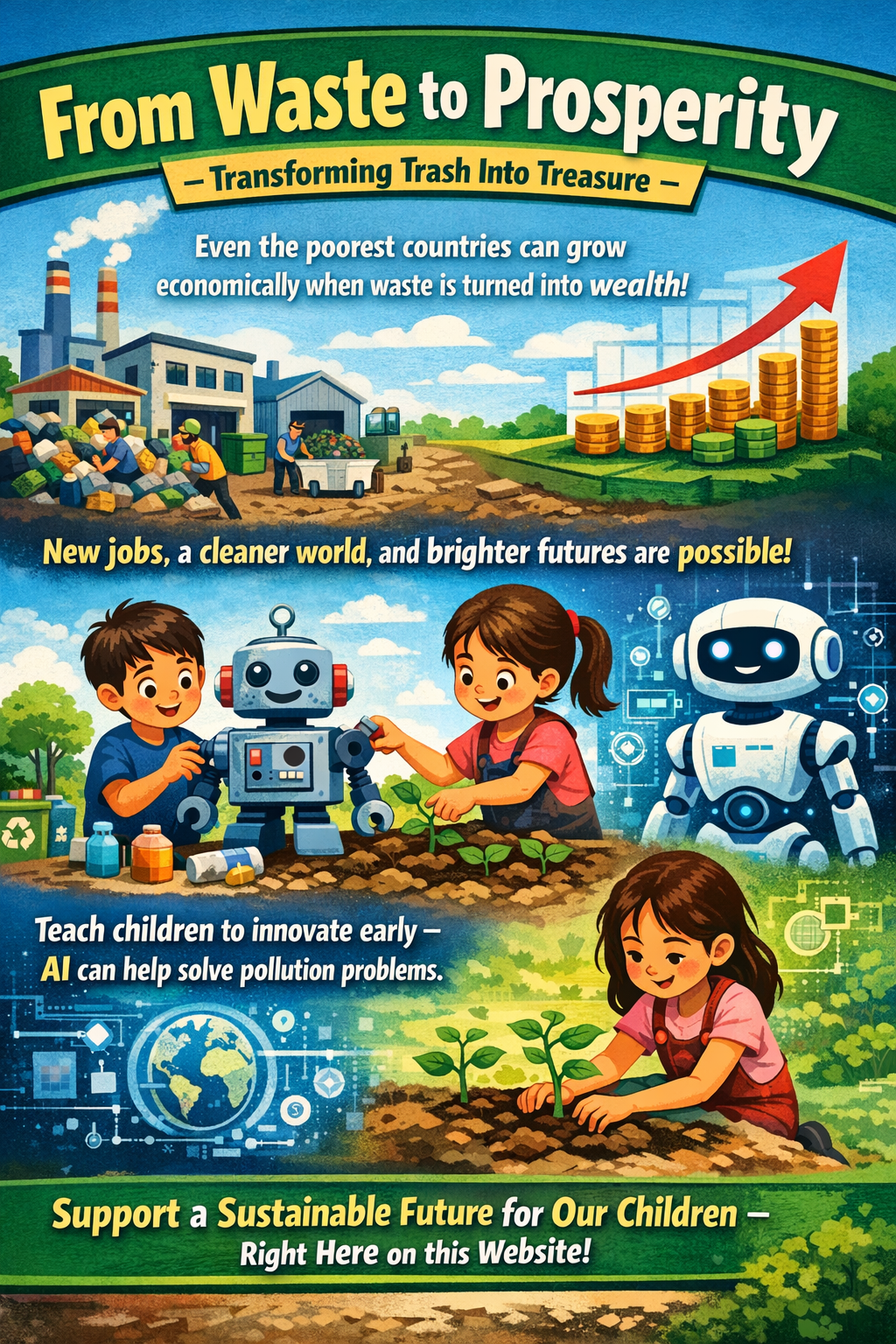
This is sustainability with dignity and it brings us closer to achieving the Sustainable Development Goals.The plan to move from waste to prosperity is a great one and there is a recycling game that will cause families to get on board. Let us make the future bright.
As parents, we all want the same thing: a safe, healthy, and hopeful future for our children. In a world facing rising pollution, climate challenges, and environmental uncertainty, one of the most powerful things we can do is help our childrenplan for a green future.
This doesn’t mean teaching complex science or overwhelming them with fear. It means guiding them toward simple, positive habits that grow into lifelong values.Empowering them with simplified eco-friendly solutions found in games, Eco-kids books and Eco Nursery Rhymes and songs.
Children Turn Eco-Lessons into Lifelong Habits
When children learn about recycling, saving water, caring for animals, and respecting nature at an early age, these actions become second nature. They don’t see them as chores, they see them as normal life.
Small daily habits practiced in childhood often stay with them well into adulthood.We know better waste management is needed in most places around the world and families can play their part to keep the planet beautiful.
Eco-Aware Children Inspire Their Families
Parents are often surprised by how much influence children have. A child who reminds the family to recycle or turn off lights can gently shift household habits. Eco-learning becomes a family activity, not a lecture.
Green Thinking Builds Strong Minds
Planning for a green future encourages children to: Think critically, solve real-world problems, understand cause and effect and feel responsible for their choices.
These skills go far beyond environmental protection; they help children succeed in school and life. By instilling a deep understanding of ecological principles and sustainable practices, we empower the younger generation to make informed decisions that lead to a brighter future. These children will grow up to become innovative green entrepreneurs, who will not only create businesses focused on sustainability but also inspire their peers to embrace eco-friendly solutions. Their decisions will be rooted in environmental awareness, they will be better equipped to tackle global challenges such as climate change and resource depletion, ultimately leading to a more sustainable and prosperous world for everyone.
Children Learn Hope, Not Fear
One of the biggest concerns parents have is whether environmental topics will scare children. When taught through stories, music, and positive action, children don’t feel afraid, they feel empowered.
They learn: “I can help.” “My choices matter.” “The future can be bright.”
Green Education Strengthens Family Bonds
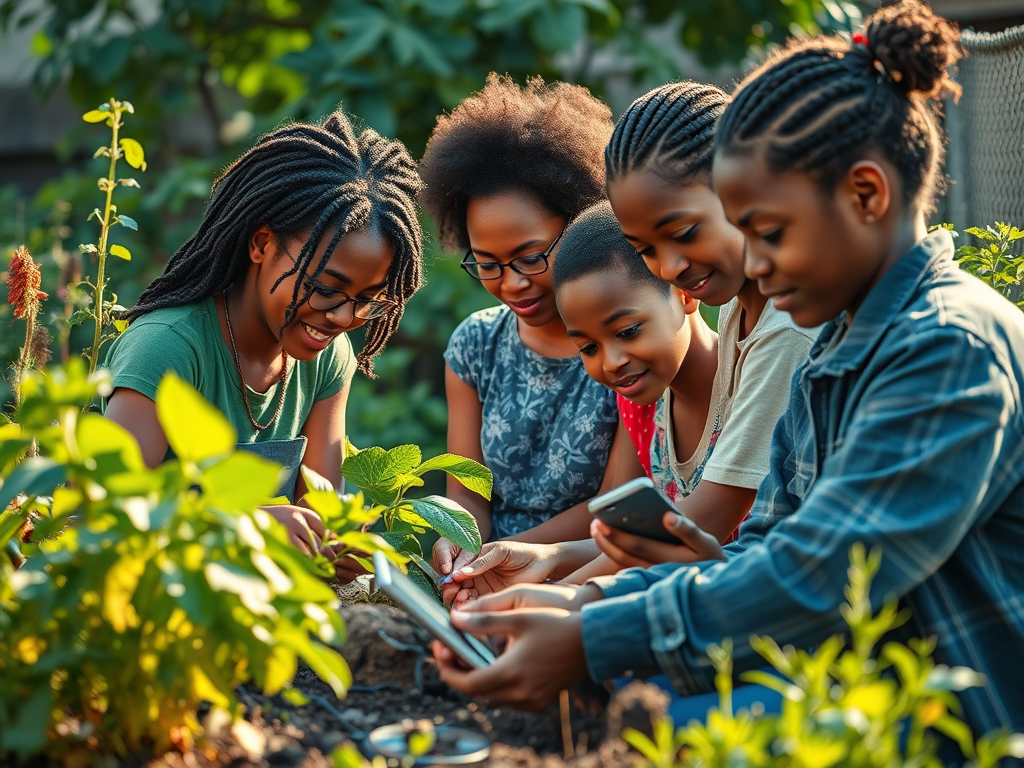
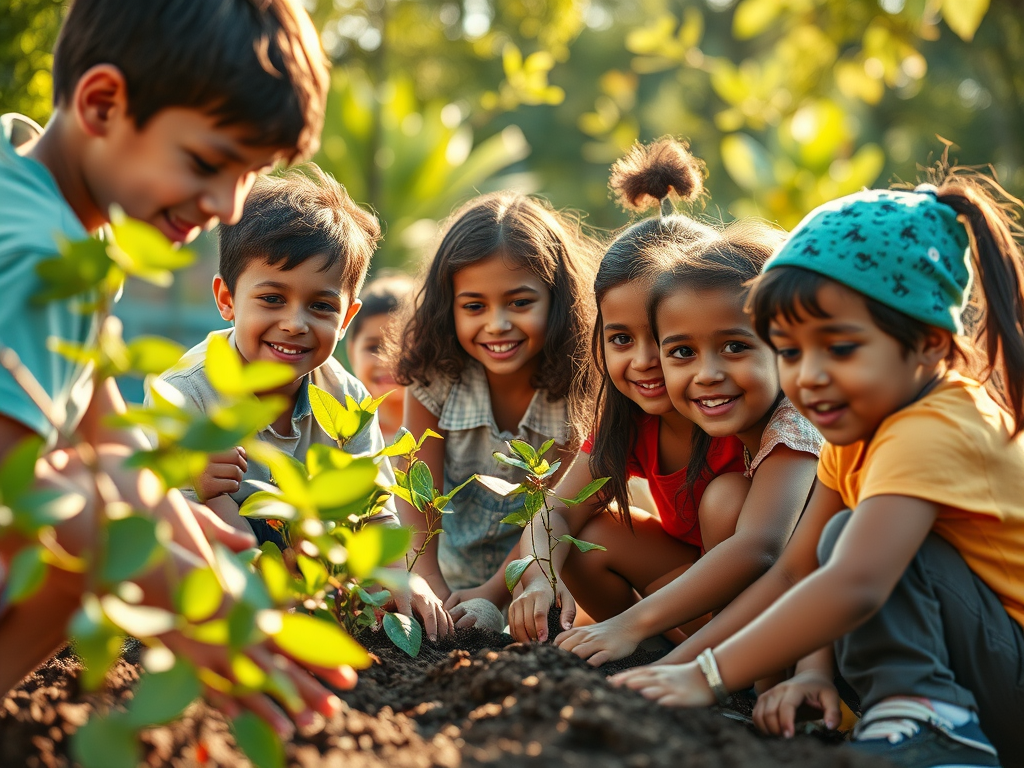
Reading eco-friendly books together, singing eco songs, gardening, or sorting recycling can become meaningful family moments. These shared experiences help children feel supported and connected.
A Cleaner World Starts at Home
When children grow up understanding how their actions affect the planet, communities benefit; as we see:
Less litter
Cleaner water
Healthier environments
More mindful future citizens
Change doesn’t happen overnight, it grows with each generation. There is a fun-filled Recycling Game here every member of the family can enjoy themselves while they plan for a sustainable future.
Parents Don’t Have to Do Everything Perfectly
Raising eco-aware children isn’t about perfection.It’s about progress. Simplified Eco-friendly solutions and tips can be shared with children each day in many ways. They can be accessed on the funwritings website.
Even small steps; reading an eco-kids book, listening to an eco song, talking about nature, make a difference.
Final Thought for Parents
When parents encourage children to plan for a green future, they grow into adults who care, protect, and lead with compassion. By guiding them today, we’re giving them more than knowledge, we’re giving them hope. You can easily support the eco kids project that provides simplified eco-friendly tips and solutionsin fun songs, a game and children’s stories.
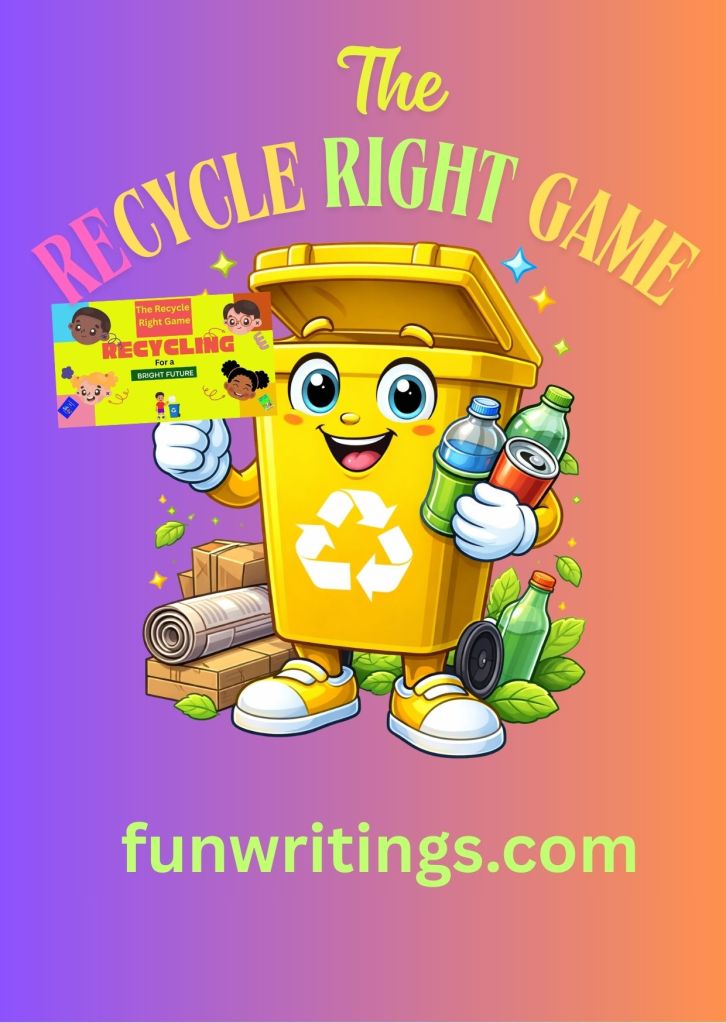
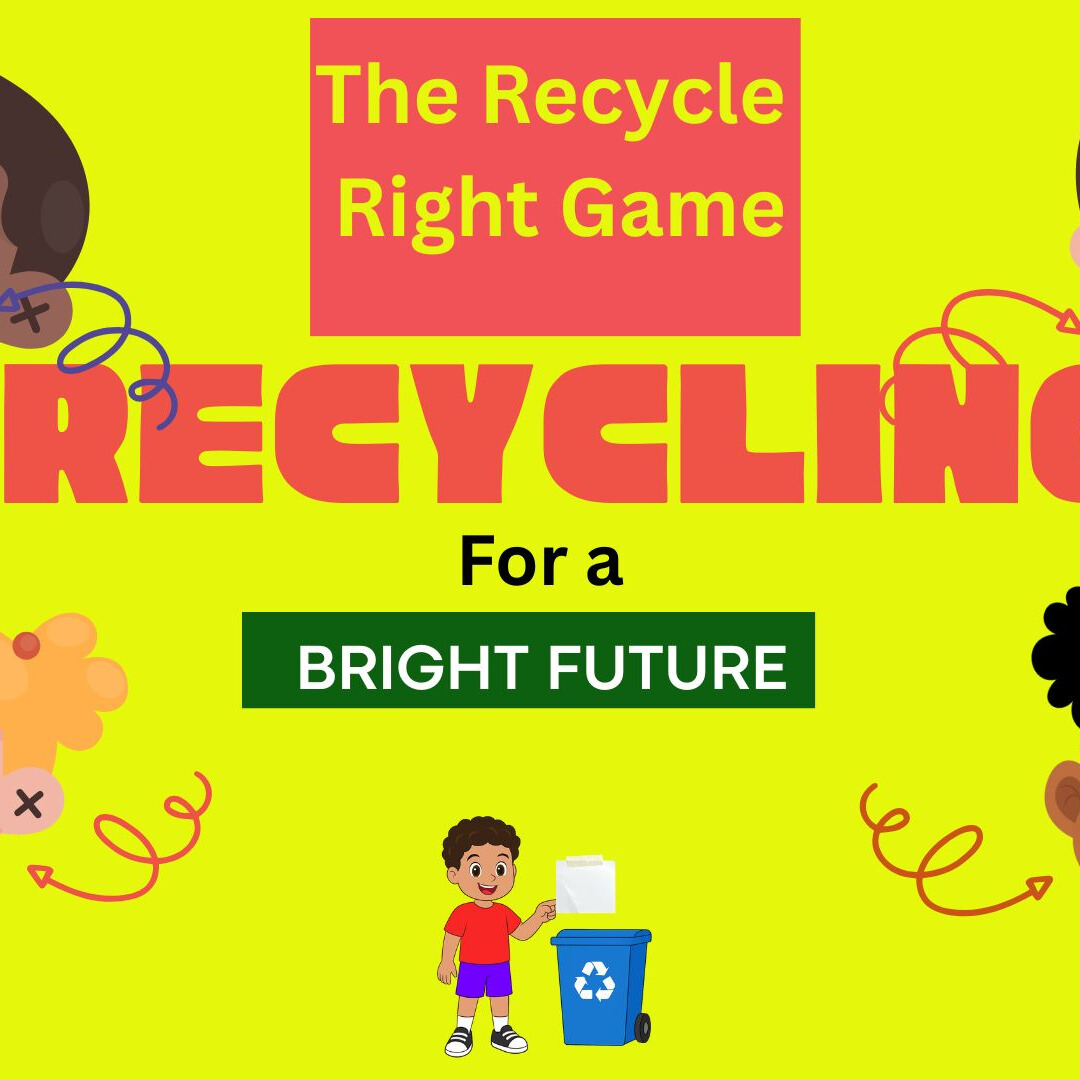
There are several strong, meaningful reasons for having the Recycle Right Game in every home that are important, especially for children and families who are planning for a bright future. We all know how lives can be improved in many ways when the environment is protected. The Recycle Right Game helps families to learn and play together in a new way. The world needs increased recycling and it is time for this plastic pollution solution to be used more. The development of new eco-friendly habits will cause us to become the change we need to see, so begin with an easy to play game today.
It Teaches Children Sustainability Through Play
Children learn best when they are having fun. A recycling game turns environmental education into an enjoyable activity instead of a boring lesson, making it easier for young minds to grasp important concepts related to sustainability and conservation. By actively engaging in this playful approach, children not only learn to identify recyclable materials, but they also develop a sense of responsibility towards the planet. As they compete or collaborate in the game, they discover the impact of their actions on the environment, reinforcing the idea that everyone can contribute to making a difference. This interactive method fosters teamwork and critical thinking, allowing children to retain what they learn while they enjoy themselves, ultimately shaping them into environmentally conscious individuals.
It Builds Lifelong Eco-Friendly Habits Early
When kids practice sorting waste correctly at a young age, recycling becomes a natural habit they carry into adulthood, fostering a sense of responsibility towards the environment. By engaging in this essential activity, children learn the importance of minimizing waste and understanding the impact of their choices on the planet. As they grow, these formative experiences lay the groundwork for a lifelong commitment to sustainable living, encouraging them to make conscious decisions that benefit not only themselves but also future generations. Through education and engagement in recycling programs, they develop critical thinking skills that help them navigate other environmental challenges they may encounter later in life.
It Helps Families Make Green Living Part of Daily Life
The game encourages parents and children to talk about waste, reuse, and pollution together; making sustainability a family value that fosters open communication and collaboration. By engaging in discussions about their everyday choices and the impact of their actions on the environment, families can develop a deeper understanding of the importance of conserving resources and protecting the planet. This shared experience not only strengthens their bond but also empowers children to become mindful stewards of the earth, nurturing a sense of responsibility that can last a lifetime. As they work together to find creative solutions and celebrate their successes, families can transform these conversations into meaningful actions that promote a healthier and more sustainable world for future generations.
It Reduces Household Waste Confusion
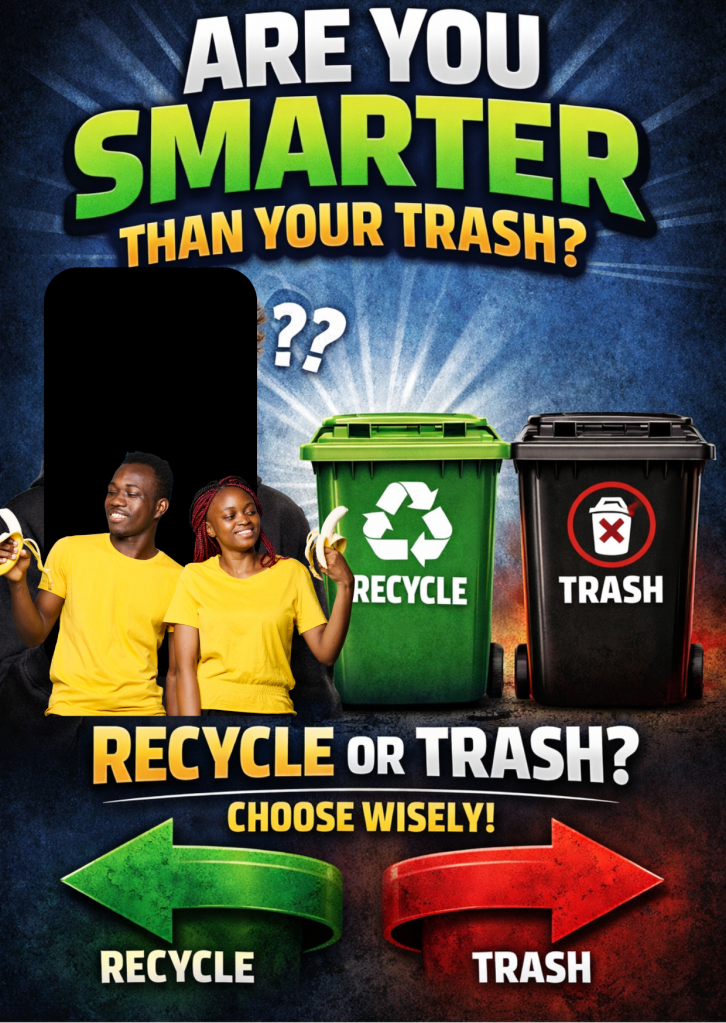
Many people don’t know what belongs in the recycling bin, leading to confusion and frustration during the recycling process. Understanding what materials are acceptable is crucial for effective recycling practices. The game helps families recycle correctly by providing clear guidelines and fun interactive challenges, thus reducing contamination and improving recycling success. By engaging in this educational activity, families not only learn the importance of proper sorting but also instill valuable environmental habits in their children, promoting a cleaner and more sustainable community for future generations.
It Empowers Children to Feel Like Planet Protectors
Kids love feeling like heroes. The game shows them that even small actions, like putting waste in the right bin, can make a big difference in their environment. By engaging in fun challenges and interactive quests, they learn how their contributions, no matter how minor they may seem, can lead to significant positive changes in their communities. As they navigate through various levels, they become more aware of the impacts of pollution and recycling, empowering them to take initiative and inspire their friends and family to join in their mission to protect the planet. This sense of agency not only boosts their self-esteem but also nurtures a lifelong commitment to environmental stewardship.
It Supports Learning at Home and School
The Recycle Right Game is perfect for classrooms, home schoolers, eco-clubs, and family game nights; reinforcing environmental lessons everywhere. It not only serves as an enjoyable way to bond with friends and family, but also educates players about the importance of recycling and sustainable practices. With engaging challenges and thought-provoking questions, participants learn how to make better choices for the planet while having a blast. This game is an essential tool for fostering environmental stewardship in both formal and informal educational settings, making it a valuable addition to any green initiative.
It Encourages Creativity and Problem Solving
Children begin thinking beyond throwing things away. They learn to ask: “Can this be reused? Can it be turned into something new?” As they explore their surroundings, they start to recognize the potential in everyday items that might otherwise be discarded. They engage in creative activities where imagination meets sustainability, transforming old boxes into imaginative castles or using glass jars to create vibrant terrariums. This newfound mindset encourages them to be resourceful, developing a sense of responsibility towards the environment while fostering innovative thinking. Through these experiences, they realize that every object holds a story, and with a little creativity, it can find a new purpose in their lives.
It Prepares Children for the Future
With rising plastic pollution, e-waste, and climate challenges, children need practical tools and awareness to grow into responsible, future-ready adults. It is crucial that we equip them with the knowledge and skills necessary to understand the impact of their choices on the environment. By integrating sustainability education into their daily lives, we can foster a generation that not only recognizes the urgency of these issues but is also motivated to take action. Engaging in hands-on projects, such as recycling programs and conservation efforts, will empower children to develop innovative solutions that address local and global challenges. Additionally, encouraging critical thinking about consumer habits and the lifecycle of products will help them become mindful citizens, capable of advocating for a healthier planet while navigating an increasingly complex world.
It Creates Conversations That Matter
The game opens discussions about protecting oceans, reducing pollution, and caring for communities; helping children understand global responsibility in simple ways. Family fun now has new meaning.
It Makes Sustainability Fun and Memorable
When learning is joyful, children remember it more effectively, as the experience is not only educational but also emotionally fulfilling. A game creates positive emotional connections with eco-friendly behavior, allowing children to engage in fun and interactive activities that teach them about sustainability. By incorporating challenges, rewards, and teamwork into these games, children are motivated to participate actively, thus reinforcing their understanding of the importance of caring for the environment and making eco-friendly choices in their daily lives.
The Recycle Right Game an Educational Tool
Having the Recycle Right Game in every home means raising children who don’t just learn about recycling, they grow up living it. This engaging and educational tool encourages kids to understand the importance of sustainable practices from an early age, promoting habits that will stick with them for a lifetime. By integrating fun and interactive features, the game not only captures their attention but also instills a sense of responsibility towards the environment. As they play, children develop critical thinking skills related to waste management and learn how their choices can positively impact their communities. Ultimately, incorporating the Recycle Right Game into family activities fosters a generation of environmentally conscious individuals who prioritize recycling and sustainability in their daily lives.
For Parents & Homes
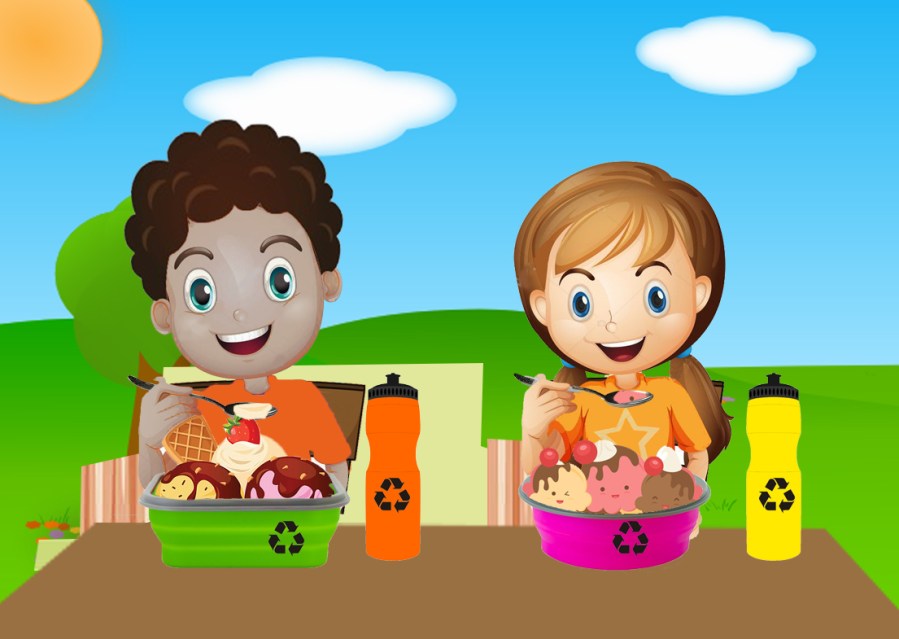
Recycle Right Gameis a fun and educational way for children to learn how to protect the planet through play! Kids will enjoy sorting waste into the correct bins, discovering what can be reused, recycled, or composted, and becoming real-life eco heroes at home.
Perfect for family game nights, this game helps children build lifelong green habits while having fun.
🌍 Play today. Recycle right. Save tomorrow.
For Classroom – Teachers
Recycle Right Gameis an interactive classroom tool that teaches students the basics of recycling, waste reduction, and environmental responsibility in a simple, engaging way.
Through hands-on play, children learn to correctly sort common items, understand the importance of reducing pollution, and develop sustainability awareness aligned with eco-education goals.
Ideal for:
Science and environmental lessons
Eco clubs and green school activities
Group learning and teamwork
Earth Day and sustainability units
This game turns recycling into a memorable learning experience — helping students become confident, future-focused planet protectors.
When we decide to create a sustainable future for our Communities and care for others gets more attention. Eventually the greedy will care about the needy, and we will not have situations like the one described in the video below, where individuals are left to fend for themselves, labeled as scavengers, when a much better system could be arranged to support and uplift the vulnerable. Imagine a society where compassion prevailed over greed, where resources were shared more equitably, and the plight of the less fortunate was met with understanding and action, transforming despair into hope, enriching both those who give and those who receive.
If environmental protection awareness became a fundamental component of the educational system, we could design a much better framework that not only fosters an understanding of sustainability but also empowers students with the skills necessary to contribute effectively to their communities. Such an initiative would equip the next generation with the knowledge needed to innovate in green technologies and sustainable practices, thereby creating decent job opportunities for the poor while simultaneously promoting a cleaner and healthier environment.
How Environmental Studies Integration Helps
By integrating environmental studies into the core curriculum, we would encourage a culture of stewardship and responsibility towards our planet, which is essential for creating resilient communities that thrive economically and socially. This holistic approach could ultimately lead to a more sustainable future where economic growth and environmental preservation go hand in hand.
New Waste Management Systems
The change in recycling that happened since Artificial Intelligence is being used, gives us hope for a more sustainable future. With the integration of advanced algorithms and data analytics, we can hope there will be more significant improvements in the way waste is managed in the near future. AI technologies are enhancing the efficiency of sorting materials, reducing contamination, and optimizing recycling processes, making it easier for communities to participate in sustainable practices.
As these innovations continue to evolve, they empower us to envision a world where waste is minimized, resources are utilized more effectively, and the environment is preserved for future generations. This progress not only reflects our commitment to addressing the challenges of waste management but also fosters a greater collective responsibility towards nurturing our planet.
Why Environmental Education for Children is More Important Now
We could continue seeing increased job loss as the use of AI increases, and it is important for new sustainable job creation strategies to be developed. The landscape of employment is rapidly shifting, necessitating a proactive approach to equip individuals with the skills needed for the future job market. Children who are empowered with simplified environmental solutions today will grow up with great plans on their minds, fostering a generation of forward-thinkers who understand the significance of sustainability.
These young minds will be ready to use new innovative plans to protect the environment and live sustainably, driving change in their communities and advocating for practices that prioritize ecological balance. As they embrace technology and creativity, their initiatives will pave the way for a greener, more sustainable future, ensuring that economic growth does not come at the expense of our planet.
Is AI sustainable? The added resources needed to keep Artificial Intelligence going is making me wonder if it will be around for much longer. It is easy to look at the new technology and its potential and forget that sustainability is important. With some people being left in so much discomfort, it might only be a matter of time before no one wants to have data centers anywhere anymore. The earth might not have enough water and energy to keep AI going for much longer. Water is needed to produce our food and so much more and making money with AI might not be as important to us after a while. Am I right?
Will AI Lead to Sustainable Innovation or Deeper Inequality?
Artificial Intelligence is changing the world faster than ever before. It has the power to unlock incredible innovation, but only if we guide it wisely. The real question is not whether AI will replace jobs, but whether we are preparing people for a sustainable future alongside this technology. If we don’t help children to live sustainably and manage this new technology well; it could cause us to have added problems in the future.
AI can support green innovation, from improving renewable energy systems and reducing waste to creating smarter farming methods and cleaner cities. Used responsibly, it can help design eco-friendly products, track pollution, and create new jobs focused on sustainability, education, and environmental protection. We hope it will cause us to see poverty reduction but if it uses the water we need to grow more crops, we will be in trouble.
However, without a new vision for sustainable living, AI could also increase job loss, inequality, and poverty. When technology moves faster than education and social planning, many people especially children and vulnerable communities are left behind. This is why teaching eco-friendly skills, practical solutions, and environmental awareness from an early age is more important than ever.
Conclusion
A new approach to sustainability is needed, one that combines: Technology with responsibility so we don’t destroy the things we need while the rich increase their wealth. Innovation with inclusion will lead to a balanced way of using technology to improve lives all over the planet, not just in a few places. Progress with care for the planet will cause our future to be bright, while increased pollution and natural resource depletion leads to too many problems.
By empowering children and families with simple, practical eco-friendly solutions, we help prepare the next generation not just to survive in an AI-driven world, but to lead it wisely. Sustainability is no longer optional, it is the foundation for future jobs, healthier communities, and a more balanced world.
If we teach children today how to care for the Earth, adapt, and think creatively, tomorrow’s technology can become a tool for hope, opportunity, and shared prosperity, not fear.
Children learn best through repetition and rhythm. When eco-friendly ideas like recycling, tree planting, water conservation, and anti-pollution habitsare woven into catchy songs, they become second nature.Green activities become a new way to have fun and children can become more interested in going green.
A simple rhyme like “A New Eco-kids Rhyme” helps kids understand the long-term benefits of taking care of the Earth, without them even realizing they’re learning how to decrease pollution!
Singing turns environmental awareness into fun, helping children connect emotionally with the planet they live on. They will be developing new eco-friendly habits each day. Making it easy for them to plan for a brighter day.
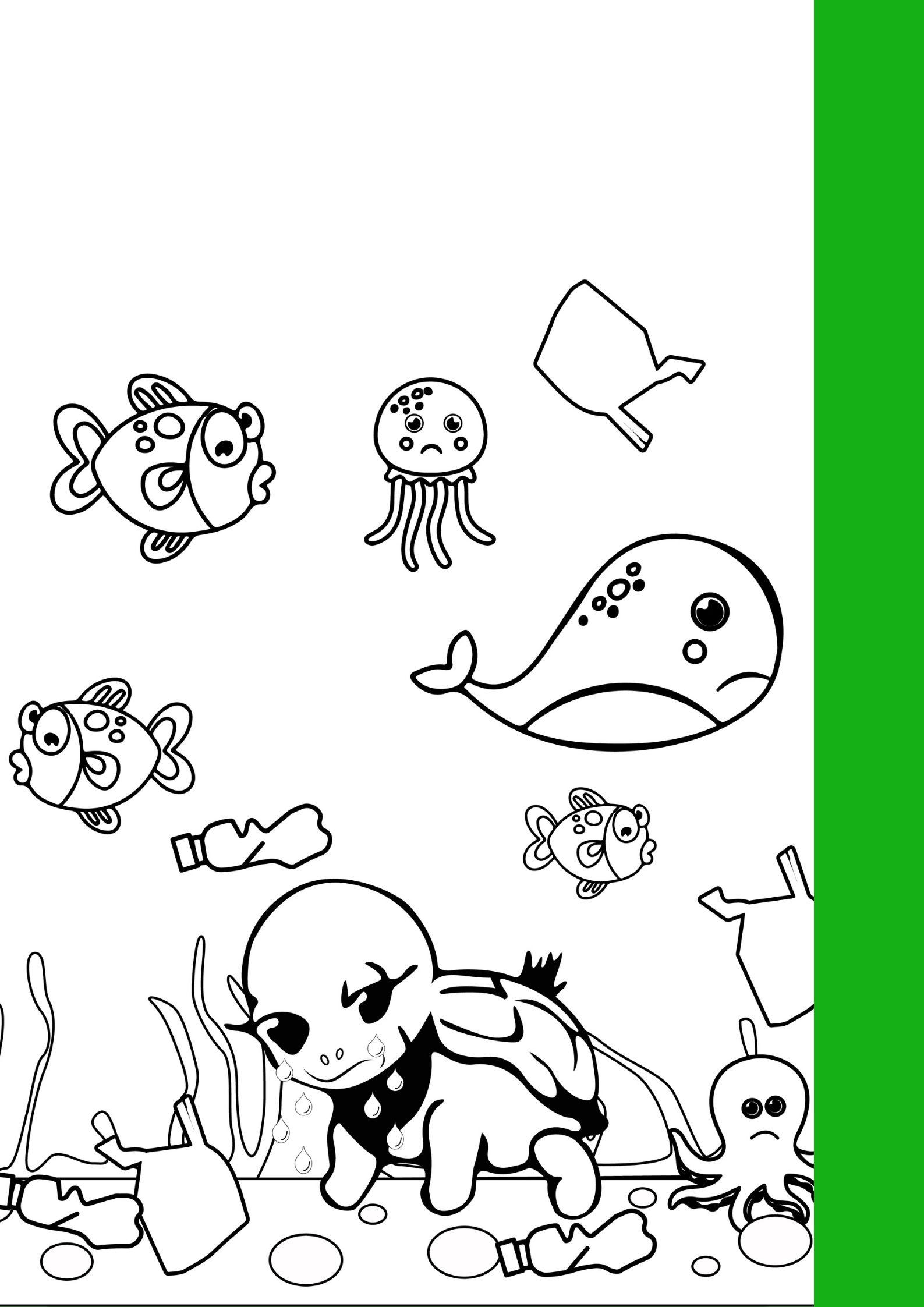
A Cute Baby Turtle to Build Emotional Connection with Nature
Eco songs help children see the world as something magical and alive, full of trees that breathe, rivers that keep creatures alive, and animals that need our care.
When children sing about nature, they develop empathy for the environment. They begin to understand that pollution, waste, and climate change don’t just affect distant places; they impact the world they see every day.
Eco-Kids Books: Nurturing Future Guardians of the PlanetThis emotional connection becomes the foundation for lifelong environmental responsibility.They will become the future business managers and employers and they will always choose to protect the environment even when profits are not that high.
Encourages Positive Eco Habits at an Early Age
Songs about turning off lights, saving water, recycling bottles, and planting seeds teach children practical steps to care for the Earth.
For example: “Turn it off, turn it down, save energy in our town!”will be on the channel soon.
Children remember what they sing and when they sing about caring for the Earth, they start practicing it naturally at home and school. These habits become part of their daily routine, shaping eco-smart behavior early on.
Promotes Teamwork and Community Spirit
When kids sing eco-friendly songs together, it strengthens their sense of teamwork and shared purpose. Classroom performances, family sing-alongs, or school eco-events help children see thateveryone plays a part in protecting the planet.
Music unites them through joy — not guilt or fear. It creates hope, positivity, and collective action for a better world.
Inspires Creativity and Environmental Storytelling
Eco songs and rhymes open the door to creative expression. Children can write their own lyrics, make up new verses, or even choreograph dances about caring for the planet.
This creativity deepens understanding — and helps children express what they learn in their own unique way. By creating songs about the Earth, they becomestorytellers for sustainability.
How You Can Encourage Eco Singing
Parents, teachers, and community leaders can make eco-music part of everyday learning: Introduce fun eco-themed nursery rhymes during circle time or family playtime Watch and sing along with Eco-Kids YouTube songs that promote sustainability Encourage children to write their own eco-songs or jingles Support creative projects like the Eco-Kids Book Project, which combines storytelling, art, and music for a greener world. Having another generation that is not doing enough to achieve the sustainable development goals will ruin the Planet.
Final Thoughts
Eco-friendly songs and nursery rhymes do more than entertain; they shape young minds and heartsto love, respect, and care for the Earth. It takes a long time for us to forget those nursery rhymes we learned when we were in Grade 1. That means Eco Nursery Rhymes will be remembered by children for a very long time and they will think about environmental protection for a very long time.They will want to make great plans for the Earth.
When children sing about trees, water, recycling, and kindness to nature, they grow into adults who live by those values.They can easily become the change they need to see as they restore damaged eco systems and decrease pollution.
Let’s keep the music alive and raise a generation that sings for sustainability, harmony, and hope.It will be easy for them to build environmental protection awareness with song. They can easily share them with friends and loved ones on their cell phones or tablets.
eco songs for kids, eco-friendly nursery rhymes, sustainability education for children, music and environmental awareness, kids singing about nature, eco-friendly learning activities, green education for families, eco kids music















 FunWritings
