The Hidden Cost of Bauxite Mining and How We can Fix it

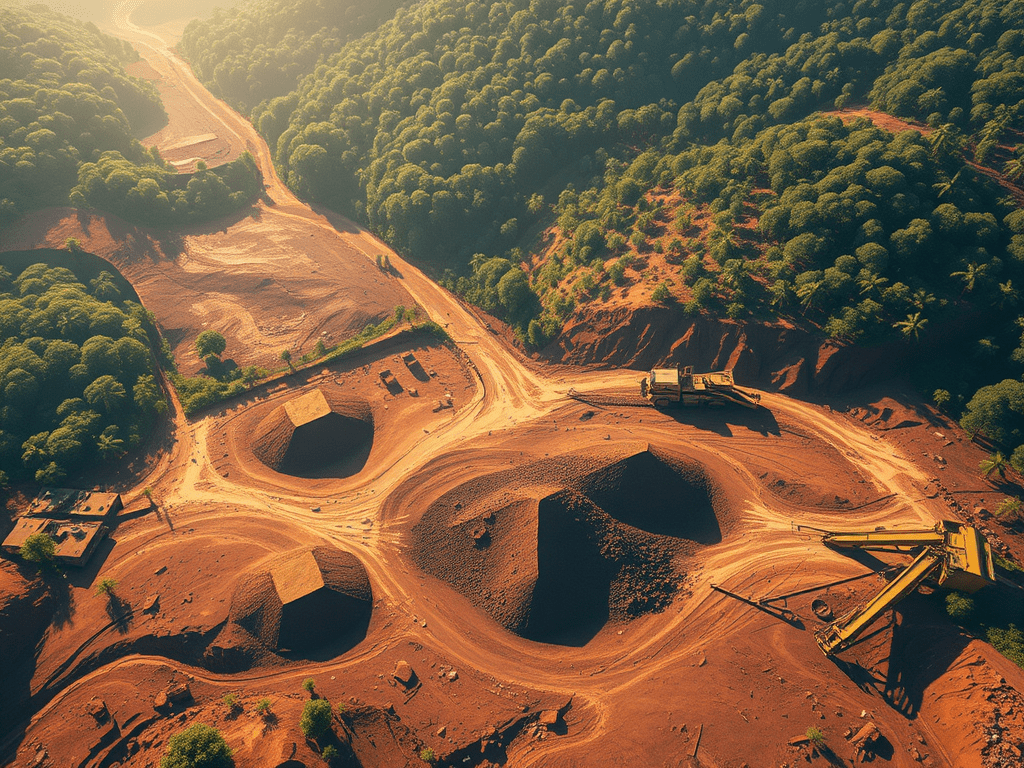
People complain about bauxite mining in countries where mines are close to their homes. They have dust particles settling on their furniture. The dust from the bauxite mining gets into the air and cause health problems. Eventually, the many doctor visits cost more than they can afford, even if they are working at these Bauxite Mining Companies. There are other serious environmental issues we should mention as well. Bauxite mining, while essential for producing aluminum, can have serious negative impacts on both human health and the environment. Here’s why:


🌍 Environmental Impacts of Bauxite Mining
  1. Deforestation & Habitat Loss
    • Large areas of forest are cleared to access bauxite deposits, destroying habitats for countless species and reducing biodiversity.
    • Soil erosion and loss of fertile topsoil often follow deforestation.

When more people are aware of these problems they will understand the importance of recycling. More new products might be made from the old ones. The growth of sustainable jobs can cause economic growth if more attention was given to this issue.

  1. Water Pollution
    • Mining generates toxic red mud, a by-product that can contaminate nearby rivers and groundwater if not managed properly.
    • Runoff from mining sites can carry heavy metals and sediment into waterways, harming aquatic life.
  2. Air Pollution
    • Dust and emissions from mining machinery and processing plants contribute to air quality degradation.
    • Airborne particles can settle on vegetation, affecting nearby crops and ecosystems.
  3. Landscape Degradation
    • Open-pit mining drastically alters the landscape, leaving scars that are difficult and expensive to rehabilitate.
    • The land may become unsuitable for agriculture or human settlement afterward.

bauxite dust and the illness it causes
🚨 Health Impacts of Bauxite Mining
  1. Respiratory Problems
    • Workers and nearby communities may inhale fine dust particles, leading to asthma, bronchitis, and other lung conditions.
  2. Exposure to Toxic Substances
    • Mining can release aluminum particles, heavy metals, and other toxins into the air, soil, and water, increasing the risk of cancer, organ damage, and neurological disorders.
  3. Waterborne Illnesses
    • Contaminated water sources can spread diseases or cause long-term health issues if consumed or used for farming.
  4. Noise Pollution
    • Continuous mining operations can lead to hearing damage and disturb sleep patterns and mental well-being for nearby residents.

Sustainable Alternatives & Solutions

Rehabilitation: Replanting forests and restoring mined land can reduce long-term environmental damage.

Safer Practices: Enforcing stricter regulations and using cleaner technology can lower pollution.

Recycling Aluminum: Reduces the need for new bauxite mining, saving energy and minimizing environmental impact.

More Recycling – A Solution:

There are significant global efforts to increase the recycling of aluminum products, driven by the urgent need to reduce environmental damage from bauxite mining and to conserve energy. Here are some key initiatives and facts:


♻️ Why Aluminum Recycling Matters
  • Recycling aluminum saves up to 95% of the energy needed to produce new aluminum from bauxite.
  • It also reduces greenhouse gas emissions and avoids generating toxic by-products like red mud.
  • Aluminum is infinitely recyclable—it can be recycled over and over without losing quality.

🌍 Global Recycling Efforts

🇪🇺 Europe

  • The EU mandates high recycling targets for packaging waste, including aluminum cans and foil.
  • Many countries have deposit return schemes to encourage can recycling.

🇺🇸 United States

  • Organizations like The Aluminum Association and Can Manufacturers Institute are pushing for increased aluminum recycling rates.
  • Some states offer cash refunds for returned cans, increasing public participation.

🇯🇵 Japan

  • Has one of the highest aluminum can recycling rates in the world—over 90%.
  • Well-established systems for sorting and collecting recyclables.

🏭 Corporate & Industrial Initiatives

  • Coca-Cola, PepsiCo, and other beverage companies are investing in closed-loop recycling to recover all aluminum cans they produce.
  • Aluminum producers like Novelis and Hydro are building large-scale recycling plants to process used aluminum back into new products.

🧠 Education & Innovation

  • Schools and NGOs can promote eco-education programs to teach kids and communities the value of recycling aluminum.
  • Innovation in reverse vending machines, smart recycling bins, and AI sorting systems is making recycling more efficient.

🚀 What You Can Do

Our children can be told about the destructive plans made in the past and what we can do to change them now.

  • Recycle all aluminum cans, foil, and trays.
  • Support brands that use recycled aluminum.
  • Encourage local schools and eco-clubs to start aluminum collection drives.

Conclusion:

Now we know how important recycling of aluminium products have become. We can encourage more people to collect old things made from aluminium and find a recycling center to take them to. We all wouldn’t want bauxite mining to destroy our health. Let us think about the health of the people who are affected by the mining of bauxite. Supporting the eco-kids book shop online is another great thing to do. Children can make a plan to live in a sustainable way. Simply click on the buttons below and place orders for the books that are filled with eco-friendly tips and solutions.

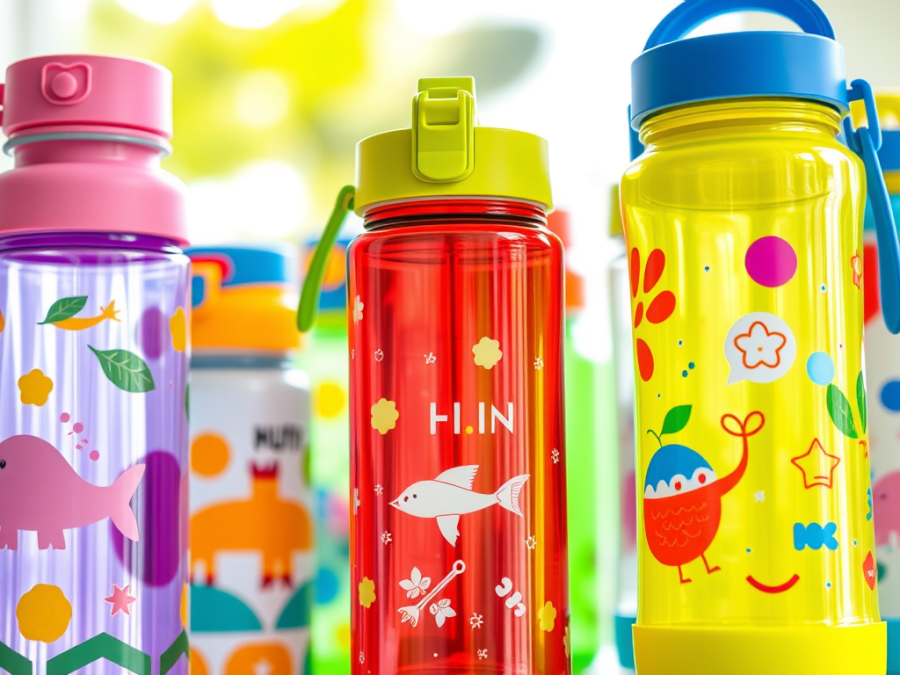
Encourage children to use more reusable bottles and containers as they plan to have a sustainable future.

Parents are also teaching children to save money when they give them reusable containers. They will be spending less on single-use- plastic over time.

[This article contains some affiliate links. If you purchase products through these links, we may earn a commission at no additional cost to you.]

………………………………………………………………………………………………………………………………………………………..

Did you know that mining bauxite for aluminum can poison water, destroy forests, and harm communities?
💡 But there’s a brighter path — recycling aluminum uses 95% less energy and protects our planet!

  1. Learn how bauxite mining harms health and the environment — and explore powerful solutions like aluminum recycling and eco-friendly alternatives.
  2. Discover the dark side of bauxite mining and how sustainable practices and recycling can reduce pollution, deforestation, and health risks.
  3. Bauxite mining creates toxic red mud and pollutes water. See how we can fight back with education, recycling, and green innovation.
  4. Explore the impact of bauxite mining on forests, communities, and climate — and the solutions that start with you.
  5. Find out why bauxite mining is dangerous and how aluminum recycling can protect our planet’s future.

Primary Keywords (High Search Intent & Relevance)

  • How bauxite mining affects local communities
  • Top countries affected by bauxite mining
  • What is red mud from aluminum mining
  • How schools can teach about bauxite mining
  • Creative ways to promote aluminum recycling
  • How to reduce bauxite mining damage

“Why Sea Creatures Need Our Help” – real facts and more for kids

Without a deep appreciation for the planet and how we can benefit from protecting it, the sea creatures will continue suffering in silence. The industrialized fishing practices relentlessly strip the oceans of their inhabitants, devastating the already fragile ecosystems and destroying the corals and the sea floor in the process. This destruction has far-reaching consequences, as there will be nowhere for young fish to stay until they are strong enough to survive, leaving them vulnerable to predation and environmental stresses. As the delicate balance of marine life is disrupted, entire species face the threat of extinction, and the future of our oceans hangs in the balance. It is essential that we recognize our responsibility to safeguard these vital habitats and take action to ensure that future generations can experience the rich biodiversity of underwater life.

🐢 Meet Our Ocean Friends

Our oceans are homes to amazing creatures like sea turtles, dolphins, whales, seahorses, and colorful fish. But these incredible animals are facing big problems, and they need our help!

🗑️ The Plastic Pollution Problem

What’s Happening:

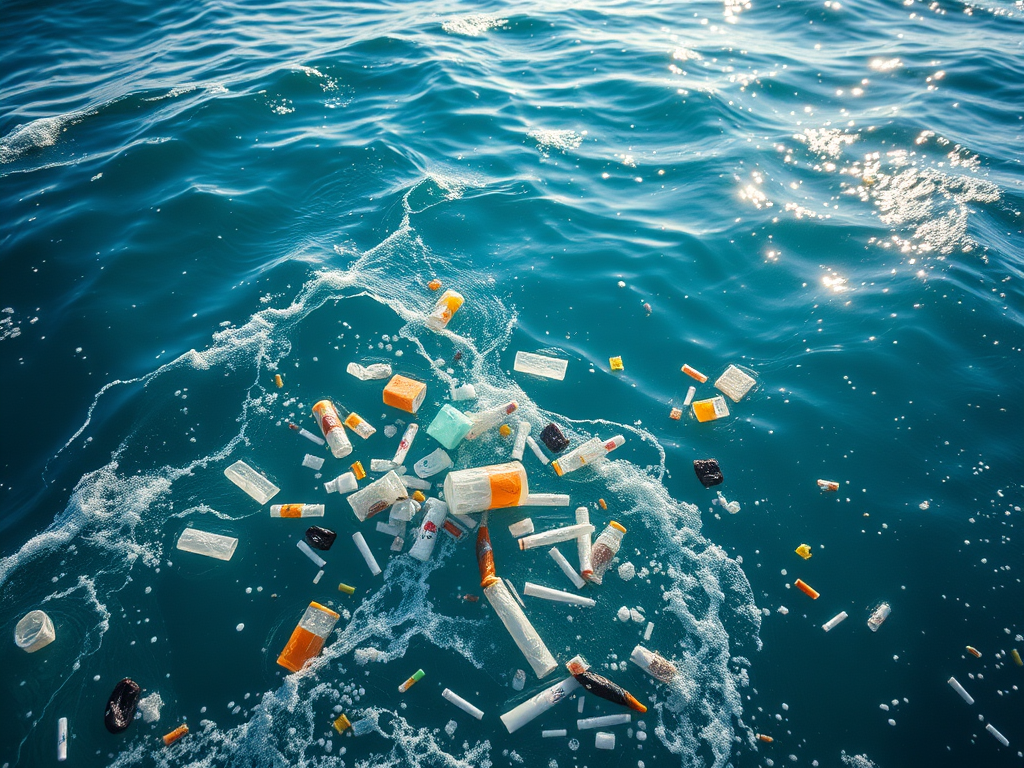
  • Every minute, a garbage truck full of plastic gets dumped into our oceans
  • There are over 5 trillion pieces of plastic floating in the ocean right now
  • Some areas of ocean have 6 times more plastic than sea life
plastic in the ocean

How It Hurts Sea Animals:

  • Sea Turtles mistake plastic bags for jellyfish (their favorite food) and eat them
  • Seabirds feed plastic pieces to their babies thinking it’s fish
  • Whales and Dolphins can get tangled in plastic fishing nets
  • Fish eat tiny plastic pieces that make them sick
  • Seahorses grab onto plastic instead of seaweed to rest

🌊 Other Ocean Problems

Pollution: Oil spills, chemicals, and trash make the water dirty and unsafe for sea creatures.

Warming Waters: Climate change is making oceans warmer, which forces sea animals to move to new places to find food.

Overfishing: People are catching fish faster than they can have babies and grow up.

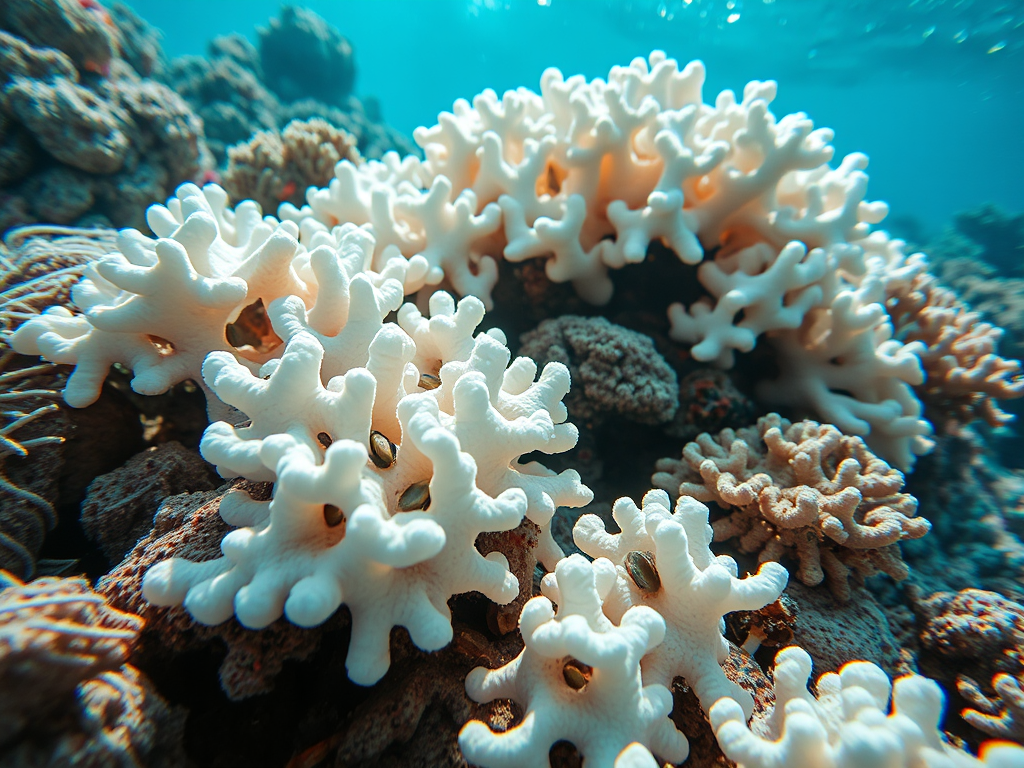
Coral Bleaching: Beautiful coral reefs (home to 25% of all ocean fish) are dying because of pollution and warm water.

coral bleaching is destructive
💡 How Kids Can Help Save Sea Creatures
At Home:
  • Use reusable water bottles instead of plastic ones
  • Say no to plastic straws and use paper or metal ones
  • Bring reusable bags when shopping with your family
  • Turn off lights and electronics to help fight climate change
  • Never flush trash down the toilet

At School:

  • Start a “No Plastic Week” challenge with your class
  • Create posters about ocean protection
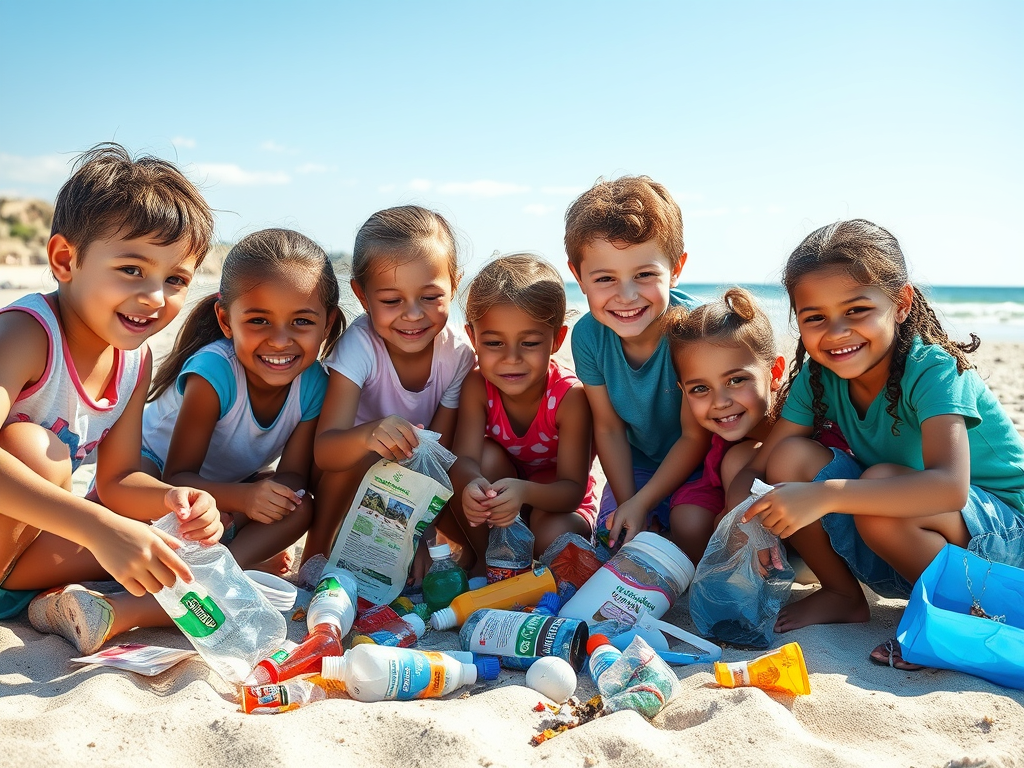
  • Organize beach or park cleanups with your school
  • Choose lunch items with less plastic packaging
In Your Community:
  • Pick up trash when you see it, especially near water
  • Join local beach cleanups with your family
  • Visit aquariums and marine centers to learn more
  • Support restaurants that don’t use plastic straws

Spread the Word:

  • Tell your friends and family what you’ve learned
  • Share ocean facts on social media (with parent permission)
  • Write letters to local leaders about protecting oceans
  • Create art projects about sea creatures
  • Support the Eco-Kids Book Project in many ways by watching and sharing the eco-kids song videos and others, purchasing the eco-kids book project on Amazon and Bookfusion. Place orders on the fiverr website to get great writing services online.
Writing services offered for the Eco-kids book project
🌟 Amazing Success Stories

Kids Are Already Making a Difference:

  • A 9-year-old invented a device that collects ocean plastic
  • Students have convinced their schools to ban plastic straws
  • Kids have organized cleanups that removed thousands of pounds of trash
  • Young activists have helped create new laws protecting sea turtles
Taffy Turtle
🐠 Fun Ocean Facts to Remember
  • One sea turtle can live over 100 years
  • A blue whale’s heart is as big as a small car
  • Seahorses are the only animals where dads have the babies
  • Dolphins call each other by name with special whistles
  • Some fish can change colors like a rainbow
children picking up plastic
💙 Every Action Counts

Remember: You don’t have to be a grown-up to help sea creatures! Every plastic bottle you don’t use, every piece of trash you pick up, and every person you teach makes a real difference.

Our ocean friends like sea turtles, dolphins, and colorful fish are counting on us. Together, we can keep their underwater world safe, clean, and beautiful for many years to come!


Conclusion:

When you help the ocean, you help create a world where sea creatures can swim, play, and live happily in their underwater homes. We will also have food security when the seafood fishermen catch in the ocean is healthy. With improved eco awareness we can have the sustainable future we desire. Click on the links below and support the eco project in any way you can.

Meet Taffy Turtle: Her Ocean Adventure and More

A pink baby turtle character is excellent for teaching kids about plastic pollution solutions, as it provides a visually appealing and memorable figure that captures their attention. Turtles are directly impacted by ocean plastic, as they often mistake plastic bags for jellyfish and can get entangled in debris, leading to serious health risks and fatal outcomes.

This connection not only helps children understand the dangers plastic poses to marine life but also fosters empathy and encourages them to take action. By relating to a charming character, kids are more likely to engage in conversations about environmental protection and actively participate in beach clean-ups, recycling efforts, and learning alternative solutions to reduce plastic use. By utilizing storytelling and relatable characters like the pink baby turtle, we can inspire a new generation to be advocates for the ocean and its inhabitants.

children in classroom
Emotional Appeal:

A baby turtle character naturally evokes protective instincts in children. Kids want to help cute, vulnerable animals, making them more receptive to learning about environmental protection. By observing the struggles and adventures of a baby turtle, children can develop empathy and understanding for all wildlife. This connection encourages them not only to advocate for the baby turtle’s safety but also to engage in broader conversations about habitat preservation and the importance of caring for our planet.

Educational initiatives can use this character to illustrate the impact of pollution on marine life, thereby fostering a sense of responsibility in young hearts and minds. As children become invested in the turtle’s journey, they may feel motivated to participate in conservation efforts, such as beach clean-ups or advocacy for laws that protect endangered species.

Girl and taffy  turtle
Visual Impact:

The pink coloring makes the character distinctive and memorable, while still maintaining the turtle’s connection to marine life. Bright colors capture children’s attention and make educational materials more engaging.

Age-Appropriate Messenger:

A young turtle character can speak to kids on their level, making complex environmental concepts more accessible and less overwhelming than adult-focused messaging.

Storytelling Potential:

Turtle characters can go on underwater adventures, showing kids firsthand how plastic affects ocean ecosystems while demonstrating practical solutions like recycling and reducing single-use plastics.

Taffy is part of a specific environmental educational program and Eco-Kids Book series, the character incorporates these elements to make plastic pollution education both engaging and actionable for young audiences.

Taffy Turtle

………………….

Introductory Taffy Turtle Story:

Taffy Turtle is the pink baby sea turtle hatchling who burst out of the sand just as the moon painted a silver path across the dark ocean. Her flippers, no bigger than bottle caps, worked frantically as she scrambled toward the glowing waves. At life’s beginning she follows an ancient instinct older than memory.

The first wave that caught her was a shock—cool and powerful, lifting her small body and tumbling her in the surf. But soon she found her rhythm, her little flippers cutting through the water with surprising grace. The ocean that had seemed so vast from the beach now felt like home.

parents reading with children

As dawn approached, she encountered her first wonder: a jellyfish drifting like a translucent umbrella. She gave it a wide berth, somehow knowing to be cautious. A school of silver fish swirled around her like living confetti, their scales catching the early morning light.

Hours passed as she rode the currents, guided by magnetic forces she couldn’t understand but trusted completely. A curious seahorse peered at her from behind a strand of floating seaweed, and she glimpsed the shadow of a massive whale in the blue distance—a gentle giant that paid her no mind.

When hunger struck, she discovered her first meal: a small jellyfish she could safely nibble. The ocean provided, just as it had for countless generations of her kind before her. There are endless possibilities in the ocean for baby Turtles. They will enjoy the tumbling surf, the vast ocean and the living ocean community.

Pink Turtles

As the sun climbed higher, the little turtle dove deeper, following the pull of the open sea. She was beginning the greatest journey of her life—one that would take her thousands of miles through ocean currents, past coral reefs and underwater mountains, until one day, decades later, she might return to this very beach to lay eggs of her own.

For now, though, she was simply a tiny adventurer in an endless blue world, carried forward by currents and courage. Protecting baby Turtles by assisting with recycling, reusing and reducing plastic can be the goal of every child. The green future is possible. After hatching emergence and the moonlit scramble baby Turtles can enjoy life when plastic pollution disappears.

Conclusion:

When we capture the essence of that ocean adventure for the children, they will not only gain a better understanding of the importance of life for other creatures but also develop a profound appreciation for the intricate ecosystems that thrive beneath the waves. By observing the diverse species in their natural habitats and recognizing the delicate balance that sustains them, children will begin to grasp how their everyday actions can have far-reaching impacts on marine life. Furthermore, this immersive experience will inspire them to reflect on their own behaviors, encouraging them to make necessary changes in the things they do, such as reducing plastic waste and conserving water, ultimately fostering a sense of responsibility and stewardship toward the environment.

Click below to visit the Eco-Kids Book Shop and watch the eco-friendly videos.

Build eco awareness in a great new way

Journey & Movement: Hatchling emergence, Moonlit scramble, Current-riding, Magnetic navigation, Instinctual migration

Ocean Environment: Silver-path moonbeams, Tumbling surf, Translucent depths, Floating seaweed forests, Endless blue expanse

Marine Encounters: Jellyfish umbrella, Silver fish confetti, Curious seahorse, Gentle whale shadow, Living ocean community

Survival & Growth: Ancient instinct, Cautious wisdom, First meal discovery, Ocean providence , Generational cycle

Emotional Themes: Tiny courage , Vast wonder , pull Life’s beginning , Endless possibility

Waste to Wealth Projects Can Transform Nations

When we empower children with eco-friendly solutions we are putting them on a path that leads to increased creativity and progress. Planning for the future in the best way is the greatest thing we can do. It is amazing how a new way of doing things can cause us to see increased job creation and decreased poverty. Do you think we should encourage more people to look around for more material they can use to make new products?

Wouldn’t it be good to see more waste to wealth projects growing in more places? This is an excellent way to create sustainable jobs and decrease both pollution and unemployment. Economies can begin growing in new ways when there are more waste to wealth projects. When more people are involved in new projects like this one, there might be less crime and poverty. Empowering families with environmental solutions as we plan for the green future can happen. Let develop our bright green future vision and get more done.

Waste to Wealth Projects

Transforming waste materials into valuable products, is all about creating economic opportunities while addressing environmental issues. It might take some time for waste to become wealth, but the benefits are huge. Here are various project ideas and examples, categorized by material type and potential impact:


♻️ General Waste to Wealth Project Ideas
1. Plastic Waste Projects
  • Eco-bricks: Stuff non-recyclable plastic into bottles to create bricks for construction.
  • Plastic Craft for Kids: Turn plastic bottles, caps, and bags into toys, plant pots, or art.
  • 3D Printing Filament: Convert plastic waste into filament for 3D printers.
  • Upcycled Fashion: Use plastic bags and wrappers to create handbags, wallets, and raincoats.

When children simply believe that all the old things can become something new their lives will be transformed. If we want to see clean water, air and decreased pollution every where, let us do live sustainably.

2. Organic Waste Projects
  • Composting for Sale: Convert kitchen and garden waste into compost and sell it to gardeners or farms.
  • Biogas Production: Use food and animal waste to create energy and organic fertilizer.
  • Mushroom Farming: Grow mushrooms using agricultural waste like sawdust and straw.
  • Vermiculture (Worm Farming): Sell nutrient-rich worm castings (vermicompost) to organic growers.
3. Paper Waste Projects
  • Recycled Paper Products: Make notebooks, greeting cards, or packaging from used paper.
  • Art from Newspaper: Create papier-mâché crafts or home decor.
  • Paper Briquettes: Convert old paper into fuel briquettes for cooking.
4. Textile Waste Projects
  • Patchwork Quilts and Bags: Upcycle old clothes into quilts, tote bags, and cushions.
  • Rug Weaving: Use fabric scraps to weave decorative rugs or mats.
  • Fashion from Waste Challenges: Host eco-fashion shows promoting zero-waste design.
5. E-Waste Projects
  • Jewelry from Circuit Boards: Create earrings, necklaces, or pins from old electronics.
  • Furniture from E-waste: Use computer parts to make funky tables or shelves.
  • E-Waste Recycling Centers: Collect, refurbish, and resell or donate usable electronics.

🌿 Educational/Youth-Oriented Projects

Perfect for schools, eco-clubs, or community centers:

  • Waste-to-Wealth School Fairs: Students showcase recycled products and earn from sales.
  • Eco-Entrepreneurship Workshops: Teach kids how to build eco-businesses from waste.
  • Craft Contests Using Recyclables: Encourage innovation and awareness through fun.

🌍 Community/Enterprise-Level Projects
  • Waste Collection + Sorting Hubs: Train and employ youth or women to collect, sort, and resell recyclables.
  • Upcycling Social Enterprises: Create jobs by turning trash into marketable treasures (e.g., Green Antz in the Philippines, turning plastics into eco-bricks).
  • Plastic-to-Fuel Conversion Units: Implement pyrolysis systems in areas with severe plastic pollution.

While we encourage children to become the change they need to see by developing more waste to wealth projects we can also give them products that are made from recycled material and reusable containers etc. Building awareness in this way is good.


🧠 Tools & Platforms to Launch or Manage These Projects:
  • Glide/Adalo: Create apps for waste collection or recycled product sales.
  • Zapier: Automate order processing, donation requests, or collection alerts.
  • Tally/Typeform: Use for volunteer registration, idea submission, or community feedback.
  • The upcycled products you make can be sold online and you can begin earning. Shopify/Etsy/Amazon: Sell upcycled items online.

Conclusion and Call to Action

Giving our children information about environmental solutions helps them to become the change they need to see. More adults can encourage children to protect the environment by simply giving them eco-friendly activity books that are sold online. It is easy to plan for the bright future in this way. If you want the children to plan for their future in the best way. They can begin improving their creativity and their critical thinking skills now. Simply click on the link below and place orders as you build eco awareness in a new and better way.

[This article contains some affiliate links. If you purchase products through these links, we may earn a commission at no additional cost to you.]

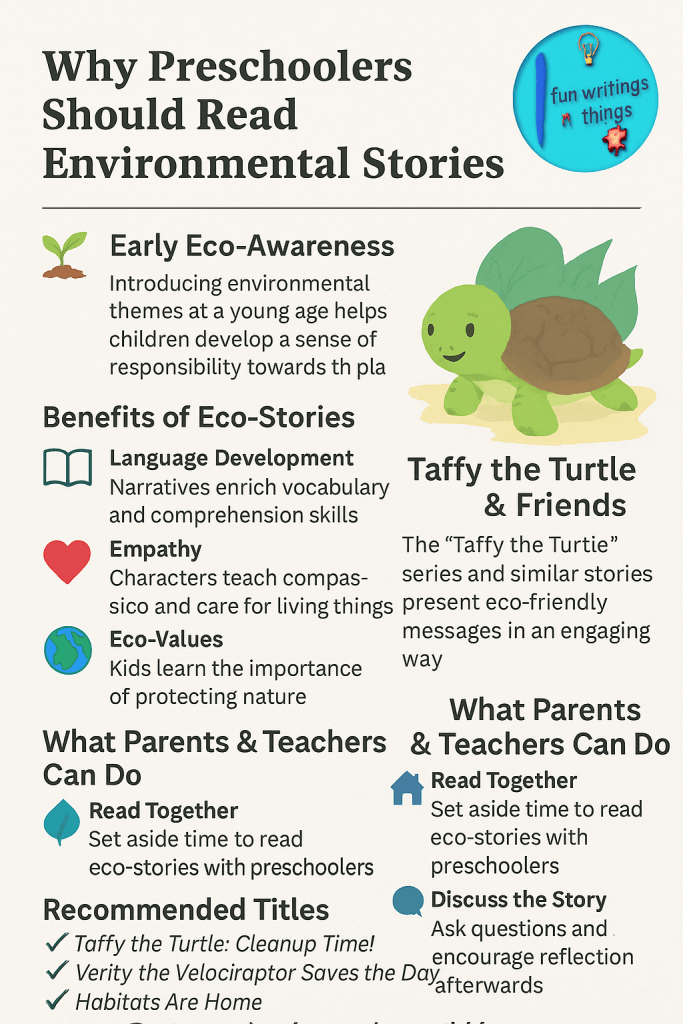
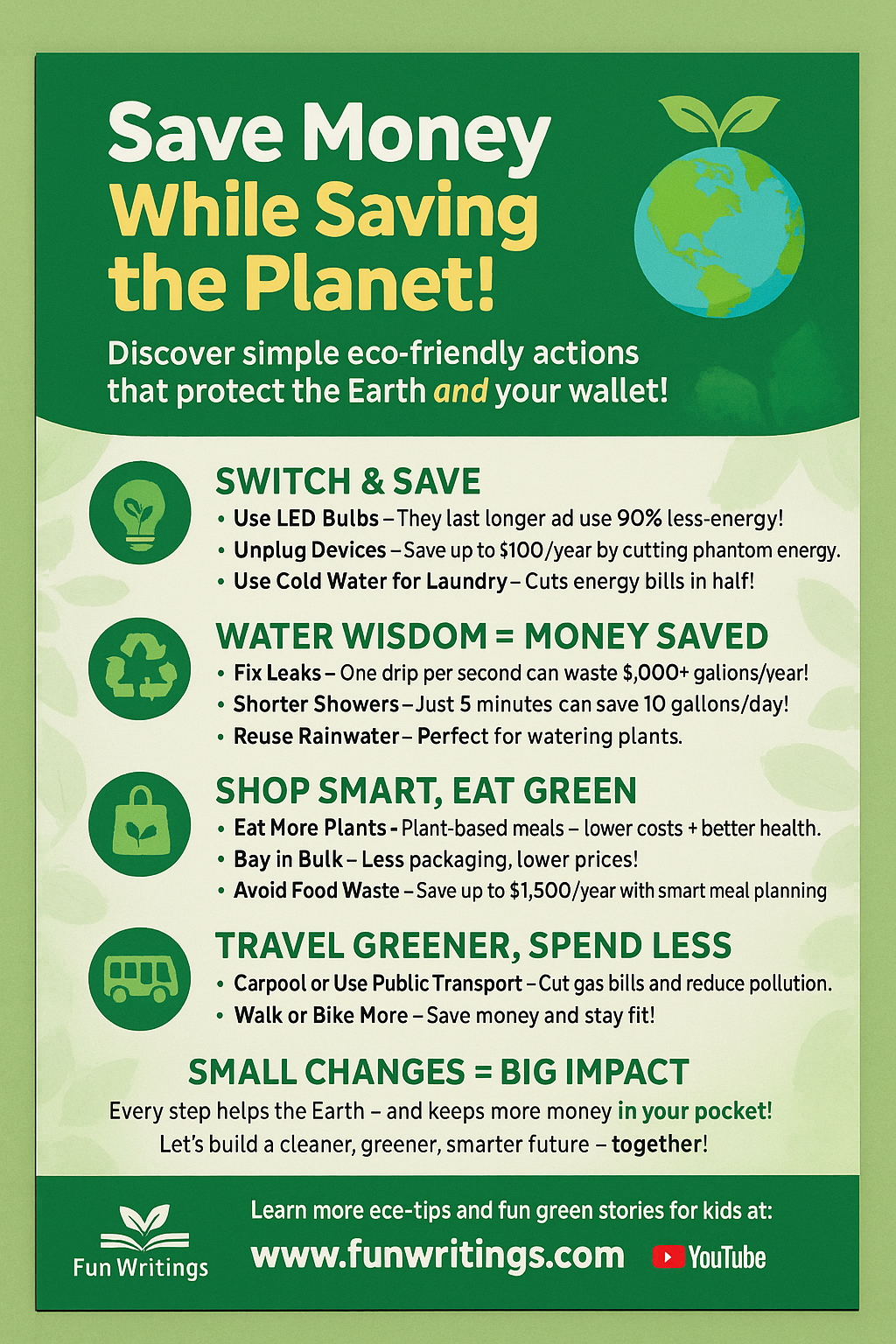
Early Eco Awareness Flyer

Saving money while saving the planet is totally possible

Saving money while saving the planet is totally possible—and often, the two go hand-in-hand! We find new ways to improve our health and add to the number of green jobs in our countries. Our children will learn about great green living tips as they grow up as they watch us each day. Let us look at the great green plan and ideas we can use. Here’s how you can live green and save green at the same time:


🌍💰 1. Reduce, Reuse, Recycle—Smartly
  • Reduce what you buy: Avoid impulse purchases and stick to what you truly need.
  • Reuse containers, bags, and clothes to avoid buying replacements.
  • Recycle properly to minimize waste and sometimes earn cash (some places offer money for bottles/cans).

Green living can transform our lives and cause us to have a sustainable future by encouraging us to adopt eco-friendly practices that not only benefit the environment but also enhance our overall well-being. By making conscious choices such as reducing waste, conserving energy, and supporting local, organic products, we become active participants in protecting our planet for future generations.

As we embrace a lifestyle centered on sustainability, we discover innovative ways to connect with nature, which can lead to improved health, stronger communities, and a profound sense of fulfillment. Through these efforts, green living empowers us to create a more harmonious relationship with the Earth and fosters a culture of responsibility and mindfulness that can inspire others to join the movement.


Reduce reuse recycle smartly and save money
💡 2. Save Energy = Lower Bills
  • Switch to LED light bulbsthey last longer and use less power.
  • Invest in solar and/or wind energy
  • Unplug electronics when not in use—called “phantom power” can waste energy.
  • Use fans instead of AC when you can, or set the thermostat a few degrees higher/lower to cut costs.

🚿 3. Save Water = Save on Utilities
  • Fix leaks quickly (a dripping tap wastes gallons!). When you learn to fix leaks on your own you save money.
  • Use low-flow showerheads and faucets.
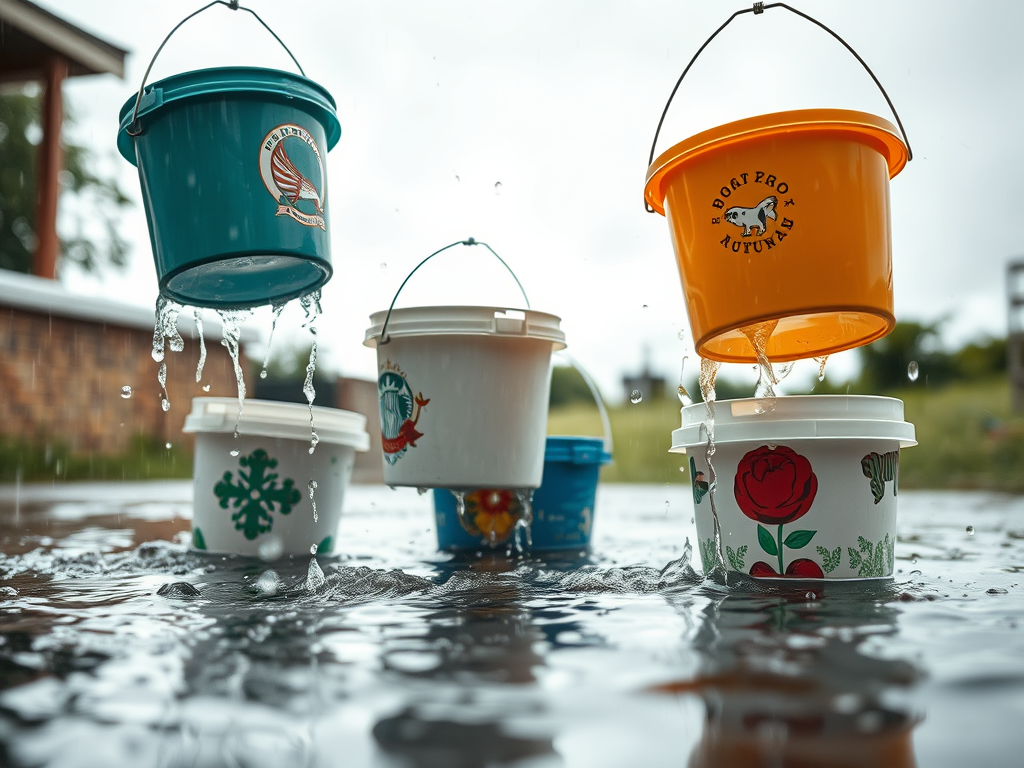
  • Catch rainwater for gardening.

catching rain water in buckets

Conservation pays in many ways, as the money we save can be invested in various initiatives that promote sustainability and enhance our environment. By cutting down on waste and implementing more efficient practices, we not only reduce our expenses but also create opportunities for innovation.

These savings can be redirected into projects such as renewable energy development, wildlife preservation, upcycled gift production and community education programs, ultimately leading to a healthier planet and improved quality of life for future generations.

🚗 4. Drive Less, Save More
  • Walk, bike, or use public transport to save on gas and maintenance. You will be healthier and stronger.
  • Carpool when possible. Another great way to save money while you are saving the planet.
  • Combine errands into one trip to reduce driving. You can keep a special planner and stay organised.

When we walk and carpool more, we not only save the planet by reducing carbon emissions and decreasing traffic congestion but also save money in various ways, such as cutting down on fuel expenses and lowering the costs associated with vehicle maintenance.

Embracing these eco-friendly practices fosters a sense of community and encourages healthier lifestyles, as walking promotes physical fitness and mental well-being. Additionally, by sharing rides with others, we contribute to more sustainable urban planning, creating an environment where public spaces can thrive, wildlife can flourish, and future generations can enjoy a cleaner, greener planet.

healthy or green eating
🥦 5. Eat Greener, Spend Smarter
  • Buy local and in-season produce—it’s often cheaper and fresher.
  • Eat less meat—plant-based meals are budget-friendly and better for the planet.
  • Reduce food waste: Plan meals, store leftovers, and freeze extras.

Eating green and planting your own food is not only about protecting your health and saving money, but it also fosters a deeper connection with nature and promotes sustainability. By growing your own fruits, vegetables, and herbs, you can ensure that your produce is free of harmful chemicals and pesticides, which ultimately leads to better health outcomes.

Additionally, cultivating a home garden can significantly reduce your grocery bills, as you’ll have access to fresh ingredients right at your fingertips. Furthermore, the act of gardening itself can be therapeutic, providing both physical exercise and mental relaxation as you nurture your plants and witness the fruits of your labor. Embracing a green lifestyle encourages mindfulness about food choices and inspires a more conscious approach to consumption, making it a rewarding endeavor for both your body and the planet.


🎁 6. DIY and Upcycle
  • Make your own cleaning products with vinegar, baking soda, and lemon—cheaper and chemical-free!
  • Turn old clothes or jars into new items: crafts, planters, rags, etc.
  • Give handmade or upcycled gifts instead of buying new. You’ll become more creative as time goes by and you might begin earning from some of the things you make.
thrift- buy second hand clothes  as you send  less things to landfills and decrease air pollution

🛍️ 7. Buy Secondhand
  • Thrift stores, yard sales, and online marketplaces are great for clothes, books, furniture, and more—at a fraction of the cost and without contributing to new production. The landfills will thank you, there will be less things there to burn. You are decreasing air pollution too.

🌱 8. Grow Your Own Food
  • Even a small herb garden and plant your own flowers in pots. You can save money and packaging.
  • Compost kitchen scraps to enrich your soil naturally. You will get a chance to eat food that is not as toxic when you use less pesticides and chemical fertilizers.

✅ Bottom Line:

Living sustainably isn’t just good for the earth—it’s great for your wallet. Each small eco-friendly step you take can lead to big savings over time.

When children grow up in homes where they see parents saving money while they save the planet, they will develop great eco-friendly habits and share what they learn with their friends. This will cause the building of eco awareness in a great way.


save money while you save the planet

ENCOURAGE MORE CHILDREN TO BECOME PLANET LOVING INDIVIDUALS TODAY

Saving Taffy Turtle
xr:d:DAF5rxDFevg:38,j:8515596286224701407,t:24011220

[This article contains some affiliate links. If you purchase products through these links, we may earn a commission at no additional cost to you.]

Learn how to plant trees in great ways… here

piggy bank... sold online

Order your Piggy Bank here

Why Preschoolers Should Read Environmental Stories

Now that climate change, plastic pollution, air pollution, soil pollution, water pollution and other environmental pollution issues. Building environmental protection awareness is a great solution. Having simplified environmental solutions for children to use will cause us to see a sustainable future. It’s good for preschoolers to read environmental stories because these stories:

1. Build Early Awareness

At a young age, children are curious and impressionable. Environmental stories help them understand the world around them, like trees, oceans, animals, and weather, building awareness of nature and how it works.

Baby and mothers enjoying nature
2. Encourage Empathy and Responsibility

By learning how pollution harms animals or how trees help us breathe, preschoolers start to care. Stories with relatable characters (like animals or other children) teach them to feel empathy and take responsibility for their actions. The series of eco-kids books done for them about the cute baby Turtle who needs protection, will wake up empathy. The need for environmental care will never go away and empathy for tiny creatures will always be a good thing.

children and their small plants in their garden
3. Establish Good Habits Early

Simple lessons in stories—like turning off lights, waste separation, planting trees, gardening, reusing, reducing, and recycling, along with other eco-friendly tips and solutions —can turn into lifelong eco-friendly habits when introduced early in a child’s life. By instilling these values through engaging narratives, we not only educate young minds about the environment but also empower them to take meaningful action. As these habits become second nature, families around the globe will find themselves making conscious choices that contribute to a healthier planet.

We will see decreased pollution and a reduction in waste when more environmental solutions are being implemented in homes all over the world more frequently. Moreover, as communities embrace these practices, the collective effort can lead to significant changes in local ecosystems, enhancing biodiversity and ensuring a sustainable future for generations to come.

4. Promote Critical Thinking

Environmental stories often include simple problems (e.g., too much trash on the beach) and solutions (like cleanup days, assisting with recycling or reusing items). This nurtures early problem-solving and critical thinking skills.

kids doing eco craft
5. Inspire Creativity and Action

Eco-stories can motivate preschoolers to start fun activities like craft projects with recycled items, gardening, or joining eco-clubs—making learning hands-on and meaningful. Children are naturally curious, and by engaging them with eco-stories, we can inspire a deeper connection with the environment.

Encouraging them to participate in these creative projects not only enhances their imagination but also teaches important lessons about sustainability and care for our planet. Children will always be eager to learn, and making green activities fun and easy to do is a great idea. Additionally, involving parents and caregivers in these activities can amplify the impact, fostering a community spirit where everyone is working together toward a common goal of protecting our environment. This collaborative approach makes the experience even more enriching and memorable for the children.

6. Support Social and Emotional Learning

Through stories, children understand the impact of teamwork, kindness, and caring for others—including plants and animals. These are essential traits for becoming responsible global citizens.

The need for leaders who will be willing to grow circular economies becomes more important each day. Supporting this project will cause an increase in environmental protection awareness and we never know when people will become the change they need to see. Even if leaders are not aware of the damage that is being done to the environment. We still can live sustainably.

7. Reinforce Language and Learning

Rhyming and colorful eco-stories not only teach environmental values but also build vocabulary, reading skills, and comprehension in a fun, memorable way. These engaging narratives inspire young readers to cherish nature, sparking curiosity about the world around them. As they follow whimsical characters on adventurous journeys, children become more aware of the impact of their actions on the environment, leading to a lifelong commitment to sustainability.

Furthermore, the rhythmic patterns and vivid illustrations serve to enhance their imaginations, reinforcing the lessons imparted through each story. Overall, these stories create a holistic learning experience that blends education with entertainment, making environmental stewardship an integral part of their development.

Conclusion

Sustainability and having a future on earth is too important to be ignored. Having children who are interested in saving the planet is great. Let us continue encouraging more and more children to learn about the simple green activities they can get involved in every day as they try to chase pollution away.


Early Eco Awareness Flyer

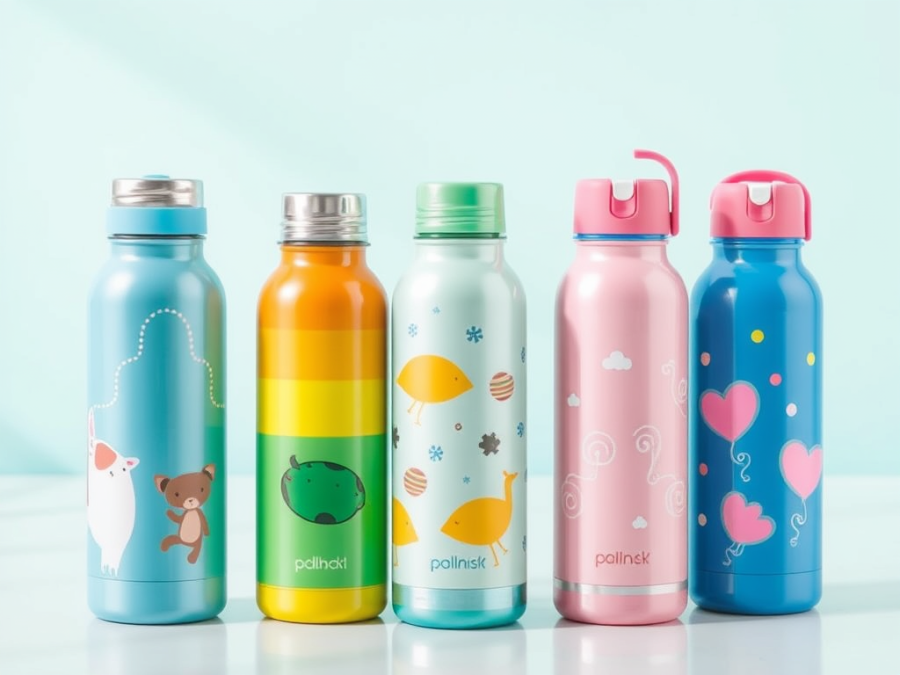
Reusable Water Bottles for Children

reusable water bottles

Reusable utensils for kids

reusable utensils for kids

You can now encourage children to love Nature with special toys made from recycled plastic
camping toys made from recycled plastic... raise nature lovers who will always want to live sustainably and have a sustainable future

[This article contains some affiliate links. If you purchase products through these links, we may earn a commission at no additional cost to you.]

How Burnt Plastic Pollutes Soil

Building awareness about the need for increased reusing, reducing and recycling of plastic is becoming more important as time goes by. Burning plastic pollutes soil. When plastic is burned, in uncontrolled settings like backyard burning or open dumps, it creates several soil contaminants:

  1. Ash residue containing heavy metals (like lead, cadmium, and chromium) from plastic additives settles onto soil surfaces.
  2. Persistent organic pollutants (POPs) like dioxins and furans are produced during plastic combustion and can bind to soil particles.
  3. These contaminants can remain in soil for decades or even centuries due to their chemical stability.
  4. Rainfall can wash these toxins deeper into soil profiles or into water bodies, spreading contamination.
  5. Once in the soil, these pollutants can be absorbed by plants, entering the food chain and potentially bioaccumulating in organisms.

The soil contamination from plastic burning is particularly concerning in agricultural areas or places where food is grown, as it creates pathways for these toxins to reach humans through consumed produce.

pollution caused by burning
How Toxic Soil Affects Food and Water

The soil polluted from the burning of plastic affects both food production and groundwater. Here’s how:

Impact on food:
  • Plants can absorb toxic compounds like heavy metals, dioxins, and furans through their root systems
  • Some plants concentrate these toxins in their edible parts (bioaccumulation)
  • The contaminants then transfer to humans and animals consuming the crops
  • Different plants absorb pollutants at different rates (some leafy greens and root vegetables are particularly effective at uptaking soil contaminants)
ground water
Impact on groundwater:
  • Rainwater leaches soluble contaminants through soil layers into aquifers
  • Many plastic-burning pollutants are persistent and can remain in groundwater for decades
  • Once groundwater is contaminated, it’s extremely difficult and expensive to remediate
  • Contamination can spread horizontally through aquifers, affecting water sources far from the original pollution site

This creates a concerning cycle where:

  1. Plastic burning pollutes soil
  2. Pollutants move into groundwater and plants
  3. Humans are exposed through both drinking water and food
  4. The health impacts can persist for generations, long after the burning has stopped

This is why proper waste management and avoiding plastic burning is critical for both environmental and public health.

Reuse Reduce and Recycle more Plastic

The environment has a lot more to offer when it is treated well, providing us with abundant resources, a diverse array of flora and fauna, and natural beauty that enhances our quality of life. By investing in sustainable practices and fostering a deep respect for nature, we create a harmonious balance that not only preserves ecosystems but also ensures that future generations can enjoy the benefits of a healthy planet. When we recognize the intrinsic value of the environment and engage in responsible stewardship, we unlock its potential to support our well-being and enrich our experiences in countless ways.

Increased reusing, reducing and recycling will cause us to see increased sustainable job creation in times when some jobs are disappearing. We can have decreased mining and increased environmental health. We can stop depending on Governments to make great policies

Call to Action and Conclusion

You can easily do your part for our great planet today. Plan for a sustainable future in a new way. Simply share eco-friendly tips and solutions with all the children you see. You will benefit from having a healthy environment to live in one day. The eBooks, printed books and Youtube videos are here. You will be helping the eco-kids project to grow. This will lead to the improved sustainability we all need to see.

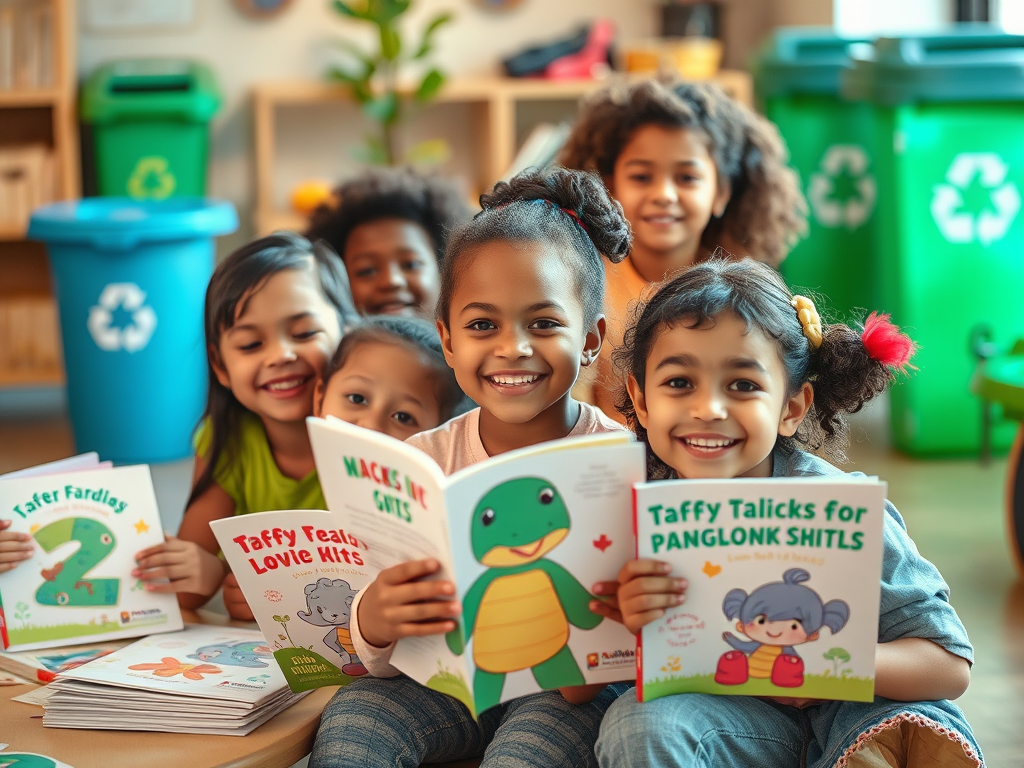
eco kids with their books

Eco-Songs Your Kids Will Love (and Learn From)

The Eco-Kids Book Project is growing as songs and new books are being added, providing a rich collection that fosters creativity and environmental awareness. The best YouTube eco-songs are here for children to enjoy, creating an engaging platform where they can immerse themselves in music tailored for learning about nature. Now they can sing, dance, and play while they learn about saving the planet, developing a sense of responsibility towards the environment from an early age. Through captivating stories and catchy tunes, children are encouraged to become little eco-warriors in their communities.

What do you think of these plans for increased eco awareness among our youth? Are these engaging resources effective in sparking their interest and inspiring them to take action for a sustainable future?

A song about what children learn while they are making plans for a sustainable future. A great welcome song for the YouTube Channel. It ts a happy song that was sang by a clown.

A Welcome Song for the Eco Kids Channel

A great song about building eco awareness in this new and better way and all the benefits it brings to both our planet and our communities. The lyrics inspire listeners to embrace sustainable practices, highlight the importance of protecting our natural resources, and promote collective action towards a greener future. By sharing uplifting messages and vivid imagery of a thriving environment, the song encourages individuals to adopt eco-friendly habits and celebrate the positive impact of their choices, ultimately fostering a sense of responsibility and connection to the Earth.

Build Eco Awareness As You Sing

A song about the benefits of using eco-friendly solutions to reduce plastic pollution is a delightful way to engage young minds and inspire change. I am sure the children will be dancing to this one, as it encourages them to participate in caring for our planet. Reusing, reducing, and recycling has its own song now, filled with catchy tunes and joyful lyrics that celebrate small actions leading to big differences. The rhythm will get everyone moving, while the message empowers kids to choose sustainable options, reminding them that every little effort counts in the fight against plastic waste and promotes a cleaner, greener environment for future generations.

Changes we Can Easily Make as we Decrease Plastic Pollution

Participating in the green activities will make Taffy Turtle’s day great. Children can enjoy singing while they make a baby Turtle’s day even more wonderful and memorable. As they join together in delightful harmony, the carefree melodies will echo in the air, bringing smiles to their faces and joy to their hearts. I’m sure they will enjoy this song a lot, as it not only celebrates friendship and nature but also encourages everyone to embrace the beauty of their surroundings while learning about the importance of taking care of the environment. Each note they sing will remind them of the fun they have as they are making a difference.

Participating and Acting as we Protect the Environment
The Promises we are making to Taffy Turtle as we Decease pollution

This song is full of promises for Taffy Turtle. She is told of the many things we will do to protect her while we protect the environment. It is all about decreasing plastic pollution. Making it possible for this baby Turtle to sing. I’m sure children will gladly want to sing along when they hear this little rhyming song when they are putting plastic in bins.

Call to Action and Conclusion

Supporting the eco-kids plan that assists with building environmental protection awareness in a new and better way is easy to do now. Let us do our part as we plan to achieve the sustainable development goals. Our children need to know that it is possible.

Simply like, subscribe, comment and share here, and you can place orders for books too. Life will be great when our pollution problems disappear. We will be doing more repairing, recycling, reducing and reusing as sustainability increases.

Eco-kids with their books
reusable Water bottles for kids

Practical zero-waste kitchen strategies for everyday households

Green living and the zero waste strategies could get a lot more attention if more individuals knew about its benefits, such as reducing carbon footprints, conserving natural resources, saving money and improving overall health. By adopting sustainable practices like using energy-efficient appliances, reducing waste through recycling, and choosing organic products, people can contribute to a healthier planet while also experiencing personal gains like lower utility bills and enhanced well-being. Furthermore, engaging in green living often fosters a sense of community as individuals band together to promote environmentally responsible choices, creating a ripple effect that inspires others to join the movement. When we plant we have a lot more food to share.

Practical zero waste kitchen strategies

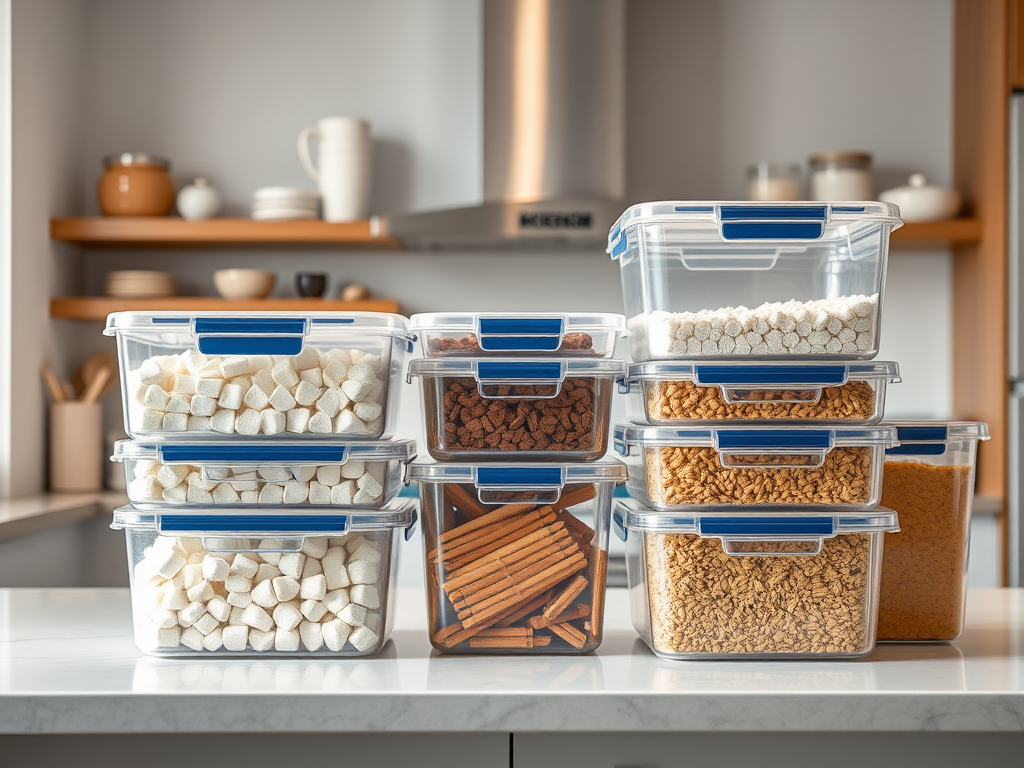
Mothers can focus on minimizing waste and promoting sustainability in our cooking habits and food storage practices. By incorporating simple yet effective techniques, we can significantly reduce our environmental footprint while enhancing our culinary experience. Having a composting bin for organic waste is helpful. The food storage containers that are airtight and stack-able are the best ones to have. They can be stored in cupboards and you will save money when your food is kept fresh for long.

Reusable containers and wraps - practical zero waste strategies
Why Reusable Containers and Food wraps are Important

Invest in reusable containers and food wraps, which can replace single-use plastic bags and aluminum foil, helping to keep your ingredients fresh without generating excess waste. By choosing these eco-friendly alternatives, you not only contribute to the reduction of plastic pollution but also promote a more sustainable lifestyle. This thoughtful decision not only aids in the preservation of the environment but also allows you to save money over time, as you won’t be constantly repurchasing disposable items. Furthermore, investing in high-quality, durable containers can make meal prep and storage much more efficient, allowing you to enjoy the convenience of having your favorite foods readily available while significantly decreasing your overall waste footprint.

How Meal Planning Helps with the Zero Waste Plan

Meal planning also plays a crucial role; by preparing a weekly menu, we can make precise grocery lists that prevent impulse buys and help utilize all ingredients efficiently. Composting organic waste transforms kitchen scraps into nutrient-rich soil, enriching our gardens while diverting waste from landfills.

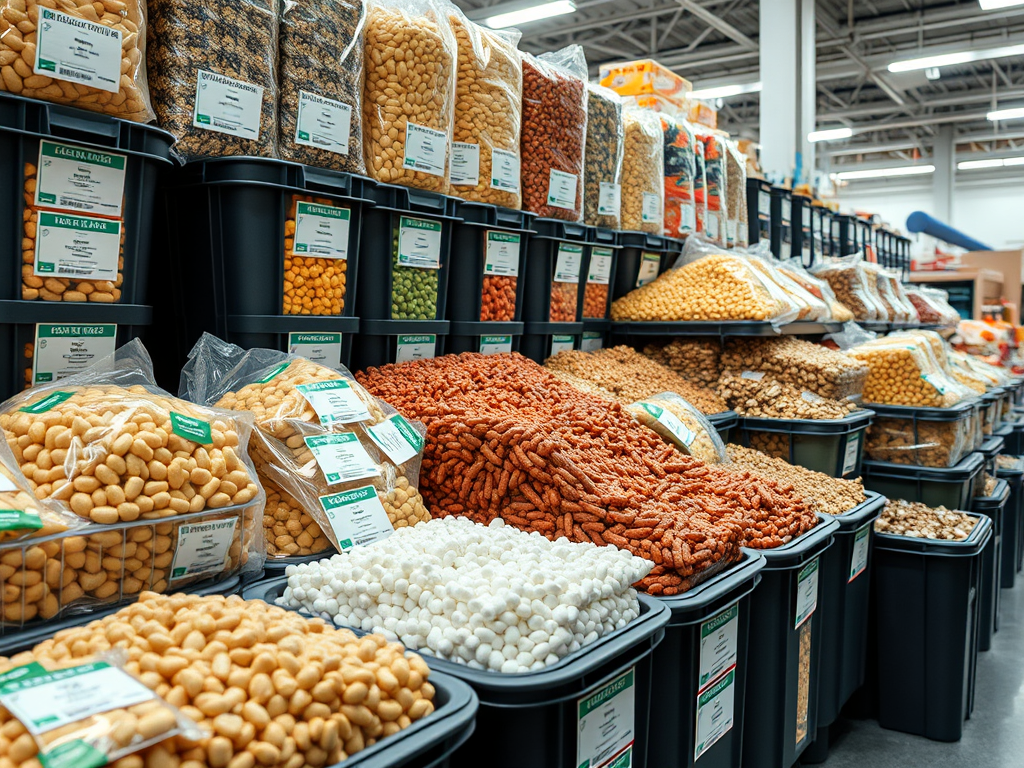
buying in bulk reduces packaging waste problems and help us to save money
Bulk Buying

Additionally, choosing bulk purchases not only reduces packaging waste but often saves money as well. Embracing seasonal and local produce supports sustainable agriculture and ensures fresher ingredients that taste better in our dishes. These practical zero waste kitchen strategies contribute to a healthier planet while encouraging mindful consumption and cooking habits. The huge air tight containers can help to decrease the number of trips you will need to make to the supermarkets. This is how you will save both money and the planet, as you use less petrol and time.

Conclusion

Saving money as you save the planet is more than a great idea. Do you agree? When parents implement zero-waste kitchen strategies and children learn as they watch them. Sustainability will continue keep on growing when we raise zero waste kids. Sustainable solutions will be passed on from one generation to the next. Green parents can also give children added information about green living found in the eco-kids books found in the online book shop. The eco-kids music videos are also filled with eco-friendly solutions. Support the eco-kids book project in many ways as we plan for a bright future.

Large airtight containers for bulk buying

[This article contains some affiliate links. If you purchase products through these links, we may earn a commission at no additional cost to you.]

Plastic Recycling and Air Pollution: Understanding the Environmental Impact

The Relationship Between Plastic Recycling and Air Quality has not gotten enough attention over the years.

Plastic recycling can potentially help reduce air pollution, but the relationship is more complex than a simple one-to-one reduction. Here are the key considerations:

Potential Pollution Reduction Benefits
  1. Reduced Incineration: When plastics are recycled instead of being burned, it directly prevents the release of harmful toxins and particulate matter into the atmosphere. Burning plastics can emit:
    • Carbon dioxide
    • Methane
    • Toxic chemicals like dioxins
    • Particulate matter
  2. Lower Carbon Emissions: Recycling plastics typically requires less energy than producing new plastic from raw materials, which can lead to reduced greenhouse gas emissions during manufacturing. Do you think more people would collect more plastic waste to be recycled if they had this information?
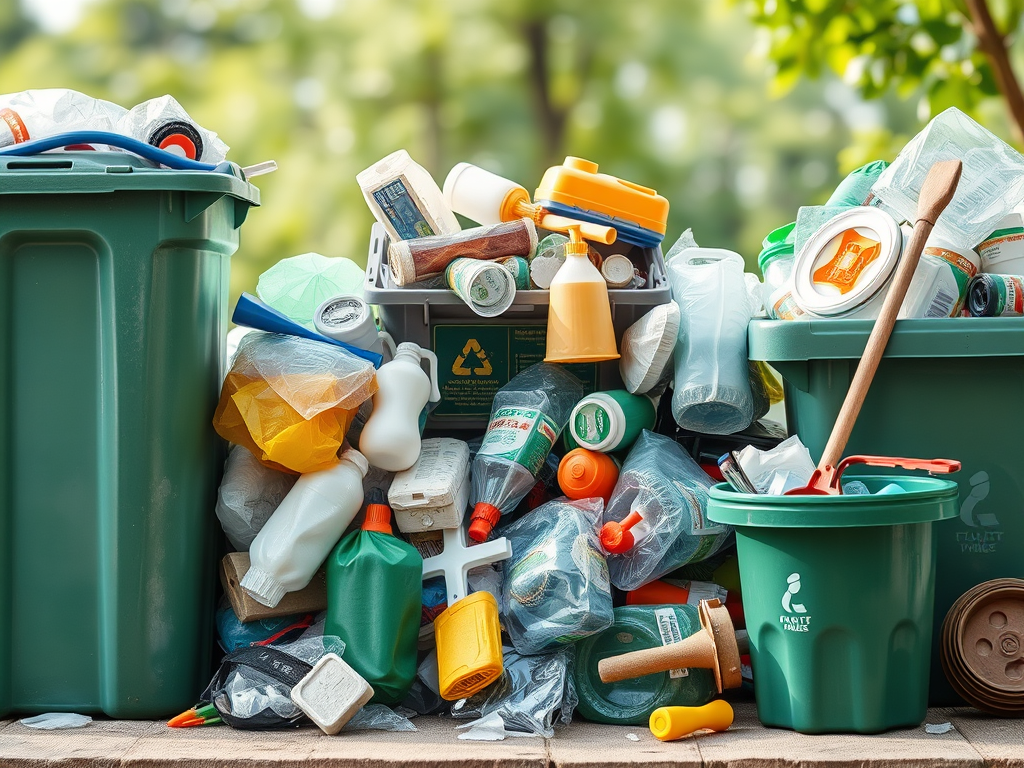
plastic for recycling
Challenges in Plastic Recycling
  1. Low Recycling Rates: Globally, only about 9% of plastic is actually recycled, which limits the potential positive impact on air pollution.
  2. Contamination and Processing: The recycling process itself can generate some emissions, though typically far less than virgin plastic production or incineration.
Comprehensive Approach to Reducing Pollution

To effectively decrease air pollution related to plastics, a multifaceted approach is necessary:

  • Reduce overall plastic consumption
  • Improve recycling technologies
  • Develop more efficient recycling processes
  • Implement stricter regulations on plastic production and disposal
  • Invest in alternative materials and circular economy solutions
Green Toys

Progress has been made and now green toys are being produced from recycled plastic and they are being sold online. If more parents purchase the toys made from recycled plastic, their action can encourage manufacturers to make more of these toys.

Green toy truck

A toy truck that is all about waste management, boys can learn a lot about waste separation and more as they grow. Since it is made from recycled plastic, boys can begin thinking about environmental protection as they play.

Toy truck made from recycled plastic

Waste separation and improved sustainability is a great lesson that is taught by this toy truck made from recycled plastic. Do you like the idea?

Conclusion

While recycling plastics can contribute to reduced air pollution, it is not a complete solution. The most effective strategy involves reducing plastic use, improving recycling technologies, and developing more sustainable material alternatives. When we build eco awareness by empowering children with eco-friendly solutions, there will be better plans for recycling in the future.

Key Takeaways
  • Recycling prevents harmful emissions from plastic incineration
  • Current recycling rates are too low to make a significant impact
  • A comprehensive approach is needed to address plastic-related pollution
Call to Action

When you are ready to help more children to become the change they need to see. The simplified eco-friendly solutions you can use to help them, as they get involved in green activities can be easily found. The online green kids book shop and eco-friendly YouTube channel. Makes it easy for everyone to support the eco project that is currently building eco awareness in a new and better way. Children can become future focused and ready to think critically and create more plans for doing recycling as they improve sustainability. Click on the buttons to place orders and watch videos.

[This article contains some affiliate links. If you purchase products through these links, we may earn a commission at no additional cost to you.]