They want to enjoy all the goodies our planet has to offer
We can help them to have them, they don’t need to have a life that is tougher
Don’t give them food shortage, climate change and environmental degradation
Let us do all we can to improve our situation
Now we know there is a big lie being told about recycling we should do more
We should be paying attention to far away problems before they get to our front door
More new Products from Plastic waste
More bins for waste collection, benches, tables, tiles, roads and other long lasting things
We can use plastic pollution solutions and embrace the better life that they will bring
Many new jobs will be created and we will be happy about eco-friendly living
To our planet, a great gift we can start giving
We will see decreased pollution and green economic growth in more places
More people will live in great ways and have bright smiles on their faces
Planning for the sustainable future was made easy. Adults can simply support the Children’s Eco Book Project in many ways as they plan to live sustainably. Let’s face it, the children are the future and they need to be informed. If they continue to pollute the planet they might be totally destroyed. Currently the soil in many places has become too toxic to produce healthy crops. Plastic pollution is getting worse each day because the manufacturers don’t care about their customers anymore. Sustainability for kids is our best plan. Click on the buttons below and support it in simple ways today.
It is time to explore the vital evidence demonstrating the positive impact of environmental education for children. For too long, we may have overlooked this important aspect while adults contributed to pollution, leading to the numerous environmental challenges we now face. However, by shifting our focus, we can create beneficial change together. The solutions we seek are within reach, and by working collectively, we can learn the importance of environmental protection. Families have the exciting opportunity to engage with simplified environmental solutions, enabling them to become informed, so they can enthusiastically embrace green living.Let’s get ready for a bright future, together we can learn, develop eco-friendly habits, educate and inspire.
Early Intervention and Lasting Impact
Research published about Environmental Education Research shows environmental education in childhood leads to pro-environmental behaviors that persist into adulthood. Studies demonstrate, children who participate in nature-based education programs show increased environmental awareness and concern even years later. The “Environmental Socialization” study by Wells & Lekies found childhood nature experiences strongly predicted adult environmental attitudes and behaviors.Green action followed environmental education in the past and it will continue now.
Behavioral Change Evidence
With increased research and analysis of data more proof is surfacing. Environmental education for children is a great solution for pollution and it simply needs more of our attention. A meta-analysis in the Journal of Environmental Education found students in environmental education programs were significantly more likely to: – Engage in energy conservation – Reduce waste and increase recycling – Choose sustainable transportation options – Make environmentally conscious purchasing decisions.
Knowledge, Empowerment and Attitude Shifts
Eco conscious children will want to decrease pollution more and more each day. They will become the green entrepreneurs who will develop more environmental solution as time goes by. I loved playing in shallow parts of rivers as a child and I grew up and wanted to allow children to have the same experiences that I did.I want to do something to decrease pollution and protect rivers.
– The Stanford Environmental Education Assessment measured significant improvements in: – Understanding of ecological concepts – Recognition of environmental problems – Development of critical thinking about environmental solutions – Emotional connection to nature.
Ripple Effect of Environmental Education Through Families
Children who grow up in families who embrace green living tips will understand how important it is for us to live in a clean environment. Environmental education for children is our best solution for the crisis we face at the moment. Unicef has taken a new approach to educating children about environmental issues. – Research shows children often become “agents of change” within their families. – Studies document children sharing environmental knowledge with parents, leading to household behavior changes in: – Recycling habits – Energy usage – Consumer choices – Water conservation
Long-term Economic Impact of Green Living
When parents realize that children are interested in having a bright future and using environmental solutions can make a difference. They will do a lot more to decrease pollution and embrace change. Having an impact on a child’s future is the desire of almost every parent – The World Bank’s research indicates early environmental education contributes to: – Greater support for environmental policies as adults – Increased likelihood of choosing sustainable careers – Better understanding of green economy opportunities
Conclusion
Children are undeniably our future, and we possess an incredible opportunity to shape their minds in a positive way right now! The eco-friendly books for children are brimming with vibrant, actionable solutions to tackle various pollution issues. With this priceless knowledge in hand, children can ignite a spark in adults, compelling them to take transformative action. As global warming unleashes scorching summers and threatens our precious water supply, uniting families in their quest for a greener lifestyle becomes our only hope against the relentless tide of pollution. Click the button below to dive into the online eco-kids book shop—supporting this initiative is not just about reducing environmental pollution; it’s about nurturing a brighter, sustainable future filled with possibilities!
The carbon footprint is being thrown around in conversations more than ever, but is it really getting the attention it demands? Can you grasp how deeper knowledge of our carbon footprint could empower us to save the planet? Are you ready to transform your daily habits to slash your carbon footprint? Let’s dive into this critical discussion as we develop new strategies for our planet’s future. Ignoring this crucial information could mean sealing our planet’s fate.This article is here to arm you with vital insights and plans that will ensure you are not just informed, but actively engaged.
Key Reasons why Understanding Carbon Footprint is crucial :
First, it directly connects our daily actions to climate change. Whether it’s driving a car, heating our homes, or buying products, nearly everything we do contributes to greenhouse gas emissions. By understanding our carbon footprint, we can see how our individual choices affect the planet’s health.
Second, it helps us make more informed decisions. When we know which activities generate the most emissions, we can prioritize changes that have the biggest impact. For example, someone might discover that their air travel contributes more to their carbon footprint than all their local transportation combined.
Carbon Foot Print – Businesses
Third, it’s essential for businesses and organizations. Companies increasingly need to measure and reduce their carbon footprints to meet regulations, satisfy customer demands, and remain competitive. Understanding carbon footprints helps them identify inefficiencies and opportunities for improvement.
When customers are aware of the need for environmental care, they will want to support the businesses that are going green. It is good for businesses to develop policies that will cause them to please customers in more ways.
Finally, it’s about taking responsibility for our environmental impact. While individual actions might seem small, collective awareness and action can lead to significant changes in behavior and policy. This understanding can motivate us to support broader systemic changes needed to address climate change.
Here are concrete steps you can take to reduce your carbon footprint:
Carbon Footprint andTransportation:
Walk, bike, or take public transit for trips under 2 miles when possible
Combine multiple errands into one trip to reduce total driving
Keep your car well-maintained with proper tire pressure and regular tune-ups to improve fuel efficiency
If getting a new vehicle, consider an electric or hybrid option
Home Energy:
Switch to LED light bulbs, which use 75% less energy than traditional bulbs
Install a programmable thermostat and set it to adjust temperatures when you’re asleep or away
Seal air leaks around windows and doors with weatherstripping or caulk
Add insulation to your attic and walls to reduce heating/cooling needs
Food and Shopping:
Small step will take us far, but denial will only cause us to pollute more. Healthy eating is less costly when we plant our own food.
Choose reusable bags, containers, and water bottles instead of single-use plastics
Start a small kitchen garden for herbs and easy vegetables
Plan meals ahead to reduce food waste, and compost what you can’t eat
Buy local seasonal produce when possible to reduce transportation emissions
Repair items when feasible instead of replacing them
Energy and Water:
Planning for a sustainable future and living sustainably will cause us to help the next generation to become interested in green action.
Turn off lights and unplug electronics when not in use
Take shorter showers and fix leaky faucets
Wash clothes in cold water and hang them to dry when weather permits
Run dishwashers and washing machines only when full
Conclusion
You can do more to reduce your Carbon Footprint each day by reducing waste, using less energy, finding new ways to create sustainable jobs for others and yourself, and supporting sustainable businesses.You can be the one who develop more green products and encourage more people to live sustainably.Decreasing carbon emissions will cause us to live in a healthy environment.
Share with every child you encounter the vital importance of environmental protection! It is crucial for them to understand how essential it is to plan a vibrant future. In an era filled with endless distractions competing for their attention, they may shy away from immersing themselves in the beauty of nature. However, we can ignite their passion in simple yet profound ways. Parents now have the opportunity to offer them books brimming with accessible environmental solutions and tips. These enchanting books, adorned with delightful rhymes and vivid illustrations, will inspire children to embrace green activities from a young age, cultivating a generation of environmentally conscious parents. By fostering this connection, we ensure they inherit a thriving ecosystem. Involving our children in this mission not only paves the way for a brighter future but also equips them to tackle the pollution challenges we face today!
Our consumption pattern is causing plastic pollution to get worse globally. The complaints about collected plastic still polluting the oceans when no recycling is done. Caused people to be discouraged and they continue littering. There is need for a comprehensive environmental education plan that is easily accessed by all citizens. Key evidence to prove increased plastic pollution is here:
Global Trends:
The International Union for the Conservation of Nature reported that approximately 380 million tons of plastic is produced annually
Only 9% of plastic waste is successfully recycled
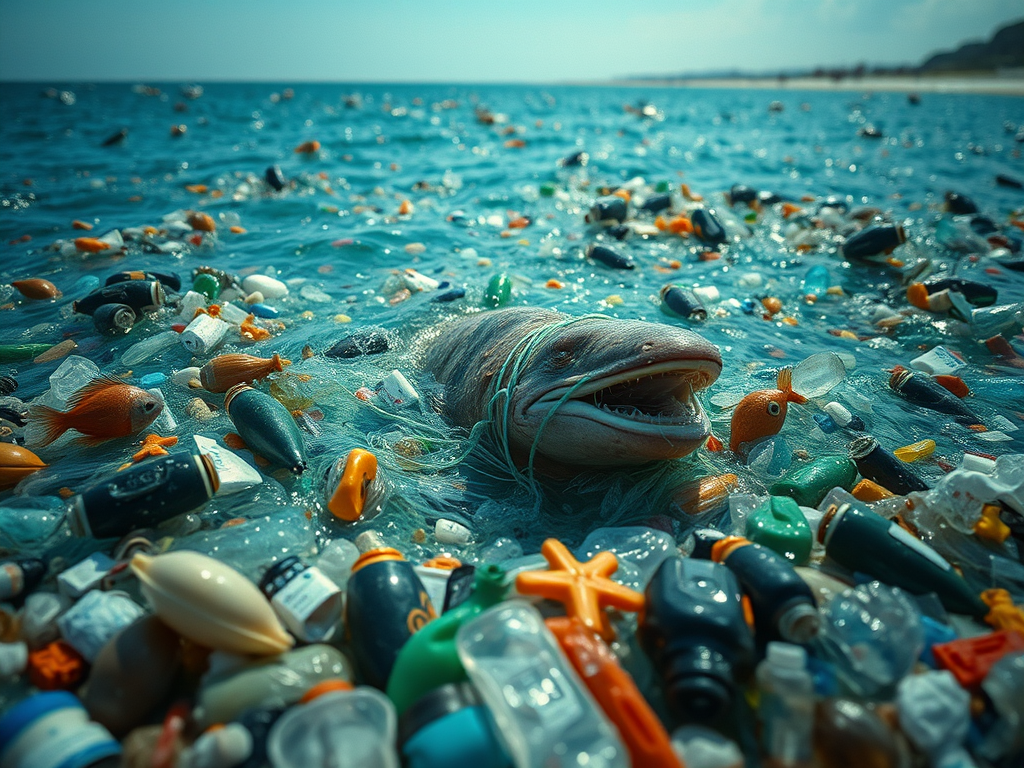
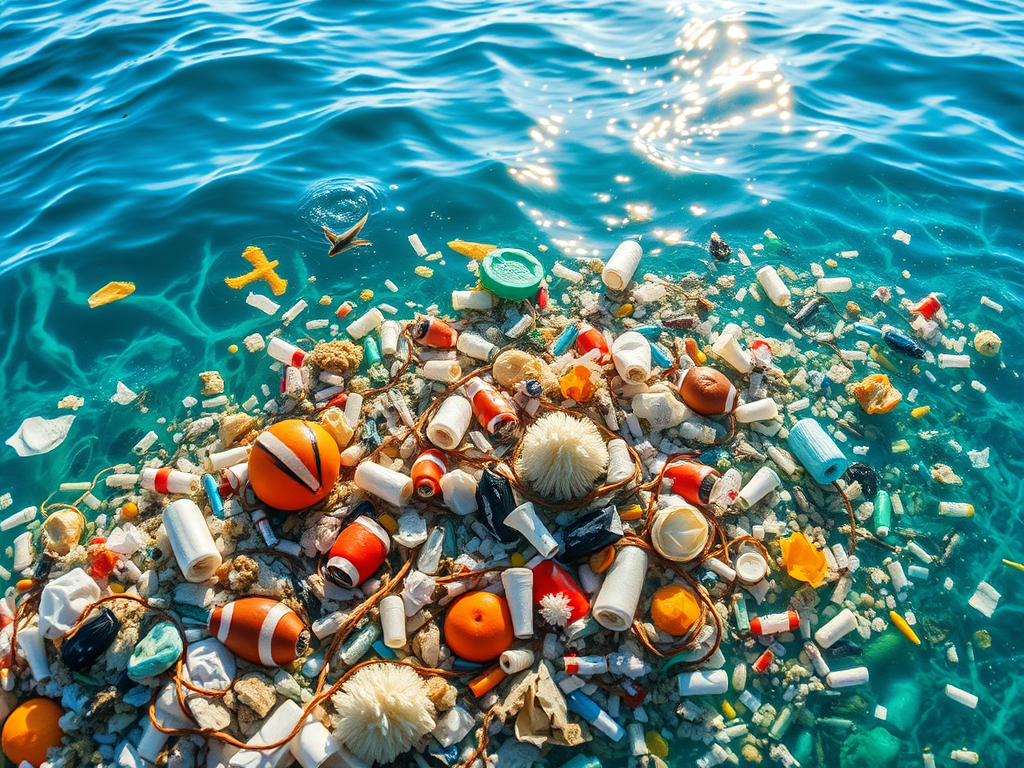
Over 8 million tons of plastic enter oceans each year
NBC reported on microplastics found in human blood, organs, and even in Mother’s placenta
Major Challenges:
Without a great plan to decrease plastic production in place. Populations will need to be educated about the damage plastic does to their bodies and the environment. They will make better decisions about the use of plastic each day. The will reuse, reduce and recycle more as they decrease plastic pollution. Some reasons for reducing plastic use are here:
Increasing single-use-plastic consumption
Weak waste management infrastructure in developing countries
Long decomposition time (400-1000 years for most plastics)
Growing plastic production by petrochemical industries
Emerging Impacts:
We should not be causing plastic to contaminate our food. We know it is toxic. Is anyone sure that it is not causing cancer? Let us make an effort to decrease the number of problems listed below:
Widespread ecosystem contamination
Significant marine life disruption
Potential human health risks
Economic costs of environmental cleanup
Positive Developments:
It is good that the plastic pollution crisis is getting some attention, but a lot more can be done. We need to support the initiatives in every way we can. Increasing public awareness by increasing environmental education for children is our contribution. Studies done by the National Library of Medicine proved that children have been agents of change before. Can we do more to educate them?If you are contributing in another way, I applaud you.It is good to see these benefits:
Growing international regulations
Rising corporate sustainability commitments
Innovative alternative material research
Increasing public awareness and consumer pressure
Without significant intervention, plastic pollution is projected to triple by 2040.Do we want more microplastics in our bodies? There has been an increase in the number of cancer patients in hospitals around the world, over the years since we began using plastic. We should be doing more to decrease plastic pollution by increasing environmental education that includes plastic pollution solutions.
Increased Environmental Education – Best Solution
With plastic manufacturers seeking to increase their profits. There is need for increased environmental education. It is our best solution for pollution and we should embrace creative ways to change our current situation. More people are willing to collect plastic waste when they are informed about how it affects their health. They are also willing to do more when they are paid for their efforts. If manufacturers were taxed by Governments and the collected money could go towards paying the people who collect plastics. Poverty and pollution would decrease.
We must prioritize our health since plastic producers only care about profits. A change in the way we use plastic will be noticed by the manufacturers after a while. If their profits decrease we will see a change in the amount of plastic being produced. There could have been more trees being planted and more paper packaging being used before. If only there was no switch to plastic packaging, our environment would not be badly polluted now.
Environmental education is crucial for a sustainable future, as it helps children understand pollution and engage in eco-friendly activities. Special books and a supportive Youtube channel offer resources to encourage environmental protection. Sharing simplified solutions can inspire both kids and adults to contribute to reducing plastic pollution and planning for a greener future.Click on the button below to buy eco-friendly children’s books.
One of the best ways to recycle plastic is finally here, and ending poverty may be possible. With reduced fuel cost on the horizon more people we may all become more interested in recycling. Can we become the change needed to clean our earth? For years, we’ve sought better recycling methods, but plastic collection hasn’t been effective. This new recycling innovation could lead to more jobs and lower fuel costs. Will it cause us to see increased plastic waste collection? Will people around the world adopt this new method of turning plastic into gasoline? Think about what this would mean for our environment.
Plastic Waste to Fuel
Plastic waste has been one of our problems for too many years. Many tried to return plastic to its original state for years. This is the best solution for this problem because recycling and making new products has not reduced pollution enough. The products made from recycled plastic were not as needed as fuel. With this new invention that turns plastic waste into fuel (pyrolysis) for our vehicles. More people might become interested in collecting plastic waste and taking it to the recycling centers.
We can stop thinking of the stories that are being told about collected plastic that is not recycled for various reasons. If the machine created to make fuel out of plastic waste (pyrolysis) can be sold around the world, it will have an impact. There is hope at last, the plastic pollution problem can be solved in the best way. Our children who are aware of our environmental pollution issues can now plan to invent more machines to decrease pollution in the future. We can encourage them to care about the environment more.
The production of plastic eating worms was good, but this is far better. This new invention should be getting attention from every Government and environmental organisation. It is so good to see that someone cares enough about our planet that he sacrificed his time and energy to invent this solution. What do you think about it?
Increased Need – Decreasing Supply of Oil
We all know that oil producing countries do not have an endless supply. This makes this invention even more important. At this time the use of Artificial Intelligence has caused an increase in the use of electricity. The need for more energy is increasing each day. The current revolution will fall flat if there is not enough energy for its engines. However, with this new invention. We could see better waste management and a clean environment. With more collection of plastic and more low cost fuel for increased productivity.
Environmental Benefits:
Plastic waste to fuel (pyrolysis) converts non-recyclable plastic waste into synthetic fuel through thermal decomposition. Key implications include:
Reduced plastic waste in landfills and oceans
Provides an alternative energy source
Decreased fossil fuel dependency
Environmental Challenges
Even though this new recycling method is great, it has still left us with a few problems we need to solve. They are listed here:
Still produces greenhouse gas emissions
Potential toxic chemical release during conversion
Not a complete solution to plastic pollution
Overall, it’s a partial mitigation strategy that addresses waste management and energy needs, but not a comprehensive environmental solution. It would be better for us to have a reduction of plastic production, improved waste collection and recycling remain more sustainable long-term approaches. We still need to do our part to make it more effective.
The increased need and decreased supply of oil can lead to several significant economic and geopolitical consequences:
Key Impacts:
Price Volatility: Oil prices typically rise sharply when demand increases while supply contracts, causing economic strain globally.
Geopolitical Tensions: Countries with limited oil reserves become more vulnerable, potentially triggering international conflicts or strategic realignments.
Economic Pressures: Higher energy costs can:
Increase production expenses for industries
Raise transportation and manufacturing costs
Potentially trigger inflation
Reduced economic growth
Strategic Responses to Decreased Fuel Supply
Tapping strategic petroleum reserves
Negotiating new energy partnerships
Accelerating domestic energy production
Implementing energy conservation policies
Doing more pyrolysis and cleaning up the environment
Increasing clean energy production
Primary Drivers of Current Scenario:
Increasing global energy demand
Geopolitical disruptions affecting oil-producing regions
Production constraints by major oil-producing countries
Slower investment in new oil exploration and extraction infrastructure
Conclusion
Plastic waste to fuel (pyrolysis) a good move in the correct direction and we hope this invention will get the desired attention. This will lead to increased use of these pyrolysis machines and increased job creation. With job loss on the rise, we need to focus on all the environmental solutions like this. They have a lot to offer. Raising children who are aware of our environmental pollution issues became more important over the years. They are the ones who will need to find more environmental solutions as the pollution problems increase. Do you agree?
Click on the link below to visit the online Eco-kids book shop. Where you will find books with more simplified eco-friendly solution for kids. Let us become the change we need to see, as we encourage our children to do more for the environment.
At a time when climate change causes increased food insecurity, heat waves, droughts and flooding. Solar energy helps lift people out of poverty through multiple interconnected pathways. Achieving the important sustainable development goals can be done. Careful planning and a change to clean energy will be good for the planet and people. We can support politician who will develop policies that will cause increased use of solar energy. We can have decreased poverty, economic growth and reduced pollution when we increase our use of solar energy too.
How Children Benefit From Knowledge
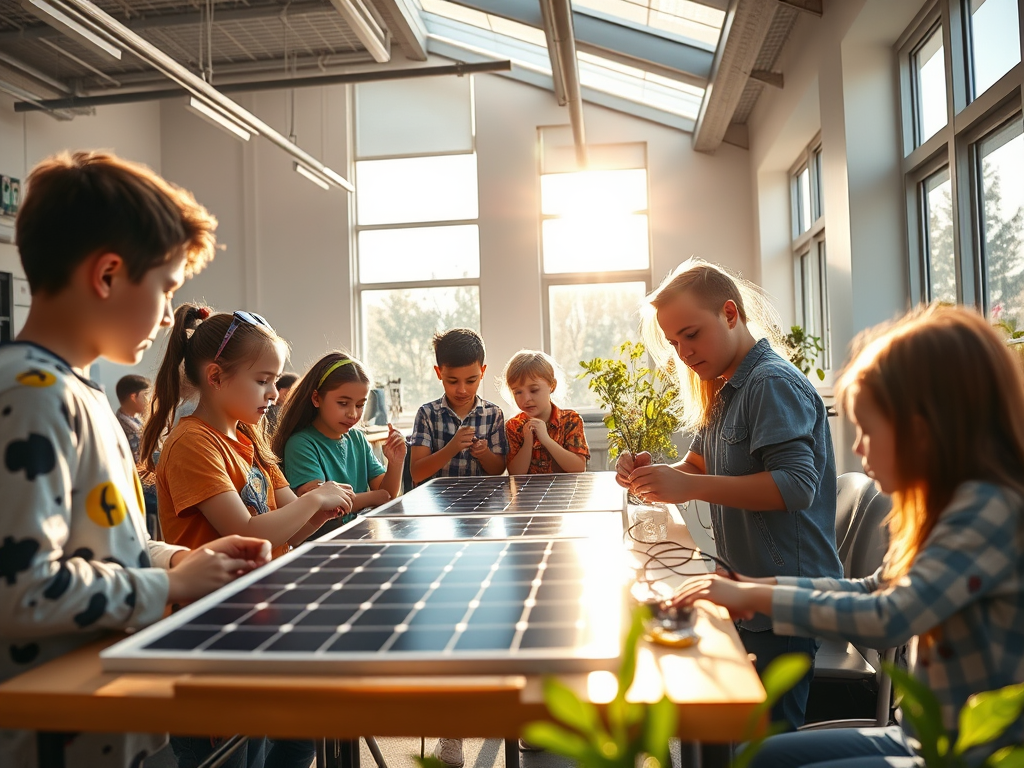
Children who understand the benefits of clean energy will be more aware of eco-friendly solutions. They will learn about solar energy and the savings it brings, making them eager to share this knowledge with others.
Solar energy creates economic opportunities in various ways and improves quality of life, particularly in rural and under served areas. The impact of climate change has caused increased poverty and increased use of solar power can change this, Here’s how:
Income Generation and Employment
The solar energy industry will create jobs for workers involved in making and installing solar panels and batteries, benefiting the economy. With the decreased cost for energy these workers will be doing much more with their earnings.
Small-scale solar systems enable people to start or expand businesses by providing reliable power for equipment, lighting, and phone charging
The solar industry creates jobs in installation, maintenance, sales, and manufacturing
Solar-powered irrigation helps farmers increase crop yields and income
Cost Savings
Many poor households spend a significant portion of their income on expensive energy sources like kerosene or diesel. The typical US households can save $10,000-$30,000 over 20 years. When Monthly electric bills are reduced by 50-90% depending on system size and location. Solar power reduces these ongoing costs, freeing up money for:
Education
Healthcare
Business investment
Better nutrition
Education and Healthcare Solar electricity enables:
Increased solar energy use in schools and hospitals lowers energy costs, leading to savings that can be allocated to other important needs. Schools using solar often save $20,000-$50,000 annually on energy costs.
Extended evening study hours for students
Better-equipped schools with computers and internet access
Refrigeration for vaccines and medicines
Modern medical equipment in rural clinics
Community Development
More solar energy in rural areas can reduce poverty by improving productivity and economic growth. Currently solar panels are used to cover fields where food could be planted. It would be good for us to have more solar panels on buildings and covering car parks. We would see faster growth in solar energy and sustainable living.
Solar-powered water pumps provide clean drinking water and irrigation
Street lighting improves safety and enables evening commercial activities
Reliable electricity attracts businesses and services to rural areas
Women’s Empowerment
Women will be using more appliances in homes and have more time to relax and spend quality time with their child or children. Great relationships will bring more prosperity.
Reduces time spent collecting traditional fuels like firewood
Creates entrepreneurship opportunitiesas women produce more green products
Enables labor-saving appliances
Improves safety through lighting
Environmental Benefits
There are many environmental benefits connected to the use of solar energy. It is time for us to make more plans to do more environmental conservation by increasing our use of solar power.
Reduces indoor air pollution from kerosene and biomass
Helps communities build climate resilience
Preserves local forests by reducing firewood use
Real-world examples show solar’s impact:
In Bangladesh, the installation of over 4 million solar home systems has created jobs for 115,000 people and reduced household energy costs by 50-60%. In Kenya, solar-powered water pumps have helped small farmers double or triple their incomes through year-round irrigation. This shows that much more progress can be made.
Common uses of Solar Savings
Solar savings have enhanced lives and can greatly benefit business owners in the future, when the use of solar energy is increased. Several ways to utilize these savings are available here:
Upgrading to energy-efficient appliances
Installing better insulation or windows
Renovating kitchens or bathrooms
Paying down mortgage or other debts faster
Contributing more to retirement accounts
Building emergency savings
Investing in education funds for children
Adding home security systems
A Great example of a business that had solar saving was Walmart. They saved $1 billion annually through solar installations. Businesses have hired additional staff, improved marketing, upgraded equipment and invested in many more ways to grow their profits.
Conclusion:
Now that you have seen the way we will benefit from the use of Solar energy,do you think the transition from fossil fuels to clean energy is too slow. Training of more workers is needed in the solar power industry? Should information about solar panel and battery production be shared widely. I believe we should have solar factories around the world by now. As we work toward a greener future, the focus should be less on profits for the wealthy. Solar saving can lift more people out of poverty.
Waiting until more people are lifted out of poverty so there can be more vibrant economies will be better for the world. Achieving the sustainable development goals would cause us to see the great economic success we need.This will cause children to be less worried about their future.Now we can be future focused and equipped with the books that will cause children to benefit from green living for the rest of their lives.
Children today should learn more about eco-friendly living, which will influence their career choices in the future. Click the button below to place orders for the Eco-kids books about green living. You will be building environmental protection awareness in a new way. As you encourage children to learn about environmental solutions and tips. This will make it easy for them to tell friends and relatives about they great ways they can benefit from using solar power. The way we benefit from sustainable living will become more attractive to many.
Balancing environmental, social, and economic needs will become an easy task when we continue learning about environmental solutions. By deepening our understanding of sustainable practices and engaging with innovative technologies, we can effectively address the challenges that lie ahead. Even though the transition to a sustainable lifestyle requires careful planning and strategic changes, the effort is well worth it, as the benefits extend beyond individual well-being to encompass broader community health. We can make great eco-friendly plans to ensure that our future is not only bright, but also sustainable for generations to come. This guide outlines practical steps to embrace eco-friendly living, such as reducing waste, conserving energy, and supporting local businesses, allowing us all to contribute to a greener tomorrow while fostering a sense of shared responsibility and commitment to our planet.
Home Energy Optimization
Start by conducting a home energy audit. Install smart thermostats, LED bulbs, and energy-efficient appliances. Consider solar panels for long-term sustainability. Proper insulation can reduce energy consumption by 15-30% annually. The use of solar panels to decrease energy consumption has caused many home owners to save money. They have invested in income earning opportunities and improved their lives. The eco conscious people are the ones who will be living great lives. They are investing in green alternatives and saving money and the planet while others are living un-sustainably.
Sustainable Transportation
Evaluate your transportation habits. Electric vehicles now offer ranges exceeding 300 miles per charge. Consider hybrid options or public transport for daily commuting. Walking or cycling for short distances reduces both emissions and transportation costs.
Waste Reduction Strategies
Implement a comprehensive recycling system at home. Composting food waste can divert up to 30% of household waste from landfills. Choose products with minimal packaging and invest in reusable alternatives for everyday items. These strategies will cause us to see reduced air pollution and improved health.
Water Conservation
Install low-flow fixtures and water-efficient appliances. Collect rainwater for garden use. Fix leaks promptly – a single dripping faucet can waste up to 3,000 gallons annually. Consider drought-resistant landscaping to reduce outdoor water usage.
Renewable Energy Investment
Research renewable energy providers in your area. Many utilities now offer green energy options. Consider community solar projects if rooftop installation isn’t feasible. Small investments in renewable energy can yield significant long-term benefits.
Financial Planning
Create a green investment strategy. Many sustainable funds have outperformed traditional investments. Set aside funds for energy-efficient home upgrades. Research available tax incentives and rebates for green improvements.
Long-term Sustainability Goals
Develop a five-year sustainability plan. Set measurable targets for reducing your carbon footprint. Track progress using carbon footprint calculators. Adjust strategies based on effectiveness and new technologies. There is always more to learn about sustainability and it is good to be a part of a green team.
The path to a greener future requires commitment and planning. By implementing these strategies systematically, you can create lasting environmental impact while potentially reducing long-term costs. People who are future focused and willing to live the zero waste lifestyle will see many benefits.
Conclusion
Sustainability benefits both ourselves and future generations through environmental education. With this guide you can begin decreasing pollution and doing more to save money and the planet. The Ecokids Book Shop provides children’s books with eco-friendly solutions, making green parenting easier and guiding families toward a sustainable future. Eco-literacy is our great solution, it will give us the future we desire. Click the link below for access to Eco-kids books.
Lead exposure is a serious public health issue that disproportionately affects children from lower-income communities. We are almost sure there is no parent on Earth who wants to see their child suffer because of pollution and poverty. If more parents knew about this issue they would do more to end improper waste management. Even though enough was not done to educate children about environmental protection in the past. More can be done to educate them now. The Eco-Kids Book project has a book shop on line. The key aspects pertaining to this environmental issue are broken down here:
Lead Exposure Sources in Poor Communities
African Boy
Aging infrastructure, especially old paint in deteriorating housing built before 1978
Contaminated soil near former industrial sites
Old lead water pipes and plumbing fixtures, particularly in underfunded school districts
Limited resources for testing and remediation
Industrial emissions in areas where affordable housing is located near factories
Governments should develop policies to protect the poor from pollution. If more was done to encourage recycling in formal ways. Parents would get decent jobs and children would be in schools. There is more need for public- private partnerships so companies will make a greater effort to employ the poor. When more emphasis is placed on sustainability, we will have more job creation and decreased pollution.
There should be special industrial zones where factories are located. There should never be a need for people to live close to factories. If people are not aware of the danger they face when they live close to factories. They should be told and assisted so they can relocate.
Health Effects on Children:
Lead is particularly dangerous for developing brains and nervous systems
Even low levels can cause permanent cognitive impairment
Reduced IQ and learning difficulties
Behavioral problems and reduced impulse control
Children deserve a good life, free from pollution and other environmental issues. Now that it is known that lead is damaging to their health. We should make a greater effort to encourage more people to recycle. When this is done there will be better waste management and our environment will be clean.
More Effects of Lead Exposure
Speech and language delays
Hearing and vision problems
Slowed physical growth and development
Socioeconomic Factors:
Poor families often lack resources to move to safer housing
Limited access to healthcare for screening and treatment
Nutritional deficiencies (common in poverty) can increase lead absorption
Families may depend on jobs in industries that contribute to pollution
Limited political power to advocate for environmental cleanup
Solutions and Prevention:
Comprehensive lead testing in schools and homes
Free blood lead screening programs
Public funding for lead abatement in older housing
Stricter enforcement of environmental regulations
Investment in infrastructure replacement
Educational programs about identifying and avoiding exposure
Nutritional support programs to help minimize lead absorption
Conclusion
This is fundamentally an environmental justice issue. Poor children face higher exposure risks, while having fewer resources to prevent, detect, and treat lead poisoning. Would you be willing to build awareness about these issues in a new and better way so more can be done to protect these children? We should be creating more recycling jobs in a formal way. The proper protective gear should be worn by everyone who does recycling.
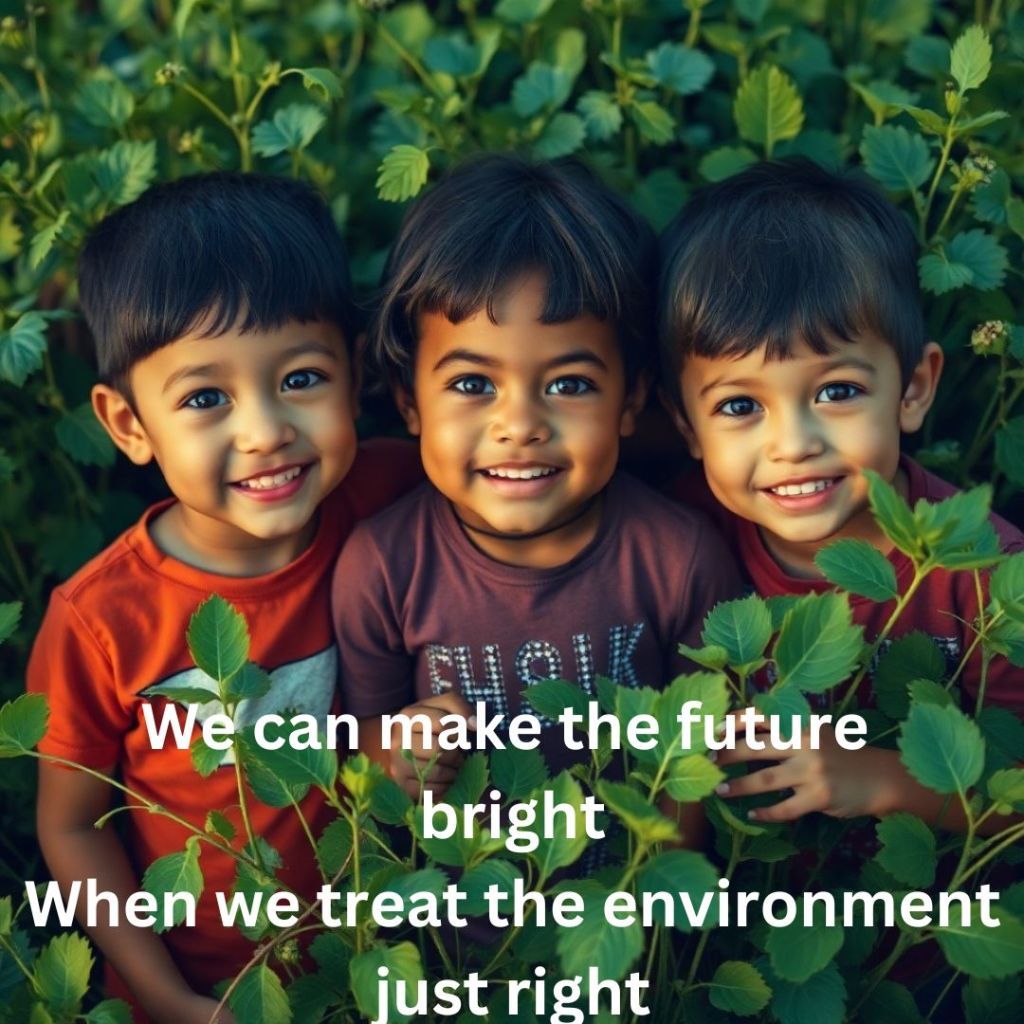
Click on the button below to purchase eco-kids books and help them to make the future bright. They can be empowered with eco-friendly solutions and green living tips each day. They will learn how to plan for their green future in the very best way. They could just decide to recycle more so they can have a future that is secure. The eco-kids books project provides books that are filled with eco-friendly solutions for pollution. When children read them, they are encouraged to begin taking action in simple ways. Join in and build environmental protection awareness in a new and better way.
Setting good examples for our children as we prepare them for a green future is the best thing we can do
Children who are prepared won’t be wondering how they will make it through
It is clear that most Governments are only interested in job creation and they don’t see environmental protection as an important issue
They won’t implement plans to stop deforestation or even check to see if what the scientist say is true
Eco-friendly Tips
1. Take children to farms and beaches as often as possible. This will help them to be aware of the impact our actions can have on the environment when they are told about how plants grow and how beaches are kept clean.
2. Children should be encouraged to learn more about reusing, reducing and recycling so they can be ready to live in a society that is focused on sustainable living .
3. Children can be taught about making craft items out of plastic and cardboard, they will learn to put an end to the unsustainable waste management practices we use now and start living in a more sustainable way.
4. Children should be taught about conserving and how bills can be reduced when they start unplugging the devices they use when they are done using them.
5. Children can learn about the things people do , when they decide to go green.
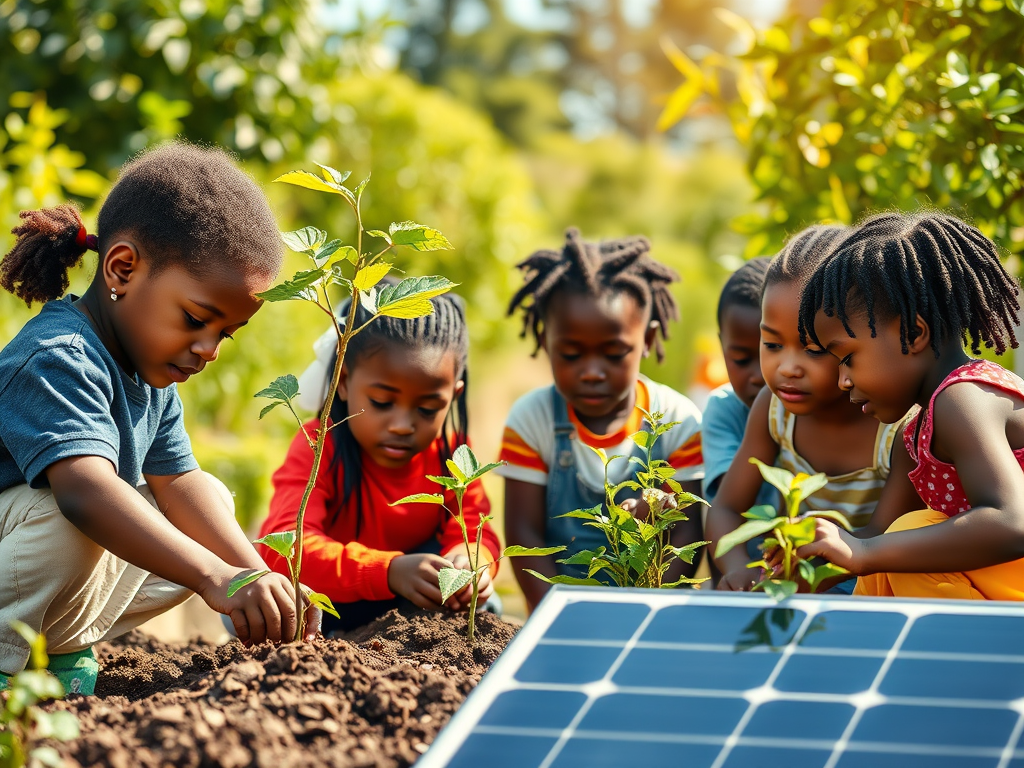
6. Children can plant seeds and take care of plants while they watch them grow.
7. Children can be taught about waste separation and composting.
8. Children can be taught that nature can be enjoyed when we do all we can to protect it.
9. Children can also be told about repairing old things and reducing the amount of waste that goes to landfills.
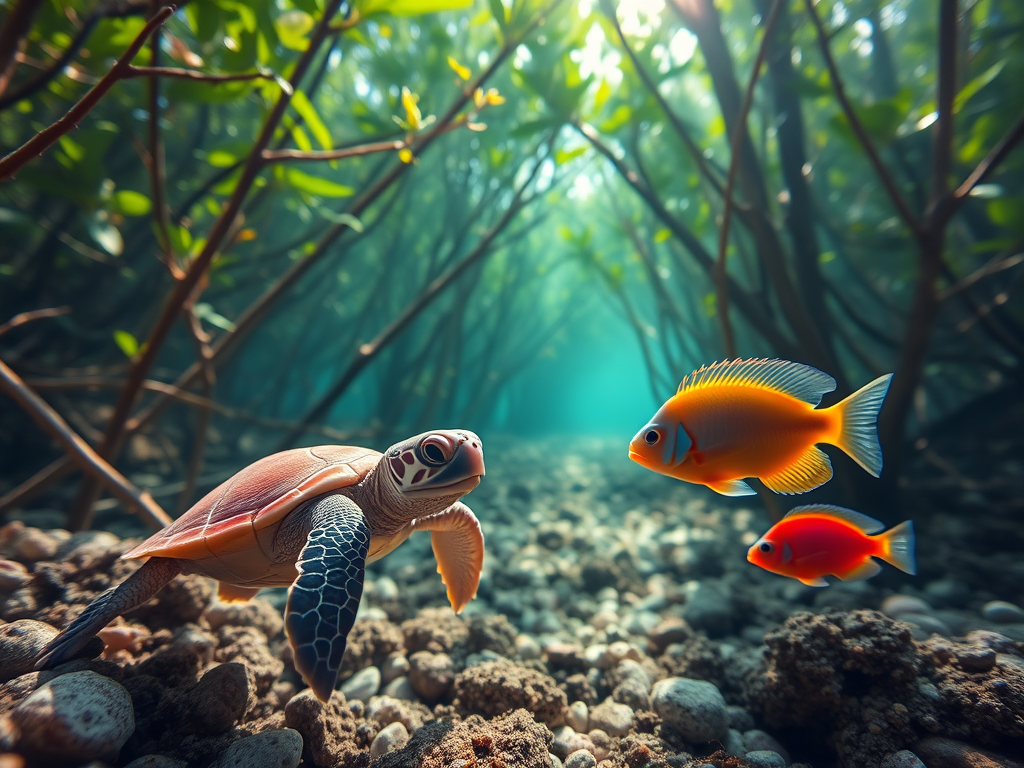
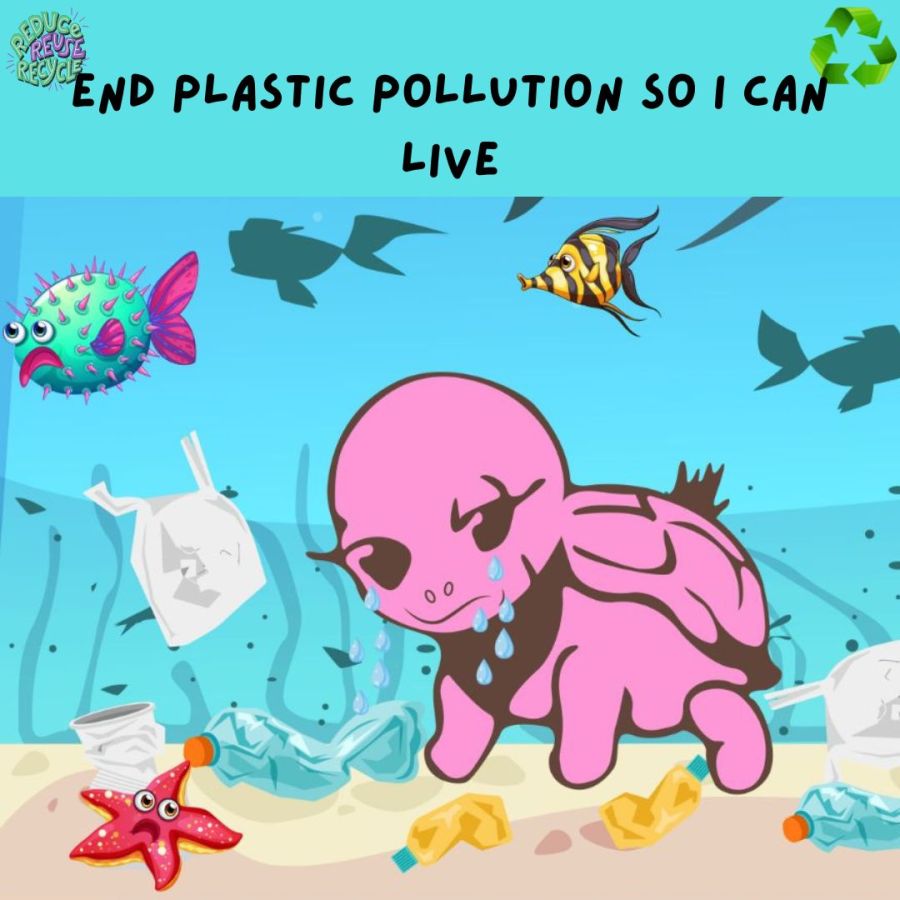
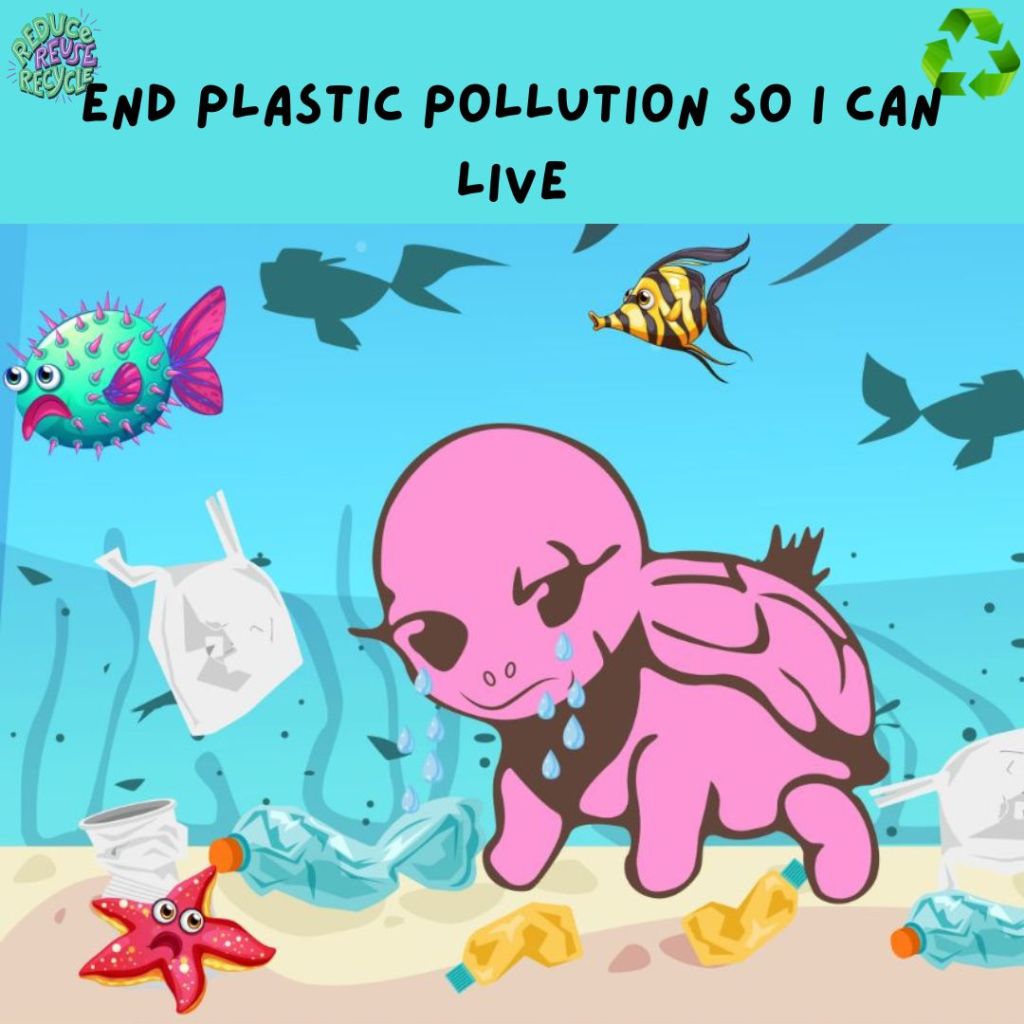
10. Children can also be told how plastic hurts the Turtles and other marine animals. They can learn about how micro plastics get into our food and water as well.
Why Children Should be Prepared to Face a Green Future
Preparing our children to face the future should be done in a new and better way because of the serious plastic pollution problem and the climate crisis. So much is changing and the catastrophic weather events are getting worse every day. They should be told how they can change their actions now.
Children should learn how to be thrifty as they can make things with plastic waste and save the environment and money.
It is time for us to tell all children more about what they could lose if we continue polluting the environment in the same way. So they can start planning to stop to have clean water, air and a soil that is not toxic
So let us tell them why they need to start reusing, reducing and recycling plastic
We just can’t continue to use plastic and other toxic materials to destroy the environment
We have been living in an unsustainable way and we need to do more to have sustainable development
The change in mindset can be shared with the children now that information has been simplified
Climate change is causing terrible things to happen to our earth now
This makes it important for us to share the climate solutions with the children somehow
Help children to understand that we are all facing a climate emergency
And their Government is trying to save the Earth by developing a new policy
We have seen how many persons denied the facts and didn’t could change their action
We must tell the children how things can get better when our actions bring satisfaction
Tackling the climate crisis needs the attention of us all, it is an all hands on deck moment
The children will need to know about the changes that are being made and we should tell them about our commitments
Ecofriendly Tips You’ll Find in E-Books for Children
Recycling, and how we will do waste separation
How reducing plastic use can help to fix the bad situation
Reusing plastic in creative ways and having more toys
Is a topic that is quite fascinating to both girls and boys
Tree planting is another topic that is covered in a great way
The Little boy Ricardo planted a tree and he had a lot to say
And then Taffy the Turtle loves to play
She and her siblings don’t want plastic to get in their way
The children’s ecofriendly children’s books will help children to see a brighter day
Children can now learn how to work towards having a green future
They can clearly see how protecting the environment will cause them to have a life that’s better
They will know that reusing, reducing and recycling will help to reduce plastic pollution
And see how they are not too young to become a part of the solution
They will also grow up with the right mindset
Tell them the having a green future is not out of reach as yet
There will be many green jobs in the future and they will be prepared
After a while they will be very thankful that there were adults who cared
Conclusion
Support the Eco-kids book project in many ways by encouraging more children to join Eco clubs in their communities and schools. They will live what they learn for many years and tell others how to go green. They can become the change they need to see if they are equipped with great eco-friendly tips and solutions. Click on the button below to visit the Eco-kids Book Shop on the Website Today. You will be helping to build environmental protection awareness in a new and better way. People who are aware will decrease pollution more often and remove these problems.

















 FunWritings