A New Era for Climate Solutions

A shift in the way we do carbon capture and decrease pollution has arrived. The people in Africa who had the most problems caused by pollution created solutions. A Carbon Negative Accord is bold and it is African. The Africans were suffering most from Climate Change and they seem to be finding the best solutions. The droughts and food shortages were crippling and they who suffered most decided to change their lives. Added to that it was revealed by a teacher recently, that we are not teaching our children the skills needed for 21 st Century jobs. The least we can do is help them to take care of their basic needs as they protect the environment. Much more sustainable jobs can be created if we do our best with what we have now.

Innovation and New Climate Solutions from Africa

It is best for us to encourage children to think of creating more solutions to decrease pollution. Fear of the warmer Earth can be disregarded, when more climate solutions can be found. Our children can continue preparing to lead the way to the brighter and greener future. Yes, African ingenuity is definitely using carbon science to help reduce the impact of climate change. There’s a growing ecosystem of innovation across the continent doing just that.


African Innovations Using Carbon Science to Reduce Climate Impact

Even though the climate crisis is being ignored by many, it has far-reaching consequences that cannot be overlooked. In Africa, the persistent drought has caused significant food insecurity, impacting millions of people who rely on agriculture for their livelihoods. This dire situation is exacerbated by the increasing frequency of extreme weather events, which disrupt traditional farming practices and lead to widespread crop failures. As a result, families are struggling to meet their basic nutritional needs, and the prospects for economic recovery in these regions are dwindling, highlighting the urgent need for global awareness and action to combat climate change.
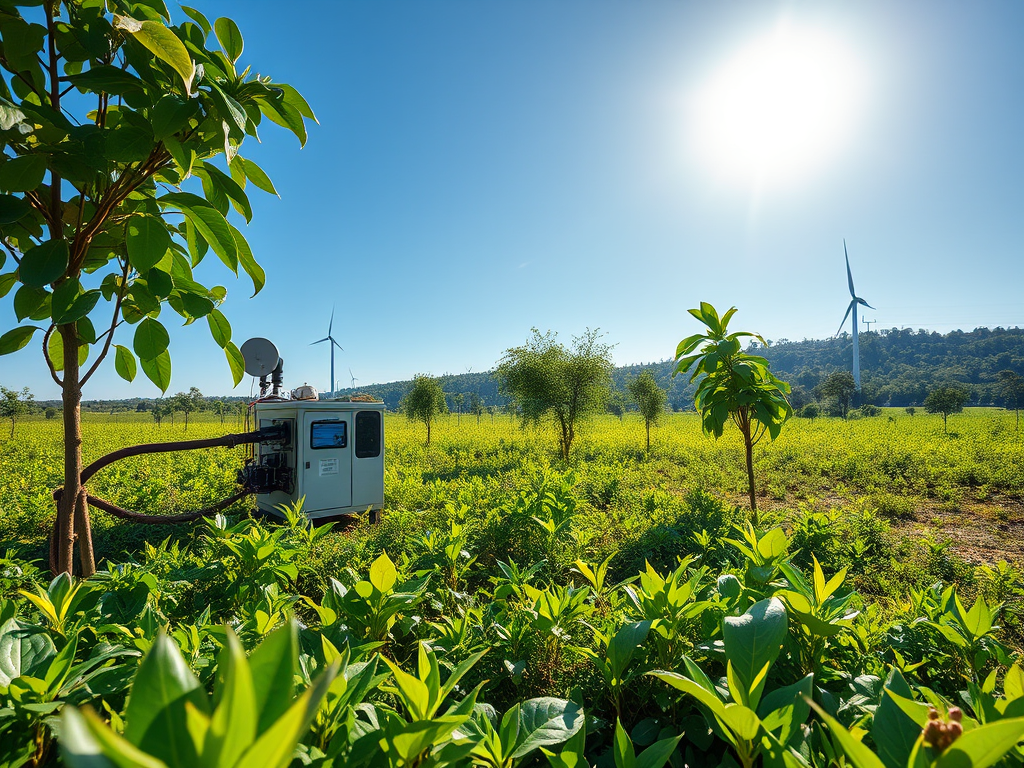
Carbon Capture in Africa
1. Emissions-to-Resource Technologies in South Africa

South Africa is deploying advanced multi-pollutant emissions abatement systems like CoalCO₂-X™, which captures CO₂, NOₓ, and SOₓ from coal power emissions. The captured gases are then converted into useful industrial products such as fertilizers and sulfuric acid. This transforms harmful emissions into valuable resources—reducing pollution and spurring economic development. (Innovation Bridge)


2. Nature-Based Carbon Projects & Carbon Markets

African initiatives like Africa Carbon Partners and the Africa Forest Carbon Catalyst (AFCC) are developing large-scale carbon projects, particularly through forest conservation and restoration. These nature-based projects generate verified carbon credits and foster ecosystems protection, biodiversity, and green job creation. (Africa Carbon Partners, The Nature Conservancy)

Moreover, the African Carbon Markets Initiative—launched at COP27—aims to establish domestic carbon markets that support a range of solutions from renewable energy to direct air capture, with a goal of creating 300 million new carbon credits annually by 2030. (The Conversation, UNDP)
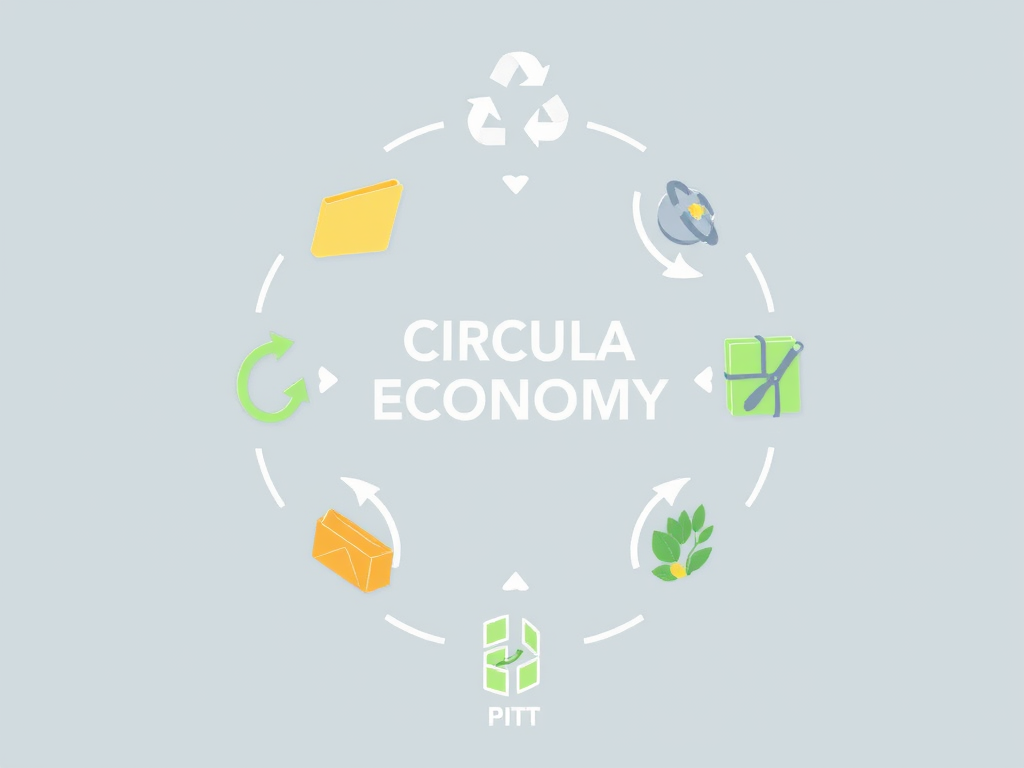
circular economy

3. Circular Economy Innovations

Innovators across Africa are finding creative ways to turn waste into resources. Examples include:

  • Coliba Africa (Ivory Coast): An app-based platform encouraging plastic recycling.
  • Mr. Green Africa (Kenya): Converts collected recyclables into raw materials for manufacturers.
  • Kubik (Ethiopia): Transforms plastic waste into affordable building materials.

These efforts combine circular economy principles with carbon reduction, preventing waste from becoming pollution. (Medium)


4. AI & Carbon Tools for Climate Resilience

Even though not exclusively carbon-focused, AI innovations like Amini (in Nairobi) are improving environmental data collection and bolstering climate-smart agricultural practices. Tools like these underpin future carbon monitoring and resilience measures. (TIME)

investing in the future by shopping for green kids books online
Why It Matters for Eco-Kids

If your Eco-Kids project teaches kids about plastic pollution and the environment, these real-world African innovations are powerful proof that science and creativity can turn pollution into solutions. Here’s how they connect:

  • From Emissions to Value: Kids can learn how carbon capture (like CoalCO₂-X™) shows us that “pollution doesn’t belong in the air—it can be turned into fertilizer for food.”
  • Nature as a Carbon Hero: Stories of forest restoration through carbon projects highlight how trees are not just beautiful—they’re climate protectors.
  • Waste into Building Blocks: Circular economy examples show how recycled plastic can become something new, useful, and sustainable.
  • Data for Climate Champions: AI tools, while complex, teach kids that climate change is solvable—especially when data is used wisely.
Conclusion and Call to Action

Now you know Carbon Capture can help us to have the future we all desire, making it a pivotal solution in our fight against environmental degradation and climate change. The children can grow up and keep on improving on what is being done now, building upon the lessons learned and innovations developed by previous generations. They will be equipped with the knowledge and tools necessary to explore new technologies and sustainable practices. Climate change can be a thing of the past, allowing us to create a healthier planet where future generations can thrive, benefit from clean air and water, and enjoy the natural beauty of our world without the looming threat of ecological disaster. Together, we can shape a brighter and more sustainable future for everyone.

Let us get it done, empower more children with books about environmental protection. They are filled with simplified environmental solutions, sharing them will help us to build environmental protection awareness in a new and better way. Click on the buttons below and join the team that is helping us to become the future we need to see.


Girl with book on kindle

The Missing Beat: Why Music Should Be Leading the Fight Against Climate Change 🌍

We’ve used music to sell everything from cars to candy, but somehow forgot to harness its power for the one thing that actually matters – saving our planet.

Think about it – music has been the secret weapon of advertisers for decades. Every car commercial has that perfect soundtrack that makes you want to hit the road. Every smartphone launch comes with a catchy jingle. Hell, we can’t even buy insurance without getting an earworm stuck in our heads for weeks.

But here’s what’s driving me crazy: Where was the music in climate action? It took so long to get here. Are you ready to begin singing for the planet ? Click here

cute pink baby turtle singing
The Power of Music We’re Ignoring

Music doesn’t just sell products – it builds movements:

  • Civil rights had “We Shall Overcome” and “A Change Is Gonna Come”
  • Anti-war movements had “Blowin’ in the Wind” and “Imagine”
  • Even charity campaigns use music (remember “Do They Know It’s Christmas?”)

Yet when it comes to the biggest challenge humanity has ever faced, we’re relying on dry statistics, depressing documentaries, and guilt-inducing PSAs. No wonder people tune out. The increased pollution get’s no attention while our health problems get worse.

Why This Matters More Than Ever

Music is the universal language. It crosses political divides, cultural barriers, and age gaps like nothing else can. A single song can:

  • Make complex environmental issues emotionally accessible
  • Turn climate anxiety into climate action
  • Create shared identity around environmental protection
  • Reach audiences that traditional activism never touches
The Missed Opportunity

We’ve proven music can make people:

  • ✅ Buy a specific brand of soda
  • ✅ Remember a phone number for pizza delivery
  • ✅ Feel nostalgic about breakfast cereal
  • ❌ Care enough about the planet to change their behavior??

This is backwards. We’re using our most powerful communication tool for the least important messages.

children learn faster when they sing
What Real Environmental Music Campaigns Could Look Like

Instead of another celebrity telling us to recycle, imagine:

  • Genre-specific climate songs that speak to different communities
  • Local musicians creating anthems for their region’s specific environmental challenges
  • Interactive music experiences that make climate data emotionally resonant
  • Festival partnerships that turn music venues into environmental action hubs
The Bottom Line

Music built every successful social movement in history. It’s time we stopped treating environmental protection like a homework assignment and started treating it like the cultural revolution it needs to be.

What do you think? Are there any musicians/songs that have actually moved the needle on environmental issues? The biggest marketing opportunity in human history is here?


A favorite environment-themed songs below – let’s start building the soundtrack for saving the planet 🎶🌱

#ClimateChange #EnvironmentalAwareness #MusicIndustry #ClimateAction #Sustainability #GreenMovement #MusicMarketing #SocialChange

listening to music

Gardening Skills: A Path to Healthier, Happier Kids

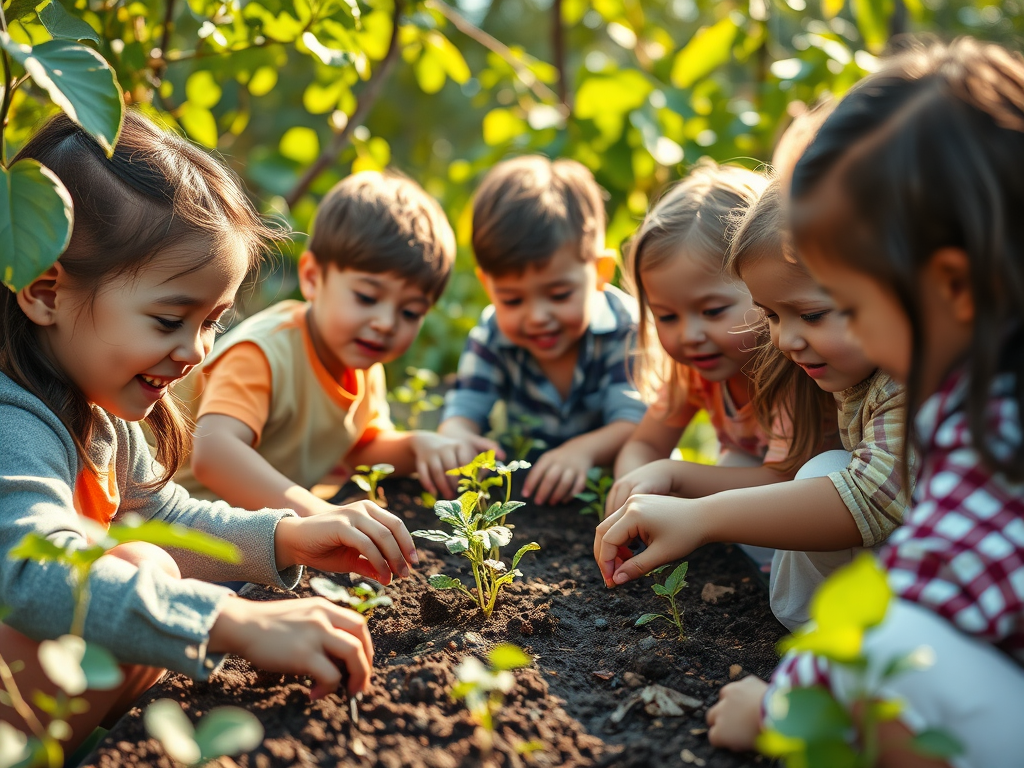
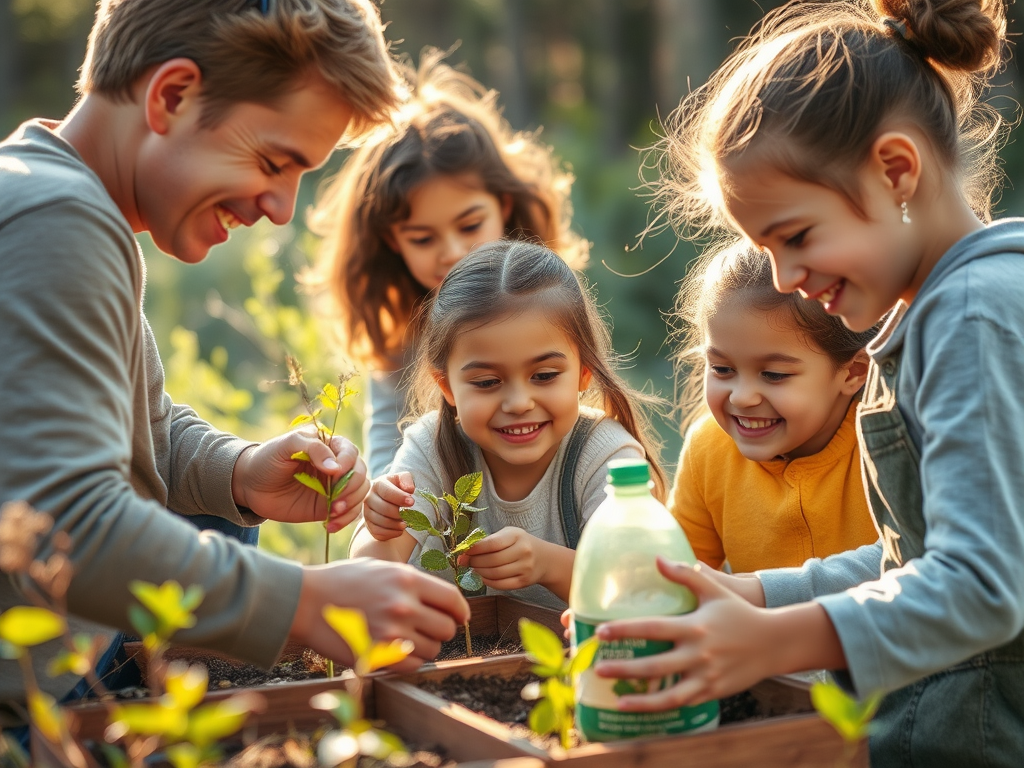
Every parent should want to raise children who are getting ready to take care of their most basic needs. Children benefit from gardening in many ways; it’s not just about growing plants, it’s about growing skills, confidence, and awareness. Engaging in gardening activities encourages them to learn patience, responsibility, and the value of nurturing life. As they sow seeds and watch them flourish, they develop a deeper connection to nature and an understanding of where their food comes from. Additionally, gardening can enhance their teamwork skills when they work alongside family members or peers. Here are the key benefits:

1. Health & Nutrition
  • They learn where food comes from and are more likely to eat fresh fruits and vegetables they’ve grown themselves.
  • Gardening gets them outdoors for fresh air and sunshine, supporting physical health.
2. Physical Development
  • Digging, planting, watering, and harvesting help build motor skills, coordination, and strength.
3. Responsibility & Patience
  • Caring for plants teaches consistency, responsibility, and the understanding that good results take time.
4. Environmental Awareness
  • Gardening connects children with nature, helping them understand ecosystems, pollinators, composting, and the importance of sustainability.
Children in their garden
5. Academic Learning
  • Gardening introduces math (measuring plant growth, counting seeds), science (photosynthesis, plant biology), and even literacy (reading seed packets, writing plant journals).
6. Emotional & Mental Well-being
  • Gardening is calming, reduces stress, and gives children a sense of accomplishment when they see plants grow.
7. Social Skills & Teamwork
  • Working in a garden with family, friends, or school groups promotes communication and cooperation.
8. Creativity & Problem-Solving
  • Choosing plants, designing layouts, and figuring out how to help sick plants foster creativity and critical thinking.
children and how they benefit from gardening

The numerous benefits children gain from gardening is explained, emphasizing various aspects like health, responsibility, and emotional well-being. By engaging in gardening activities, children not only learn essential life skills such as patience and perseverance but also develop a deeper appreciation for nature and the environment around them. Furthermore, the physical activity involved in digging, planting, and weeding contributes to their overall fitness, helping to combat the growing concern of childhood obesity. Beyond physical benefits, gardening instills a sense of responsibility in children, as they take charge of their plants’ growth and understand the consequences of neglect.

Moreover, the act of nurturing plants fosters emotional well-being, reducing stress and promoting mindfulness as they connect with their surroundings and experience the joy of watching their hard work flourish.

Actions for improvement:

1. Include specific examples or anecdotes to make the benefits more relatable.

2. Add visuals or infographics to enhance engagement and comprehension.

3. Eco club members should consider a call-to-action for parents or educators to encourage local gardening projects.

4. Provide resources or links for further reading on gardening and child development.

5. Parents should integrate quotes or insights from experts in child education about gardening.

The simplified information about the seed our children plant can be found in the book “Magic in the Seed”. Children can now learn about fascinating facts and begin thinking about the way a small seed can become a huge tree.

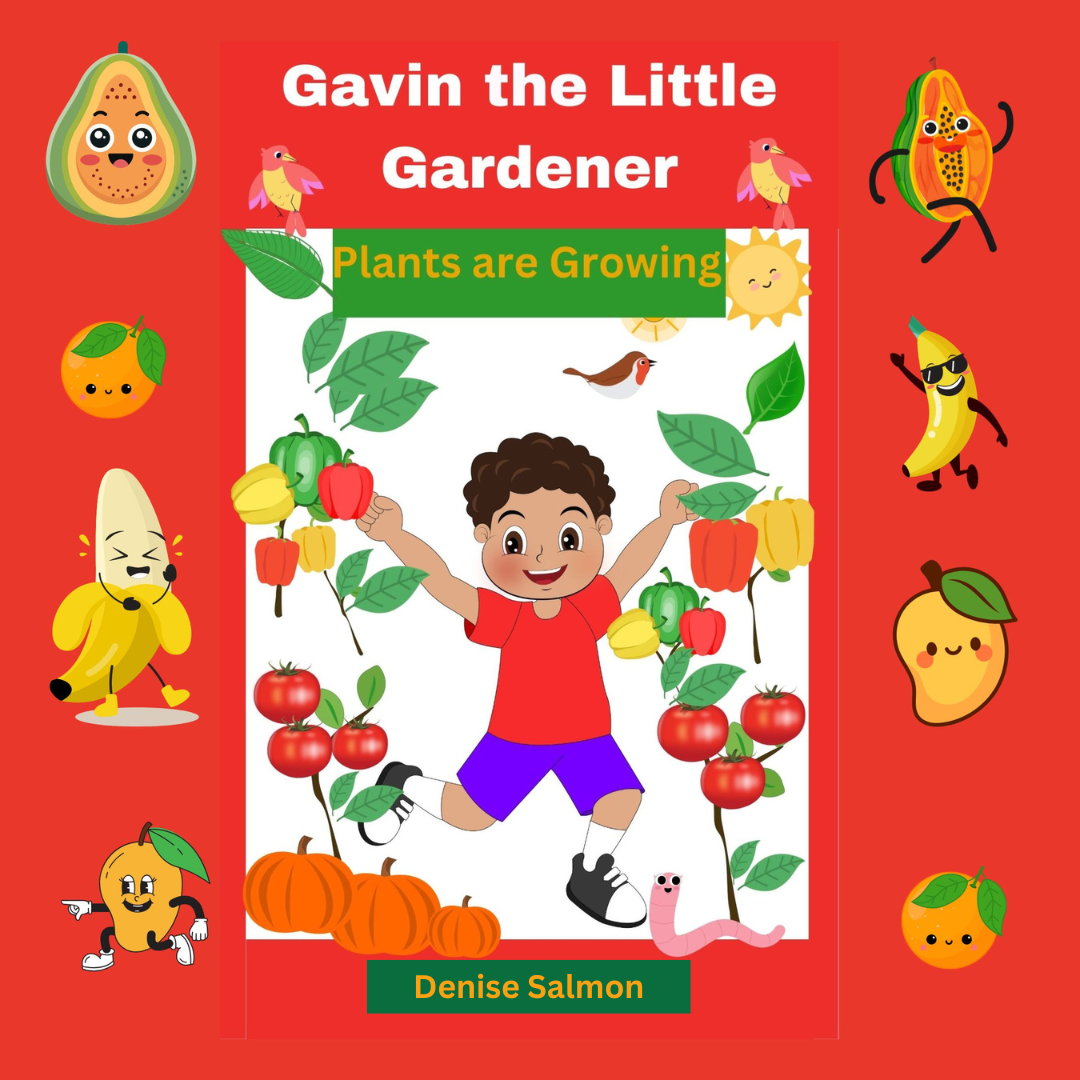
“Gavin the Little Gardener” tells about Gavin’s love for his Mango Tree after he planted it and nurtured it as he watched it grow. This book is included in the book bundle parents order when they are telling children how they can have a green future.

Book bundle
Decrease Future Food Insecurity

Telling our children how they can learn about tree planting and gardening will put them on the path that leads to their bright future. By encouraging them to engage in these hands-on activities, we not only empower them to understand the importance of sustainability and environmental stewardship, but also instill a sense of responsibility towards their surroundings. No more do they need to be dependent on others to take care of some of their most basic needs, as they will gain valuable skills that will last a lifetime. Empowering children with eco-friendly solutions is best.

Food insecurity can be a thing of the past when children are equipped with the knowledge of how to grow their own food, cultivate a garden, and appreciate the fruits of their labor. This not only enhances their physical well-being but also fosters a deeper connection to nature and the world around them. We cannot say we are helping our children to plan for their bright future if we are not giving them important information and practical experience about how they can contribute to their own sustenance and the health of the planet. By nurturing their curiosity and providing them with the tools they need, we can cultivate a generation that is not only informed but also inspired to create positive change in their communities through sustainable practices.

Call to Action for Companies

If you are a business owner, you can improve your companies green image and attract more customers by implementing sustainable practices that not only reduce your environmental footprint but also showcase your commitment to corporate social responsibility. Engaging in eco-friendly initiatives, such as using renewable energy sources, minimizing waste, and sourcing materials sustainably, can resonate with consumers who prioritize environmental consciousness. Additionally, promoting these efforts through effective marketing strategies can help raise awareness, build trust, and establish a loyal customer base that values your dedication to a greener future. Simply support the Eco-kids Book Project in many ways.

Empowering Future Generations: The Role of Green Schools

Learning how to protect the planet is one of the most important subjects to address in today’s world, as environmental issues such as climate change, deforestation, and pollution continue to escalate. Understanding the various ways we can contribute to sustainability not only empowers individuals but also fosters a collective responsibility among communities. By educating ourselves on topics like renewable energy, waste reduction, and biodiversity conservation, we can make informed choices that have a positive impact on our environment.
Moreover, actively participating in local and global initiatives like the Eco-kids Book Project can help raise awareness and promote effective solutions that benefit both our planet and future generations. This project gives everyone an opportunity to become a part of the best solution for pollution. With improved environmental education in simple language children are developing the eco-friendly habits that will cause them to become the change they need to see. Eco empowerment for kids is best that is why you will find many ways here for you to invest.

The Importance of the Green Schools

Continuing to educate children in the same way we did in the past will only cause us to see increased pollution and environmental degradation. Planning to achieve the sustainable development goals without telling our children much about it could easily cause them to have worse pollution problems in the future.

When they have the opportunity to learn in green schools, they will gain a deeper understanding of environmental solutions, empowering them to become passionate green entrepreneurs. As they create meaningful plans to heal our planet, they will not only be working towards a better world but they will also be enhancing the quality of their own lives in the process.

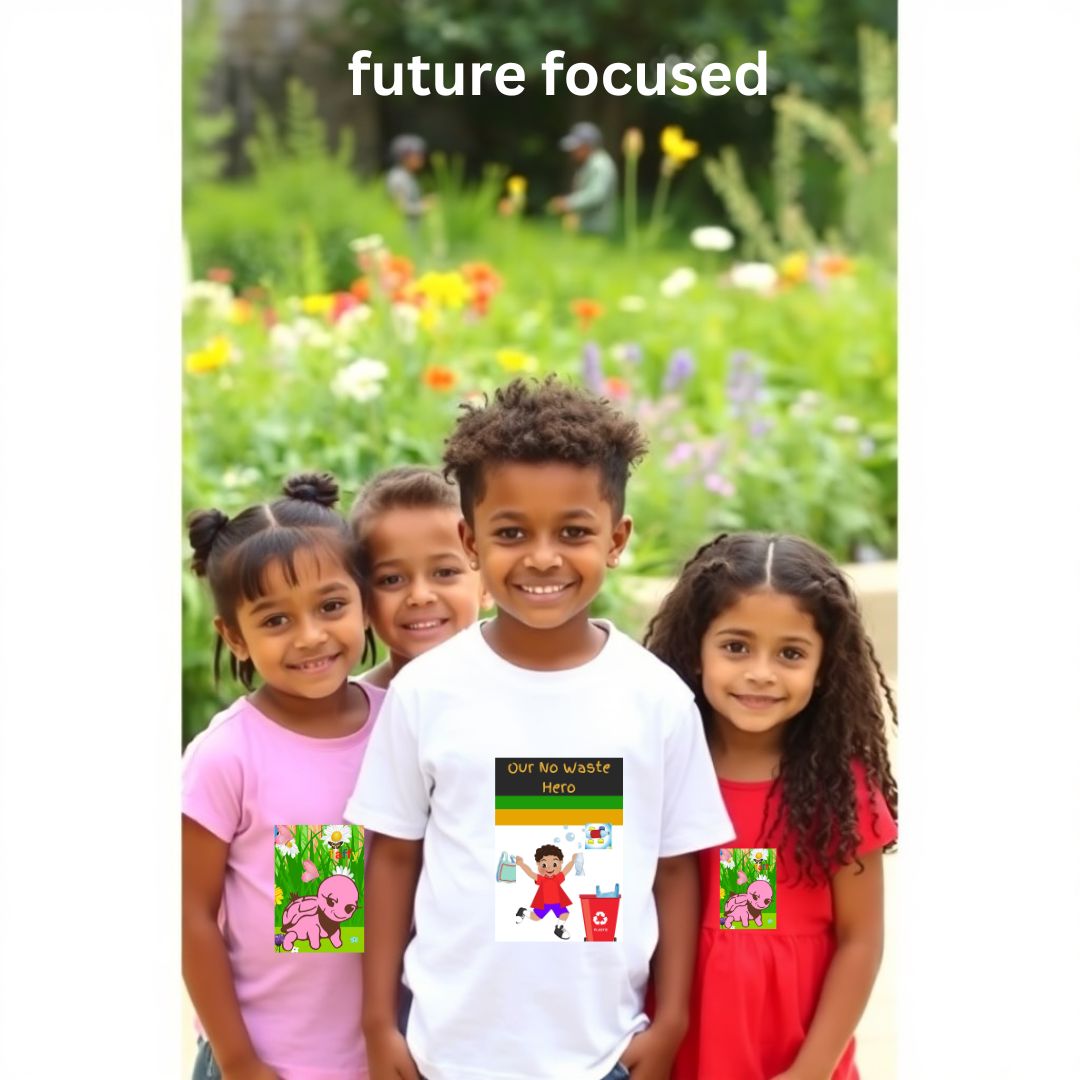
Future Focused Kids:

Students in Green Schools can be future-focused, and as they use artificial intelligence to solve many of the pollution problems we now have. They will be empowered in ways that help shape a sustainable world. By harnessing cutting-edge technology, they will not only gain practical skills but also develop critical thinking and innovative mindsets essential for addressing complex global challenges.

This generation has the potential to create intelligent systems that can analyze vast amounts of environmental data, predict pollution trends, and identify effective solutions to mitigate harm. Through collaboration and interdisciplinary learning, students will cultivate an awareness of their impact on the planet and be inspired to implement eco-friendly practices in their communities, ultimately contributing to a healthier environment for all.

children in green schools
Sustainability for Kids

Even the kids in kindergarten can have clubs with names like the “Little Green Hearts Club”. They will be learning about Green Living and sustainability in the best way. With simplified eco-friendly tips and solutions.

When Eco Kids and caring parents decide to make their future bright by building environmental protection awareness in a new and better way . They will simply share their eco-kids books with friends and families each day. Planning for the green future will be done in a much better way with fun and simplified solutions for pollution included.

We will have growing Green Families in more places, as the initiative to promote sustainable living gains momentum, and increased recycling efforts will lead to more people having sustainable jobs that contribute positively to the environment. This shift not only empowers individuals through stable employment but also fosters a stronger sense of community as families engage in eco-friendly practices together. By consciously reducing plastic use and embracing alternatives, we create a cleaner environment that enhances public health and well-being.

Do you believe that through these collective efforts, we can effectively decrease plastic pollution and alleviate poverty in this way, paving the path for a brighter and more sustainable future for all? How about a “Green Generation Club” where families meet and discuss plans to plant more trees and do more gardening? Eventually there will be less health concerns as food will be healthy again.

growing green family
Green Action-Oriented Plans

Would you like to see more Green Kids in Action? We can encourage more children to become members of “Earth Heroes Clubs” all over the world when the Eco Kids Book Project is supported in many ways. There can be Planet Protector Families in more places, using solar and wind energy to save money and the planet. Having more little Earth Champions can also become our reality when there are more green schools in more places.

Currently, the Eco-Kids Book Project has both songs and books, providing an engaging platform where children of all ages can become involved in planning for their green future. Through creative storytelling and catchy melodies, this initiative not only educates young minds about sustainability and environmental stewardship but also inspires them to take action in their communities. By participating in workshops and collaborative activities, kids can explore eco-friendly practices, learn about nature, and contribute their ideas to a greener world. Do you like that idea?

When Eco Kids are in the Community they will get together and do eco craft with more waste. This will improve their creativity and cause them to enjoy being in green schools even more. There will be more reasons for unity among Green Families and they will enjoy getting together when they are planning to make their future and the future of green schools better.

Environmental Kids Club activities are important, they help children to develop the habits that will shape their future. Parents raising Earth-Friendly kids and sending them to green schools can become the thing to do, as we plan for the green future.

The name “Little Green Hearts Club” can be the name you choose for the eco-kids club in your child’s green school. It is warm, memorable and suggests both caring and environmental focus. We benefit in many ways from these green ideas.

Conclusion

Growing Green Families can be a part of the bigger plan that will cause us to have the green future we all desire. We can place an emphasis on the development of the plans for achievement of the sustainable development goals and we could see improved family involvement. With fun eco-friendly children’s stories; children will be in a playful mood when they are doing green activities with parents.

Green living should feel welcoming to parents and exciting to kids. The eco songs and rhyming eco-kids books make an awesome combination that children will like learning with in school and at home. You might also test a few favorites with your children today to see which generates the most enthusiasm. Click on the buttons below to visit the YouTube Channel, the Facebook Group and the EcoKids Book Shop.

Simple Steps to Reduce Pollution and Inspire Kids

Pollution is one of the most urgent challenges of our time. From air pollution caused by vehicle emissions, to plastic pollution choking our oceans, to water contamination, soil degradation, and toxic waste, the health of our planet and our children’s future is at risk.

But change doesn’t only come from governments or corporations. Real, lasting impact begins when ordinary people choose to live differently. By becoming the change we want to see, we not only reduce pollution in our daily lives but also set a powerful example for the next generation. We can also save money while we are protecting the environment and raise children who are ready to have a bright future.


🌱 Why Leading by Example Matters

Children learn by watching. If they see us using single-use plastics, wasting water, or ignoring pollution problems, they’ll assume that’s acceptable. But when they see us reusing shopping bags, walking or biking instead of driving short distances, recycling and composting, speaking out about environmental issues as we encourage others to become the change they understand that small, consistent actions can protect the planet. Our habits today become their habits tomorrow.


parents with child reaping tomatoes
🌿 Major Pollution Problems We Must Address
  1. Air Pollution
    • Cars, factories, and burning fossil fuels fill the air with smog and carbon emissions.
    • Solution: Use public transport, plant trees, switch to renewable energy.
  2. Plastic Pollution
    • Over 8 million tons of plastic enter oceans each year, harming turtles, fish, and seabirds.
    • Solution: Say no to single-use plastics, carry reusable bottles and bags, recycle properly.
  3. Water Pollution
    • Chemicals, oil spills, and untreated waste contaminate rivers, lakes, and oceans.
    • Solution: Reduce chemical use at home, support clean water projects, avoid littering near waterways.
  4. Soil Pollution
    • Pesticides, heavy metals, and landfills damage soil fertility.
    • Solution: Compost food scraps, support organic farming, reduce waste going to landfill.
  5. Noise & Light Pollution
    • Often overlooked, these affect human health and wildlife.
    • Solution: Conserve energy, reduce unnecessary lighting, advocate for quieter, greener cities.

green parents teaching children about waste separation
🌟 How We Can Become the Change

Start at Home by switching to eco-friendly cleaning products, conserve energy, and recycle consistently. Go Green with Transportation, walk, cycle, carpool, or use public transit when possible. Consume Mindfully by Buying less, choose sustainable brands, and support eco-friendly businesses.

Teach & Involve Children: Involve kids in gardening, recycling, and eco-projects so they grow up with green values. Become a Voice as you Share knowledge on social media, in schools, or in community groups. Change inspires change.


becoming the change we need to see
🌍 A Greener Legacy for the Next Generation

When we reduce pollution in our daily lives, we do more than protect the planet, we build a culture of responsibility, respect, and sustainability. Our children will grow up knowing that protecting the Earth is not optional, but essential.

By becoming the change we want to see, we prove that actions speak louder than words. And those actions such as planting trees, reducing waste, conserving energy and gardening become seeds of hope for future generations.

How KIds Benefits From Being Aware of Their Basic Needs

When you teach a child about their basic needs and self-care, several positive things typically happen. They immediately develop a sense of agency and confidence in their ability to take care of themselves. You will find that they start understanding the “why” behind daily routines (eating, sleeping, hygiene). You could find that they feel more grown-up and responsible, as the thought of becoming a great adult is what most children find motivating.

Developmental outcomes can be awesome as they begin developing executive function skills and practice planning and organizing their self-care. Their self-awareness increases as they learn to recognize when they’re hungry, tired, or need comfort. Eventually they build problem-solving skills by figuring out how to meet their needs appropriately.

Long-term effects:

  • They’re better prepared for increasing independence as they grow older
  • They develop healthier relationships with food, sleep, and their bodies
  • They’re more likely to make good decisions about their well-being throughout life
son riding beside his Mom

How to approach it effectively: Start with concrete, age-appropriate concepts. For younger children, focus on basics like recognizing hunger and fullness, understanding why we sleep, or knowing how to ask for help. As they mature, you can introduce more complex ideas about emotional needs, social connections, and making healthy choices.

The key is framing it positively; not as burdens they must carry, but as skills that help them feel strong and capable. Children generally respond well when they understand they’re learning to be their own helpers.

Together, we can decrease pollution and set the kind of example that ensures a healthier, greener future for our children.


How Parents Can Help Children Become the Change: Eco-Friendly Ways to Get to School 🌍

Are you ready to discover how parents can inspire children to become eco-conscious leaders by choosing eco-friendly ways to get to school? They can walk, cycle, carpool, or pack zero-waste lunches to raise a greener generation.

Sustainability is a great solution. It will help us all to live in a great way. The creation of sustainable jobs will fix our unemployment problems . Children who are aware of the needs of the planet at this time will gladly embrace the eco-friendly plans we tell them about. Together we can all become the change we need to see.
eco-friemdly tips
Why Eco-Friendly School Journeys Matter

Children today are growing up in a world where climate change and pollution are real challenges. As parents, one of the best gifts we can give them is the chance to learn sustainable habits early on. Something as simple as the daily school commute can become a powerful lesson in caring for the Earth.

By choosing eco-friendly ways to get to school, parents help children understand that small actions make a big difference. These daily choices shape not only the environment but also the values our kids carry into adulthood. When they know why these green choices are important, they will even tell their friends about them. This is how they will begin building environmental protection awareness on their own.


5 Eco-Friendly School Commute Ideas for Families
1. Walk to School 🚶‍♀️🌱

If your child’s school is nearby, walking is the simplest and greenest option. It reduces carbon emissions, provides exercise, and gives families a chance to connect before the day begins. They will enjoy the ride much more than when they are sitting in a car.

girl riding motorcycle to school
2. Cycle or Use a Scooter 🚲🛴

Encourage independence and fun while reducing your carbon footprint. Teaching road safety and responsibility also makes cycling a life skill that lasts beyond school years. Parents can ride their own bikes alongside their children as they guide them for a while. The whole family can benefit from these eco-friendly tips and ideas.

3. Start a Carpool 🚗💚

If walking or cycling isn’t possible, carpooling with neighbors or classmates reduces traffic and emissions. Plus, children enjoy the social aspect of traveling with friends.

4. Take Public Transportation 🚌🚆

Buses and trains are more sustainable than single-car rides, and they teach children to navigate public systems confidently.

zero waste lunch for kids
5. Pack a Zero-Waste Lunch 🍎🥪

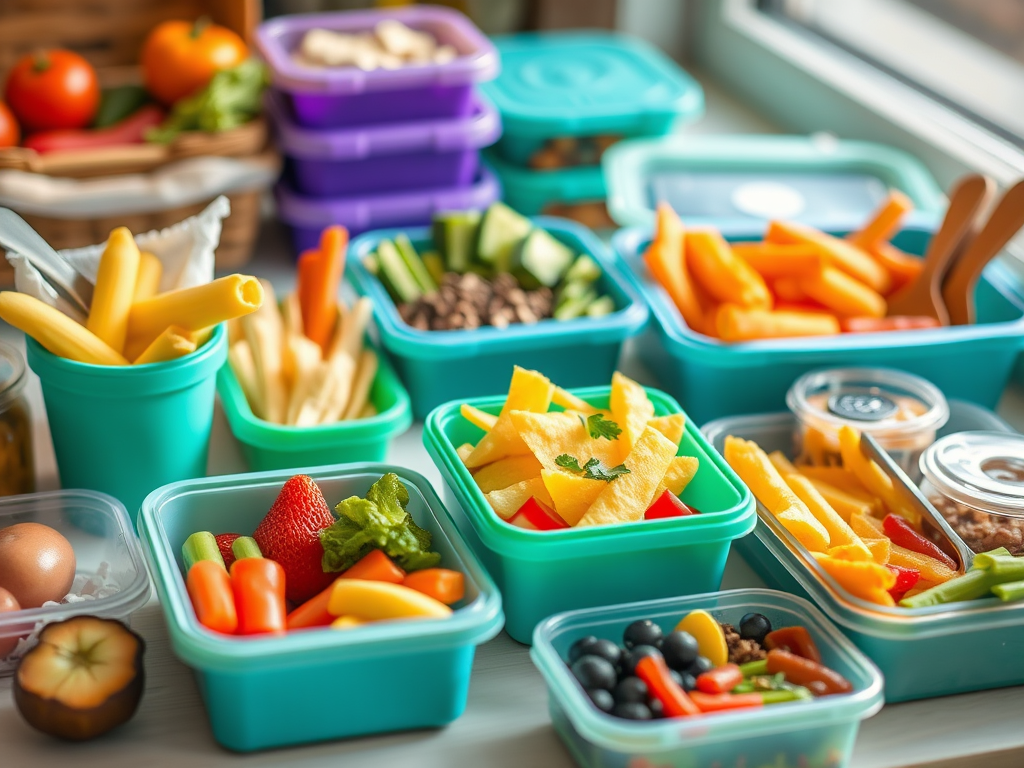
The eco-friendly journey doesn’t stop at the school gate. Reusable containers, cloth napkins, and refillable bottles help children learn the value of reducing waste.


Parents as Role Models in Sustainability

Children mirror what they see. When parents choose an eco-friendly school commute, kids learn that protecting the planet isn’t just a school subject—it’s a way of life. Families who walk, recycle, and reuse together create lasting habits that empower children to become the change-makers the world needs.

Raising Eco-Conscious Kids for the Future

By combining sustainable parenting with practical eco-friendly habits, we are raising children who grow into responsible global citizens. Each eco-friendly school journey is more than just a commute, it’s a daily act of climate action and love for the planet.

🌎💚 When parents and children choose eco-friendly school routines, they’re not just getting to class, they’re building a greener future. Children learn from almost everything parents do and green parenting is a real game changer.


Conclusion and Call to Action

Planning a green future for kids is the best thing we can do. In a time when artificial intelligence- ai is causing many changes in the way we live children should prepare for their future in the best way. The jobs their parents did and are doing now might not be available when they grow up. Sustainable job creation is a great solution as the restoration of the many damaged places on the planet will cause us to see improved living conditions. Support the Eco-Kids Book Project in many ways today in many ways. By simply listening to eco songs, purchasing eco-kids books for kids so they can learn about the many eco-friendly solutions and order gigs on fiverr .

Back to school in the eco-friendly way

🌱 Back to School with the No Waste Hero: An Eco-Friendly Plan for Kids and Families

As backpacks will get filled with new supplies and classrooms buzz with excitement, the back-to-school season is the perfect time to teach kids about more than just math and reading. It’s also a chance to raise awareness about protecting our planet. If you want to see decreased pollution and help children to make their future bright. You will support a project that makes it simple to improve the easy way they learn about simplified pollution solutions.

That’s where our No Waste Hero comes in! 🦸‍♂️💚
This friendly character helps kids and families make small, everyday choices that lead to a healthier planet. Here’s how you can join him on an eco-friendly back-to-school journey.


no waste hero with reusable bag and bottle
✏️ 1. Choose Reusable Supplies

No Waste Hero says: “Every pen, notebook, or bag you reuse saves the Earth from increased waste and pollution!”

  • Opt for refillable pens and recycled paper notebooks.
  • Pick durable backpacks and lunchboxes instead of single-use options.
  • Encourage kids to decorate and personalize reused items to make them special.

When children learn how to save the planet in simple ways, they will plan to have brighter days, understanding that even small actions, like recycling, conserving water, and planting trees, can contribute significantly to a healthier environment. By fostering a sense of responsibility towards nature, they can develop lifelong habits that promote sustainability and inspire their peers to join in these efforts, collectively enhancing their communities and ensuring a better future for generations to come.

reusable containers

🥗 2. Pack a Waste-Free Lunch

No Waste Hero asks: “What’s in your lunchbox—trash or treasures?” He will help you to choose the reusable containers.

  • Use reusable containers, water bottles, and cloth napkins.
  • Add healthy snacks in bulk to avoid single-use plastic wrappers.
  • Teach kids the joy of composting fruit peels and food scraps. Tell them how healthy organic food is.

Telling children more about green living each day as you live in a sustainable is best. They will develop the green habits that will stick with them for the rest of their lives. Children live what they learn, so let us teach them well.

bicycle to ride to school
🚴 3. Go Green on the Way to School

No Waste Hero reminds us: “Every step, pedal, or shared ride cuts pollution!”

  • Walk or bike whenever possible.
  • Set up carpool groups to reduce traffic and emissions.
  • Use public transportation for a greener community.

When children know how green activities will cause them to see decreased air pollution etc. They will gladly begin making sustainable choices.


📚 4. Share and Swap Supplies

Instead of buying everything new, No Waste Hero suggests:

  • Host a classroom or neighborhood supply swap.
  • Donate gently used clothes, shoes, and supplies.
  • Teach kids the power of community sharing.
kids in eco club
🌍 5. Join the Eco-Club at Home or School

Learning doesn’t stop with books! Kids can easily join or start eco-clubs to:

  • Lead recycling projects.
  • Create posters about saving energy and water.
  • Share green tips with classmates.

💡 Why This Matters

Why connecting green living with back-to-school shopping is good. Shopping can create lots of waste, with many packages and plastic bags to discard, but opportunities for change are also included. With guidance from the No Waste Hero, families can turn everyday habits into eco-friendly actions.

With the growing list of pollution problems and increased production due to increased use of AI robots, children will need to be prepared to use many environmental solutions to decrease pollution. This preparation involves not only understanding the sources and effects of pollution but also learning about innovative technologies and practices that promote sustainability. Educational programs should equip them with knowledge about renewable energy, waste management, and conservation efforts, enabling them to actively contribute to environmental protection.

Furthermore, fostering a mindset of responsibility and stewardship towards the planet will empower the younger generation to advocate for cleaner practices and develop creative solutions that mitigate environmental impact, ensuring a healthier world for future generations.

By teaching kids simple green living steps now, we’re empowering them to become tomorrow’s leaders; protecting the Earth with every choice they make. 🌱✨

✅ Ready to Begin?

Start your eco-friendly school year today with Fun Writings eco-kids books, poems, and songs that inspire children to become little eco-heroes themselves. Joining the Facebook Group and sharing ideas with other green parents will make it easier for you to keep on using the green living tips while you are making your future bright.

👉 Visit: funwritings.com
👉 Follow No Waste Hero’s adventures all year long! In the Facebook group

Begin the term with a new plan to go green and save money in many ways. You will be buying less drinking water for your family when you use a water filter, using more reusable bottles, using less plastic wrap and single-use-plastic and shopping less. Simply click on the links below to find the eco-kids books, eco songs and more.


children's book with eco friendly messages

Book bundle

Confronting Industrial Pollution: A Call for Action

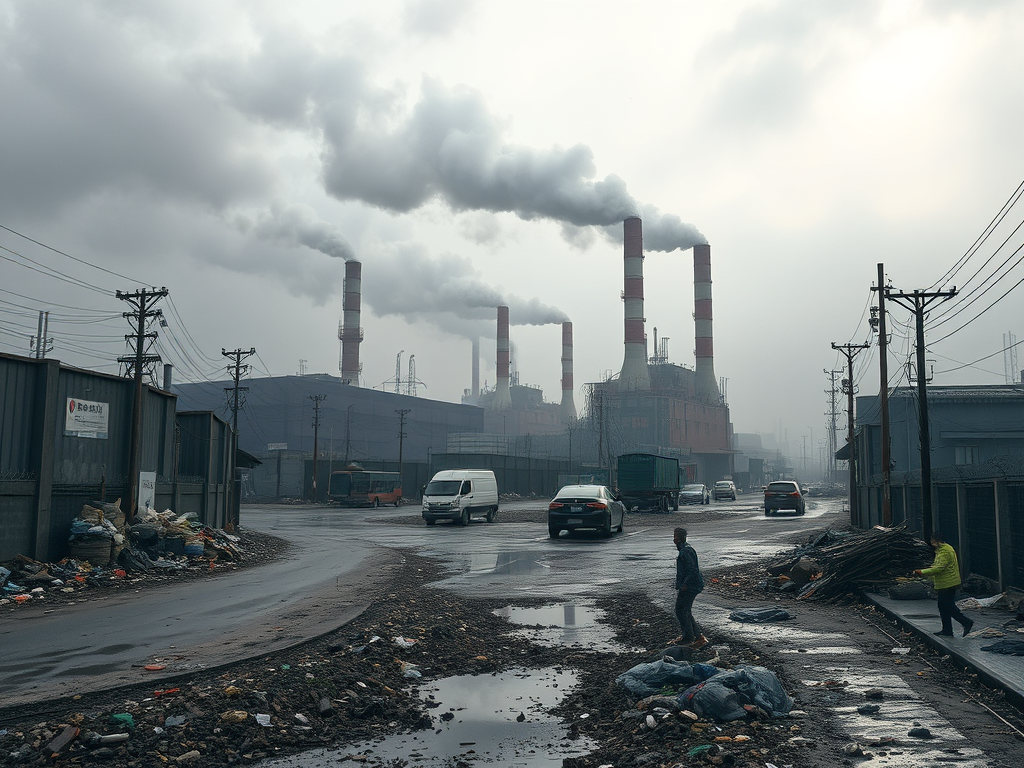
When the rich can pollute the air, water and soil and the complaints of the poor go unheard. We are on a path that will lead to the destruction of the whole world if more rich people find more destructive ways to earn. Children should not be having respiratory issues because of huge corporations. Since we know the industrial revolution lead to so much destruction. We should begin planning to develop more small businesses as we think about sustainability. It is also time for us to begin raising children who are ready to begin planning for a sustainable future.


Industrial development has fueled economies worldwide but it has also left behind one of the most devastating challenges of our time: air pollution. From factories spewing toxic fumes into the skies to industries burning fossil fuels without accountability, communities around the world are paying the price with their health. Do you want to have a world that is too toxic for us to live in? Without small business growth we will have factories filled with robots and high unemployment. It is time for us to change the way we plan for our future. I know of a young man who learned to make sandals and he is seeing increased business growth.

😷 Who Is Harmed Most by Air Pollution?

Air pollution does not affect everyone equally. It is most harmful to:

  • Children – whose developing lungs are especially vulnerable. Studies link polluted air to asthma, slowed brain development, and even reduced school performance.
  • Elderly populations – often battling pre-existing health conditions worsened by toxic air.
  • Low-income communities who frequently live closest to industrial plants and lack resources to relocate or protect themselves.
  • Workers in polluting industriesexposed daily to unsafe levels of chemicals without adequate protections.

These individuals are often silent victims of industrial “progress,” bearing costs that industries rarely acknowledge. The consequences of such advancements extend beyond mere financial loss; they encompass a profound impact on their health, environment, and overall quality of life. Many times, these affected individuals feel voiceless and struggle to bring their concerns to light amidst the booming economies that prioritize growth over human welfare.

As industrial activities continue to expand rapidly, there is a pressing need for more oversight and accountability, ensuring that the rights and well-being of these vulnerable populations are recognized and protected. Only through comprehensive regulations and community engagement can we hope to create a more equitable approach to industry that considers both progress and the human cost involved.


environmental pollution and poor health conditions
💚 What Should Be Done for Them?
  1. Stricter Regulations: Governments must enforce laws that limit emissions, monitor pollution, and penalize violators.
  2. Medical Support: Communities affected by industrial pollution deserve healthcare programs to treat and prevent pollution-related diseases.
  3. Green Zones: Creating green spaces, reforestation, and buffer zones around factories can help absorb pollutants and reduce exposure.
  4. Community Education: Families should be informed about the dangers of air pollution and provided with tools to protect themselves (such as indoor plants, masks, and cleaner cooking technologies).
  5. Corporate Responsibility: Industries must invest in cleaner technologies and sustainable business models instead of prioritizing short-term profits.

We should not continue on this path, as some humans believe the lives of workers are not that valuable because they can easily be replaced. This will lead to the depletion of the work force. There will be a day when no one wants to work with these companies anymore.


team of workers making sustainable plans
🌱 Sustainability Plans for the Next Generation

The most powerful long-term solution lies in how we raise our children today. If children grow up learning about eco-literacy and sustainability:

  • They will both expect cleaner, greener practices from industries; and when they become managers, they will develop better plans to decrease pollution.
  • They will design business plans that integrate sustainability as a core principle, not as an afterthought.
  • They will innovate in renewable energy, waste reduction, and circular economy systems.
  • They will refuse to trade economic growth for environmental destruction.

investing in the future by shopping for green kids books online
Clean Air- A Human Right

Industrial pollution has harmed millions, but the cycle can be broken. Immediate action must protect today’s victims, while eco-literacy in children ensures tomorrow’s industries will not repeat the same mistakes. We can make a plan to have a clean environment.

In short: clean air is a human right and sustainability must become a business standard. The current statistics shows how bad our situation is; 709,000 children under five have major health risks. In 2021 air pollution caused 8.1 million deaths globally and there there has been noncommunicable diseases like heart disease and stroke.


Conclusion and Call to Action

This is why initiatives like the Eco-Kids Project are vital. By teaching children eco-friendly solutions through stories, songs, and creative activities, we are preparing future leaders who will demand and design a world where business growth goes hand-in-hand with environmental care.

Making plans for a sustainable future is no longer optional. With increased use of artificial intelligence and robots there will be increased production and pollution. If we would stop and think about our children and their future, more could be done to decrease pollution. The Eco-Kids Project found an easier way for everyone to build awareness about the need for environmental care. You can simply share eco songs videos found on Youtube and environmental children’s books found on here with friends and loved ones. They are filled with simplified eco-friendly tips and solutions.

Taffy Turtle

How Kids Stories Spark Green Action: Eco-Friendly Solutions from Taffy the Turtle and Friends

Taffy Turtle stories offer simplified eco-friendly solutions for pollution and help spark real-world green action by engaging readers in exciting adventures that illustrate the importance of environmental awareness. Through imaginative narratives, these tales inspire children and adults alike to take meaningful steps towards sustainability, such as reducing waste, recycling, and conserving energy. By weaving in relatable characters and compelling plots, Taffy Turtle serves as a catalyst for discussions about climate change and the impact of our daily choices, encouraging everyone to become proactive stewards of the planet.


Pollution is one of the greatest threats to our planet, but education and creativity can be powerful tools in the fight against it. Through engaging rhymes, colorful illustrations, and practical eco-friendly tips, the Taffy Turtle eco-kids book series shows that even young children can take meaningful action.

Each story isn’t just a tale — it’s a simplified solution in disguise, planting seeds of awareness and sparking positive change in homes, classrooms, and communities. When it is easy for adults and children to learn about environmental solutions together we can only keep on moving in the right direction.

Here’s how each book contributes to a greener future:


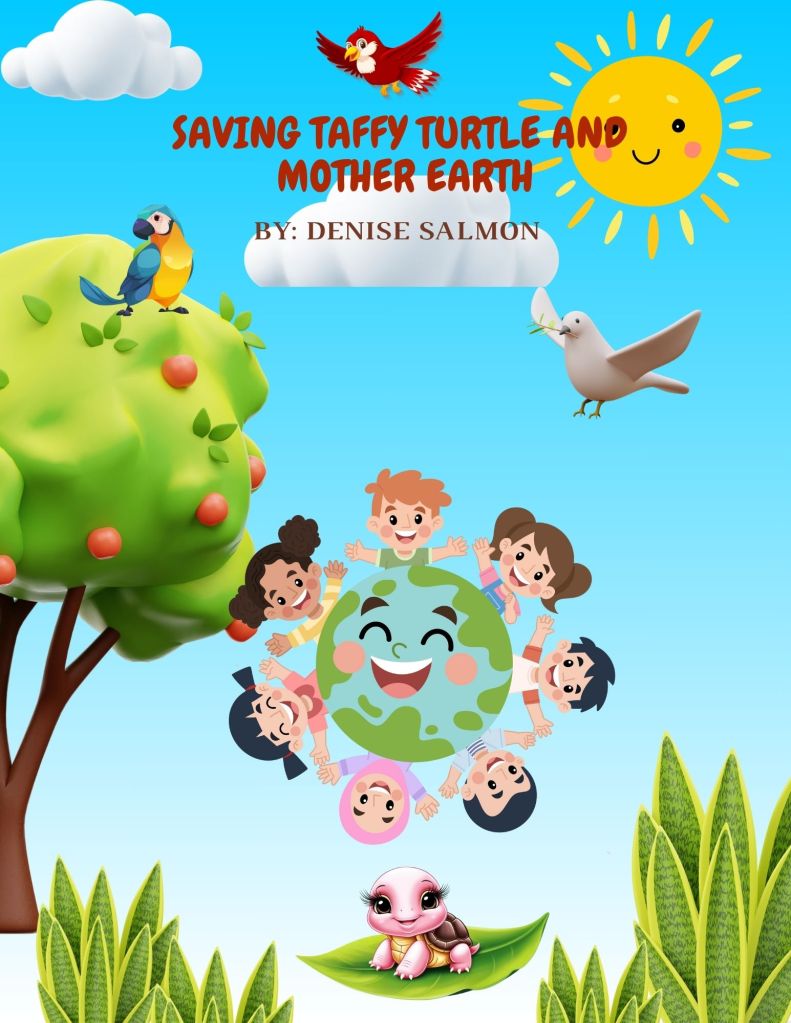
Saving Taffy Turtle -cover
🐢 1. Saving Taffy Turtle

Problem: Plastic pollution in the ocean
Solution: This story introduces the heartbreaking danger sea creatures face from plastic waste. Children learn how single-use plastics harm marine life — and are inspired to reduce plastic use, pick up litter, and care about the sea.


Taffy Turtle Eco-kids book
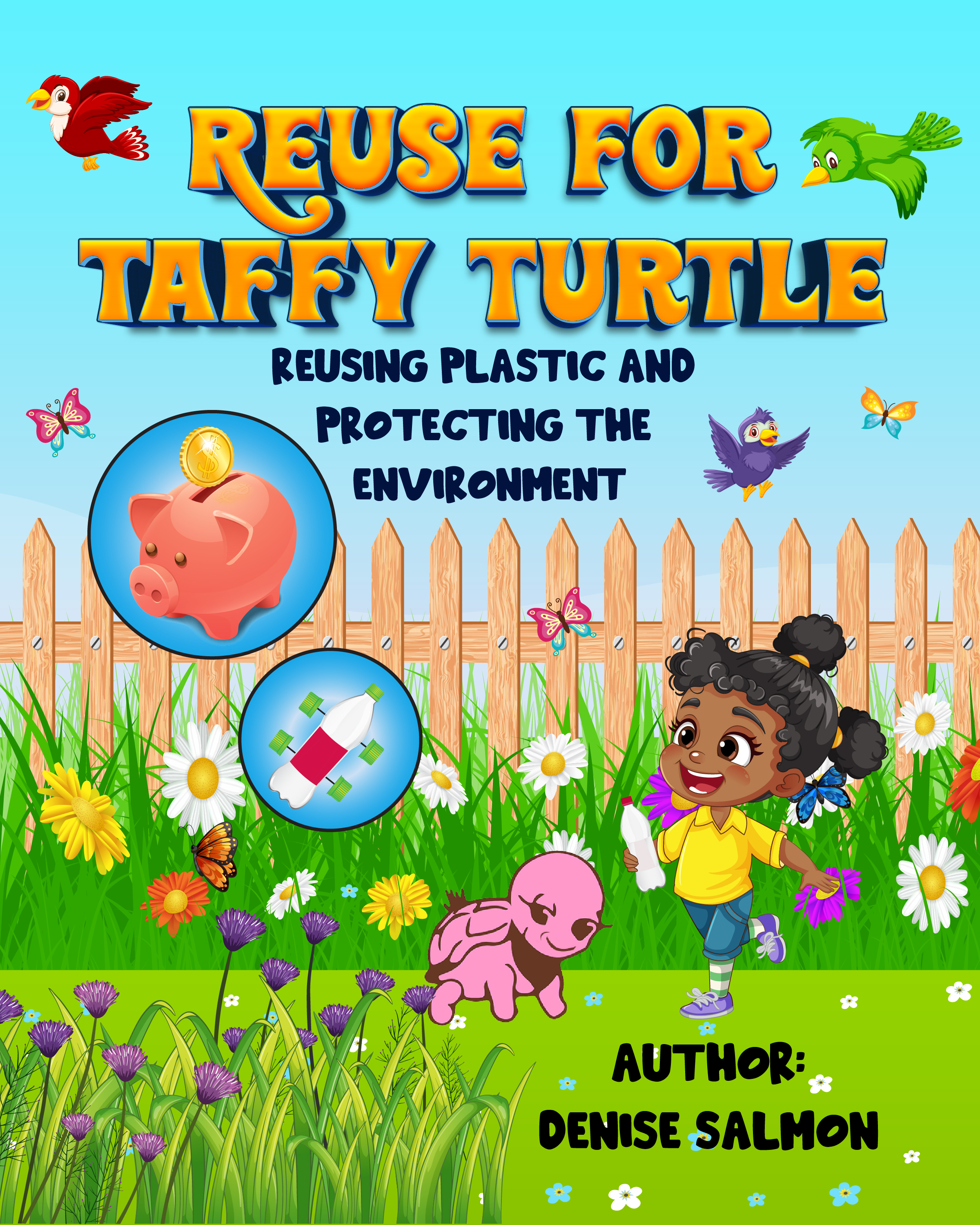
🔁 2. Reuse For Taffy Turtle

Problem: Wasteful habits
Solution: This story encourages kids to give items a second life. With fun, practical examples like making piggy banks and toy cars with old plastic bottles . Children discover the power of reusing to help the environment and save both money and resources.

Gavin the Little Gardener
xr:d:DAF5rxDFevg:38,j:8515596286224701407,t:24011220

3. Gavin the Little Gardener

Problem: Food insecurity and the need for young farmers
Solution: This story encourages kids to give items a second life. With fun, practical examples like composting and growing healthy food. Children discover the power of reusing to help the environment and save resources.


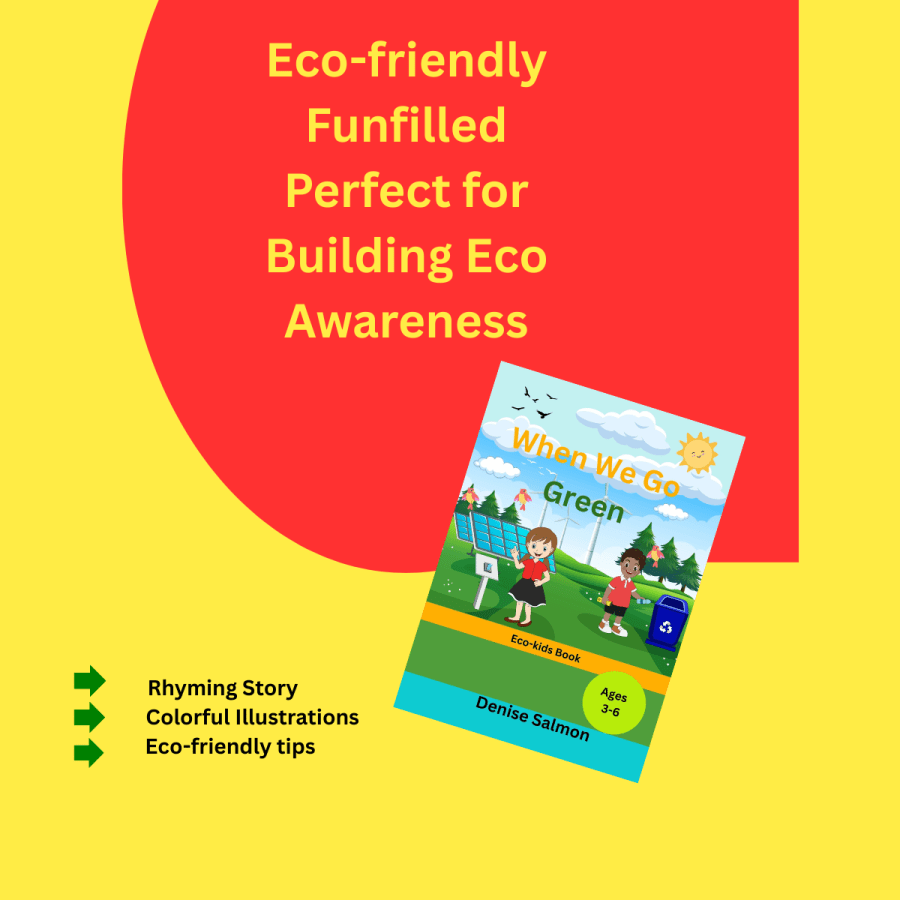
When We Go Green
🌿 4. When We Go Green

Problem: General environmental neglect
Solution: This flagship title celebrates eco-conscious choices: walking to school, planting trees, recycling, and more. It shows how a green lifestyle is fun, rewarding, and good for everyone, from kids to sea turtles.
Children will know how they benefit from green living.


how the seed becomes a tree
🎨 5. Magic in the Seed

Problem: Lack of hands-on learning
Solution: This interactive book is packed with facts about a seed and what it can produce. It motivates green kids and causes environmental learning to be fun and memorable. Perfect for rainy days or classrooms.
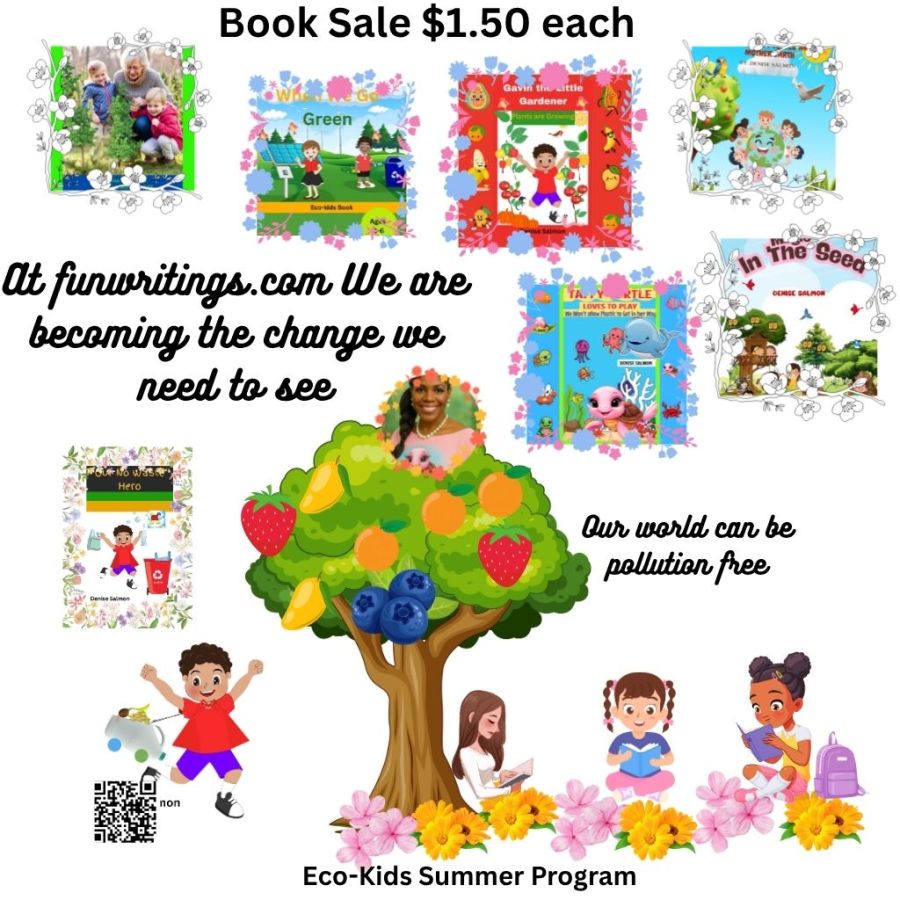
Every child who reads it will want to plant a seed and have a new experience. It is found among the books in the Eco Tales Summer Sale Bundle.


Saving Taffy Turtle and Mother Earth
🐬 6. Saving Taffy Turtle and Mother Earth

Problem: Marine ecosystem damaged by plastic
Solution: Children read about ocean animals affected by pollution and learn about their habitats. They’re inspired to protect not just Taffy, but the entire ocean family, through using more reusable container etc, doing more eco-craft and advocacy.
If we want to see the restoration of our Mangroves and a decrease in micro-plastic in water and food, we must encourage children to learn about how they can protect them.


Grandma's Birthday trees
🎂 7. Grandma’s Birthday Trees

Problem: Deforestation
Solution: This sweet story highlights tree planting as a powerful gift. It teaches the value of trees and shows how kids can mark special moments with acts of green kindness that last for generations.
To have a Grandmother who is excited about her special tree is magical.


Taffy Turtle's Activity Book
📖 8. Taffy Turtle’s Activity Book

Problem: Lack of direction after learning about environmental pollution.
Solution: This book turns eco-knowledge into eco-action. It includes space for ecokids checklists, goal-setting pages, and children get reward badges when they read it and take action — helping children and clubs track and celebrate their progress.


Taffy Turtle loves to play
🎾 9. Taffy Turtle Loves to Play

Problem: Too much screen time and indoor life?
Solution: By promoting outdoor play, this story reconnects kids with nature. It shows that fun can be eco-friendly and encourages a love for beaches, sea creatures and how we can protect them. Plastic pollution solutions are simplified and mentioned in parts of the story, so children enjoy the reading about Turtles having fun, while they learn how to decrease plastic pollution.


Ricardo's tree
🌳 10. Ricardo’s Tree

Food insecurity, climate change, and loss of green spaces are addressed through Ricardo’s journey of nurturing a mango tree from seed to fruit. This story promotes values of patience and responsibility, inspiring readers to plant their own trees and contribute positively to the Earth. They will be encouraged to share and care.


💚 Why These Stories Matter

These books go beyond awareness — they empower children with simplified solutions they can use:

  • At home with their families
  • At school with their friends
  • In their communities through clubs and cleanups
Book bundle

By weaving pollution solutions into relatable, rhyming stories, the Taffy Turtle series builds the next generation of eco-heroes — children who are informed, inspired, and ready to act. I’m sure the planet will benefit in many ways from having these eco-heroes around.

Conclusion:

🌎 “When we teach children to care for the Earth, we teach them to care for each other.”


The toys and gifts they make, gardening they do and the trees they plant cause them to share and care more. Children will benefit in many ways when they are participating in green activities as they assist their parents in various ways. These books will be read by the children who are currently singing the eco-kids songs as they compete in the singing contest. The Eco-Kids Summer Program will cause children to enjoy nature as they play and learn. You can find all the information about it by clicking on the buttons below.


Ecokids book bundle

How to Educate Children in the Age of Technology and AI — While Still Thinking about the Future of the Planet

As screens get smarter and artificial intelligence becomes part of everyday life, parents and teachers are asking: How do we educate children in a way that prepares them for the future, without losing touch with the real world?

A fresh, eco-conscious answer is here, it includes blending digital learning, emotional growth, and environmental action to create a holistic approach that nurtures both the mind and the planet. With the integration of innovative technology with interactive educational methods, we can engage learners in meaningful experiences that foster critical thinking and empathy. While you combine learning with playing whenever possible, it’s essential to encourage exploration and creativity in natural settings, allowing students to develop a deep connection with their environment. This initiative not only promotes sustainable practices but also cultivates a generation of environmentally aware individuals who are equipped to make impactful changes in their communities.


1. Begin With Core Values

Start with what truly matters such as the protection of the environment. Teach children kindness, responsibility, and love for the planet, fostering a sense of compassion towards others and the environment. By instilling these core values, we prepare them to be more thoughtful individuals who understand the impact of their actions on the world around them.

These values help them to use technology wisely, not blindly, empowering them to discern right from wrong, encouraging critical thinking, and promoting a balanced relationship with the digital landscape. This foundation will not only guide their interactions in the virtual world but also cultivate a generation that prioritizes empathy and sustainability in both personal and communal actions. The sea creatures and other animals on the planet needs our protection.


child using  lap top
2. Embrace Tech — But Set Boundaries

Children learn fast with tools like:

  • Educational AI apps
  • 🎥 YouTube learning videos (like our Eco-Kids stories, tips and songs!)
  • 📱 Interactive reading and quiz platforms

But remember: screens can’t replace connection. Balance tech time with outdoor play, crafts, and real-world discovery.


🌱 3. Keep It Hands-On

Kids need to dig, plant, sort, and build!
Try:

  • Teach them about Gardening with seeds ( in the Book ” Magic in the Seed” they will learn about what happens after a seed is planted)
  • Making crafts from plastic waste is another great idea ( in the book “Reuse for Taffy Turtle” they learn about using old plastic to make something new. Their creativity will be boosted.
  • Encourage children to observe nature and track changes
  • Joining an eco-club or green project is another way of helping children to get involved in making their own future bright.

Tactile learning leads to deeper understanding. Children will need to be ready to become the change they need to see. There was a lot of focus placed on technology and wars by this generation. This makes it more important for children to have a good understanding of the environmental issues they could inherit. Restoration of important eco systems will be needed and much more recycling is another way to decrease mining and increase sustainable job creation,
thinking children

🧠 4. Build Critical Thinkers, Not Just Clickers

AI delivers answers fast — but children must learn to:

  • Ask thoughtful questions
  • Evaluate what’s true
  • Solve real problems (like plastic pollution)

Your eco-stories and challenges encourage active learning and creativity — not passive scrolling.


🧘 5. Don’t Forget Emotional Intelligence

In a high-tech world, EQ matters more than ever:

  • Teach empathy through storytelling
  • Promote patience, gratitude, and mindfulness
  • Encourage teamwork and kindness

Kids who care and share will help us to have the kind of future we need.

Children combining technology with green living
6. Raise Earth-Loving, Future-Ready Kids

Talk with children about Climate change and plastic pollution.

Let them imagine careers like Marine biologist, Eco-engineer, Green content creator and other sustainable jobs.

The Eco-Kids books and songs for the Eco-friendly project make big ideas fun and easy to understand.


7. Guide Them With Love and Limits
  • Create screen-free times for nature and conversation
  • Help them set goals, make choices, and stay safe online
  • Support their learning with eco-friendly resources
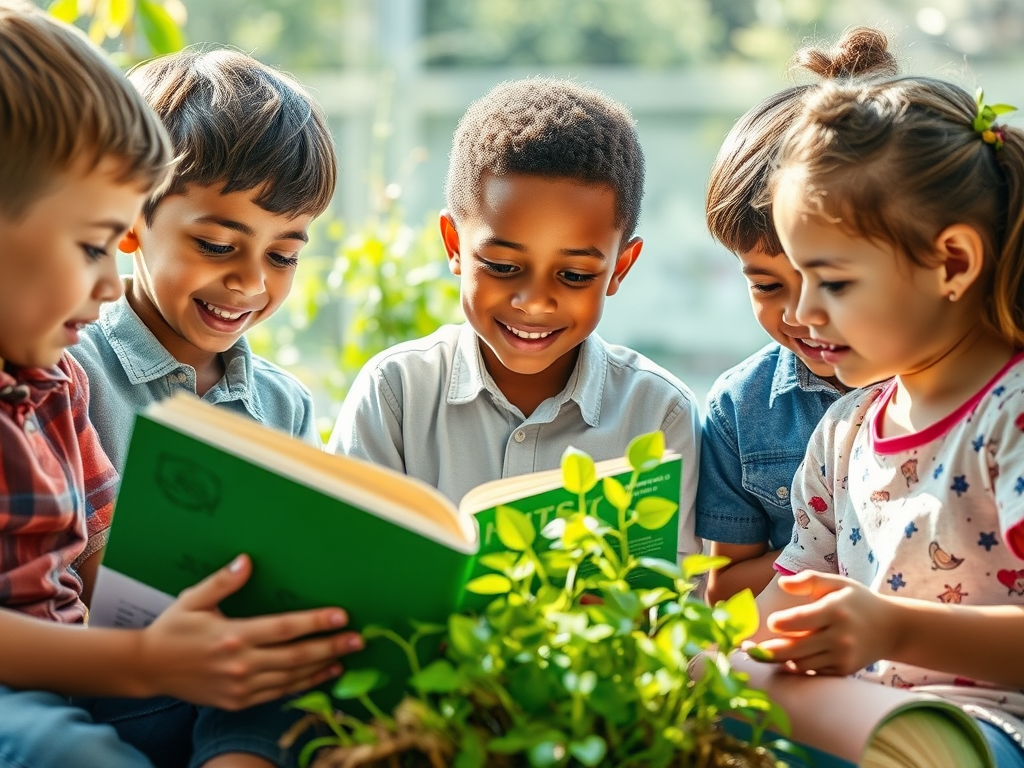
children reading eco kids books
The Best Education Blends Head, Heart, and Hands

Let AI and tech support their journey — but keep nature, creativity, and community at the core.

That’s how we grow smart, kind, and green kids — one pink turtle at a time. 🐢🌎


Want to help kids learn how to protect the planet?

Saving the planet is more important than technology if it can’t give us the environmental solutions we need. We should not continue using it. I have noticed an increased numbers of cancer patients and we know plastic is toxic. If we do not raise future focused children who want to live in better ways our planet will become more toxic as time goes by. Becoming the change we need to see is possible and we can save money while we protect the environment. There is no excuse, it is time for change. Helping the children includes setting a good example for them each day after we develop green habits. The needed information has been simplified so families can learn about green living together. Simply click on the links below to subscribe on you YouTube channel and sing the eco songs, place orders for the eco-kids books and download your free eco planner.

📚 Explore our books & songs: www.funwritings.com
📺 Subscribe to the channel: YouTube – Fun Writings n’ Things
🎨 Join our Eco-Kids Summer Project with free printables and contests!

“Side by side, hand in hand — a greener world is ours to plan.”

Online shopping with the green future in mind