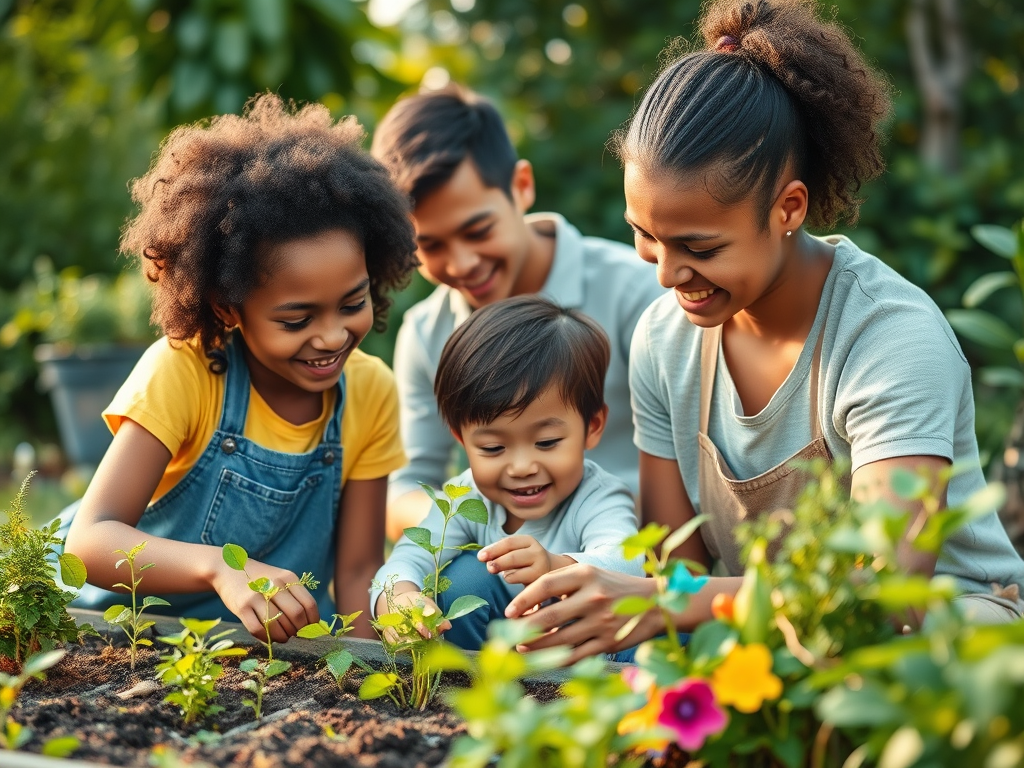
Green parents focus on environmental sustainability and green living. Using green living tips, Eco-friendly solutions and great green plans each day to transform their lives and the lives of their children. They are environmentally conscious parents who prioritize sustainability in their parenting approach. I believe better plans will be made for children’s future when there are more green parents. They are the ones who are protecting the Earth and helping children to make great green plans. These parents typically:
Choose eco-friendly products like cloth diapers, organic clothing, natural toys or toys made out of recycled plastic.
Emphasize reducing waste through practices like composting and minimizing the use of single-use items
Model environmental values through their lifestyle choices
Teach their children about nature conservation and sustainable living
They are always making transportation choices that minimize carbon footprints
Remember that perfection isn’t the goal—every small change helps. Focus on what’s realistic for your family situation and budget, and gradually incorporate more eco-friendly practices as you can.When sustainable choices are made we sometimes save money and the planet.
How Green Parents Have an Impact
Green parenting is a learning and teaching process. Parents who embark on this journey to the green future will find it very rewarding. Who doesn’t want to have children who assist with conservation as they develop green habits?The eco-kids books are filled with simplified eco-friendly tips and environmental solutions.
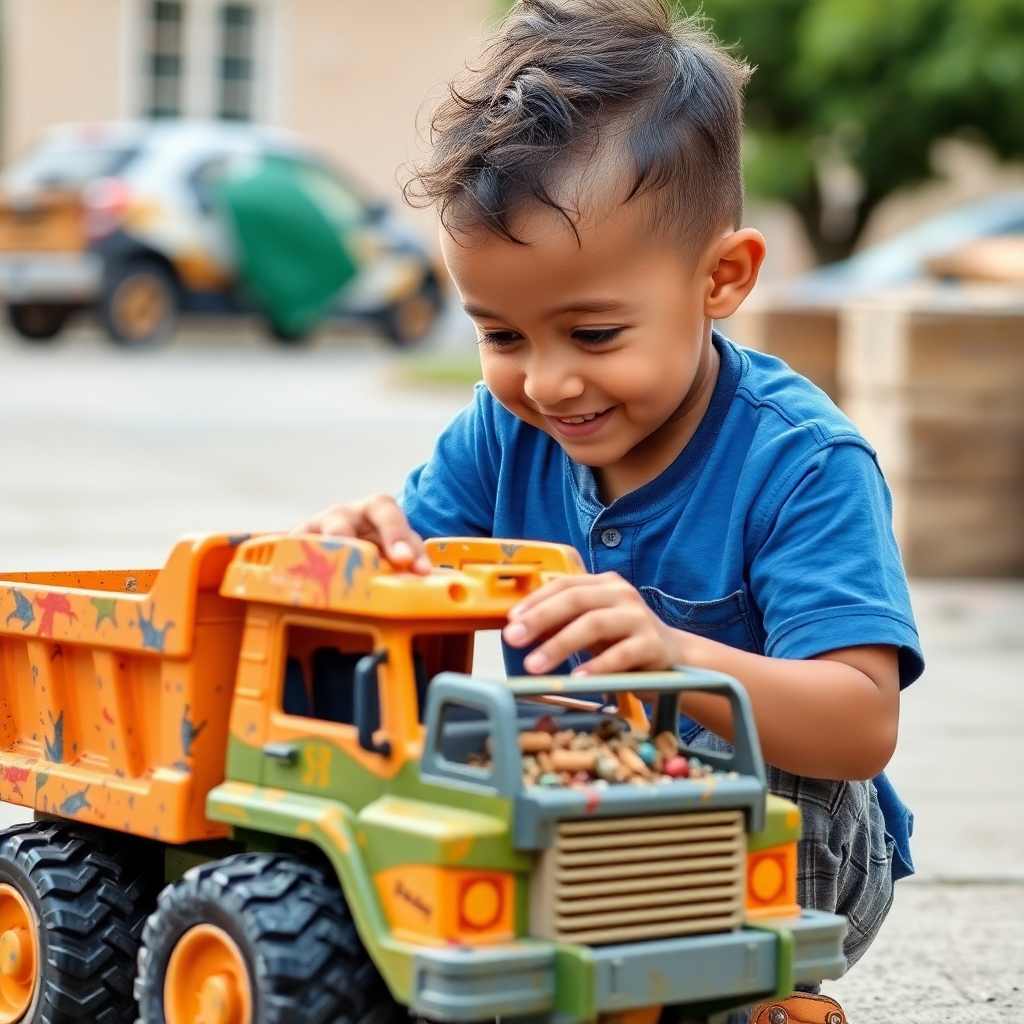
Green parents send their children a powerful message when they give them Green toys, are made from recycled plastic. Supporting the manufacturers who are decreasing plastic pollution by using recycled plastic in this way is great.
Conclusion
What do you think of this article? Do you want to become a Green Parent, if you are not one already? Do you think green parenting is important? Can we have the green future we want to see if there is no change in parenting plans? If there is no change in the way parents raise children, will we see increased pollution and environmental degradation? Can we become the change we need to see by encouraging more parents to go green and make sustainable choices?
We know the use of environmental solutions will decrease pollution when we begin having better conversations. Green parents are the ones who are having great conversations with their children about green living. They are empowering their children with eco-friendly solutions. This is a great way to raise children who will become green entrepreneurs who will create the sustainable jobs. The kinds of jobs that will decrease food insecurity and pollution.
Click on the photo below to visit the eco-kids book shop. The nicely written rhyming eco-kids stories found there are filled with simplified eco-friendly solutions and tips. You can use them to encourage more parents and grandparents to begin their green parenting journey. Help them to begin making sustainable choices, embracing the zero waste plan, saving money and the planet. This will cause environmental protection awareness to grow. We will eventually become the change we need to see and have sustainable green growth in the future.
[This article contains some affiliate links. If you purchase products through these links, we may earn a commission at no additional cost to you.]
Parents seeking to save money while protecting the environment often appreciate Kindles, as eBooks are cheaper and eliminate paper use. Kids’ Kindle devices offer valuable benefits, they are listed below:
Reading-focused environment – Unlike tablets or phones with endless distractions, Kids Kindles are designed specifically for reading, without games, videos, or social media to compete for attention. Many books can be stored on it and children will be reading more.
Durability – They come with kid-proof cases designed to withstand drops, spills, and rough handling that would damage regular devices.
Parental controls – Parents can monitor reading progress, set goals, and approve content, giving them oversight without constant supervision.
Dictionary and learning tools – Built-in features help children learn new words independently and build confidence.
Battery life – Kids Kindles last weeks on a single charge, unlike tablets that need frequent recharging.
Eye comfort – The e-ink display is easier on children’s eyes than backlit screens, especially for extended reading sessions.
Cost savings – After the initial investment, digital books are often less expensive than physical copies, and many libraries offer free e-book borrowing.
Space efficiency – Hundreds of books can be stored on one small device, eliminating clutter and making it easy to bring reading material anywhere.
Adjustable text size – This feature helps beginning readers or children with vision challenges.
Building independent reading habits – Many parents report that the novelty and ease of use encourage more voluntary reading time.
Online Eco-Kids Book Shop
Empowering the children with environmental solutions and eco-friendly tips is being done in an easy way. You simply support the eco-kids book project by purchasing kids kindles the e-books on Amazon and Book fusion in the online book shop. The green future is our great hope and we can get on the path that will take us there. Click on the books above to visit the book shop.
[This article contains some affiliate links. If you purchase products through these links, we may earn a commission at no additional cost to you.]
Enjoying ourselves in many ways as we explore our planet has always been a great way to live. There is a new way to do just that while we connect with Nature even more now. Gone are the days when you needed to have enough money to stay in expensive hotels, to take a vacation. Ecotourism differs from conventional tourism in several key ways:
Sustainability focus:
Ecotourism prioritizes minimizing environmental impact, often using renewable energy, waste reduction strategies, and following sustainable practices in accommodations and activities.
How the Local community benefits:
It emphasizes directing tourism revenue to local communities and creating economic opportunities for residents, rather than large international corporations.
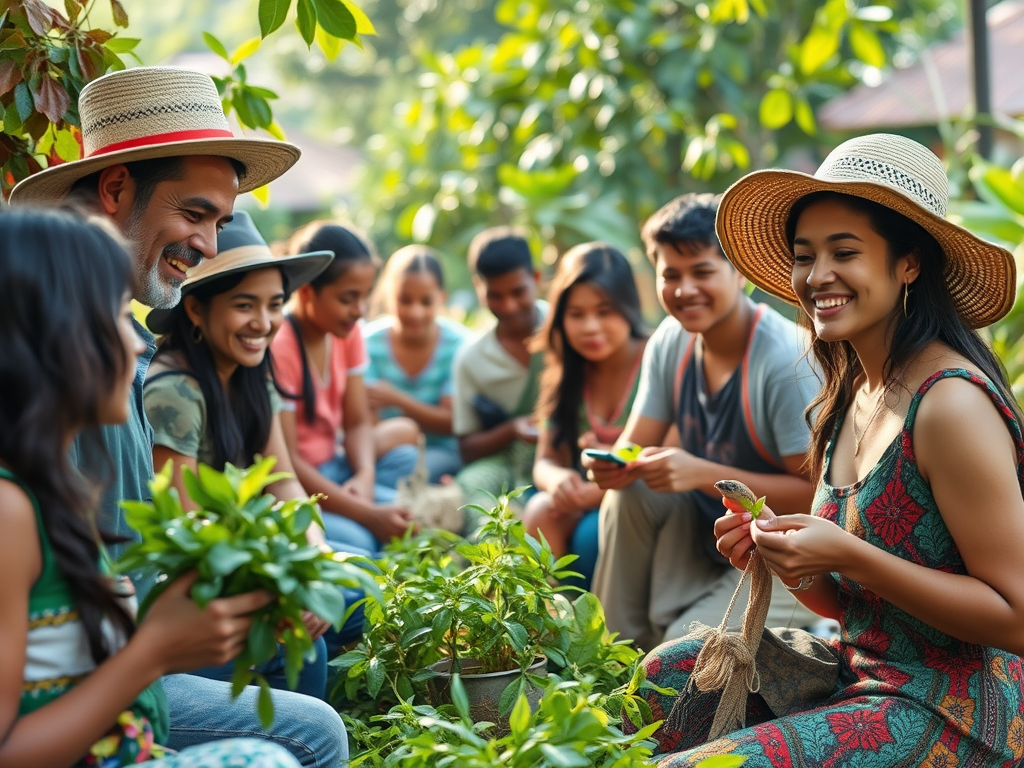
The vibrant interaction between tourists and a local community in a lush, natural landscape, showcases the essence of sustainability and cultural heritage. When these experiences include elements such as guided nature walks or small craft villages, with local artisans demonstrating their skills. A warm and inviting atmosphere is easily created, emphasizing the genuine connections in the stunning outdoor settings. Capturing both the beauty of nature and the authenticity of local culture causes Ecotourism to be enticing for tourists who want new experiences.
Educational component:
Ecotourism typically includes learning about local ecosystems, wildlife, and cultural heritage. Visitors often participate in guided nature walks, wildlife observation, and cultural workshops.
This makes it easy for the children of residents and visitors to learn about these topics a lot more. When tourists stay in big hotels there is no interaction with locals, they are not exposed to the green lifestyle.
Conservation support:
A portion of ecotourism revenue usually goes toward local conservation efforts, helping protect natural areas and wildlife. This doesn’t happen much with the traditional tourism sector, where the beaches and coral reefs, mangroves and other eco systems are sometimes destroyed.
Smaller scale:
Ecotourism operations tend to be smaller and more intimate than mass tourism, with limited group sizes to reduce environmental impact.
Authentic experiences:
It emphasizes genuine interactions with local communities and natural environments, rather than artificial attractions or staged experiences. Tourists can camp under tents instead of paying huge sums for accommodation. Even poor families who want vacations can find great places to stay. When they are willing to enjoy nature in new ways. They can simply purchase tents , solar chargers for electronic devices, a solar stove, solar lanterns , waterpurifier , food, reading devices and other necessities.When it is time for us to create beautiful memories with our families, we shouldn’t allow lack of funds to stop us.
Responsible practices:
Visitors are expected to follow strict guidelines about wildlife interaction, waste management, and respect for local customs and natural areas.
A few types of locations where locals meaningfully benefit from tourism dollars are shared here:
Community-based tourism initiatives in places like Bali (Indonesia), Costa Rica, or rural Thailand, where locals own and operate guesthouses, restaurants, and tour services. Sustainable jobs are created and the environment is protected each day be workers.
Cooperative craft villages, such as those in Mexico, Peru, or Morocco, where artisans sell directly to visitors and maintain control of production and pricing. With this organization there is less criminality, caused by poverty.
Conservation areas with tourism revenue-sharing programs, like Rwanda’s gorilla tourism model, which dedicates a portion of visitor fees to local community development.
Heritage sites with local management, such as in parts of Italy or Japan, where municipalities receive tourism taxes that fund public services and preservation. The people in the community will easily be invested in environmental protection so their income will not be negatively affected.
Indigenous tourism destinations, like those in Australia, New Zealand, or Canada, where indigenous communities share their culture on their own terms while generating sustainable income. With this plan, children learn about their culture each day when they are with the parents who are involved in tourism.
The key elements that help ensure locals benefit include:
Local ownership of tourism businesses
Direct employment or sustainable job creation opportunities
Revenue-sharing mechanisms
Investment in community infrastructure
Cultural preservation initiatives
Environmental protection measures
Eco Tourism and Nature Connection
Children who are aware of all that Nature has to offer and want to keep their planet beautiful are truly special. Their innate curiosity and respect for the environment indicate a deep understanding of the interconnectedness of all living things. These kids often show a profound appreciation for the beauty of the trees, the melodies of birds, and the intricacies of ecosystems, encouraging those around them to engage in sustainable practices.
As parents, it is essential to nurture this awareness and commitment to the environment. Celebrating their birthdays with meaningful gifts that align with their values can be a wonderful opportunity to reinforce their love for Nature. Instead of opting for conventional toys, consider surprising them with experiences that foster their passion for the planet. Gifts like a tree planting kit, a subscription to an environmental magazine, a kindle to read eco-kids eBooks on, or even a day spent volunteering at a local nature reserve can create lasting memories and inspire a lifelong dedication to preserving the Earth.
Moreover, adding educational elements such as eco-kids books about sustainable living can further enrich their understanding. Emphasizing the importance of caring for our planet not only shapes their character but also empowers them to become proactive stewards of the environment. By giving them the great gifts they truly deserve on their birthdays, parents play a vital role in shaping a generation that values and protects the natural world.
Conclusion:
Ecotourism gives families a great opportunity to spend quality time together while they learn about nature. More families can get a chance to enjoy the great outdoors while they discuss new plans to improve their lives. “Today’s children will inherit tomorrow’s planet. Our Eco-kids books gives them the tools to make it better than they found it. 🌎 You can reduce the cost of books significantly by giving children Kindle devices, to read ebooks on. They will be focused on learning as they won’t be as distracted as they are will other devices.
Encouraging your loved ones and friends to plan for a green future is now wrapped in awesome gift ideas. We all can give eco-friendly gifts and awaken environmental kindness and joy this year. No long lectures about sustainable living needed. Our friends and loved ones will easily embrace change when you lovingly hand them eco-friendly gifts. They are saying a lot about you and how you feel about them and their future. Green living is our best option and it is time for us to say goodbye to that other gift giving plan. Many unseen gifts are extremely valuable and they change lives in awesome ways.
Special lyrics for a song given to a talented singer might cause him or her to become a Superstar. Lyrics can be ordered online for only US$5 and more and you can even order a tune sang by AI if you want to. You can also place orders for personalized poems or motivational quotes. Staying committed to green living plans might need motivation sometimes.
Giving Eco-friendly Gifts is Beneficial:
Eco-friendly gifts will have an environmental impact, they help reduce waste and environmental damage. They often use sustainable materials, have minimal packaging, and may be biodegradable or recyclable. This helps decrease landfill waste and the carbon footprint associated with traditional gifts.
These gifts also encourage our friends and loved ones to live the green lifestyle and get involved in green action.We can build green teams as we plan to achieve the sustainable development goals. We can always remind people that it is easier for them to save money while they are saving the planet.
Long-term Value
Many eco-friendly gifts are designed to be durable and long-lasting, such as reusable water bottles, cloth shopping bags, or high-quality sustainable clothing. This means the recipient gets more value and use from the gift over time.
Health Benefits
Eco-friendly gifts often avoid harmful chemicals and materials, making them safer for both the recipient and the environment. For example, organic cotton clothing or natural skincare products can reduce exposure to potentially harmful substances.
Educational Opportunity
Giving eco-friendly gifts can spark conversations about sustainability and environmental consciousness. It’s a way to gently introduce others to more sustainable lifestyle choices and share knowledge about environmental issues.
Supporting Sustainable Businesses
When you buy eco-friendly gifts, you’re often supporting companies that prioritize environmental responsibility. This encourages more businesses to adopt sustainable practices and helps grow the green economy.
Cost-Effective
While some eco-friendly gifts may cost more upfront, their durability and reusability often make them more economical in the long run. For example, a high-quality reusable coffee cup will save money over disposable cups while reducing waste.
Personal Touch
Many eco-friendly gifts can be handmade or customized, adding a personal element that makes them more meaningful. Examples include homemade preserves in reused jars, handcrafted items from reclaimed materials, or personalized plantable seed paper cards.
Specific examples of eco-friendly gifts that align with these benefits?
Here are specific eco-friendly gift examples organized by their key benefits:
These gifts combine practicality with environmental consciousness, often saving money in the long run while reducing waste. Encouraging friends and relatives to go green in a subtle way with eco-friendly gifts, will make a difference.For Eco-Kids Gifts there are books and eBooks filled with environmental solutions and tips.When there is more green action in communities it is easier for us to decrease pollution and increase sustainability. Now you know you can support the green action plan in many ways, I am sure you will.
[This article contains some affiliate links. If you purchase products through these links, we may earn a commission at no additional cost to you.]
When Earth Day is planned for and families get together to do something great for the planet we will see a change. We will see increased environmental protection awareness when more people are informed about environmental solutions. The plan to save the planet while we save money is a great one. There is also a plan to empower children with simplified environmental solutions so they can have a green future. This Earth day you can do more with thisEarth Day Planning Guide. You will be making a positive impact with Good Event Planning Strategies.
1. Community Engagement is important, you can organize a feast for all those who participate in the days activities.
Organize a local cleanup event. Focus on the main pollution issue. Talk about solutions and assign tasks to each volunteer to address the problem.
Host a community tree planting initiative. We all like fruits and it will be good for more of us to plant more fruit trees. Trees will also help to keep our Earth cool.
Create educational workshops about sustainability. Simplified Eco-friendly solutions are found in children’s books. Every family member can learn a little more about environmental protection on Earth Day. Get these Green kids eBooks and printed books into more homes.
Collaborate with local schools, businesses, and environmental groups. Encouraging them to use more solar energy is a great thing to do. Now that there are more affordable ways to begin the journey that leads to more solar savings.
2. Educational Activities
Set up informational booths about:
Climate change
Renewable energy
Biodiversity conservation
Sustainable living practices
Invite local environmental experts for talks and Q&A sessions. Don’t allow Earth Day to be about 1 day. It can be about every day after, when we begin developing new green habits. More people telling others about what they learn about green living will be good also.
Create interactive displays showing local environmental challenges and solutions. This will cause more people to get involved in green action.
3. Practical Sustainability Initiatives
E-Waste Recycling Drive
Collect and properly recycle electronic waste
Partner with local recycling centers
Educate about electronic waste’s environmental impact
Sustainable Living Fair – Tell more people how they can earn from recycling, upcycling and refurbishing. They will be more willing to participate in the days activities.
Showcase eco-friendly products
Demonstrate zero-waste techniques
Provide resources for sustainable lifestyle changes
Encouraging more people to repair old things at a repair cafe is another great idea. They will be saving money while the save the planet. This will cause them to become more interested in green activities.
4. Action-Oriented Workshops
Composting workshops
DIY upcycling and repair sessions
Native plant gardening classes
Energy efficiency home improvement tips
The solar generator mentioned above can help many homeowners to decrease electricity bills if they use it to power electronic devices etc. in their homes.
5. Digital and Social Media Engagement
Create a local hashtag for Earth Day activities
Live stream educational content
Share daily sustainability tips
Encourage community members to share their green initiatives
Sharing is caring and we will build environmental awareness in a better way when we share more.
Sustainability Checklist for Event Planning -Event Logistics
Use digital invitations and registrations
Choose a venue with minimal environmental impact
Provide recycling and composting stations
Use reusable or compostable event materials
Minimize single-use plastics
Offer plant-based catering options
Encouraging volunteers to bring plastic waste and e-waste to the event is good. You can collect them and take them to the recycling centers at another time. It is easy to inform people on social media so they can be better prepared when Earth Day arrives.
Measurement and Follow-Up
Track event’s carbon footprint
Collect participant feedback
Document and share event’s environmental impact
Create ongoing community engagement opportunities
Long-Term Community Impact
Establish a local environmental action group
Create a community sustainability challenge
Develop ongoing educational programs
Advocate for local environmental policies
Support green infrastructure projects
When more people in the community are aware of Eco-friendly solutions and how they can benefit from using them. There will be decreased pollution after a while.
Budget-Friendly Options
Seek local sponsorships
Apply for environmental grants
Use volunteer networks
Leverage social media for free promotion
Partner with existing community organizations
Decreasing cost for the location where volunteers will meet on Earth Day is important. The ideas listed above will make a difference.
Additional Resources
Local environmental organizations- they might be willing to bring added volunteers to your event.
Sustainability websites- you will find eco-friendly tips and solutions on these websites that you can share with volunteers.
Climate action networks can help to spread the word about your event also.
Government environmental departments can give you information about the polluted places. You can be more effective with green action when you target big pollution problems.
Conclusion:
When we organize more of these Earth day events each year and the number of volunteers increase. We will achieve the sustainable development goals and have the green future we want to see. Children will learn about the great eco-friendly tips and solutions they can use to decrease pollution and they will be making better plans for their future. Click on the buttons below and watch and share the videos after you have placed orders for the Eco-friendly children’s books. Make Earth day 2025 the best one you have ever seen.
In a world increasingly focused on sustainability, eco-friendly products are no longer just a niche market—they’ve become mainstream necessities. As consumers grow more environmentally conscious. Amazon has seen a surge in demand for products that reduce waste, use sustainable materials, and minimize environmental impact.
Here you will find the top 10 best-selling eco-friendly products currently bought by Amazon customers. These items not only help reduce your carbon footprint but also offer exceptional quality and value for your money.
1. Reusable Silicone Food Storage Bags
Traditional plastic bags are quickly becoming relics of the past. Amazon’s best-selling silicone food storage bags are durable, dishwasher-safe, and can be reused thousands of times. Available in various sizes, these bags are perfect for storing leftovers, marinating foods, or packing lunches.
Why customers love the Silicone Food Storage Bags: These bags are leakproof, can withstand extreme temperatures (from freezer to microwave), and eliminate the need for disposable plastic bags. Many reviewers mention how they’ve significantly reduced their household plastic waste since making the switch.
2. Bamboo Toilet Paper
Bamboo toilet paper has skyrocketed in popularity as consumers search for alternatives to traditional tree-pulp options. Bamboo grows incredibly fast—up to 3 feet per day—making it one of the most sustainable resources available.
Why customers love it: Besides being tree-free, bamboo toilet paper is naturally antibacterial, softer than many recycled options, and biodegrades much faster than conventional toilet paper. Customers particularly appreciate the plastic-free packaging and subscription options.
3. Wool Dryer Balls
These natural wool dryer balls have become a staple in eco-conscious households, replacing disposable dryer sheets. Each set typically includes 6 balls that can last for over 1,000 loads of laundry.
Why customers love the wool dryer balls: They reduce drying time (saving energy), eliminate static naturally, and don’t contain the chemicals found in conventional dryer sheets. Many users add a few drops of essential oils to the balls for a natural, customizable scent.
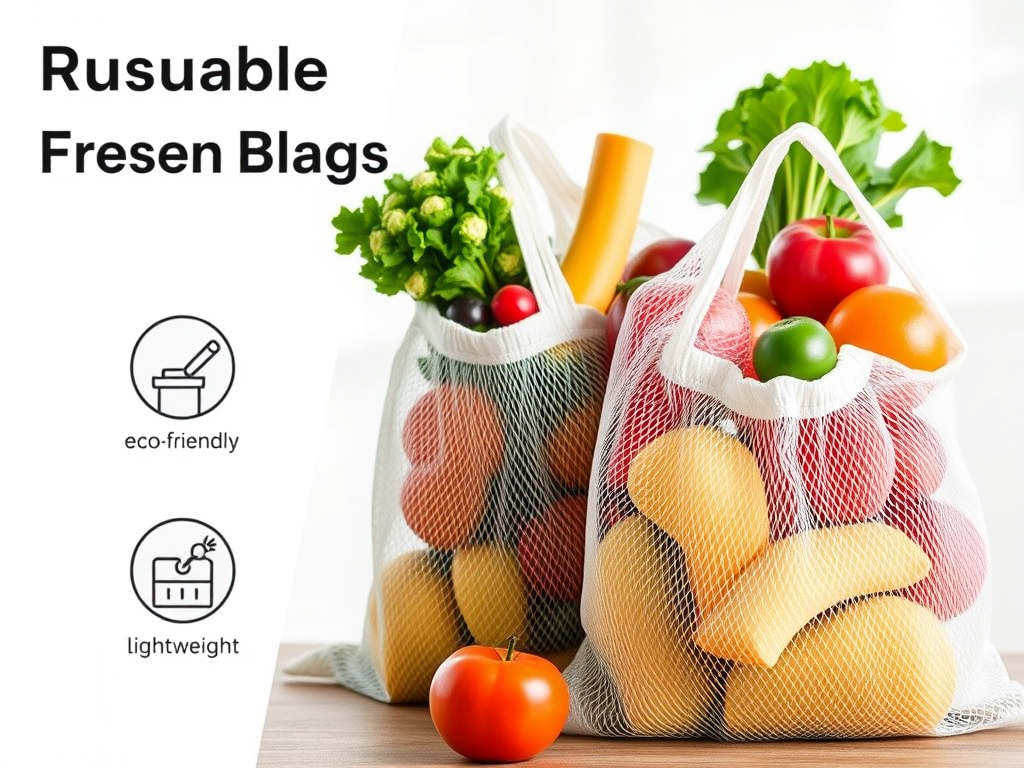
4. Reusable Produce Bags
These mesh bags have become an Amazon best-seller as more shoppers look to eliminate single-use plastic bags from their grocery routine. Most sets include various sizes for everything from small berries to large greens.
Why customers love the Reusable Produce Bags: They’re lightweight (adding virtually no extra cost at weigh-in), see-through (for easy cashier scanning), and machine-washable. Reviews frequently mention how cashiers compliment shoppers on these bags, showing they’re still uncommon enough to stand out.
5. Biodegradable Dish Scrubbers
Made from materials like coconut fiber, loofah, or cellulose, these biodegradable dish scrubbers are replacing plastic sponges in eco-friendly kitchens everywhere.
Why customers love them: These scrubbers are naturally antibacterial, effectively clean dishes without harsh chemicals, and can be composted when they’ve reached the end of their life. Many customers comment on how much longer these natural alternatives last compared to conventional sponges.
6. Beeswax Food Wraps
As an alternative to plastic cling wrap, beeswax wraps have exploded in popularity. These reusable wraps are made from cotton infused with beeswax, jojoba oil, and tree resin.
Why customers love them: They create an excellent seal around food containers or directly on cut fruits and vegetables, are naturally antibacterial, and can be refreshed with a quick wash in cool water. Many reviewers mention how much longer these wraps keep their produce fresh compared to plastic alternatives.
7. Bamboo Toothbrushes (Pack of 10)
With billions of plastic toothbrushes ending up in landfills and oceans each year, bamboo alternatives have become a simple eco-swap for many households.
The Bamboo Toothbrush is an excellent eco-friendly replacement for every member of a family.
Why customers love them: The bamboo handles are biodegradable, the bristles are effective at cleaning, and they come in plastic-free packaging. Customers appreciate that this sustainable choice doesn’t compromise on cleaning effectiveness.
8. Reusable Metal Straws with Case
Since the anti-plastic straw movement gained momentum, reusable metal straws have become an Amazon best-seller. Most sets include straight and bent options along with a cleaning brush and portable carrying case.
Why customers love them: They’re dishwasher-safe, don’t affect the taste of drinks, and are durable enough to last for years. Reviewers frequently mention how convenient the carrying case is for on-the-go use.
9. Shampoo and Conditioner Bars
Solid shampoo and conditioner bars have gained popularity as consumers look to eliminate plastic bottles from their shower routines. These concentrated bars typically last as long as 2-3 bottles of liquid products.
Why customers love them: They’re travel-friendly (no liquids to spill or restrict at airport security), free from harsh chemicals found in many conventional products, and come in plastic-free packaging. Many customers report healthier hair after making the switch.
10. Solar-Powered Phone Charger
For tech-savvy eco-conscious consumers, solar-powered phone chargers have become essential gear. The bestselling models feature high-efficiency solar panels and fast-charging capabilities.
Why customers love them: They’re perfect for camping, hiking, or emergency preparedness, reducing reliance on grid electricity. Many models include multiple USB ports for charging several devices simultaneously. Customers particularly value the peace of mind these chargers provide during power outages or outdoor adventures.
Why Make the Switch?
The growing popularity of these products demonstrates a significant shift in consumer priorities. People are increasingly becoming more aware of the problems caused by climate change. The causes them to be willing to invest in sustainable alternatives that:
Reduce single-use plastic waste
Last longer than conventional products
Often perform better than their traditional counterparts
Save money in the long run
By incorporating even a few of these eco-friendly products into your daily routine, you can significantly reduce your environmental impact while discovering innovative, high-quality alternatives to conventional household items.
[This article contains affiliate links. If you purchase products through these links, we may earn a commission at no additional cost to you.]
Conclusion:
Saving the planet is our responsibility and we can find new ways to encourage our children to learn about green living more each day as we shop. Now that we are getting ready to celebrate Earth Day in April. It is easy for this post to be shared with friends and loved ones as you encourage them to go green. Life on earth can get better each day when we develop green habits and live in a new way. These eco-friendly products will help you to save money as you save the earth. Let us keep our earth beautiful, it is good for us to do our part.
Are you one of the many shoppers who began purchasing Sustainable products?Supporting the Eco-kids book project, while you tell children about the changes you are making is good. They will want to talk about this new way of shopping. You can encourage them to live sustainably by equipping them with great eco-friendly tips and solutions found in the green kids books. You can find them by clicking on the links below.
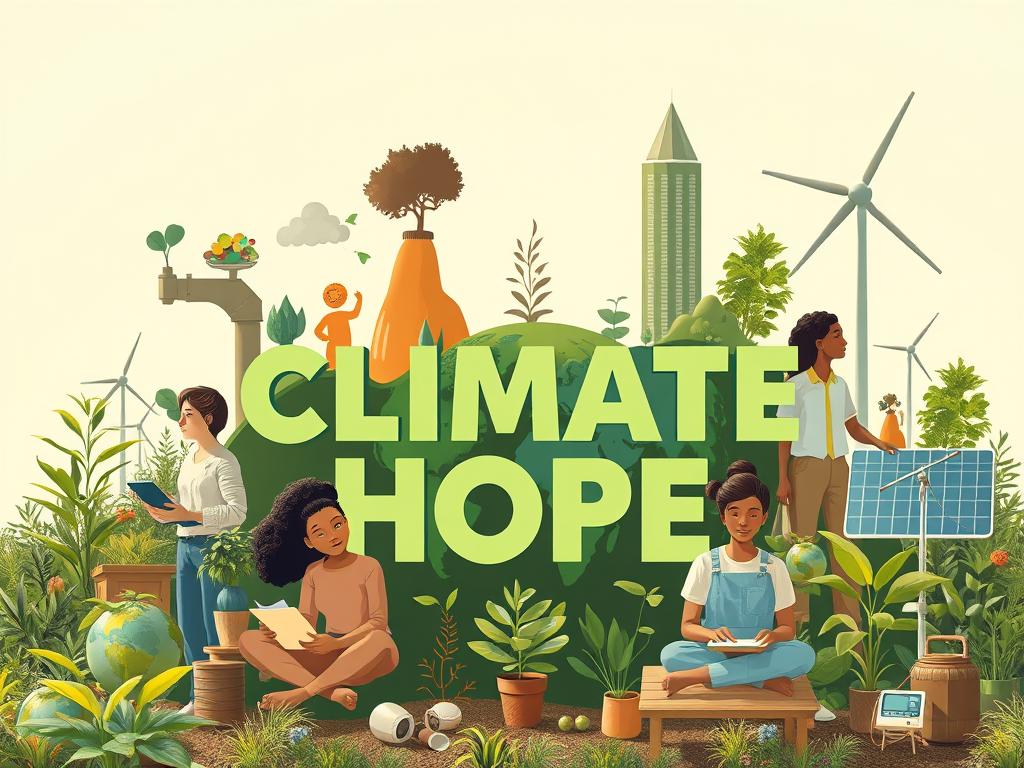
Making plans for the green future will bring us climate hope. We can stay away from negative thoughts and keep on using the many climate solutions we have. This will cause us to restore ecosystems, conserve natural resources, reduce our bills and breathe clean air.
Raising the next generation to be eco conscious is important. They will be finding new solutions for pollution as they enjoy their beautiful planet more each day. Eco-friendly books and videos promote green living in many ways and appeal to children and their parents. If you want to have climate hope it is time for you to tell more children and their parents about eco-friendly solutions and green activities.
Save Our Planet!
🌍 A Fun Guide to Sustainability for Kids is now available. Encourage more children to read the many books about eco-friendly solutions as they get ready to protect the environment and have Climate Hope. We can all go on an exciting adventure to learn how we can help protect our beautiful planet! In this family-friendly article, we explore simple ways to be eco-friendly and make Earth a better place for everyone. The eco-kids books and videos are perfect for children ages 3-12, parents, and teachers.
🌱 Learn about: Recycling and Reducing Waste
Telling children about recycling and reducing waste is important. When they are aware of the need for environmental care, they will become more creative and willing to conserve and decrease pollution. Children help parents to conserve when they are eco-conscious and ready to plan for a green future. They have nothing to lose and so much to gain when they are empowered with simplified eco-friendly solutions. We should not be increasing pollution by producing added numbers of plastic bottles as time goes by. We know more recycling is needed and improved environmental education is a great solution, so let us do our part.
Saving water and energy
Having climate hope is all about increasing climate activities and encouraging others to do the same. We should not be polluting more each day and expecting increased heat when we can use comprehensive solutions and improve lives collectively. Our natural resources are precious, and they should be treated with the utmost respect and care, as they are essential for our survival and the health of our planet. Through education and awareness, we can inspire individuals and communities to embrace sustainable practices, reducing water and energy consumption.
Conservation Mindset and Responsible Stewardship
Furthermore, promoting green technologies and renewable energy sources will play a crucial role in decreasing our carbon footprint. By cultivating a mindset focused on conservation and responsible stewardship, we can ensure that future generations inherit a thriving and balanced ecosystem. Together, as we plan for the future, adopting these principles will help to create a harmonious relationship between humanity and nature, allowing us all to live sustainably and harmoniously with our environment.
Protecting animals and plants
We should always seek to protect every creature on Earth as we depend on even the small insignificant ones. Biodiversity plays a role in our survival and more should be said about it. There are too many humans on Earth who destroy habitats because of their own needs as they ignore the needs of other creatures. The sea creatures living in Mangroves have no where to live when plastic pollution destroys their home. This leads to decreased sea food for us and problems for the people who earn from fishing.
Simple eco-friendly habits for kids
Changing the way we build eco awareness can cause us to see increased development of green habits among family members. Simplified environmental solutions will move populations in the right direction. Children will be conserving and assisting with reusing and recycling when they develop eco-friendly habits. There are families who are saving more when they conserve. They plan to change cars and drive electric ones to save even more money. This can lead to many improvements in their lives, as they can even plan to develop businesses with the money they save. Children who grow up in these families will grow up with eco-friendly climate habits and hope will become a reality.
Fun sustainability projects for home and school
Environmental educational content became fun-filled story books with colorful illustrations, rhymes and easy-to-understand eco-friendly examples. There are also videos for green parents to watch. You can help more children to become Earth’s young heroes! The eco-kids books are ready and waiting in the eco-kids book store. It is time for everyone on earth to be ready to spread Climate Hope as we get ready to welcome the green future.
Teachers can easily begin more eco-clubs in schools and communities, now that they can give eco-kids eBooks to children. The eBooks are easily read on devices. Children can learn about more eco-friendly tips and solutions. They can encourage other children to go green and plan for a sustainable future. Simplified solutions will save the day when children begin planning for their future in the best way.They will be reading about composting, recycling, reducing and reusing as they do eco craft with used plastic, gardening and tree planting.They will also be reading about the importance of decreasing energy cost by unplugging devices that are not being used, saving water and turning off lights, when that it necessary.
Conclusion
Climate hope will cause us to act, instead of doing nothing and believing our actions will not make a difference. With Climate hope we will begin believing that it is possible for us to have reduced bills and a zero waste lifestyle. Climate action will help us to become the change we need to see. We can hope to have more green energy, a green future , healthy food, a cooler earth, decreased plastic pollution, air and water pollution, less poverty.
Our children need hope. Without it they might give up and decide that it makes no sense to do well in school. If they believe the Earth will be getting hotter every year until it gets to hot for us to survive on. It is better for them to make plans to become green entrepreneurs and employ others, when they have hope. Click on the buttons below to see what the eco-kids book project has to offer. The environmental solutions we all can use to decrease pollution and save money are in the eco-friendly kids books and in the YouTube videos as well.
You are linking to Amazon https://amzn.to/4hO6oGp if you use this link to shop we may earn commission. You can shop for eco-friendly products here and teach children about them.
Environmental helplessness and denial can be replaced by green activities and advocacy even though it is a complex psychological and social phenomenon that can be understood through several lenses:
We can look at the possibility that people often feel overwhelmed by the scale of environmental challenges. When faced with global issues like climate change, individual actions can seem insignificant compared to industrial emissions or national policies. This can lead to a sense of helplessness and defensive denial.Even though summers are hotter and there are more catastrophic wild fires and hurricanes to handle.
There’s also the challenge of psychological distance – environmental damage often occurs gradually and its worst effects may seem far away in time or location. This makes it easier to disconnect from the immediate reality of the problem. Plastic waste might not affect people in Canada or America after they pollute rivers and that waste is later found far away.Waste that is washed down to rivers go into the oceans and get to other parts of the world, or it is shipped.When you collect plastic waste for recycling and you hear that plastic you collect is not recycled. Don’t give up.
Cognitive dissonance plays a role too. Many people understand the environmental crisis intellectually but find it uncomfortable to confront how their lifestyle contributes to it. Rather than change established habits or face guilt, some find it easier to minimize the problem or their role in it.However, with increased environmental awareness more people will develop a ‘can do’ mentality and decide to embrace new eco habits.
Social and economic factors contribute as well. Poor people tend to cut down trees to find wood to cook and they are not replanted. Environmental action often requires short-term sacrifices for long-term benefit, which can be especially challenging for those struggling financially. Additionally, in some communities, environmental skepticism has become tied to cultural identity and group belonging.
Complexity – Denial – Affects Children
The complexity of environmental systems can also make it difficult for people to directly observe the impact of their actions, either positive or negative. Without clear, immediate feedback, it’s easier to discount the significance of individual choices. It is easy for children to grow up with parents who deny environmental degradation and become just like them. Causing increased pollution as time goes by.
What’s your perspective on this? Have you encountered this kind of thinking ? What is your own experience? Do you think increased environmental protection awareness can make a difference?Do you think denial can cause increased pollution?Leave a comment below about the experiences you had with people who gave up after they tried to go green.
How Environmental Protection Awareness can Make a Difference
If we build environmental protection awareness by starting eco clubs in our communities. This can help decrease feelings of helplessness and denial about pollution issues in several ways:
Knowledge empowers action – When people understand specific environmental problems and their solutions, they’re more likely to feel capable of making meaningful changes rather than becoming overwhelmed.
Collective efficacy – Seeing others taking action creates a sense that positive change is possible, reducing the need for psychological denial as a coping mechanism.
Solution-focused messaging – Environmental awareness campaigns that highlight practical solutions rather than just problems help people move from helplessness to hopefulness.
Local relevance – When environmental issues are connected to people’s immediate surroundings and daily lives, the abstract becomes concrete and more actionable.
Psychological research shows that anxiety about environmental issues often leads to denial when people lack coping mechanisms. Awareness programs that include concrete action steps can provide those mechanisms.
The psychological concept of “learned helplessness” diminishes when people recognize their abilities. Environmental education that emphasizes individual and community-level impact can counteract this effect, giving people reason to engage rather than withdraw.Now you see why empowering children with simplified environmental solutions will be a game changer.We can have a generation that is ready to live sustainably. They will be ready to restore the damaged ecosystems and decrease pollution.
Conclusion:
There are specific environmental awareness strategies that have proven effective in reducing denial and helplessness? Pollution is a big problem everyone on the planet can do more to clean up the planet. The Eco-friendly Project for Children provides simplified environmental solutions and eco-friendly tips for families. Children learn and encourage those around them to become the change they need to see. They will begin assisting by putting plastic waste in bins and using more reusables. Click on the links below and support the project in many ways as you assist in building eco awareness.
Tourism relies heavily on environmental protection, including clean water and well-maintained facilities. Littered beaches harm tourism, highlighting the need for simplified eco-friendly solutions like those promoted by the Eco-Kids Book Project, which fosters awareness for a sustainable future.
In 2024 records showed 1.4 billion international tourists traveled. Popular destinations were pushed to their limits. On Global Tourism Resilience Day countries and communities across the world could get a chance to build sustainable tourism.
Pristine air, crystal-clear water, and nourishing food are not just luxuries; they are essential for creating unforgettable experiences that draw guests back to our cherished hotels. Protecting our majestic seas and oceans is crucial for the vitality of the tourism industry! Once, vibrant coral reefs thrived with life, teeming with fish for our visitors to enjoy. These underwater treasures provided safe havens for fish to spawn, allowing fishermen to catch their bounty close to shore. Today, however, many coral reefs stand ravaged, and the stunning beauty of marine life is fading, leaving our guests yearning for the vibrant ecosystems they once admired. Activities like snorkeling and scuba diving can regain their allure, as we strive to restore the enchanting tapestry of coral reefs and marine creatures that filled their hearts with wonder.
The Protection of the Environment and Tourism
Vacations are important, and it’s essential to protect the environment and the jobs created by tourism. Hotels should take the lead in refusing non-biodegradable packaging and reducing plastic waste in our seas and oceans. Together we should protect the future of tourism by giving more of our attention to environmental care.
When hotel managers back projects for children and the environment, they show their commitment to the future of the industry. It indicates that they recognize that raising awareness about environmental protection can help tourism. Teaching children about caring for the environment helps them become responsible adults who support cleanliness and health in their communities.
To protect our oceans, we must cultivate ocean lovers by teaching children the impact of land activities on marine life and the fishing and tourism industries.
Sustainable Tourism
Why not keep the environment healthy when we can? Why not embrace sustainable living and tell children about it. Tourism can continue growing economies for many years to come. Since restoring the health of our seas and oceans is linked to changing the things we do every day. Telling our children about green action and how they will benefit from it, will help them to have a future that is bright.
This is very important and we should not continue with environmental degradation when we can use many solutions. Why not have a healthy ecosystem by developing green habits? We will be protecting the health of our environment and our health too. Equip children with the necessary information so they can plan for their future in the best way. The environment will not be restored, they can grow up healthy and happy and get ready to pass on great information about environmental protection awareness to the next generation.
Tourism can have significant environmental impacts, both positive and negative. This is where it is broken down into key areas:
Carbon Emissions
Air travel and transportation to tourist destinations contribute substantially to greenhouse gas emissions
Local transportation services (buses, taxis, boats) in tourist areas add to air pollution
Hotels and resorts consume large amounts of energy for heating, cooling, and other services.
Negative Environmental Impacts mentioned above can be decreased when we increase the use of clean energy and electric vehicles. When hotel managers and tourism stake holders do more to decrease costs and protect the environment these issues will be minimized.
Resource Consumption
Water from the kitchen and other areas of the hotel can be used to water lawns and golf courses. The water used in the pool can be used in other ways, to reduce consumption. It is best for hotels to conserve now and protect the future of Tourism.
Hotels and tourist facilities often use excessive amounts of water for pools, golf courses, and guest amenities
Tourism can strain local water supplies, particularly in drought-prone areas
Increased demand for local resources can lead to over exploitation
Habitat Disruption
Even though tourists like being close to the beach, Mangroves should not be destroyed. Hotels will be badly damaged when there are hurricanes if these ecosystems are not there to protect both the beaches and the land where the hotel is built.
Development of tourism infrastructure can destroy natural habitats
Wildlife behavior and breeding patterns can be disturbed by tourist activities
Coral reefs often suffer damage from snorkeling and diving activities
Waste Management
Hotels should contribute to the recycling programs in the towns close by. It would be good if they could develop centers for innovation to encourage more people to develop new products from plastic waste.
Tourist destinations frequently struggle with increased solid waste and littering
Sewage systems may be overwhelmed during peak tourist seasons
Plastic pollution becomes more severe in popular coastal destinations
However, tourism can also have positive environmental effects. The main ones are listed below:
Conservation Benefits
Local communities can develop many small businesses and earn from tourism. Small businesses are developed when people make souvenirs, clothes, special food and other things to sell. They will want to keep their communities attractive by conserving and protecting, as they welcome visitors.
Tourism revenue often funds conservation efforts and national parks
Economic value of natural attractions can incentivize their preservation
Local communities may be motivated to protect environments that attract tourists
Environmental Awareness
Tourists who are living in huge cities might not be accustomed to beaches, rivers, gardens and other attractions they find in resort areas. They will become more aware of ecosystems and how they can be damaged while they are on vacation.
Exposure to natural environments can increase environmental consciousness among visitors
Ecotourism programs often include educational components about conservation
Successful conservation projects can serve as models for other regions
Infrastructure Improvements
Locals can often benefit from improved waste management systems and more when the money made from tourism is spent to protect the environment. Community-based tourism initiatives in places like Bali (Indonesia), Costa Rica, or rural Thailand, where locals own and operate guesthouses, restaurants, and tour services are examples.
Tourism can drive investment in better waste management systems
Improved water treatment facilities may be developed to handle increased demand
Public transportation systems might be enhanced to serve tourist areas
In my country where many new roads are built to transport the tourists, locals get a chance to improve their businesses by traveling to more places.
Conclusion:
With local ownership of tourism businesses, direct employment opportunities, revenue-sharing mechanisms, investment in community infrastructure, cultural preservation initiatives and environmental protection measures. Tourism can have a positive impact on the economies of countries. We should do all we can to develop green living habits and encourage children to get involved. Planning for the future of tourism will help us to live sustainably. Children will become more creative and innovative when they are in communities where businesses cater for tourists. With all this in mind a green kids book project has been growing online. It caters to the needs of green parents who want to pass on information about sustainable living to their children.
Click on the buttons below and see how you can help children to become the change they need to see.



























 FunWritings