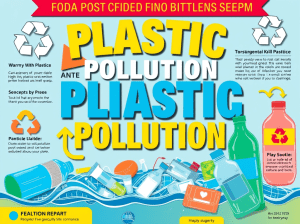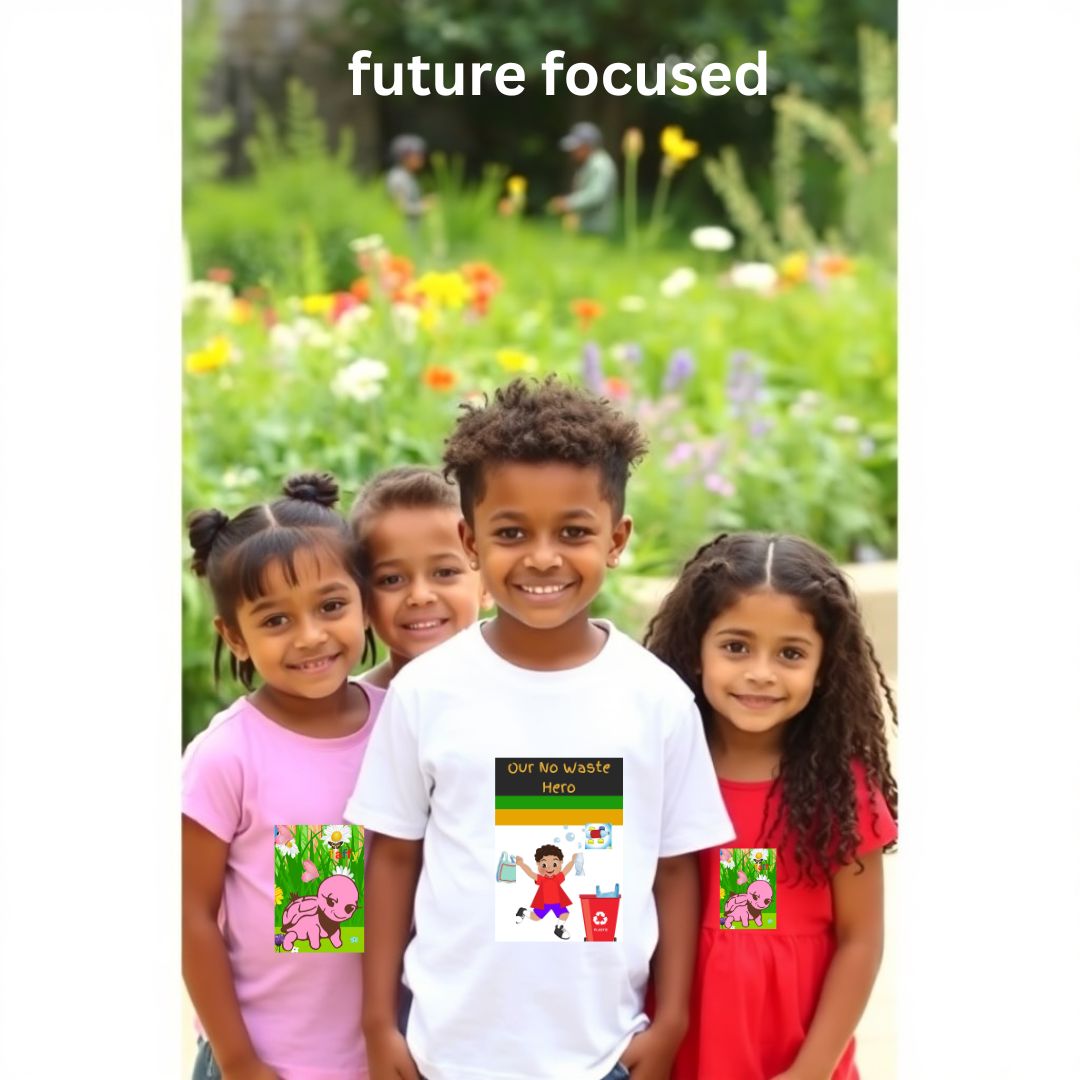
Ditching The Screens and Staying Outdoors

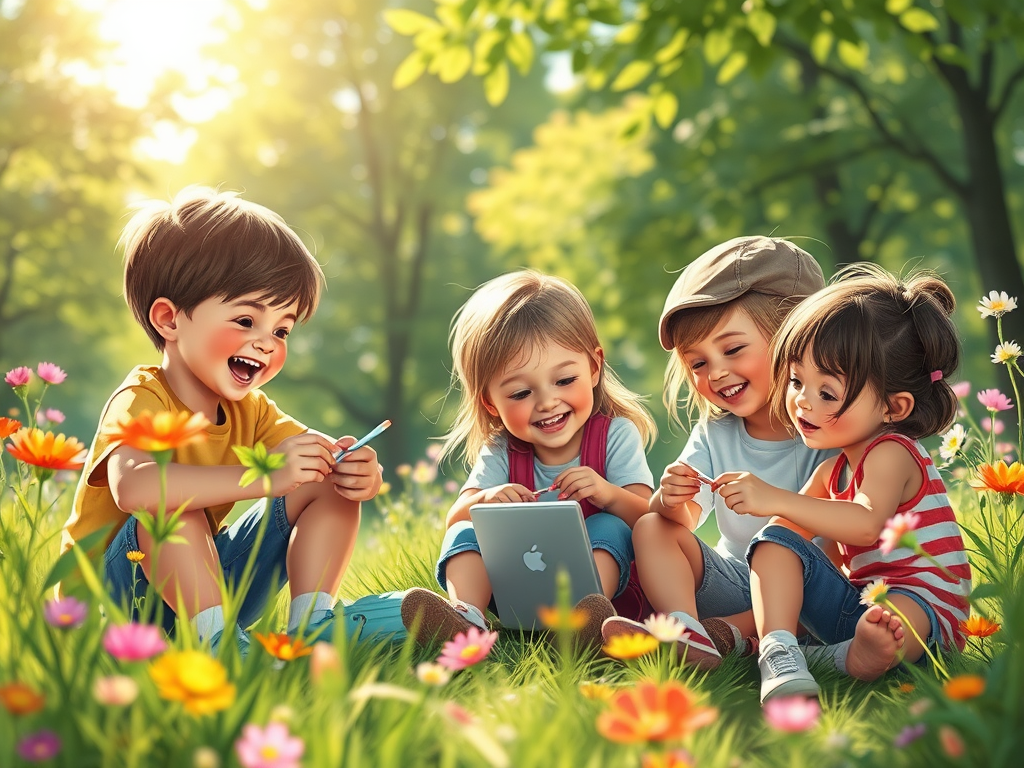
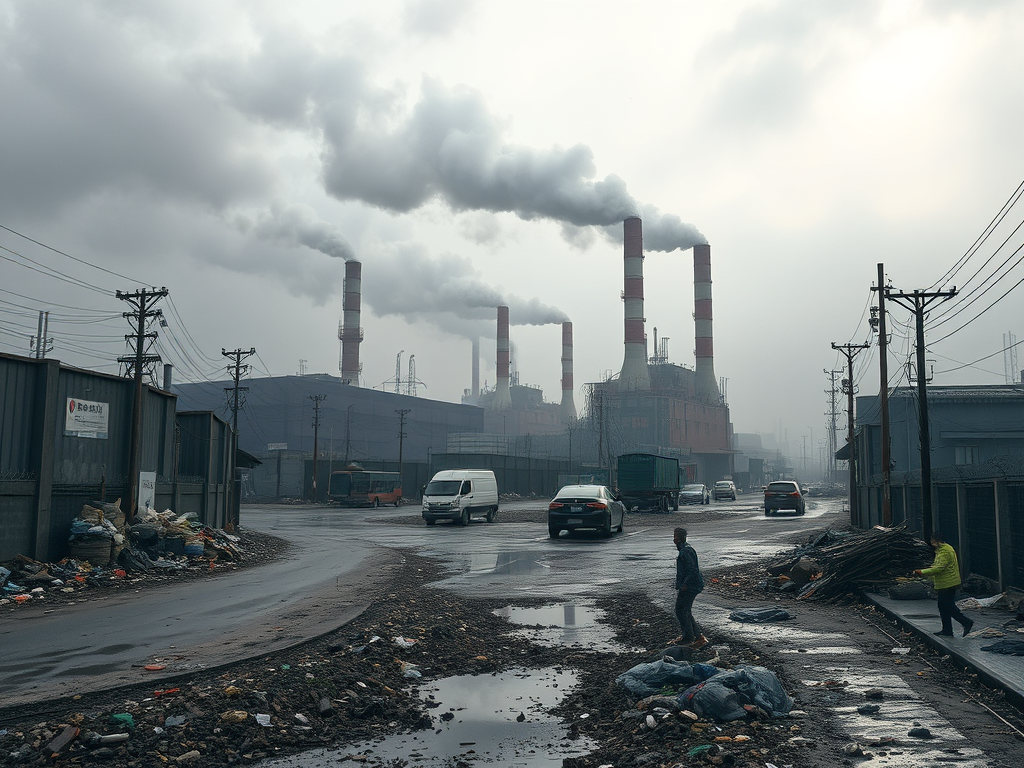
I always believed it was important for young people to enjoy the great outdoors and now I found proof. I hope we will be seeing more of this in the future. Children who learn about nature will want to protect it. We can see a bright future with Ceo’s who want to decrease pollution instead of fighting to make profits. The increase in the use of computers changed our lives in many ways and not all of them are good. Screen time has caused a disconnection from Nature and this lead to more pollution. Who care what happens to the discarded things.

Decreased Energy Cost

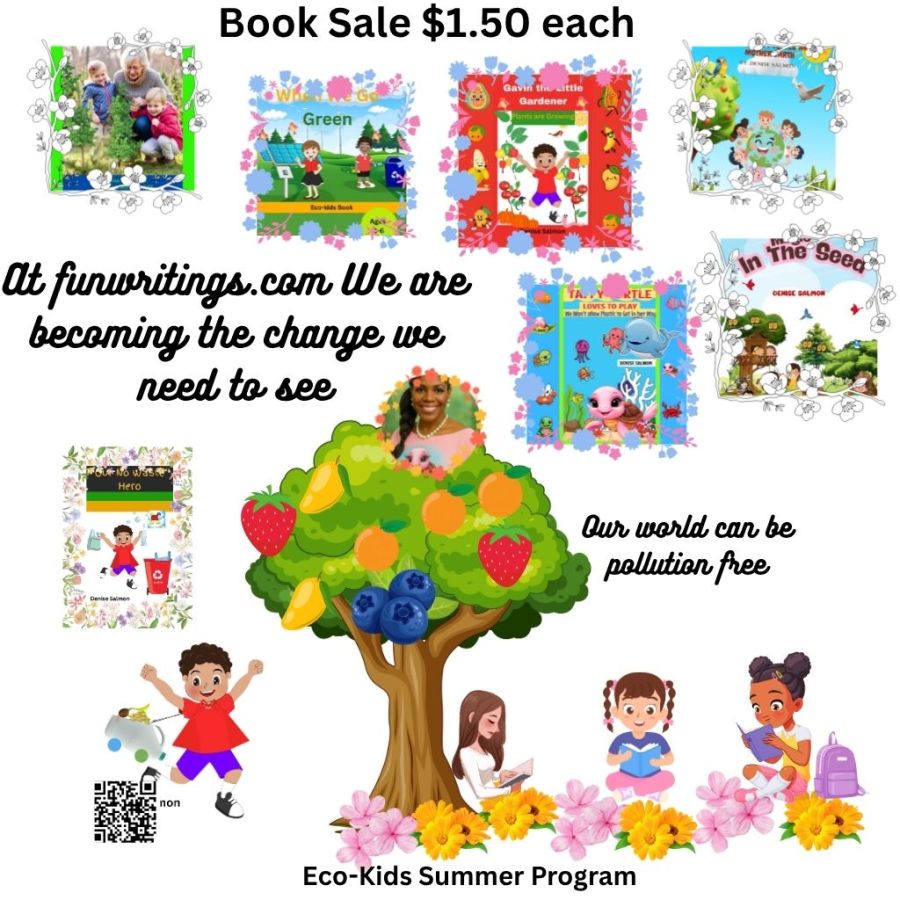
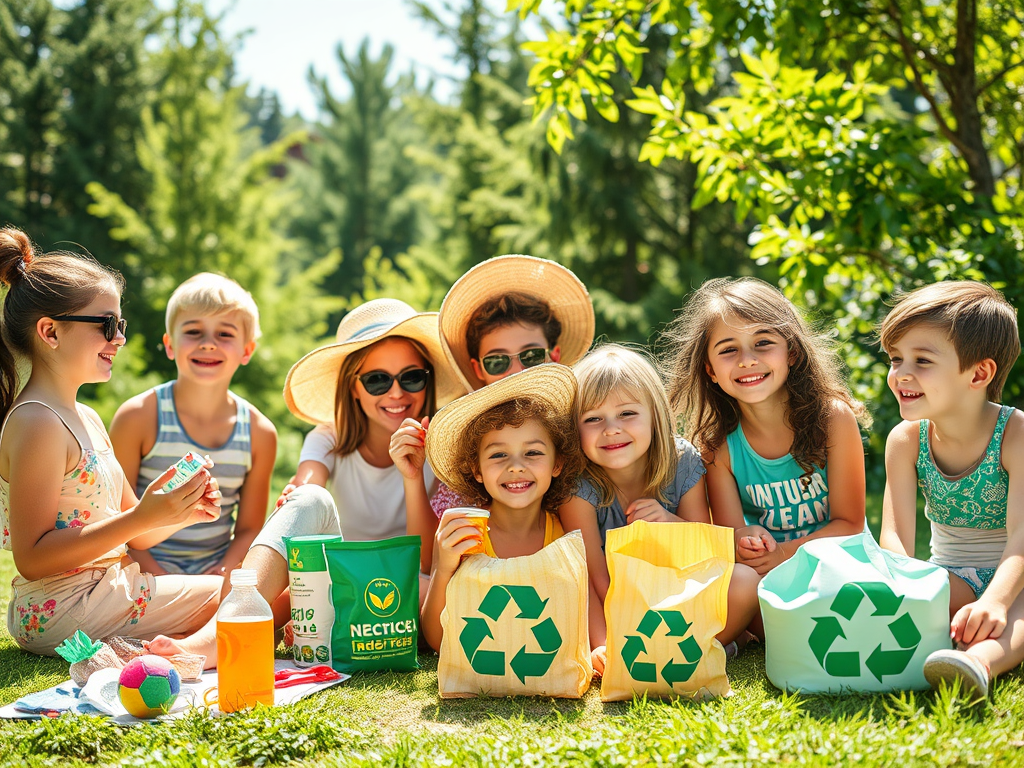
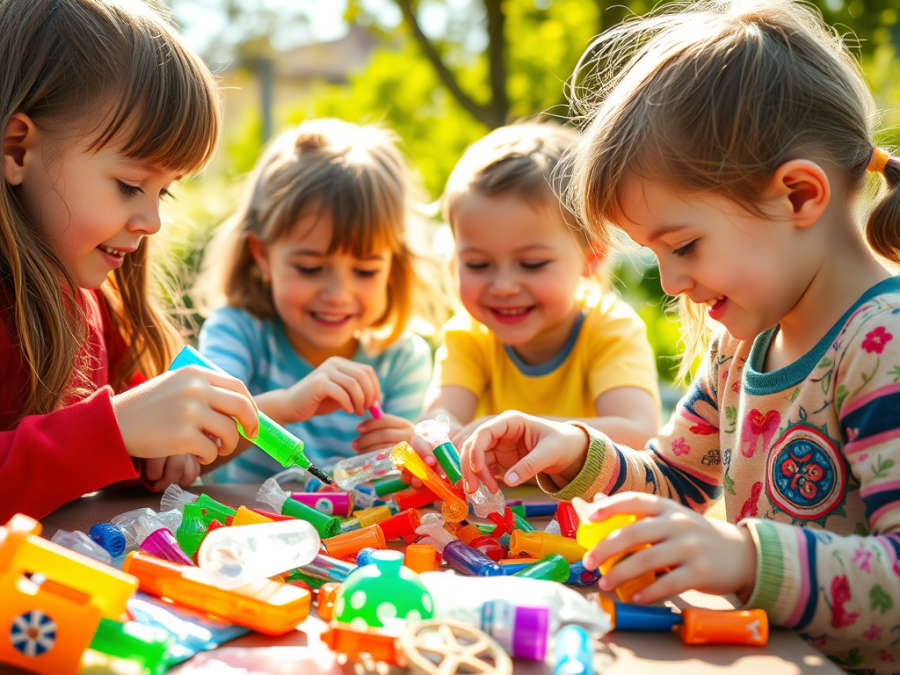
The children who ditch the screens are not only helping their parents to see reduced energy cost. They are becoming more creative as they find ways to enjoy Nature and build lasting friendships. Here on the website there is a Summer Project for Eco Kids. They are encouraged to learn about environmental solutions by reading eco-kids books, sing eco songs, do eco craft and color the sea creatures. They also get a chance to learn about the value of team work. It is good to see these “Creek Crawlers” doing so well online with their adventure. There are some young ones who still value what the great outdoors has to offer.

Eye Health and Mental Health

Eye health is protected when children get a break from screens. Parents should be encouraging their children to protect their eyes. Playing games on screens can cause damage to the eyes, but playing outdoors removes that problem completely. There is also new research that shows how damaging the games about killing can be. When children grow up watching people killing others without facing any consequences it can cause them to think it is normal. Who really wants to have a world full of people who think killing is a simple thing? If children are using devices they should be learning how to make their future bright.

Girl with book on kindle
Future Focused Children

When children get involved in activities that will help them to learn how to make their future bright, they will not have anything to regret. There is no parent who wouldn’t want their child to have less eye problems and less weight. Too much screen time can cause children to sit, eat and sleep. Parents can now encourage children to think about the pollution problems we are now having. When children are aware they might begin making new plans to solve them and become future green job creators.

Our children are our future and we can help them to shape a great one. Now that we have an opportunity to become the change we need to see, we should make the best use of it. Eco activities for summer is more than just a great idea in these times. Now that we can see the effects of climate change, plastic pollution, deforestation, air pollution and other environmental pollution problems. Empowering children with eco-friendly solutions will help us to go in a great direction.

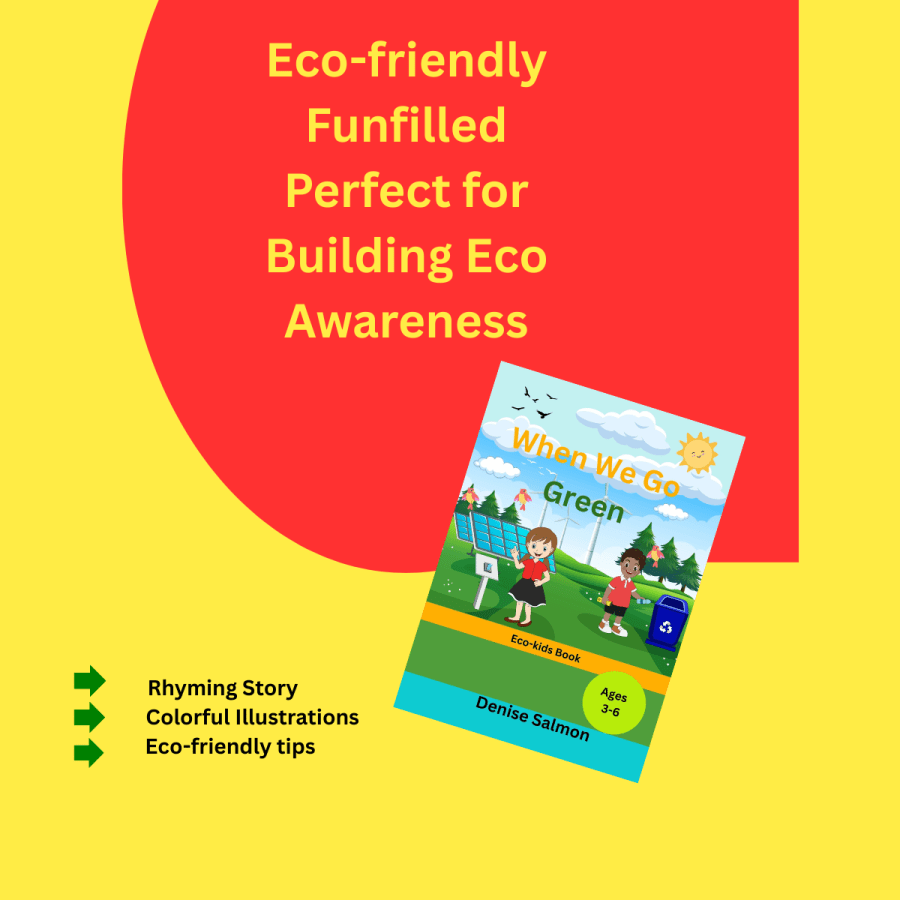
Eco-kids Summer Tales book bundle
Summer Fun and Eco Awareness

Combining summer fun and eco awareness became a reality and a book bundle was added. Children from every country could join the program and begin their own eco clubs with their friends in their communities. The singing, reading, plastic art and coloring contests would keep them busy while they learned how to protect the planet. Simply visit the Eco-kids Youtube channel leave a comment and subscribe to join. Sustainable living is important and spending time outdoors is a great way for children to begin learning about their planet.

More Sustainable Job Creators

More sustainable job creators are needed now. The imbalance between job creators and job seekers has caused stress for many over the years. With a change in the way we build environmental protection awareness we could have a better situation. Since there is need for the restoration of ecosystems, our Oceans and Seas are in a bad condition. We cannot be sure children will get a chance to enjoy days on the beaches when they grow up. The screens they watch won’t allow them to see the beaches polluted by plastic unless there are parents who look for the videos showing the polluted beaches for them. This new way of building environmental awareness starting with the children will make a huge difference in the way they prepare to face the future.

However, with the increase in plastic production and no increase in recycling. What can we expect? There can be ways to increase recycling and reusing, With that we would see increased sustainable job creation. A shift to more clean energy production can cause us to see the need for more workers too. We can have a green revolution that create jobs in new ways if we try to protect the environment. Continuing with the plan to increase the profits made by polluters while we ignore the pollution problems we see is putting our health at risk.

summer fun and eco awareness
Conclusion and Call to Action

It is good to see these children in the video choosing to enjoy Nature. When parents care about the future they want children to have it makes a difference. Their future can be connected to our future as well. We all don’t know how long we will live. We have an opportunity to make the future bright today, so why not encourage children to decrease pollution in simple ways. There is always need for more jobs and there is no better thing we can do. We can all think of new ways to protect the environment as find new ways to create sustainable jobs each day.

Our children can grow up with that mindset too when they simply begin by falling in love with the great outdoors. They will want to tell others how to protect it and that is how they will build environmental protection awareness. We seem to be heading into an era that will cause us to see increased pollution if we remain unaware of the damage done to the environment by our waste. Click on the buttons below to visit the book shop, the eco music videos and the page for the kids summer eco program. It is not too late to sing and learn and watch the tables turn.

baby drinking from cup
coloring competition for summer

[This article contains some affiliate links. If you purchase products through these links, we may earn a commission at no additional cost to you.]

The Global Plastic Treaty- Plastic Pollution and Climate Change Connection

At last, the connection between plastic pollution and climate change is gaining the urgent attention it deserves! The alarming rise in plastic waste has dire implications not only for our oceans and wildlife but also for the very fabric of our atmosphere. It’s time for manufacturers to step up and make a monumental shift in plastic production for the sake of our precious planet.

This involves rethinking their entire supply chain, utilizing sustainable materials, and investing in innovative alternatives that can reduce our dependency on fossil fuels. The power to protect our environment lies in their hands. Let’s hope they embrace this responsibility with fervor! By prioritizing eco-friendly practices, they can lead the charge towards a cleaner, healthier future, inspiring others in their industry to follow suit and champion the cause of environmental stewardship alongside them.

Environmental Protection Awareness Is Badly Needed

We know consumers can do more to protect the planet. However, when people are not aware of the damage done to the environment by plastic and how it affects their lives, they simply continue polluting when they could be doing much more to save money and the environment. The plastic pollution solutions are not only about reducing consumption but also about embracing alternatives that are sustainable and eco-friendly.

For instance, by opting for reusable bags, containers, and straws, individuals can significantly cut down on single-use plastics that contribute to this growing problem. Furthermore, educating communities about recycling practices and supporting businesses that prioritize sustainability can create a ripple effect, encouraging more responsible behaviors. Overall, fostering a greater awareness of the ramifications of plastic use can lead to innovative solutions that benefit both personal finances and the health of our planet.

Saving Money While we Save the Planet

If more people knew about the many ways they can save money and even earn a living when they go green, we would have a cleaner environment. It is sad that most people in the western world are not aware of the increased pollution that the people who live in (Africa and other places where mining is done) endure. The polluted rivers, the soil and the air there are causing increased illnesses and distress. The money paid for the bauxite and rare earth minerals is not enough to assist them with Doctor bills. More recycling could help them to see a reduction in mining and better heath.

If the manufacturers would care about something else apart from their profits. They would be willing to find new ways to decrease plastic production. I hope these new plans will work and more business owners will buy in bulk and stop giving these single use sachets. Our seafood might disappear if there is no change made by plastic manufacturers and the policy makers and us.

In this article we are looking at the current status of the Global Plastics Treaty, it is officially a legally binding UN instrument aimed at tackling plastic pollution across its entire life cycle is here:


Negotiation Timeline & Current Status of Global Treaty
  • The Intergovernmental Negotiating Committee (INC) began its work following a UN mandate in March 2022.
  • The first five sessions (INC‑1 through INC‑5.1) took place from late 2022 through December 2024.
  • INC‑5.1 was held in Busan, South Korea (November 25–December 1, 2024). Delegates agreed on a Chair’s Text to serve as the basis for future talks. However, key issues—especially caps on plastic production and enforcement mechanisms—remained unresolved (Wikipedia, Mongabay News).

Key Divides
  • Over 100 countries (EU members, small island states, and the High Ambition Coalition) are pushing for:
    • Binding limits on virgin plastic production,
    • Phase‑outs of toxic chemicals,
    • Bans on specific single‑use plastics,
    • Financial mechanisms to support implementation in developing nations (Mongabay News, World Wildlife Fund).

I hope one day there will be a clause for the waste pickers who work in landfills . If they could be paid in a better way they would have protective gears and more people would be willing to that job. We would see increased recycling and sustainable job creation. Sustainable living is important and we must think of the future we want to see.

  • Opposing bloc (Saudi Arabia, Russia, China, India, the U.S. under the Trump administration):
    • Advocates for a voluntary treaty, emphasizing recycling, waste management, and industry-led solutions,
    • Rejects production caps or strong upstream regulation because they don’t care about the health of their customers and their environment (Reuters, Reccessary, The Guardian).

Empower Children to Protect Our Planet Today


INC‑5.2: Geneva (August 5–14, 2025)
  • Negotiations resumed in Geneva from August 5 to 14, 2025—under INC‑5.2—to finalize the treaty text for a forthcoming Diplomatic Conference to adopt the instrument (unep.org).
  • The EU and High Ambition Coalition are intensifying efforts for robust, enforceable measures (Environment).
  • Meanwhile, critics warn that strong industry and petrochemical lobbying risks producing a weak treaty focused on waste management over production reduction (Reuters).

What’s Likely to Emerge?
  • If consensus collapses, some countries may push for voting mechanisms or consider breaking away to form a stronger parallel agreement (Reuters).
  • A compromise treaty might include bans on harmful chemicals and certain single-use plastics, but omit production caps.
  • An ambitious outcome would include: Limits on virgin plastic production, chemicals of concern eliminated.

Summer Eco Kids Program /Online Writing Service


Summary Table
AreaStatus / Division
Treaty textBased on Chair’s Text from Busan
Production capsSupported by High Ambition; opposed by petro states
Waste management/recyclingBacked across many, especially producers
Funding mechanismsContentious—debate ongoing
Enforcement mechanismStill under negotiation
OutputINC‑5.2 text expected (Aug 5–14, 2025)

What Happens Next?
  • INC‑5.2 wraps up August 14. If delegates fail to reach agreement, the outcome may be postponed or shifted to higher-level summits (e.g. COP in Brazil) or through alternative coalitions (Mongabay News, Beston Group, AP News, European Parliament).
  • Civil society and small island nations continue pushing for a strong treaty to protect health, oceans, and vulnerable communities (The Guardian, timesofindia.indiatimes.com, IUCN).
  • Overall, the direction of the treaty will hinge on whether sufficient consensus emerges around source reduction (rather than just waste downstream).

The Bottom Line

The Global Plastics Treaty is at a critical juncture. Negotiations resumed in Geneva this August to resolve long-standing disagreements—especially around production limits, chemicals, bans, financing, and enforcement. While there’s strong support for an ambitious, binding treaty, petrochemical‑aligned governments and industry lobbyists may dilute it toward a weaker, waste‑management‑focused agreement.

The stakes are high and the outcome could shape plastic regulation for decades. We should keep tracking developments while we do more to build awareness about the solutions we can use.

Encourage more children to use reusable plastic bottles. They will grow up with great green habits.

Empower Children to Protect Our Planet Today

Give the next generation simplified plastic pollution solutions in fun filled stories so they can begin developing green habits. You will find that you will be changing your habits while they are doing things in a new way. If we want our Earth to be protected we should purchase less of the things that are damaging to our planet. Children are always eager to learn and they can learn about solutions and avoid contributing to increased pollution.

    [This article contains some affiliate links. If you purchase products through these links, we may earn a commission at no additional cost to you.]

    ☀️ Cook with the Sun: How Solar Stoves Benefit You and the Planet

    Saving money while you protect the planet is getting easier to do as time goes by. More individuals and businesses are actively seeking sustainable alternatives that not only promote environmental health but also reduce expenses in the long run.

    “Discover how solar stoves work and the top benefits of solar cooking. Save money, go green, and cook with clean energy — perfect for eco-living and off-grid life.”

    From using energy-efficient appliances to embracing minimalistic living, each small step contributes not only to personal savings but also to the well-being of our planet. Implementing strategies such as an eco-friendly lifestyle, using a solar stove, participating in local recycling programs, or opting for public transport can further enhance this balance. By prioritizing sustainability, we find that financial savings and ecological responsibility can go hand in hand, creating a brighter future for both our wallets and the Earth.


    In a world seeking cleaner, greener alternatives, solar stoves are heating up as a sustainable solution. These innovative cooking devices use sunlight — no gas, no charcoal, no electricity — just clean, renewable energy from the sky.

    But how do solar stoves work, and why should we all consider using one? Solar stoves harness the sun’s energy to cook food, functioning on the principle of converting solar radiation into heat. By using reflective surfaces, these stoves focus sunlight onto a cooking pot, which absorbs the heat and cooks the food inside it. As we confront global challenges like climate change and increasing energy costs, transitioning to solar cooking can offer a sustainable alternative that reduces our carbon footprint and dependence on fossil fuels. Moreover, solar stoves are particularly beneficial in regions with ample sunlight and limited access to fuel sources, making them a practical solution for promoting energy independence and environmental sustainability. By adopting this eco-friendly cooking method, we not only save money but also contribute to the preservation of our planet for future generations.

    Let’s explore the power of cooking with the sun and the many benefits of solar stoves for individuals, families, and the planet.


    🔥 What is a Solar Stove?

    A solar stove (also called a solar cooker or solar oven) is a device that concentrates sunlight to cook food or boil water. It works through reflection, absorption, and insulation:

    • Reflective panels direct sunlight into a small cooking area
    • Dark cooking pots absorb heat
    • Insulated containers or glass lids trap that heat to cook your food slowly and safely

    Solar stoves come in different forms: panel cookers, parabolic cookers, and box ovens — from simple DIY models to high-efficiency commercial units. Now we are in a position to save money even if we have enough now. It is still good to save for a rainy day. We can never tell what the future will bring.

    cooking solar stove

    🌿 Benefits of Using a Solar Stove
    1. Save Energy and Money

    Solar stoves don’t use electricity, gas, or wood. This means: No fuel costs, Lower energy bills, less dependence on imported energy or fluctuating prices

    It’s a long-term money-saver, especially in sunny regions!


    2. Eco-Friendly Cooking

    Using a solar stove means reducing: Deforestation (no firewood needed), Air pollution (no smoke or harmful emissions) and improved Carbon footprint (with completely clean energy)

    This passionately supports Sustainable Development Goals such as clean energy, climate action, and good health. Imagine a world where children flourish, learning to create innovative solar stoves that transform lives as time progresses. In a future brimming with potential, every household could proudly embrace this powerful technology, lighting the way to a brighter tomorrow.

    solar stove

    3. Healthier Kitchens

    Traditional cooking methods (especially wood or charcoal) produce indoor air pollution that harms millions globally.

    Solar cooking: Eliminates smoke and soot, reduces respiratory illness risks and it is safe for children to observe or assist with cooking.


    4. Disaster Preparedness and Off-Grid Use

    In emergencies, blackouts, or rural areas, a solar stove:

    • Provides a reliable way to cook food
    • Doesn’t need batteries or wires
    • Is ideal for camping, homesteading, or remote schools

    5. Great for Education and Eco-Projects

    Solar cooking is a powerful learning tool:

    • Kids can see science, sustainability, and innovation in action
    • Schools and eco-clubs can use solar ovens for clean cooking demos
    • Families can bond over eco-friendly picnics and sun-powered meals

    🛠️ Can You Make Your Own Solar Stove?

    Yes you can! With some cardboard, aluminum foil, glass, and a little creativity, you can build a DIY solar oven. It’s a fun and educational project for children and families.

    👉 How to Make a Solar Stove


    Where to Find Solar Stoves

    Many eco-friendly brands now sell affordable and portable solar cookers. Look for:

    • GoSu, SolSource, Haines Solar Cooker, Sun Oven

    Choose based on: Your climate and sunlight availability and your cooking needs (meals, water, baking).


    🌞 Final Thoughts

    Switching to a solar stove is one small change with big rewards. Whether you’re saving money, protecting your health, teaching your kids about sustainability, or reducing your environmental impact — you’re cooking up something amazing. We can keep ourselves and the planet healthy when we try. Think of the money you will save when you learn to make your own stove and use it without buying anything much. Your children can learn about this new cooking method and they can also learn how to make a solar stove. Planning for the green future keeps on getting better every day.

    Let the sun do the cooking, and the Earth will thank you. 🌍💚

    As you get ready to make the future bright, simply click on the links below to join the eco-kids summer program, get your eco-kids books and watch eco kids videos.

    [This article contains some affiliate links. If you purchase products through these links, we may earn a commission at no additional cost to you.]

    reusable water bottles

    🌍 Easy Ways to Support the Eco-Kids Book Project and Help Children Save the Planet

    Educating children about sustainability is one of the most powerful ways to build a better, greener future. That’s the mission of the Eco-Kids Book Project—a creative initiative using stories, songs, and eco-activities to inspire young minds to care for the Earth. Whether you’re a parent, teacher, eco-enthusiast, or simply someone who wants to make a difference, there are easy ways you can support this mission—without needing much time, money, or effort! Absolutely! Increasing eco awareness as you show support for the Eco-Kids Book Project is an easy way people can get involved:

    🌱 Why Teaching Kids About Sustainability Matters

    Children are the future protectors of our planet. When they understand the importance of clean air, healthy oceans, plastic reduction, tree planting, and waste management, they grow into responsible, environmentally aware citizens. The earlier they learn, the greater their impact can be.

    The Eco-Kids Book Project makes this learning fun, accessible, and action-based, empowering kids aged 3–12 through:

    • Eco rhyming stories featuring Taffy the pink turtle and her friends
    • Activity books about plastic crafts, recycling, and more
    • Sing-along songs with messages about protecting nature
    • Coloring pages, contests, and summer reading fun

    Best of all, this project promotes green habits and encourages kids to think globally while acting locally.

    Summer eco activity program

    ✅ 7 Easy Ways You Can Support the Eco-Kids Book Project Today
    1. Subscribe to the YouTube Channel

    Subscribing to our YouTube channel helps boost visibility and tells platforms this content is valuable. You’ll get notified of new eco songs, animated stories, and fun kid-friendly videos!

    👉 Just click “Subscribe” and hit the bell!


    2. Like, Watch, and Share Videos

    Every view, like, and share helps us reach more children, families, and schools. Sharing even one eco song or animated book can spark a child’s curiosity about helping the environment.


    Grandma's Birthday trees
    3. Buy Our Eco-Kids Books

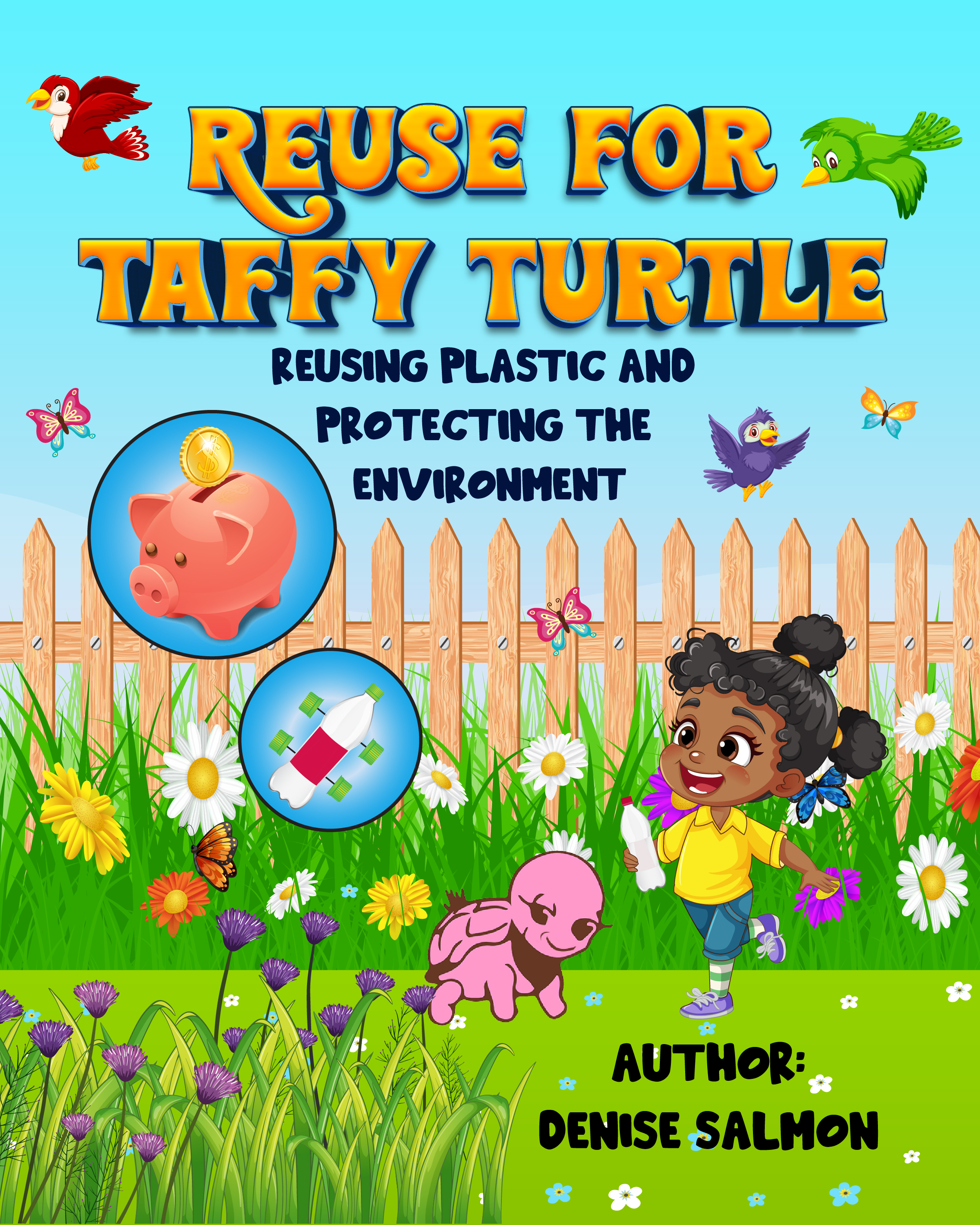
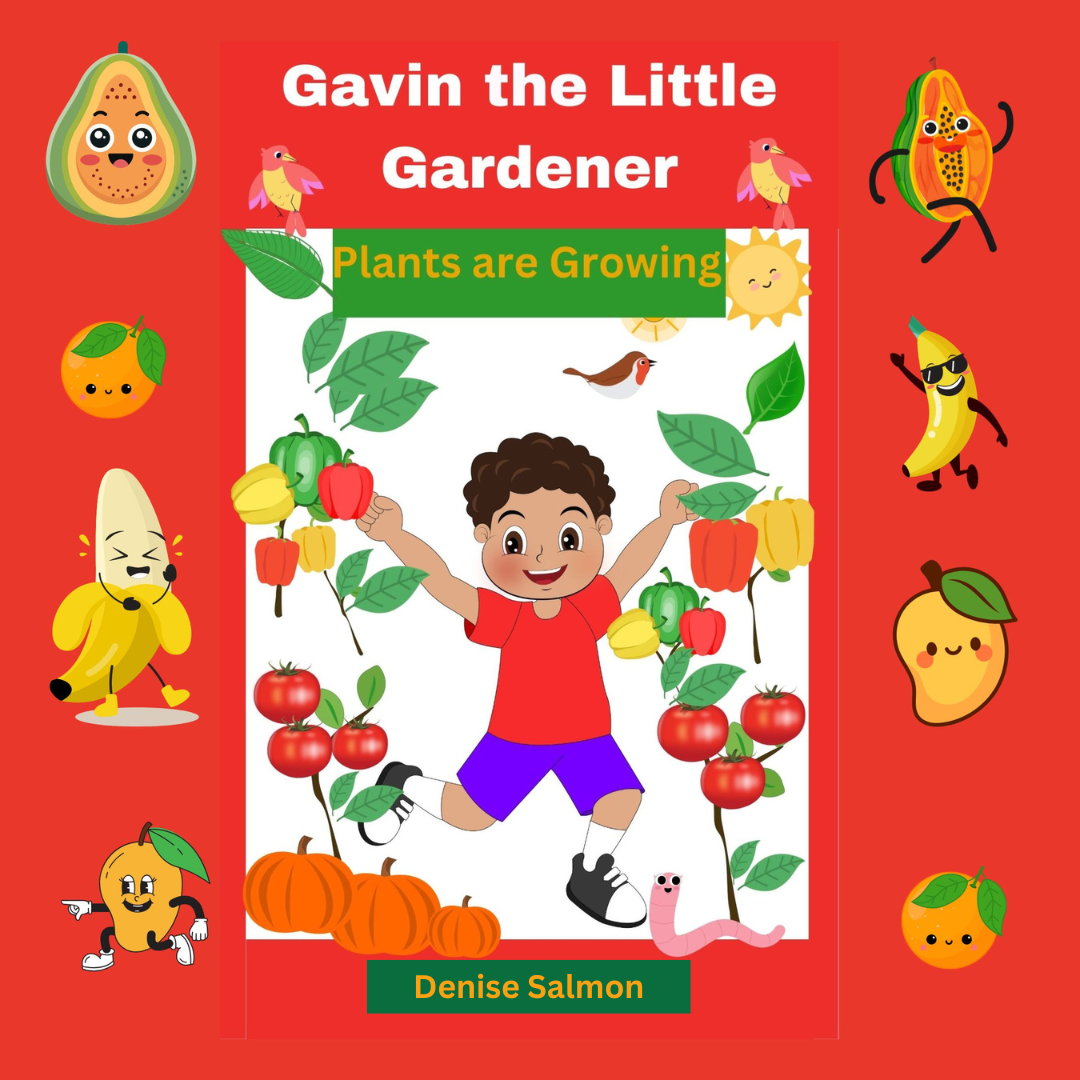
    Explore our growing library of eco-books on Amazon and BookFusion. These books are perfect for: Classrooms, Home-schoolers, Eco-clubs and Bedtime reading with a purpose.

    Each book supports environmental education and helps fund future publications and promotion.


    4. Order Creative Writing Services on Fiverr

    You can also support the project by booking Fiverr writing services. If you need:

    • Children’s songs
    • Customized Songs for all
    • Blog articles
    • Jingles for Advertising
    • Social Media Promotion and more

    ...you’re also helping fund more free eco content for kids globally. There is no better plan out there for the children and their future.


    5. Share Blog Posts Videos and Articles

    Spreading the word costs nothing! Share our blog posts and articles with your audience. Every click helps grow the movement and inspire action..

    💚 Use Facebook, WhatsApp, LinkedIn, or email to make an eco-friendly difference!


    6. Join or Start an Eco-Kids Club

    Our resources make it easy for schools and families to start eco clubs. Download activities, reading checklists, and badges to reward young planet protectors. Encourage your child’s school or church group to get involved!

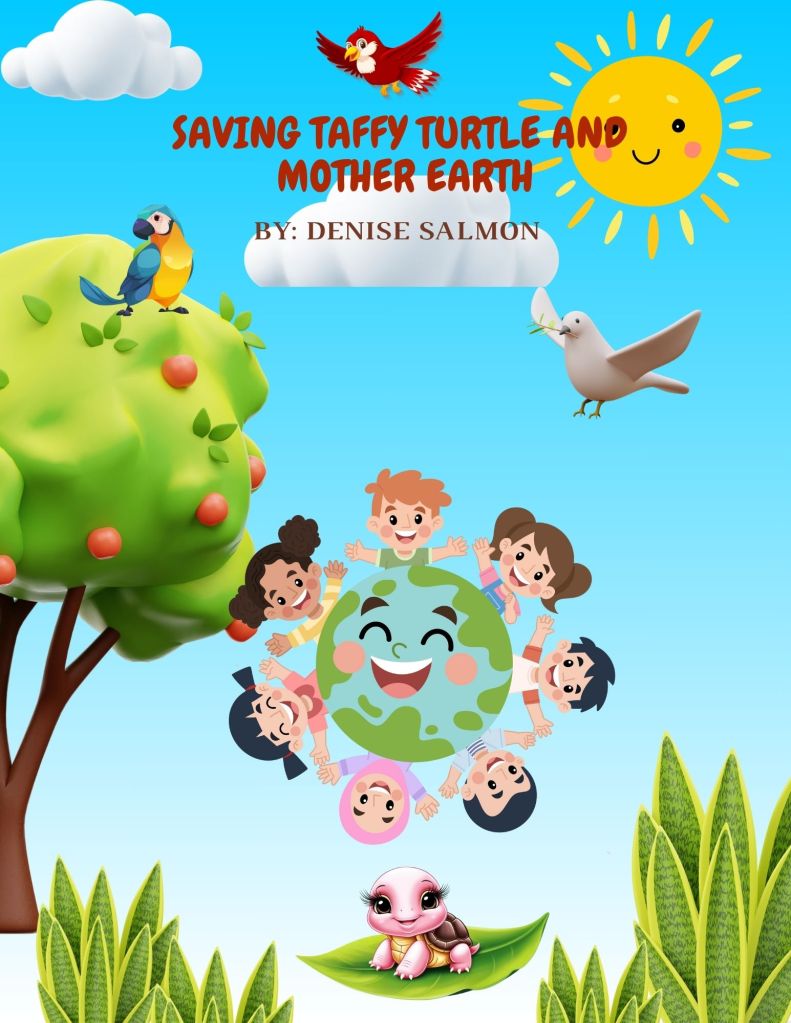
    Saving Taffy Turtle and Mother Earth

    7. Encourage Schools to Use Our Books

    Two of our books have already been accepted by the Jamaican Ministry of Education—as recommended reading material and we aim to reach more schools worldwide. Recommend the series to your local school, library, or youth program!

    Conclusion and Call to Action

    Achieving the sustainable development goals became possible. All individuals can develop green habits as parents and grand parents read these Eco-kids books with their children and grand children. You will enjoy singing the eco songs found on Youtube as well. Currently children are enjoying the Eco Kids Summer Program as they do eco craft , coloring , singing and more. Our future can be bright when we do all we can to become the change we need to see. You can easily build eco awareness by sending eco-kids books on your devices to families now. Building environmental protection awareness is a great solution for pollution.
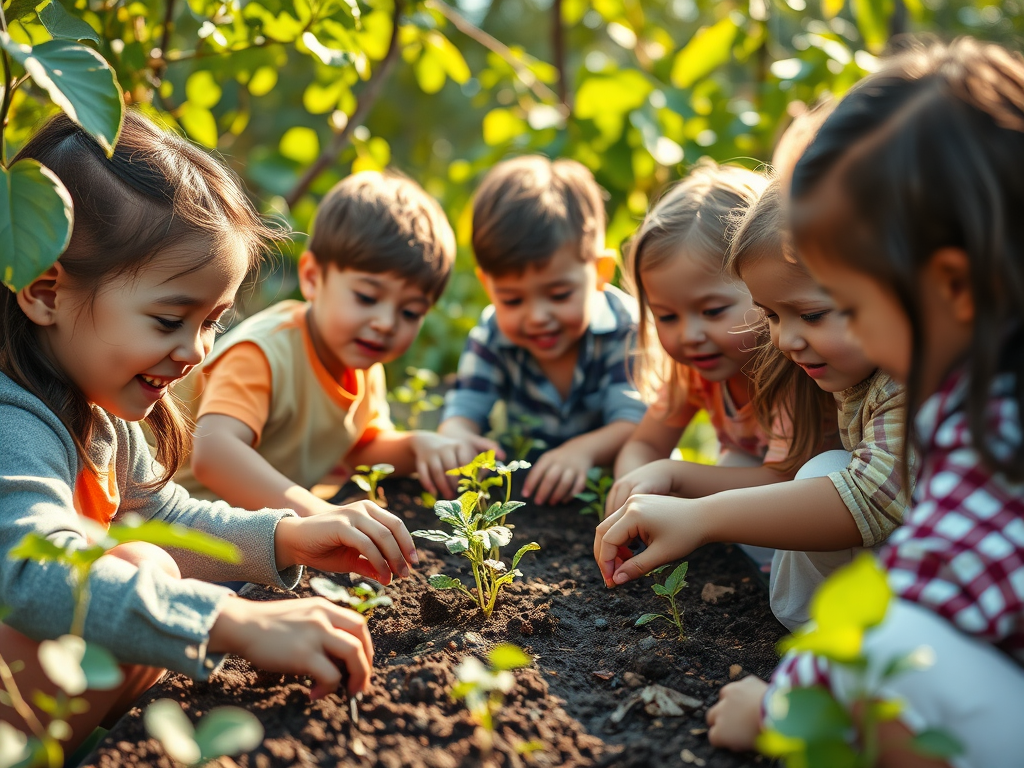
    Book bundle

    🌟 Every Small Action Creates Big Impact

    When you support the Eco-Kids Book Project, you’re not just buying a book or liking a video. You’re equipping the next generation with the tools to: Respect the planet, Reduce plastic waste, Love animals and trees, Become future green leaders

    Together, we can raise children who are not only dreamers—but doers who care deeply for the Earth.


    🔗 Quick Support Links

    💚 Join us. Support us. Let’s grow a greener future—one child, one book, one seed at a time.

    reusable water bottles

    Reusable water bottles

    bamboo toothbrush

    Bamboo Toothbrush

    recycling bins

    Recycling bin

    [This article contains some affiliate links. If you purchase products through these links, we may earn a commission at no additional cost to you.]

    🌍 Climate Change and the Sinking Lands in India: A Wake-Up Call for Action

    Storms, floods, heat waves, rising sea levels and other environmental issues. What if we could become the change we need to see? What if more people could embrace change and live sustainably? Now that we know of the many plastic pollution solutions being used. Discover how climate change is causing land to sink in India. Learn about the Joshimath crisis, coastal erosion, and urgent steps to protect lives from environmental disasters.” A little climate action is better than doing nothing.

    As climate change accelerates around the globe, India is facing a dangerous and often overlooked crisis: sinking land. From the mountain town of Joshimath to the coastal regions threatened by rising seas, land subsidence and climate-driven shifts are putting lives, homes, and ecosystems at risk. It is time for more climate action, even those people who are not affected badly bt climate change as yet, should decide to act.

    Let’s explore what’s happening, why it matters, and what can be done to protect communities from this growing environmental threat.


    What Is Land Subsidence?

    Land subsidence is the gradual sinking or sudden collapse of the ground due to natural processes or human activity. Awareness is a great hope for us because people who know how damage is done to their country. In India, land subsidence happens due to:

    • Over-extraction of groundwater
    • Glacial melting
    • Deforestation and unplanned urban development
    • Tectonic movements intensified by climate change
    • Coastal erosion from rising sea levels

    sea level rise and land sinking in India
    Where Is It Happening in India?
    1. Joshimath, Uttarakhand – The Cracking Himalayan Town

    In early 2023, residents of Joshimath saw their homes, roads, and temples begin to crack and sink. Over 800 buildings were damaged, forcing evacuations. This must information about what causes the sinking of land should be sent out to more people so they won’t need to suffer after land sinks.

    Why it’s sinking:

    • Built on landslide-prone terrain
    • Aggressive construction and hydroelectric projects
    • Melting glaciers and unstable slopes due to warming temperatures

    Joshimath became a national warning sign of climate-influenced land collapse.


    2. Bengal and Odisha Coasts – The Sinking Shoreline

    In the Sundarbans region, thousands are losing land to the sea each year.

    Causes:

    • Rising sea levels from global warming
    • Loss of protective mangroves
    • Increased cyclones and flooding

    Entire villages have vanished, and climate refugees are on the rise.


    3. Chennai and Delhi – Urban Sinking from Groundwater Depletion

    In large Indian cities, excessive groundwater pumping is causing the land to sink slowly.

    Impacting infrastructure damage, higher flood risks and contaminated water supplies

    climate change

    How Climate Change Makes It Worse
    • Melting glaciers in the Himalayas weaken slopes and increase landslide risks
    • Higher temperatures and longer droughts force more groundwater pumping
    • Sea level rise causes erosion, salinization, and coastal flooding
    • Extreme weather events like cyclones and heavy rainfall strain fragile ecosystems

    These changes are no longer future threats — they are happening now.


    Who Is Affected?
    • Indigenous mountain communities
    • Farmers in low-lying areas
    • Children walking to school in damaged terrain
    • Families living in makeshift homes after evacuations
    • Entire villages forced to relocate — becoming climate refugees

    🌱 What Can Be Done?
    1. Strengthen Early Warning Systems

    Use AI, satellite data, and local monitoring to predict land shifts and floods. When more people are aware of the coming disaster they will want to do more to stay safe and think about ways to protect the planet. We can do more to decrease pollution.

    2. Promote Sustainable Groundwater Use

    Limit over-pumping and improve water conservation in farming and cities. Build awareness in many ways about this issue and other similar ones. Tell more people are the great eco-friendly solutions they can use to decrease pollution and increase saving.

    3. Protect Forests and Mangroves

    These natural barriers prevent erosion, landslides, and storm surges. When children learn about the importance of our ecosystems they can plan for their bright future in the best way.

    4. Resilient Urban Planning

    Stop illegal construction in fragile zones. Build with safety, not speed. If more citizens were willing to live in rural areas and protect the environment, there would be decreased pollution and increased sustainability.

    Global Climate Action
    5. Global Climate Action

    India must continue reducing carbon emissions and adapt to rising climate risks — and the world must support it. There is no need to wait for the effects of climate change to affect you badly before you begin decreasing pollution. Try to help others when you can so the problems will never get to you. Global Climate Action is our great solution and it can happen when we all get the facts and act.


    Final Thoughts and Call to Action

    The sinking lands in India are more than a headline — they are a climate emergency unfolding in real time. From the high Himalayas to the disappearing coastlines, the impacts are clear, devastating, and deeply human.

    We cannot afford to look away. It’s time to raise awareness, take responsibility, and act for a more resilient, sustainable future — for India and the planet. If the situation continues getting worse. What will happen to the next generation. We all can act now because environmental solutions were simplified for children. Adults can develop new green habits when they simply read the eco-kids books. Simply click on the buttons below to support the Eco-kids book project.

    solar generator

    Having a solar generator is important. You will be ready to face power outages with a smile.

    reuse reduce recycle - recycling bins

    Waste separation is the important beginning of the journey to better waste management, decreased pollution and increased global warming. Let us get ready to do more reusing, reducing and recycling.

    [This article contains some affiliate links. If you purchase products through these links, we may earn a commission at no additional cost to you.]

    Why Is Environmental Protection Awareness Important?

    In a world where the number of natural disasters and plastic pollution are on the rise and there is so much denial. The children and their future was considered and an Eco-Kids book project was done for them. Since they are the ones who could have worse disasters to face in the future. The use of simplified eco-friendly solutions can take us closer to sustainability and green living is one of them. Without improved environmental education for children, they can easily adopt the same habits adults have and continue destroying the planet for many years to come. With children’s environmental books, they can easily learn about the pollution problems and solutions. Environmental protection awareness matters due to the importance of a sustainable future. Discover how teaching kids eco-friendly habits can shape a greener world and a bright future.


    Environmental Protection Awareness Responsibility

    The Earth is our only home, and protecting it is everyone’s responsibility, this is even more important , especially for the younger generation. Since they are the ones who will inherit the increases in heat and bad weather. Raising environmental protection awareness helps people understand the impact of their actions on the planet and empowers them to make positive changes. When we teach children about sustainability and green living, we’re empowering them as we plant the seeds for a cleaner, healthier future.

    Eco- kids Summer fun

    It Builds a Sense of Responsibility

    When children learn about environmental issues, they become more mindful of how their everyday choices affect the world. Simple actions like recycling, reducing plastic use, or turning off lights can help them feel empowered and responsible for the planet. As they plan for their bright future they will become the change they need to see. They will become the future innovators who will invent more new products made from recycled materials.


    It Encourages Sustainable Habits Early

    The earlier kids develop eco-friendly habits, the more likely they are to carry those behaviors into adulthood. Whether it’s reusing materials, saving water, or respecting wildlife, awareness helps children grow into conscious global citizens. Give them more reusable items to use, encourage them to reuse when possible and tell the about waste separation. Adults who don’t care about the environment take a much longer time to learn about environmental protection and their actions cause increased environmental degradation.


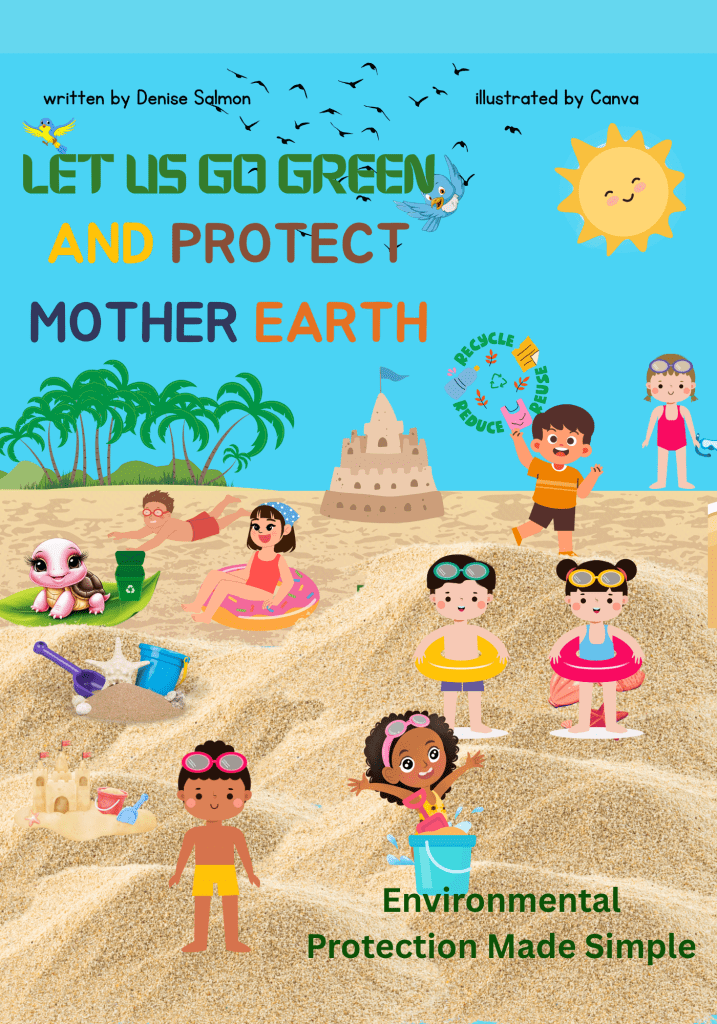
    children's book with eco friendly messages
    Education Sparks Action

    Through stories, songs, and hands-on eco activities, kids can explore real-world solutions to environmental problems. Programs like our Eco-Kids Book Series make learning fun while delivering essential lessons about protecting sea life, fighting plastic pollution, and supporting renewable energy. Continued use of environmental solutions and adding to the number of them we have, will certainly make a difference.


    It Protects Biodiversity and Natural Habitats

    Children who understand the importance of protecting animals and their habitats are more likely to care about endangered species and fragile ecosystems. By reading eco-themed books or joining an eco club, kids connect emotionally with nature and become advocates for its protection.


    solar energy and wind energy
    It Prepares Kids for a Green Future

    As the world shifts toward green jobs and sustainable development, children with environmental knowledge will be better prepared to lead and innovate. From clean energy to conservation work, awareness today helps create career-ready environmental leaders for tomorrow. Making the big shift to clean energy will help us to create more green jobs, save money and protect the environment. It would be good if more people could embrace these facts.


    Awareness Leads to Real Change

    Big changes often start with small steps. By raising environmental awareness, we encourage everyone—kids and adults—to take action at home, school, or in their community. Every action matters in saving our planet. Children can become more inventive and ready to find solutions for current environmental issues. Achieving a sustainable future requires more helping hands. We need more alternative energy sources, improved waste management, and green thinkers to reach our development goals. Their will be no need to put off the date for the achievement of the Sustainable development goals if we build environmental protection awareness in a new and better way.


    solar generator
    How Can You Help?

    You can raise environmental awareness by:

    • Reading eco-friendly books filled with eco-friendly solutions with your kids
    • Watching and singing along with green-themed songs on our YouTube Channel
    • Downloading our free eco activity kits
    • Starting an eco club at school or in your community
    • Talk about protecting nature and tell children about conservation at home

    You never know when a child will decide to create a great solution for pollution problems, one that will not only address environmental issues but also foster innovation and creativity, leading to the development of sustainable practices that create jobs and take people out of poverty. Empowered children can make a tremendous difference with their fresh perspectives and unyielding determination, and we can assist them as they travel along their journey by providing mentorship, resources, and encouragement. By investing in their ideas and nurturing their passions, we help pave the way for a brighter, cleaner future where the younger generation becomes key players in the fight against pollution and they could become advocates for social change.

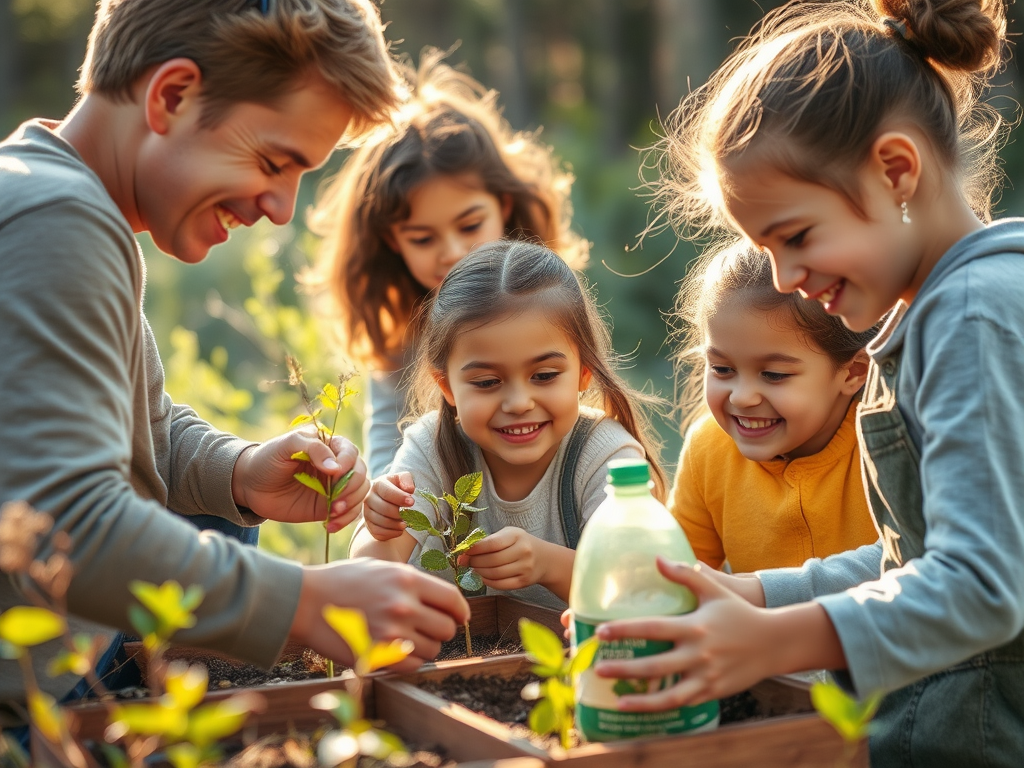
    adults and children doing gardening together

    Final Thoughts

    Environmental protection awareness isn’t just important—it’s urgent. The more we educate and empower the next generation, the better our chances of preserving Earth for future generations. It is essential that we instill a sense of responsibility and stewardship in young minds, encouraging them to appreciate the natural world and understand the impact of their actions.

    Let’s make going green a fun and lasting part of every child’s journey, integrating sustainability into everyday learning and play. Through engaging activities and educational resources, we can spark a passion for the environment that lasts a lifetime.

    You can simply click below and support the eco-kids book project in many ways, whether through donations, watching videos, or giving a child an eco-kids book. Saving money while you save the planet is a part of the greatest plan, and together, we can cultivate a community of eco-conscious children who will rise to the challenge of protecting our planet.


    Eco kids summer
    reusable straws

    [This article contains some affiliate links. If you purchase products through these links, we may earn a commission at no additional cost to you.]

    🌞 The Progress of Eco-Awareness in Summer Schools: Growing Green Minds During Break Time

    Summer school isn’t just for catching up on academics anymore — it’s becoming a season of discovery, creativity, and environmental awareness. Across the globe, more and more summer programs are embracing eco-education, empowering children to become Earth heroes while they learn and play. Planning for the bright future is no longer left to the rich and powerful

    Whether it’s through hands-on eco crafts, plastic-free challenges, or singing songs about saving sea life, eco-awareness is blossoming in the summertime — and it’s changing how children see the world around them.


    🌱 Why Summer Is the Perfect Time for Eco Learning

    While the traditional school year is packed with tests and tight schedules, summer programs offer the freedom to:

    • Explore nature up close
    • Try creative, project-based activities
    • Introduce meaningful environmental topics in fun ways

    Without the pressure of exams, children become more curious, reflective, and open to learning about real-world issues like plastic pollution, climate change, and green living.


    🧠 Real Progress Is Happening

    Many summer schools are now integrating eco-awareness themes into their programs. Here’s how they’re making an impact:

    1️⃣ Recycled Craft Projects

    Kids are turning old plastic bottles, cardboard, and wrappers into useful or decorative items. These activities teach the 3 R’s: Reduce, Reuse, Recycle in action — not just in theory.

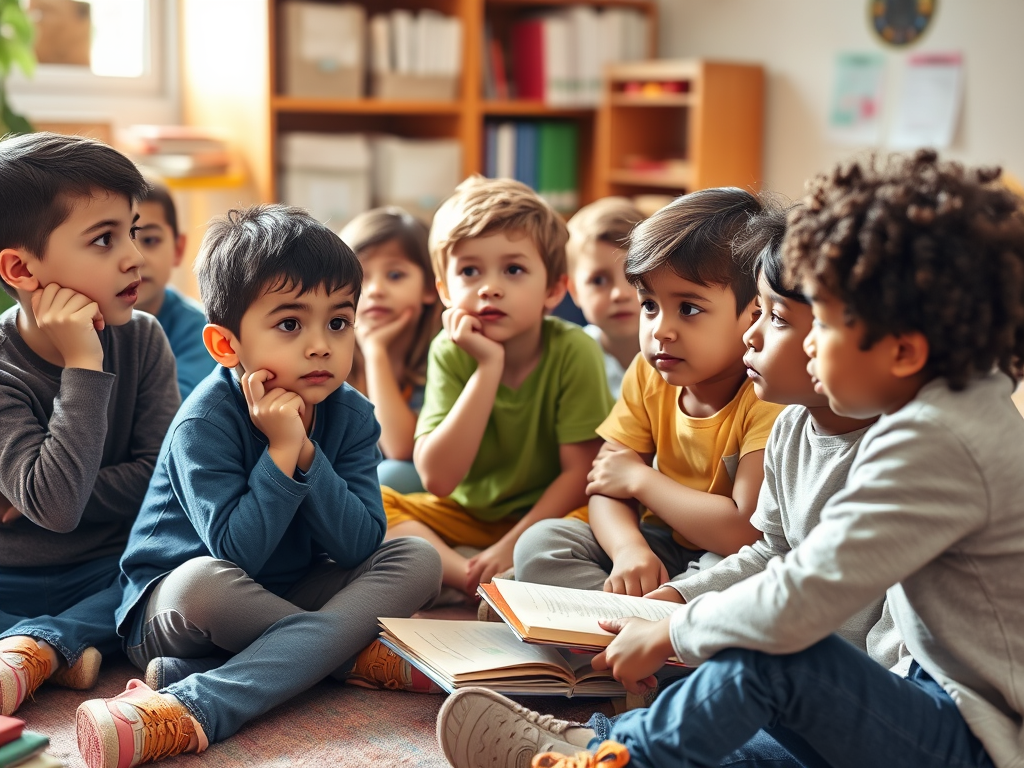
    children reading eco kids books
    2️⃣ Eco Reading & Storytime

    Books about animals, pollution, and green habits open young minds to the idea that their actions matter. Programs like the Eco-Kids Book Series add rhymes and songs to make the lessons fun and memorable.

    3️⃣ Eco Clubs and Badges

    Some summer schools are encouraging children to track their eco actions — picking up litter, turning off unused lights, conserving water — and rewarding them with Eco Hero certificates and badges.

    4️⃣ Green Songs and Performances

    Eco songs, often written in catchy rhymes, help children remember messages like “protect the sea” or “reuse what you see.” Singing makes learning joyful, and performing for parents spreads the message beyond the classroom. This new way of learning about green living will certainly awaken a new energy in families.

    5️⃣ Outdoor Learning

    From planting mini-gardens to observing insects and birds, children are learning how ecosystems work and why nature needs protection — all while enjoying fresh air and movement.


    💚 The Ripple Effect of Summer Eco Education

    The most powerful result of all? Children are taking these green habits home.

    They remind their parents to recycle, conserve water, and stop using single-use plastics. They become mini ambassadors of change, spreading eco-awareness in their communities.

    And when families join in, the progress made at summer school grows into a lasting lifestyle.


    children doing gardening
    🐢 Let’s Keep the Momentum Going

    Your child’s summer doesn’t have to be filled with only screens and snacks. By joining eco-themed programs or starting your own summer eco-club at home, you can:

    • Build creativity
    • Encourage responsibility
    • Help children become green leaders

    Because the future isn’t just something we wait for — it’s something we create together. When children are busy singing, dancing, planting, watering, coloring and doing plastic art and craft. They have less time for screens, they will only be reading about eco-friendly solutions for pollution and a few other things.

    Ecokids Summer Program
    Conclusion and Call to Action

    No one knows where technology and artificial Intelligence will take us, but we are certain that our health and the health of our planet will always be important. For us to have a sustainable future we must make great plans to achieve the sustainable development goals. The resources we depend on now might not be available to the next generation. Without increased reusing, reducing, repairing and recycling the well needed sustainable future might not be possible. Simply support the Eco-Kids Book Project in many ways as you assist the children today.


    🌐 Explore eco books, free printables, and activity guides here
    🎓 Bring the Eco-Kids Summer Project to your school or community center!

    🌟 Why Improved Creativity Is So Important for Children:

    Turning Trash into Treasure: Plastic Craft & Creativity for Kids! In a time when the use of artificial intelligence is growing each day, I believe the need for creativity increased. Humans will need to have creative ideas when we need to make plans to earn. When the career we prepared for is no longer needed, we will need to lean on our creativity and use what we have to get what we need. Raising creative children in these times is more important than before. Did you know that plastic craft projects can unlock a child’s creativity and teach valuable eco-lessons?

    With just a few recycled items, children can:
    🧠 Spark imagination
    ✂️ Build fine motor skills
    🌍 Learn the value of reusing and reducing waste

    In our EcoKids Summer Program, we turn discarded plastics into colorful art, toys, and even games — proving that green fun = smart fun!

    This hands-on approach inspires children to think like eco-innovators and see everyday waste as a resource, not garbage.

    Let’s nurture creative problem solvers and future green entrepreneurs—one plastic bottle at a time!

    Here’s a clear and inspiring explanation of why it’s good for children to have improved creativity, especially in the context of eco-education and development:


    Boosts Problem-Solving Skills
    Creative children learn to think outside the box. Whether they’re building something from recycled materials or imagining a cleaner planet, creativity helps them develop solutions to real-world problems.

    Encourages Self-Expression
    Creativity gives children a voice — through art, stories, music, or eco-crafts. It builds their confidence and helps them communicate their thoughts and emotions in healthy, imaginative ways. The singing contest that children compete in when they join the Eco Kids Summer Program causes them to showcase their talents in a great way.

    Eco kids summer

    💡 Prepares Them for the Future
    In a fast-changing world, the jobs of tomorrow — especially green and sustainable careers — will need innovators and thinkers, not just followers. Creative kids are better prepared to adapt, invent, and lead.

    Fuels Environmental Awareness
    When children use creativity to repurpose trash into treasure or write stories about nature, they begin to see their role in shaping a better planet. This makes learning about sustainability fun, personal, and impactful.

    🤝 Builds Collaboration and Empathy
    Creative activities often involve teamwork. Whether working together on a recycled sculpture or planning a pretend eco-store, kids learn to listen, compromise, and care for others’ ideas.


    So whether it’s through plastic crafts, eco-stories, or green games, improved creativity helps children become confident, caring, and future-ready change-makers. 🌍💚 Every parent should allow their child to join the online Eco-Kids Summer Project by subscribing to the Youtube channel and commenting, so they can begin planning for their future in the best way.

    children and summer fun in eco program
    Conclusion

    Planning for the green future and being creative is a part of an awesome plan that not only addresses environmental challenges but also fosters innovation and collaboration among communities. By envisioning sustainable practices and developing eco-friendly technologies, we can pave the way for a healthier planet.

    This involves rethinking traditional approaches, embracing renewable energy sources, and encouraging conservation efforts. Such a comprehensive strategy allows us to create green jobs, support local economies, and inspire future generations to join the movement towards sustainable living. Overall, a commitment to a greener future through creativity will lead to a more resilient and flourishing society.

    Support the eco-kids book project and more in many ways. It is a plan for a great future.
    More fun and creativity for children this Summer …. Simply click, comment and subscribe to join: https://www.youtube.com/@funwritings2659

    Summer Eco Kids Program poster with mother and child
    eco camera
    reusable spoons

    [This article contains some affiliate links. If you purchase products through these links, we may earn a commission at no additional cost to you.]

    Why Traditional Eco Awareness Is Not enough Anymore

    In the face of food insecurity, climate change, plastic pollution, deforestation, and vanishing wildlife, it’s clear the old way of educating children about environmental protection did not work. It is easy to feel overwhelmed when we see the flooding, heatwaves, food insecurity, drought, wild fires etc. What if we could embrace the most powerful solution, since it is not just policy or technology, but education that starts with children?

    By empowering children with simplified eco-friendly solutions and presenting environmental protection in a new, creative way, we’re not just teaching them to care. We’re training them to lead. Without this new approach we will simply be allowing children to learn the habits that caused pollution from adults, as they watch the growth of their pollution problems.
    🌍 1. Children Influence the Future and the Present

    Kids don’t just inherit the planet — they influence it right now:

    • They influence family habits: parents who want to set good examples for their children will think long and hard about what to buy, how to recycle, whether to litter and pollute the environment.
    • They inspire communities through school projects and peer action. Parents will be influence by what their children are learning in school.
    • Tomorrow’s decision-makers are shaped by today’s values.

    When a child understands why the Earth needs protecting — and how they can help — they become agents of change now, not later. Now when they can develop healthy eco-friendly habits.

    children playing outdoors
    2. Traditional Awareness Isn’t Enough Anymore

    Posters and facts alone don’t spark change. Children need:

    • Relatable stories with real-world problems and practical solutions
    • Hands-on experiences (like eco-crafts, challenges, and pledges)
    • Positive role models (like Taffy the Turtle or local green heroes)

    This kind of active learning transforms awareness into action, and concern into confidence. The memorable little tunes about eco-friendly solutions done for the project makes children want to dance and enjoy themselves while they learn.

    children doing craft in Summer program
    🐢 3. Eco-Friendly Solutions Give Kids Power — Not Panic

    Many children today hear scary news and feel the heat waves. While the pollution problem gets worse in many places and nothing much is done to tackle climate change. Without improved guidance and a new way of learning about environmental solutions this can lead to anxiety or apathy.

    But when we show them simple, empowering solutions — like:

    • Reusing everyday items
    • Planting trees for birthdays
    • Separating waste at home
    • Making plastic crafts instead of tossing trash

    Children will feel hopeful. They feel powerful. And they feel like the Earth needs them and they can solve the problems they see.

    Why green living is good for kids
    4. The Best Habits Start Young

    Habits built early last a lifetime. Teaching eco-action to children means:

    • They grow up recycling and reusing as second nature
    • They understand their relationship with nature
    • They become adults who vote, shop, and work with the planet in mind

    This is how we build a global culture of sustainability.

    5. Stories, Songs, and Play Make Learning Stick

    At Fun Writings and Things, our approach uses:

    • Rhyming stories to teach big ideas in a child-friendly way
    • Mascots like Taffy the Turtle to build connection
    • Activity books and crafts to make lessons real
    • Green challenges that turn learning into doing

    By blending fun and facts, we reach hearts and minds — and create learning that lasts.


    Eco kids summer
    💚 Ready to Plant the Seeds of Green Action?

    Explore our full Eco-Kids Book Series:

    📚 Visit Our Book Shop
    🌟 Join Our Eco-Kids Summer Program
    🌳 Download Free Activities & Printables

    Teach a child to care for the Earth, and you plant a tree that keeps growing.”

    Let’s keep planting the seeds of green action — one story, one child, one solution at a time. SUBSCRIBE AND COMMENT ON THE YOUTUBE CHANNEL TO JOIN


    reusable water bottle
    reusable straws
    Summer eco activity program

    🌍 How to Start an Eco Club in School: A Step-by-Step Guide to Empower Young Environmental Leaders


    Creating the Next Generation of Green Thinkers and Doers will make the future bright. Want to inspire students to care for the planet and take action? Starting an Eco Club in school is one of the best ways to promote environmental awareness, teamwork, and leadership — while helping young minds build a sustainable future.

    In this step-by-step guide, you’ll discover how to start an eco club in school, what activities to include, and why this movement is so important today.


    💡 What Is an Eco Club?

    An Eco Club is a student-led group that encourages green practices in schools and communities. It teaches kids how to protect the environment through eco-friendly activities, clean-up projects, plastic reduction, nature education, and sustainability awareness.

    Eco Clubs empower students to become eco-warriors, make greener choices, and lead by example. When eco club members have great rhyming songs to sing, they can build eco-awareness much faster.


    Eco-kids club

    ✅ Benefits of Starting an Eco Club in School

    • Builds environmental responsibility
    • Develops leadership and communication skills
    • Encourages recycling, upcycling, and reusing
    • Increases awareness of climate and plastic pollution
    • Promotes problem-solving and creative thinking
    • Boosts teamwork and school spirit

    When we encourage children to become the change they need to see and they encourage others to do the same thing. Sustainability will become a friend.


    How to Start an Eco Club in Your School: Step-by-Step

    1. Get Permission and Support

    Speak with the school principal, teachers, or PTA. Share your vision, how the club will benefit students, and your plan for organizing activities.

    ✅ Tip: Mention how it supports national environmental goals, the science curriculum, and sustainable development goals (SDGs).

    How to start an eco club in school

    2. Choose a Teacher or Mentor

    Having a dedicated eco-club advisor helps with guidance, approvals, and activity planning, ultimately playing a crucial role in fostering a vibrant and engaged student environment. This person can be a science teacher, guidance counselor, or any staff passionate about the environment, and their expertise can inspire students to embrace sustainability initiatives actively.

    By providing mentorship, the advisor not only aids in the organization of events and activities but also encourages students to think critically about environmental issues and collaborate effectively with peers to develop innovative solutions. This support is essential for building a strong foundation for the eco-club, ensuring that members remain motivated and engaged in their pursuits to protect and enhance the local ecosystem.

    teacher talking to student about eco club

    3. Create an Exciting Name and Logo

    Make your club fun and memorable! Involve students in designing a logo or mascot (like our friendly pink turtle, Taffy) to build identity and excitement. Talk about new challenges constantly as you set goals to achieve.

    The name will attract new members, they will be proud when they are using it to attract other members too. They should be able to speak of the ways they benefit from being a member. Speaking about the great plans they have for the future will be another good way to attract other eco club members as well.

    Taffy Turtle Summer Program poster

    4. Recruit Members

    Promote the club with posters, class visits, or eco announcements. Invite students from different grade levels to join — diversity brings fresh ideas! Create new slogans and encourage members to put them on posters; they can share online and in other places. Now that singing and dancing is a part of eco activities, members can easily attract more new members by sharing the eco songs online also.

    Sample call: “Join the Eco Club and be a part of the solution, not the pollution!”

    Sample Song: “Welcome to the Channel where kids make plans”


    5. Set Goals and a Monthly Activity Plan

    Start small and grow. Choose eco goals that are fun, achievable, and measurable.

    Examples:

    • Reduce plastic waste in school
    • Add new eco club members
    • Plant a mini school garden
    • Start a bottle cap recycling challenge
    • Host a monthly nature craft day

    Goal setting cause growth in more areas of life too, children who know how to set goals and achieve them will become great achievers and leaders in the future.


    6. Involve the Whole School

    Eco clubs thrive with whole-school support. Get classes to join in school-wide campaigns like:

    • Clean-up Fridays
    • Green Uniform Days
    • Plastic-Free Lunches
    • Song and poster competitions

    🎵 Check out our Eco Songs on YouTube for school singalongs! Use the welcome song to make new member feel great.


    Eco activities for kids summer project

    7. Celebrate Progress and Share Success

    Give out eco badges, certificates, and shout-outs during assembly or on social media. Display student work on a “Green Wall” or eco corner in school.

    📸 Encourage students to take photos or videos and share on platforms using hashtags like #SchoolEcoClub #GreenKidsInAction . This will cause others to get interested in green action.


    🌟 What Can Eco Club Members Do?

    • Start composting or a school garden
    • Lead hand-made soap or plastic craft workshops
    • Promote energy-saving tips (like turning off unused lights)
    • Create eco art and posters
    • Perform eco songs, poems, or skits at events

    Download our Eco Activities Guide for Kids and access ready-to-use lesson ideas.


    📚 Fun Resources to Support Your Eco Club


    Let’s Build a Greener Generation, One School at a Time

    Starting an Eco Club in school is one of the most powerful ways to inspire action and develop responsible, caring citizens. With a little planning and a lot of passion, your students can become part of a growing global movement — where young voices lead the way for a cleaner, greener future.

    Encouraging more children to think of the future they want to have is a great thing to do.


    👉 Ready to Launch Your School Eco Club?

    Let us support your journey with free resources, books, printables, and eco song videos.

    📬 Email us at funwritingsg@gmail.com
    🌐 Visit www.funwritings.com
    📚 Explore Our Eco-Kids Books on Amazon
    🎵 Sing Along with Taffy the Turtle


    reusable water bottles

    Kids Reusable water bottles

    Subscribe and comment here … That is all you need to do to join the most amazing summer eco project. Fun and ecology got together

    [This article contains some affiliate links. If you purchase products through these links, we may earn a commission at no additional cost to you.]