Why Nature Based Learning is Great for Children

Nature-based learning is awesome for kids for so many reasons, and it’s not just about getting some fresh air (though that’s a nice bonus). When children spend time learning outdoors, surrounded by trees, dirt, bugs, and birds, something really cool happens—they start to engage in a whole different way.

First off, nature sparks curiosity. Kids naturally ask questions when they’re outside—Why is that bug carrying a leaf? What kind of tree is that? Where does the river go? This kind of hands-on exploration encourages critical thinking, problem-solving, and creativity without them even realizing they’re learning.

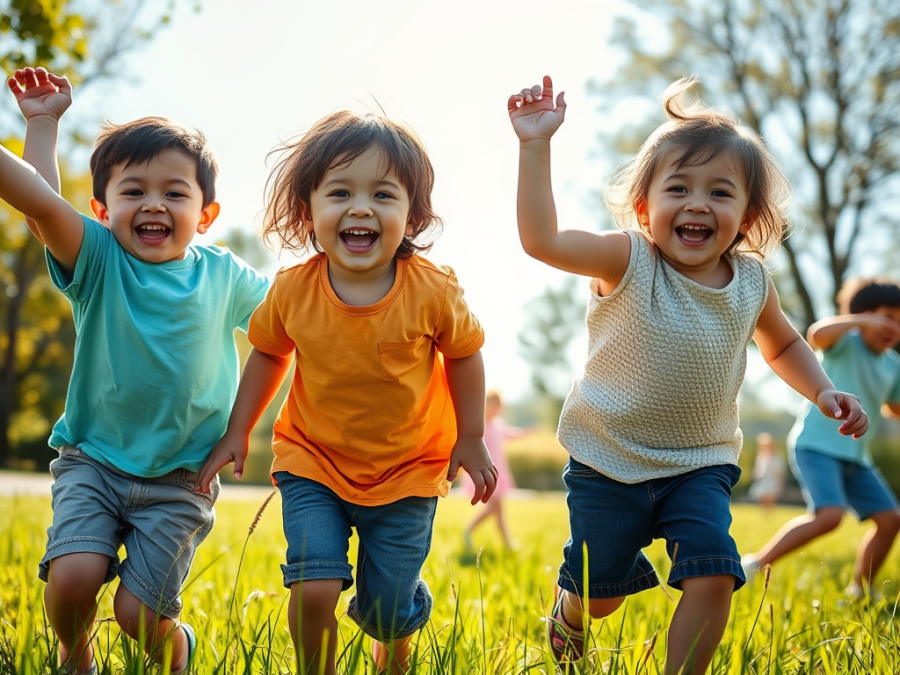
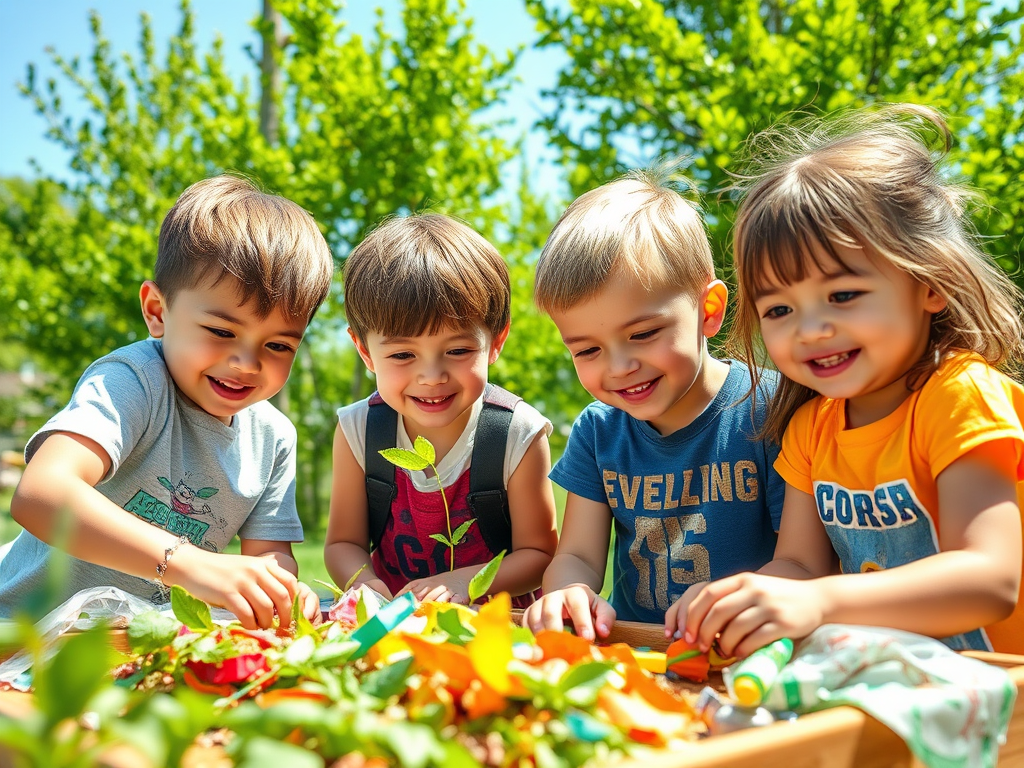
kids playing
Improved Physical Health

It’s also a big win for their physical health. Running around in a forest or climbing on rocks beats sitting at a desk all day. It helps build coordination, strength, and overall fitness. Plus, time in nature has been shown to reduce stress and anxiety, and even improve attention spans—especially helpful for kids who might struggle to focus in a typical classroom.

Social skills get a boost, too. Nature-based learning often involves group work—building shelters, going on scavenger hunts, or observing wildlife together. That kind of shared experience helps kids learn to communicate, collaborate, and support each other in a natural (pun intended) way.

Children learning about the earth
Building Connection With Nature

And maybe most importantly, it helps kids build a genuine connection with the world around them. When they grow up appreciating nature, they’re more likely to take care of it. It’s like planting the seeds (literally and figuratively) for a more thoughtful, sustainable future.

So yeah, nature-based learning isn’t just good for kids—it’s kind of magical. 🌿✨ It is time for us to think of a world in which children learn how to plant and reap as they get ready to become responsible adults who raise families in great ways.

Nature based learning might become more popular as green schools become more popular across the world. The food insecurity problem can be solved and there can be a reduction in unemployment when children learn in a new way.

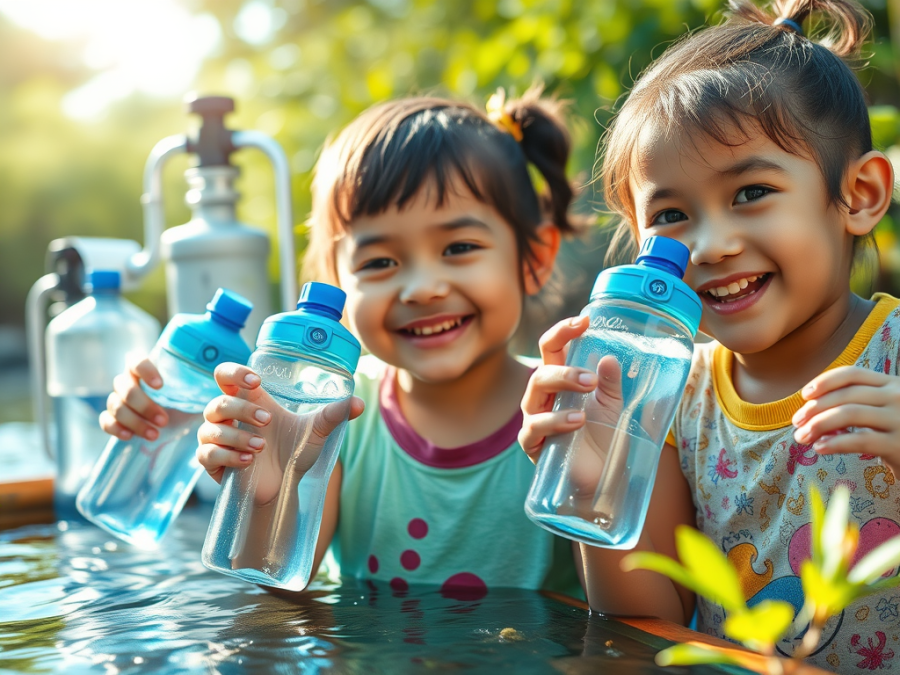
kids with reusable plastic bottles
Conclusion and Call to Action

Building environmental protection awareness in a new and better way will cause us to live sustainably in the future. Helping children to plan for the green future while they are having a great green adventure is awesome. Every parent on the planet should want that to happen. As when we try to help children in a great way, we are helping ourselves.

Click on the buttons below and support the eco-kids project in any way you can. It is possible for us to have a sustainable future and we should help children to learn about sustainability each day.

[This article contains some affiliate links. If you purchase products through these links, we may earn a commission at no additional cost to you.]

Creative Eco Moms Craft Ideas

Do you love this vibe — eco-conscious moms getting creative is such a powerful combo! You never know when you will begin earning from what you do when you are creative. Creative eco-friendly craft ideas that are perfect for moms (and kids too, if you want to include them are here ):

1. Upcycled T-Shirt Tote Bags
  • No sewing required!
  • Cut and tie an old T-shirt into a reusable bag.
  • Great for groceries, farmer’s markets, or library runs.
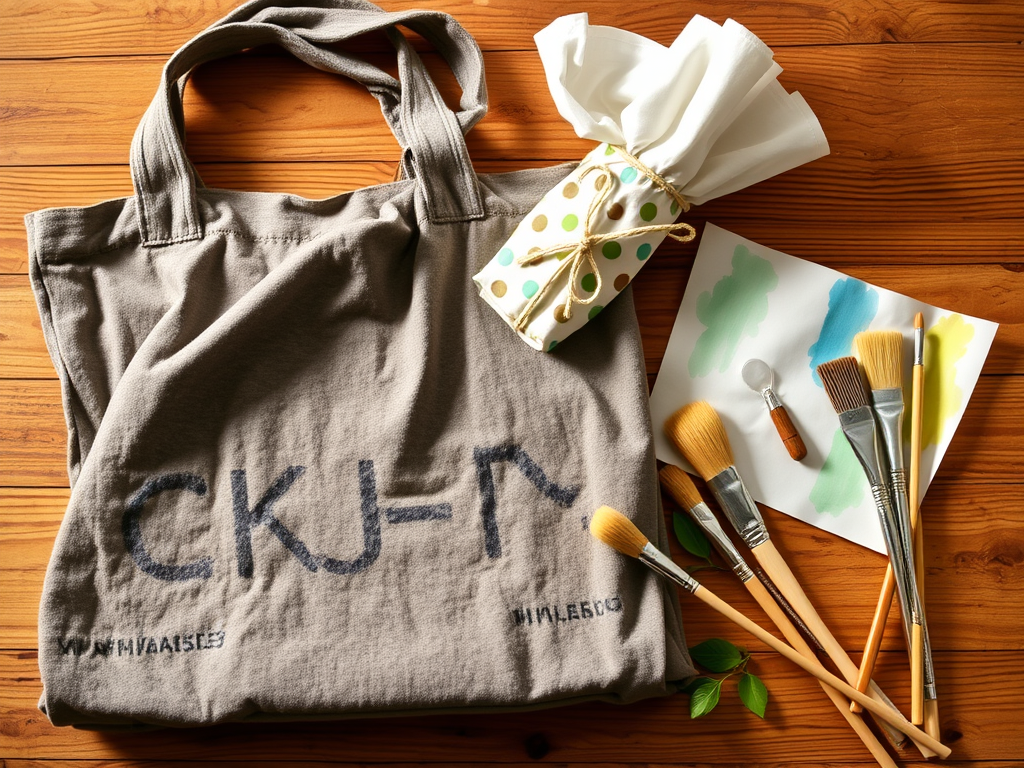
Tote made with t shirts
2. Beeswax Food Wraps
  • Ditch the plastic wrap!
  • Use cotton scraps, beeswax pellets, and an iron to make your own reusable food wraps.

You will be building eco awareness as you empower your children and show them how to save money and the planet.

3. Nature Paint Brushes
  • Go on a nature walk, collect twigs and leaves.
  • Tie leaves or grasses to sticks with twine for a DIY natural paintbrush.
  • Make a fruit picker with an old plastic bottle, a stick and cord. Children will enjoy helping you to pick fruits in this new way. They will have more to eat and they will even want to plant their own fruit trees.
4. Jar Lid Photo Magnets
  • Upcycle mason jar lids with small photos and a magnet strip on the back.
  • Super cute on the fridge and makes for a sweet gift idea.
5. Seed Paper Cards
  • Blend old paper with water, add wildflower seeds, press into molds or cookie cutters.
  • When someone receives a card, they can plant it — literal love growing!
  • You will enjoy making wind chimes with many things you would normally throw away.
6. Toilet Paper Roll Bird Feeders
  • Spread peanut butter on the roll, roll it in birdseed, hang it outside with string.
  • A fun project for kids and a treat for the birds.
7. Wine Cork Succulent Planters
  • Hollow out used corks, add a tiny bit of soil and a succulent clipping.
  • Adorable mini planters or fridge magnets.

8. Recycled Crayon Shapes

  • Melt old broken crayons in silicone molds to make fun new shapes (like hearts or stars).
  • Great for party favors or classroom gifts.
9. Glass Jar Lanterns
  • Decorate mason jars with tissue paper or pressed flowers and Mod Podge.
  • Add a tea light or LED light for a glowing eco vibe.
10. DIY Natural Cleaning Products
  • Mix white vinegar, lemon peels, and rosemary in a reused spray bottle.
  • Label it with your own custom-designed tag!
Party Favors / Activities
  • Seed Bombs
    Mix clay, compost, and wildflower seeds into little balls. Let them dry and gift them in small paper bags.
  • Mini Craft Kits
    Provide little jars or boxes filled with secondhand buttons, beads, or yarn for a take-home creative moment. Children will be making special gifts for parents whenever they want to, with their own craft kits.

Make-Your-Own Nature Crown
Set up a station with twine, leaves, flowers, soldering kit and twigs. Kids (and moms!) can weave their own crowns.


Conclusion and Call to Action

When children learn from parents and become creative in many ways, it will be easy for them to become independent and empowered, as they develop a strong sense of self and the ability to think critically. This foundation allows them to explore their unique interests and strengths, encouraging them to pursue their passions with confidence. Moreover, when parents actively nurture creativity by providing diverse experiences and open communication, children feel supported in expressing their ideas freely, which in turn fosters resilience and adaptability in an ever-changing world. As they navigate challenges, the skills acquired from this supportive environment will enable them to tackle obstacles with innovative solutions, thus becoming not only independent thinkers but also proactive contributors to society.

Click on the buttons below to support the eco-kids book project in many ways. You will be assisting the children as they plan to see brighter days. The sustainable future is a possibility and children who believe will achieve. You will get a lot in return when you help children to learn.

[This article contains some affiliate links. If you purchase products through these links, we may earn a commission at no additional cost to you.]

🌱 A Parent’s Guide to Raising Eco-Conscious Kids

It can be tough when kids aren’t on board with the whole “going green” thing. They only want to play video games and have fun. It will be easy for them to listen to the folks who are in denial about the pollution problems we face. But the key is to make it fun, empowering, and personal, not a lecture or a chore. Here’s a mix of strategies and mindset shifts that can really help. They can still grow up to become responsible citizens who protect the environment and live sustainably.

1. Make it About THEM First

Kids don’t connect with abstract ideas like climate change at first — but they are affected by heat sometimes and they do care about:

  • Animals they love
  • Playing outside 🌳
  • Cool science stuff 🔬
  • Getting messy with crafts 🎨

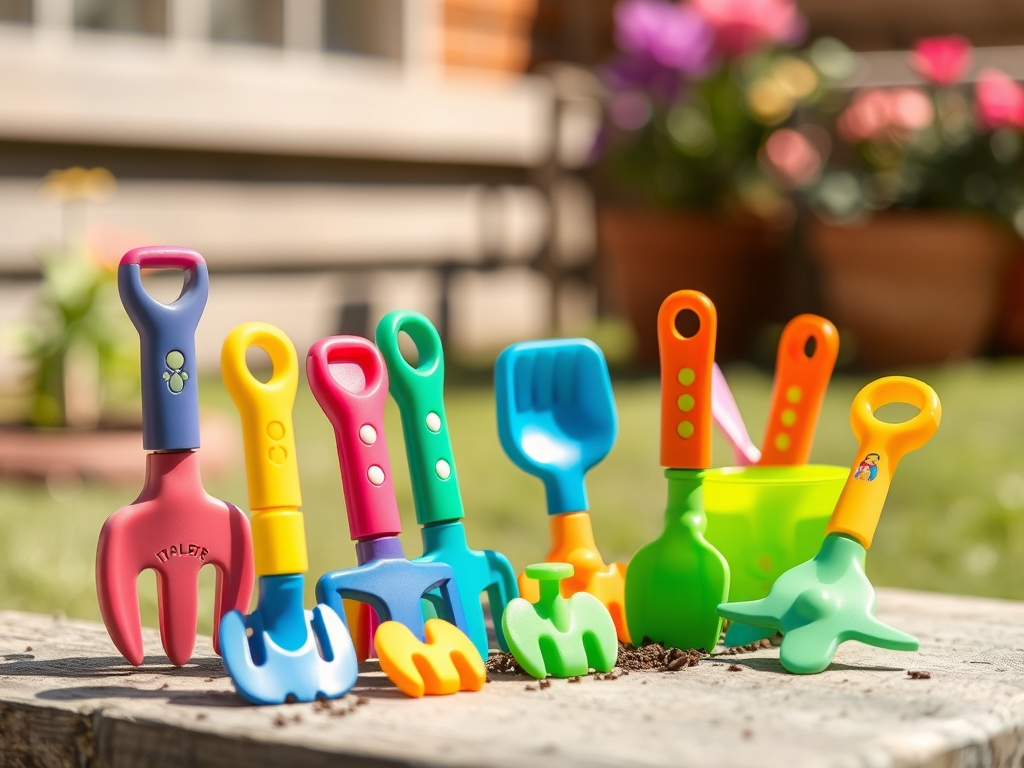
Tip: Frame eco-actions as ways to protect animals, help nature grow, or do fun science experiments. Planting a seed and watering it until a small leaves begin growing can be very fascinating. Toys can be made with used plastic and children will not mind saving money while they have fun making their own toys.


children doing gardening
2. Lead by Action, Not Just Talk

Children learn faster when, instead of telling them what to do, we show them:

  • Reusing jars for cool crafts
  • Composting and seeing worms in action
  • Using cloth napkins with funky designs
  • Choosing reusable water bottles with stickers

Make it a norm, not a “green rule.” Talk about the benefits you see from doing green activities each day. That will encourage them to begin talking about the benefits they see as well. Soon they will be telling their friends about what they are learning. The green parents guide helps parents in new and better ways to build environmental protection awareness with their children. The sustainability books for children will assist parents when there are difficult days.


3. Gamify It

Children love the games that cause them to compete and get rewarded! Try:

  • Play “Green Bingo” (e.g., eat no meat today, bike instead of drive, pick up litter and a prize is given to the child who fills their bag first)
  • Points for eco-actions that lead to a fun reward (not money or gifts, but a movie night, extra story time, choosing dinner, etc.)
  • Encourage them to create new games too and compliment them on how smart they are. Some of these games can help them to understand why waste separation is important and they will want to assist with waste separation more.

Kids love competition and reward and setting up a point system for them  New Green games can be created every day.
4. Involve Them in Problem-Solving

Ask:
🧠 “What can we do with all this paper we’re not using anymore?”
🧠 “Do you think we can make something new out of this?”

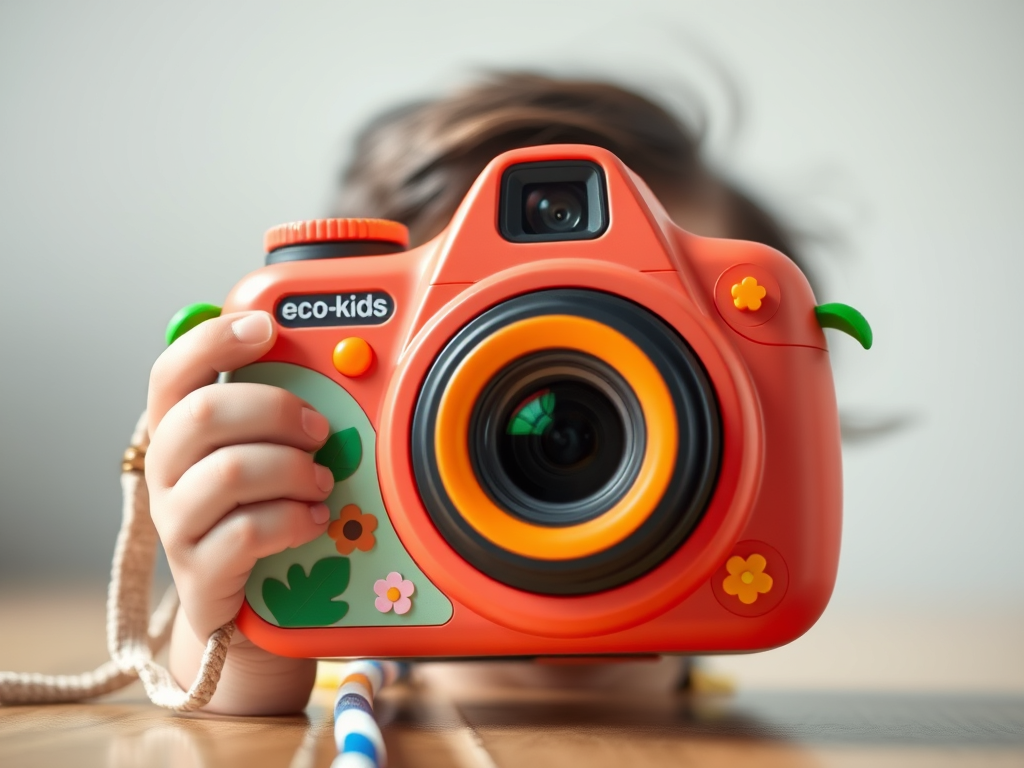
Let them become the inventor or the eco-leader in the house. Children who grow up with the green mindset and plans to use eco-friendly solutions will like reading Eco-kids books about recycling. When other parents want to know how to teach kids about going green, you can share this article with them. When they begin taking photos with their own little camera, as they share their photos and great memories with friends you will know you are on a good path.


5. Let Them Say No Sometimes

Forcing it can backfire. If they’re not into reusable straws today, it’s okay — let it go. Stay consistent in your green actions, and the message will sink in over time. The Taffy Turtle Eco-Kids Book series has books about plastic waste and how it hurts Turtles. Kids who read them learn about reusing, reducing and recycling and more as they seek to keep a cute baby Turtle alive.


Taffy Turtle the Eco Warrior who wants us to reuse, reduce and recycle more
6. Use Stories and Media

There are a number of eco-friendly children’s books being sold and children can begin enjoying their journey to the green future. Here you will find a number of ways to make green living enticing.

  • Read eco-themed books together (like The ones in the Saving Taffy Turtle Series)
  • Watch fun, educational shows or YouTube series (Eco-Kids YouTube Channel) that link to nature, environmental solutions, or sustainability.
  • Let them create their own eco superhero or story — power of imagination! This will cause them to feel the need to accumulate more eco-friendly tips and solutions.
  • Let them sing the great eco-friendly songs found in some of the videos on the eco-kids YouTube channel too.
  • When they are told about the great health benefits they will have when they eat fruits and vegetables. That little gardener in them might be inspired, you never know.

7. Make Eco Living About Joy, Not Guilt

If being green feels like a punishment, no one will want to do it. Keep it playful:

  • Grow things together (plants, sprouts, even potatoes in water!)
  • Cook simple veggie snacks together
  • Have a “Trash to Treasure” weekend challenge

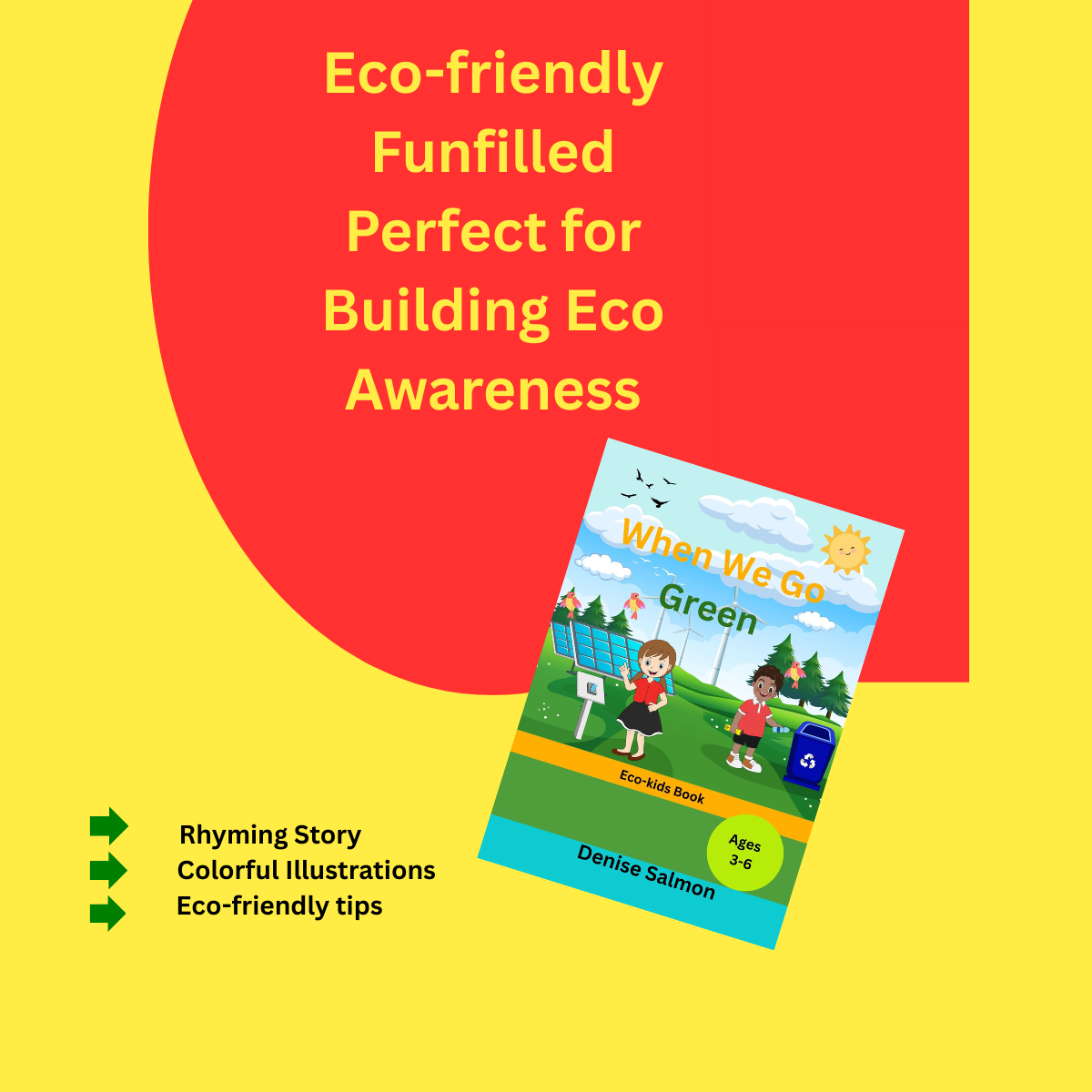
When you give children eco friendly activity books that are filled with rhyming lines and colorful illustrations, eco friendly tips and solutions

Conclusion

Gone are the days when we could allow our waste to get to the oceans and seas and say “out of sight out of mind”. Since research was done and we now know that toxic micro-plastic is finding its way into our bodies. We must become the change we need to see while we encourage children to save the planet. Supporting the eco-kids book project in simple ways will cause us to see increased building of environmental protection awareness over time. Children will be empowered with solutions for our pollution problems and they will grow up with plans to decrease pollution. Click on the links below to visit the online book shop and video channel for the eco-kids book project.


children's book with eco friendly messages

[This article contains some affiliate links. If you purchase products through these links, we may earn a commission at no additional cost to you.]

The Benefits of Raising Future-Focused Children

Raising children with a future-focused mindset offers several important advantages: it encourages them to develop resilience and adaptability, which are essential traits in an ever-changing world. This approach fosters critical thinking skills, enabling children to analyze situations, make informed decisions, and solve problems creatively. Moreover, instilling a vision for the future empowers them to set meaningful goals and pursue their passions with determination, ultimately leading to personal fulfillment and success. Additionally, children who think ahead are more likely to understand the impact of their actions on the environment and society, promoting a sense of responsibility and ethical behavior. In this way, a future-focused perspective not only prepares them for their individual journeys but also equips them to contribute positively to the world around them.

Adaptability in a Changing World is important. The pace of technological and social change continues to accelerate. Children who are comfortable thinking about and planning for different futures will be better equipped to navigate uncertainty and adapt to new circumstances as they arise.

Problem-Solving Orientation, Future-focused thinking encourages children to see challenges as opportunities for creative solutions rather than insurmountable obstacles. This mindset fosters resilience and innovation.

Long-Term Decision Making Children who understand how present actions connect to future outcomes tend to make more thoughtful decisions. They’re more likely to delay gratification and work toward meaningful goals.

Environmental and Social Awareness. A future orientation naturally leads to considering the broader implications of one’s actions, including environmental sustainability and social responsibility. This awareness helps children develop as thoughtful global citizens.

Hope and Agency Perhaps most importantly, children who can envision positive futures and their role in creating them tend to develop a stronger sense of purpose and agency. Rather than feeling helpless about world problems, they can see themselves as part of the solution.

Cultivating future-focused thinking doesn’t mean pressuring children about careers or success. Instead, it’s about nurturing curiosity, systems thinking, and the belief that they can contribute meaningfully to shaping what’s ahead.

nature's beauty
a beautiful scene at a river

Eco-friendly children’s book project for Future Focused Living:

Eco Heroes: How Kids Can Save the Planet

Children can play a vital role in protecting our environment. Through small yet impactful green actions, kids can contribute to a larger movement aimed at combating climate change and preserving the Earth for future generations. Whether it’s through recycling, conserving water, planting trees, or advocating for clean energy, young eco warriors can take significant steps towards reducing their carbon footprint. Engaging in community clean-up events and promoting sustainable practices in their schools and neighborhoods.

This green action done by them not only helps local ecosystems thrive but also raises awareness among their peers and families. By fostering a sense of responsibility and stewardship, children can become champions for the planet, proving that every effort counts and that together, they can create a healthier, greener world for all. When they know the toys they play with are made from recycled plastic they will begin thinking of possibilities.

Kids with green toys made out of recycled plastic
Earth’s Little Helpers will tell a Sustainable Adventure Story

They will take their peers on an enchanting journey, highlighting the intricate relationships between nature and the creatures that inhabit our planet. As they delve deeper into the tale, we all will meet a diverse cast of characters, each contributing to the message of sustainability through their actions and decisions, showcasing the importance of conservation.

This vibrant narrative will not only entertain but also inspire those who listen to recognize their role in protecting the environment, encouraging them to become stewards of the earth in their own lives.

Conclusion

Children can be very persuasive and they can easily cause adults to change their minds about protecting the Environment. They can easily cause more adults to join in start protecting the earth more. Give them great eco-friendly solutions and ideas so they begin thinking of planning for a green future. Click on the buttons below and support the eco-kids project in many ways.

cute chubby turtle who wants us to reuse, reduce and recycle more

“Where Wonder Meets Responsibility: Earth Month Reads”

“Saving Taffy Turtle” is an eco-focused children’s book series that seamlessly blends adventure with environmental education, inspiring young readers to become stewards of our planet. Each beautifully illustrated book follows a cute baby Turtle whose mother left her not long after she was born. Children can discover the unique way Turtles live and connect with the needs of this Turtle as they protect nature. Should we be busy telling children how they will benefit from having a green future? Do you like the idea?

Eco-Kids Series Overview

The series centers on the Baby Turtle Taffy, her siblings who discover they can play games and find friends who are other sea creatures. Taffy Turtle, is now building environmental protection awareness with songs and environmental solutions. She is doing all she can to get messages to humans. She wants to see more recycling, reducing and reusing happening. Tree Planting and gardening also became a part of the series. A “No Waste Hero” and a “Tree Lover” are both encouraging his friends and loved ones to use eco-friendly solutions more often. They are using their abilities to solve environmental mysteries such as planting a tiny seed and watching a tree grow, as they protect their environment more each day.

Eco-kids reading books
Key Books in the Taffy Turtle Series
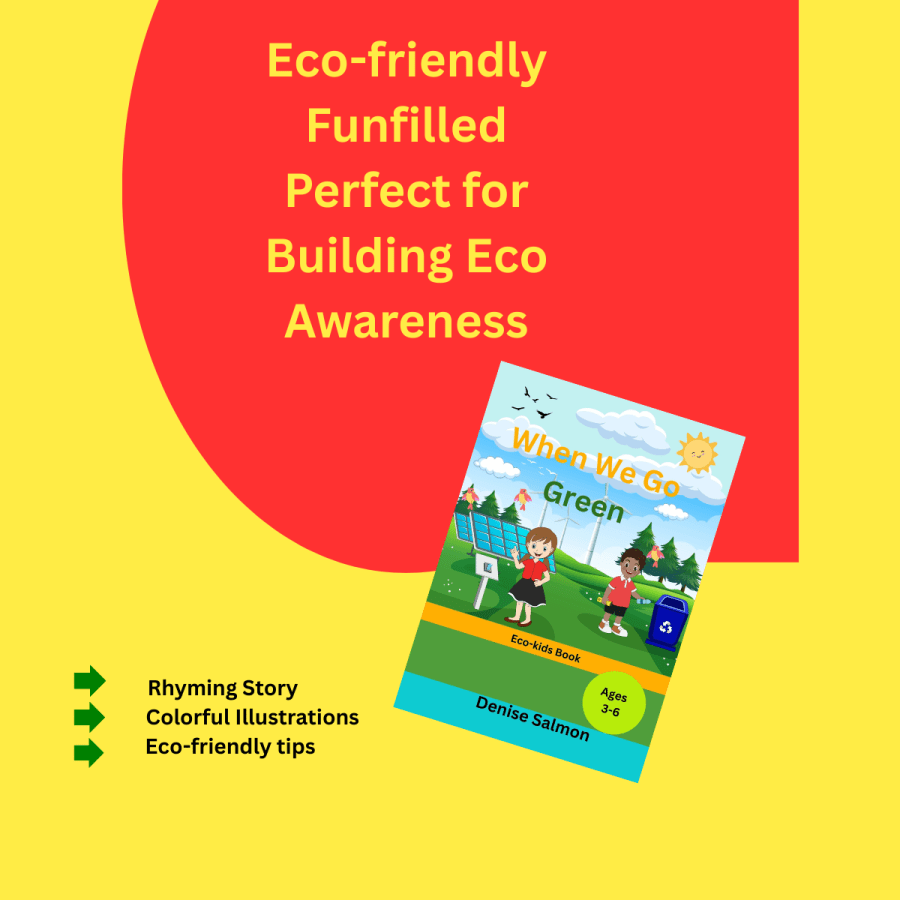
  1. “When we Go Green” (Ages 3-7) The first book that introduces green living in a simple way. The characters discover their abilities and how they can make a difference while doing every day activities. They learn about green living while helping woodland creatures affected by litter.
  1. “Saving Taffy Turtle (Ages 3-7) Taffy Turtle and her siblings were hatched on a beach. A Mother and her 2 children saw them and the daughter loved Taffy a lot. She began talking about recycling more. The book includes simple explanations about collecting plastic in a bin and visiting the recycling center. The damage done to Turtles by plastic is mentioned so children can understand how they can be protected.
  2. Reuse For Taffy Turtle (Ages 4-8) A teacher helps transform old plastic bottles into toys and other items. Teaching readers about plastic craft and being kind to friends and loved ones. The story will encourage children to be creative and more aware of what they can do to decrease plastic pollution.
  3. Reduce for Taffy Turtle (Ages 4-8) Children are using their reusable water bottles, utensils and containers. They enjoy doing this as they like decrease plastic pollution in this way as the protect the cute pink baby Turtle. They now understand why waste separation is important.
  4. “Ricardo’s Tree (Ages 4-8) Learning about Tree planting became a motivational plan to become healthy. This book includes nurturing a tree after a seed is planted and sharing tasty fruits with family and friends.
online Green kids book shop
Educational Elements

Each book in the series includes:

  • A thrilling, age-appropriate story with relatable characters
  • Simple instructions children can easily understand
  • Bright, engaging illustrations that accurately depict nature and environmental concepts
Impact and Approach

What makes this series special is its balanced approach to environmental education. Rather than overwhelming children with doom-and-gloom scenarios, the books foster wonder and curiosity about the natural world while empowering children with age-appropriate actions they can take.

The series gradually introduces more complex environmental concepts as readers grow, with books for older children (ages 8-12) addressing ecosystem protection, renewable energy, environmental protection, and sustainable living in easily accessible ways.

By showing children working together—often alongside supportive adults—the series demonstrates that environmental challenges can be addressed through collective action and innovation, leaving young readers feeling hopeful and motivated rather than anxious about our planet’s future.

Through the Saving Taffy Turtle series, children not only learn about environmental responsibility but also develop empathy, problem-solving skills, and a sense of agency in creating the sustainable world they wish to inherit.

kids with reusable plastic bottles
Conclusion

Green kids books for the Planet: April’s Environmental Learning Adventure for children to enjoy.” Let us enjoy this Earth Day in a special way this year. Help more children to plan for a green future because it is the best thing we can do. You can also encourage them to play with green toys (toys made from recycled plastic). When they begin making eco conscious decisions as they grow as they plan to make their future bright.

Call to Action

Click the buttons below to visit the Eco-kids book shop and YouTube Channel to find the books and videos. When children can easily share the eco-friendly tips and solutions found in the eBooks, books and videos they will be building environmental awareness as they get ready to become the change they need to see.

[This article contains affiliate links. If you purchase products through these links, we may earn a commission at no additional cost to you.]

🌿 Fun Environmental Activities for Classrooms To Inspire Young Eco-Warriors

When we tell our children about sustainable living the greatest gift is what we are giving. Are you looking for ways to bring eco-consciousness into your classroom and home? These fun, hands-on environmental activities will get students excited about sustainability while reinforcing science, creativity, and teamwork. Planning for a sustainable future is best and our children are the future so get them involved. The list of eco-friendly project here are awesome.


🌎 Why Teach Environmental Awareness in School?

For years nothing much was said in schools about environmental protection in some parts of the world. We have seen the growth of deforestation, pollution and food insecurity. Environmental education empowers students to:

  • Understand the impact of human actions
  • Develop critical thinking skills
  • Become responsible global citizens.
    And the best part? It can be fun and interactive!

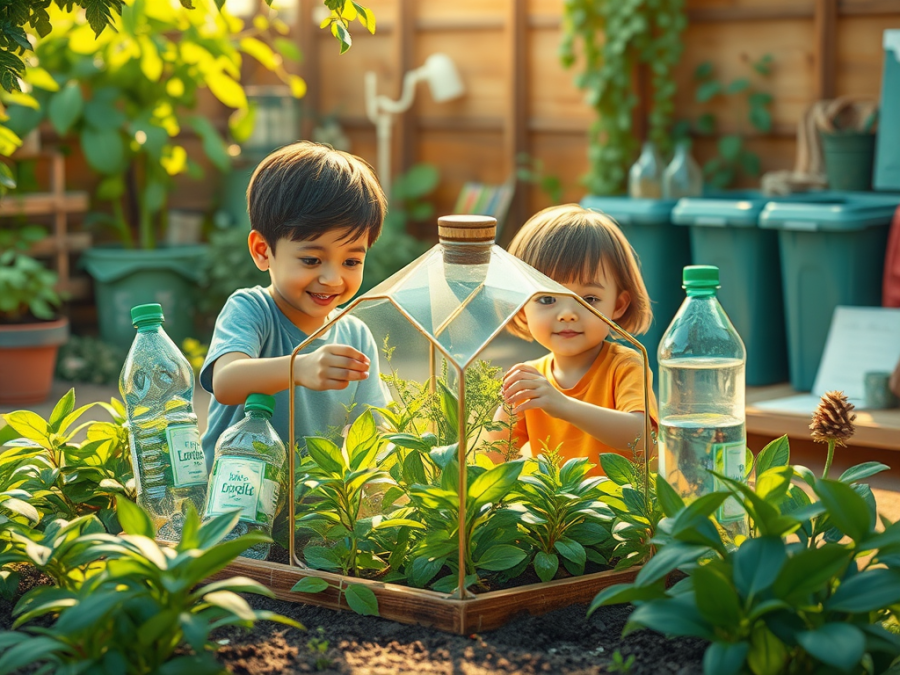
Eco-kids and their mini green house
🧠 Top 10 Fun Environmental Activities for Classrooms
1. 🌱 Build a Mini Greenhouse

Use plastic bottles or containers to build mini greenhouses. A perfect way to teach plant growth and the greenhouse effect—plus, it encourages recycling!

Supplies: Plastic bottles, seeds, soil, water
Teachable Topics: Photosynthesis, climate, recycling


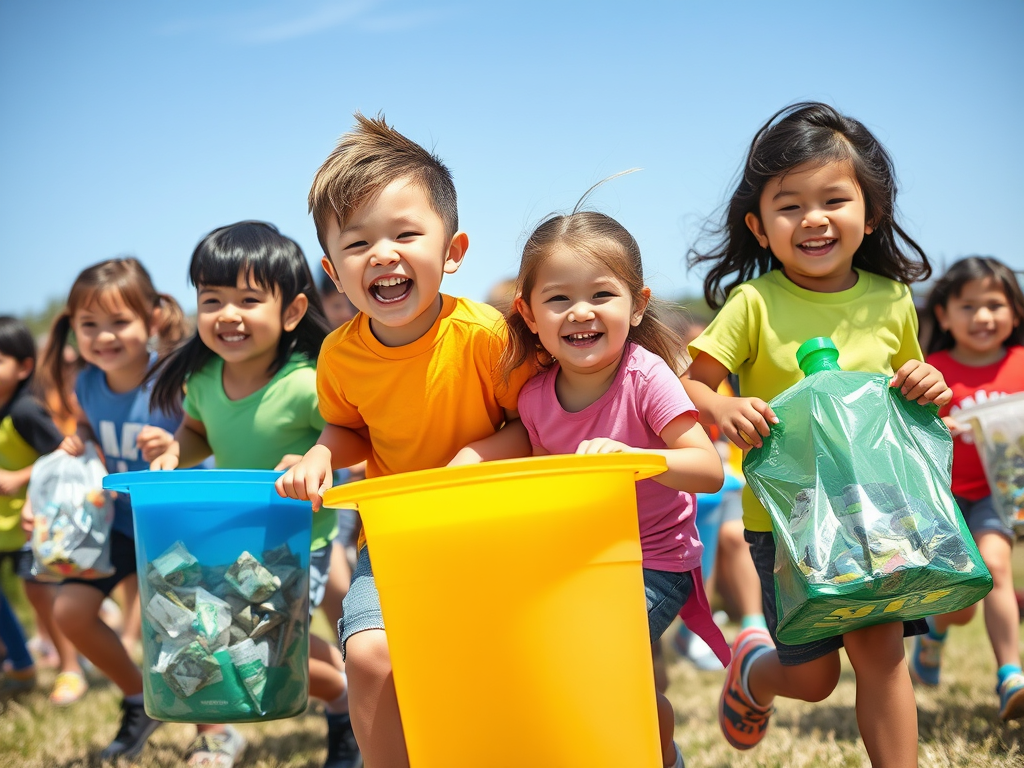
children playing recycling -waste separation game
2. 🔁 Recycling Relay Race

Turn waste sorting into a game! Set up bins and have teams race to sort recyclable items correctly.

Supplies: Clean recyclables, labeled bins
Teachable Topics: Waste management, teamwork


3. 🐦 Make DIY Bird Feeders

Craft bird feeders from toilet paper rolls, peanut butter, and birdseed. Hang them outside and observe the visitors!

Supplies: Toilet paper rolls, peanut butter, birdseed, string
Teachable Topics: Wildlife, ecosystems, upcycling


4. ♻️ Composting in the Classroom

Start a small compost bin to teach decomposition and food waste reduction.

Supplies: Compost bin or container, fruit/veggie scraps, shredded paper
Teachable Topics: Soil health, food systems


5. 🎨 Eco-Friendly Art Projects

There are many new craft ideas on YouTube, use old plastic to make new things. You can use a soldering kit to put plastic together as you teach. Create art using old magazines, cardboard, or other recycled materials.

Activity Idea: Collage titled “Our Green Future”
Teachable Topics: Creativity, environmental awareness
, gardening, reusing, recycling and reducing.


kids green journal
6. 📓 Nature Journaling

Take a walk outdoors and have students sketch, write, and reflect on what they observe.

Supplies: Notebooks, pencils, optional magnifying glasses
Teachable Topics: Biodiversity, mindfulness


7. 🔍 Play the Energy Detective Game

Let students “detect” where energy is being wasted at school (e.g., lights left on, open windows). Then brainstorm ways to save energy.

Teachable Topics: Energy conservation, critical thinking


8. 💧 Water Pollution Experiment

Show how hard it is to clean polluted water with a simple classroom experiment.

Supplies: Clear containers, water, oil, food dye, paper bits
Teachable Topics: Water protection, pollution awareness


9. Organize An Environmental Trivia Day

Organize a quiz day with fun eco-themed questions! Great for review or Earth Day.

Teachable Topics: Climate change, recycling, animal conservation

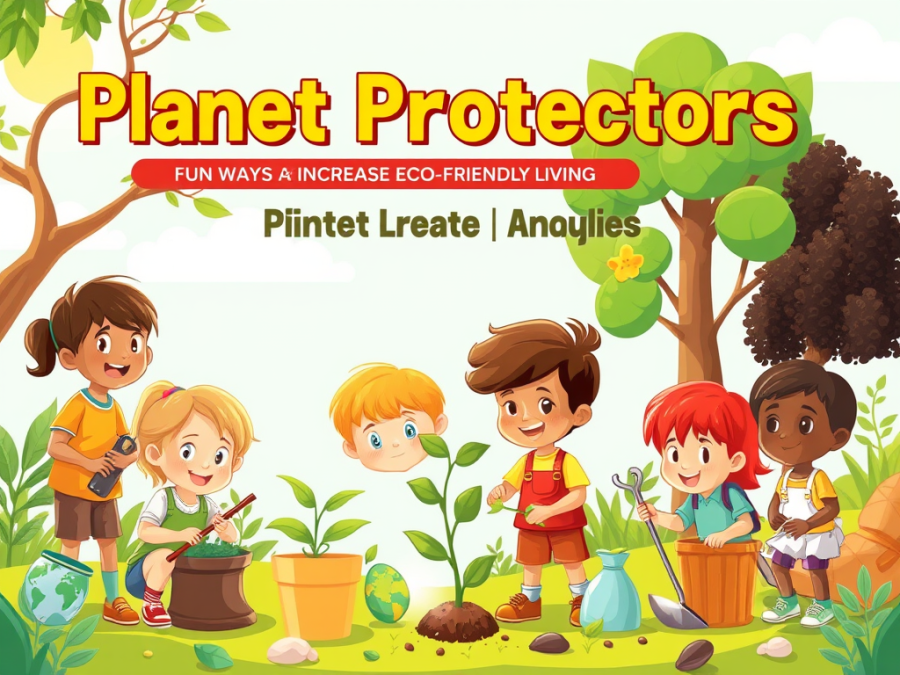
little planet protectors

10. 🌼 Plant a Classroom Garden

Start an herb garden on the windowsill or a raised bed outside.

Supplies: Pots, soil, seeds, water
Teachable Topics: Plant cycles, sustainability, responsibility


💡 Tips for Success
  • Link activities to your curriculum
  • Encourage teamwork and leadership
  • Use what you already have—reuse and recycle!
  • Engage parents with take-home eco-challenges

🌟 Let’s Grow Green Minds

With just a few simple changes, your classroom can become a hub of environmental creativity and learning. These fun environmental activities for classrooms will spark curiosity, responsibility, and a love for the planet in your students. Children are feeling the heat waves too and they will be glad to learn about Climate Change for Children in environmental education classes.

📢 Try one activity this week and tag us with #EcoClassroomFun—we’d love to see your green adventures!

Conclusion

Incorporating fun environmental activities in the classroom isn’t just educational—it’s empowering. With these ideas, you can turn your students into passionate environmental stewards who understand their role in protecting the planet. They will be building eco awareness in an easy way when they give away simplified eco-friendly solutions found in their books.


Call to Action:


Start small, simply try one of these activities this week and watch your classroom come alive with eco-curiosity. Share your students’ green creations or discoveries on social media with the hashtag #EcoClassroomFun! You can encourage children to learn how to plant their own food, pollute less and conserve. Do you think this is important? Click the links below and share simplified eco-friendly tips and solutions today as you plan for the bright future in the best way.

[This article contains some affiliate links. If you purchase products through these links, we may earn a commission at no additional cost to you.]

Eco-Friendly Products That Make Sustainable Living Easier

True sustainability encompasses social dimensions, ensuring fair resource distribution, addressing poverty, and creating resilient communities. This includes providing access to clean water, nutritious food, healthcare, and education for all people. Eco-friendly shopping is now a major part of sustainable living and many sustainable products are found in this article.

Long-term Thinking and Sustainability encourages us to consider future consequences of our actions rather than seeking only immediate gains. This perspective shift is crucial for addressing complex, inter-generational challenges. When saving money and the environment becomes our priority we will want to shop wisely. We will be doing more to encourage children to do the same as they plan for a bright future. We will also tell them why we support the companies that are selling sustainable products.

Implementing sustainability requires action at multiple levels:
  • Individual choices in consumption, transportation, and lifestyle
  • Organizational commitments to responsible business practices
  • Government policies promoting renewable energy and environmental protection
  • International cooperation on global challenges like climate change

As we face mounting environmental pressures and social inequalities, embracing sustainability isn’t just beneficial—it’s essential for our collective future. The transition to sustainable systems may present challenges, but it also offers tremendous opportunities for creating a more resilient, equitable, and prosperous world. Sustainability for kids got more attention and it is now possible for them to learn about simplified eco-friendly solutions. This will lead to increased sustainable development when they grow up. We could less displacement of indigenous people and better protection of the environment.

In recent years, the push toward more sustainable living has grown dramatically as people recognize the impact their choices have on our planet. Fortunately, there are now numerous products available that can help make greener choices more convenient and effective. Here’s a selection of eco-friendly products that can help reduce your environmental footprint while maintaining a comfortable lifestyle.

Kitchen Essentials
Reusable Silicone Food Storage Bags

Reusable Silicone Food Storage Bags are durable alternatives to disposable plastic bags. Dishwasher-safe and leakproof, these bags can be used hundreds of times, significantly reducing plastic waste. Green parents are always interested in having these.

bamboo kitchen utensils

Bamboo Kitchen Utensils offer a sustainable alternative to plastic cooking tools. Bamboo is naturally antibacterial, grows quickly without pesticides, and is biodegradable at the end of its life.

compostable dish scrubber

Compostable Dish Scrubbers made from natural materials like coconut fiber break down completely in compost bins, unlike synthetic sponges that contribute to microplastic pollution.

Home Goods for Sustainability
Wool Dryer Balls

Wool Dryer Balls replace single-use dryer sheets while reducing drying time and energy consumption. They’re reusable for hundreds of loads and free from synthetic fragrances.

LED Light Bulbs

LED Light Bulbs use up to 80% less energy than traditional incandescent bulbs and last significantly longer, reducing both energy consumption and waste.

Smart Power Strips

Smart Power Strips eliminate “vampire power” by automatically cutting power to devices when they’re not in use, potentially saving up to 10% on electricity bills.

Bamboo Toothbrushes
Personal Care

Bamboo Toothbrushes with biodegradable handles help reduce the estimated 1 billion plastic toothbrushes that end up in landfills annually in the US alone.

Shampoo and Conditioner Bars

Shampoo and Conditioner Bars eliminate plastic packaging waste and often contain fewer harsh chemicals than liquid alternatives.

Reusable Safety Razors

Reusable Safety Razors provide a plastic-free alternative to disposable razors, with replaceable metal blades that can be recycled.

Conclusion

When we are shopping in sustainable ways for our homes, our children can learn a lot from us while they grow. Shopping for sustainable products like the ones listed here will cause the producers of these products to see growth in sales. This might cause the other companies that are making unsustainable products to either change their products or go out of business. Sustainability will cause us to see decreased pollution. Do you agree? Will you be sharing this article with friends and loved ones as you encourage them to protect the environment?

Call To Action

Children learn from their parents and when they begin using some of these products as they grow. They will be making green choices each day. Planning for the sustainable future in many ways will cause us to begin seeing changes in the health of the environment. Sustainability for kids will make a difference. Empower the children with simplified environmental solutions and they will begin going green. Click on the buttons below to visit the eco-kids book shop and the YouTube Channel.

[This article contains some affiliate links. If you purchase products through these links, we may earn a commission at no additional cost to you.]

Another Look at The Green Revolution

With increased environmental pollution growing each day, is it wrong to ask if the Green revolution helped us in any way? When I see the need for organic food, I began questioning the importance of the Green revolution. It was the third revolution that changed the way crops were managed. Technology, chemical fertilizers, pesticides, irrigation, and high yielding variety of crops were said to transform agriculture. This happened between 1960 and 1970’s and led to increased crop yields.

Gone were the days when compost was used on farms. I wonder if we humans checked to see what these chemical fertilizers and pesticides did to the human body. Were we too glad for the increased crop yields and profits? Think about what happens to us when the rain falls and all the harmful chemicals get washed into our rivers and oceans where the fish we eat swim? The rivers which is our source of our drinking water, are now polluted with harmful chemicals.

Why Our Children Need Eco-friendly Solutions and Tips

If we don’t explain to children what happens to their bodies when they breathe in toxic air from burning plastic, we are not acting responsibly as adults. Burning plastic releases dioxins, furans, and microplastics into the air, these are harmful pollutants. They increase the risk to the environment and human health. We are all at risk for developing respiratory problems, cancer risks have increased and cardiovascular diseases are more frequent. I wonder if the creators of the green revolution had a plan to decrease the production of plastic.

Maximized Crop Yield

Is it time for us to tell kids why planning for a green future should be done. With the number of environmental pollution problems increasing. Should we also rethink the green revolution to see how it can be improved? Are we in need of a new plan that will cause improved health for every human? Were all these pesticides and chemical fertilizers necessary? Increased Fertilizer and Pesticide use caused maximized potential of new seed varieties, farmers also rapidly increased their use of chemical fertilizers and pesticides.  Chemical pollution is a new problem developed over the years and it needs a solution because it is alleged, that our health has been impacted. The number of Cancer cases has been rising over the years.

The Green Revolution and What it Offered

The Green Revolution also saw a significant expansion of irrigation infrastructure to ensure adequate water supply for these new crops. However, climate change could wipe out all the increased water supply for crops if we keep on cutting down trees and increasing green house gas emission . When we give kids the simplified solutions for environmental pollution we are giving them hope. They can begin making plans to decrease pollution in creative ways.

The Green Revolution led to a huge increase in cereal yields, averting a major food crisis in Asia. It also contributed to the rapid economic growth experienced in several countries due to the added amount of available food. Even though the increased use of machinery on farms caused many to be unemployed.

The Green Revolution began in developed countries and spread to developing countries. In Asia, where the impact was most significant the positive change made an impact. Now unemployment and poverty is a problem we need to fix and those who benefit from inequality might not care.

While the Green Revolution had positive impacts on the quantity of food production, it was also criticized. There were concerns about social equity, sustainability and the dependence on external inputs or substances that were not found in nature. The decrease in green jobs was profound and crime increased. Now we found new names for crime like scamming, gang banging and others. Without a new extended green revolution that will reverse the damage done by the previous one, will humans survive?

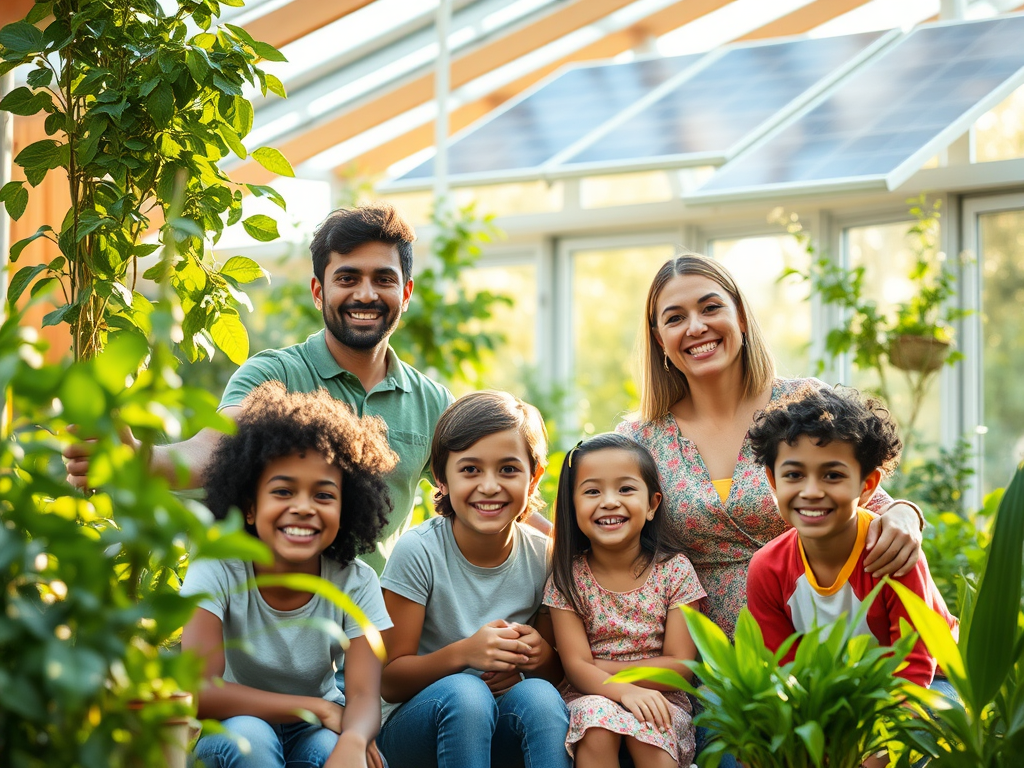
family at a botanical garden
Conclusion

As citizens of the planet we can always check to see what plans are in place for sustainability as we prepare for a bright future. We all need to plan to achieve the sustainable development goals. If there was no unsustainable living this would not be needed. Increased green energy production is possible and we should all be voting for leaders who are making plans for solar factories to be built in their countries. The reduction of chemicals in agriculture is another issue that is in need of attention at the top level of Governments as well.

Call to Action:

Our children can inherit a beautiful and healthy planet and we can do more to empower them. Click on the buttons below to support their green project in many ways. You will be building eco awareness in a new and better way. Children can grow up and solve many of the problems we have now, when they are aware of the changes they need to see. Don’t allow them to suffer because we did not act. Let us constantly plan to decrease deforestation, plastic pollution, chemical pollution, air pollution and water pollution as we protect our health. Click on the buttons below to visit the ecokids book shop and the youtube channel. Your assistance will be appreciated.

Powering the Future

Without increased green energy, it will be impossible for us to survive to see a bright future. The rapid depletion of non-renewable resources and the alarming rise in global temperatures are clear indicators that we must shift our focus towards sustainable energy solutions. Embracing solar, wind, and hydro-power not only promises to reduce our carbon footprint but also fosters innovation and job creation in new industries. Implementing these green technologies on a larger scale could pave the way for cleaner air, healthier ecosystems, and a more resilient economy, ultimately ensuring that future generations can thrive in a world that values sustainability and environmental stewardship.

The best Way to Power the Future

The best way to power the future is through a diverse mix of energy sources with an emphasis on renewable technologies, supported by advances in energy storage and distribution. Increased environmental education will play a great roll in having an empowered workforce that will cause us to see many improvements.

Renewable energy sources like solar, wind, geothermal, and hydroelectric power offer sustainable generation with minimal environmental impact when fully scaled. These technologies have seen dramatic cost reductions in recent years, making them increasingly competitive with fossil fuels.

green energy
What the transition requires – key challenges:
  1. Energy storage solutions to manage intermittency of renewables
  2. Modernized electrical grids that can handle distributed generation
  3. Continued research into emerging technologies like advanced nuclear, green hydrogen, and fusion

What makes this approach “best” is its resilience and flexibility. Different regions have different resource advantages—abundant sunlight in some areas, strong winds or geothermal resources in others. By developing a diverse energy portfolio tailored to local conditions, we can create more robust systems.

The transition will require significant investment and thoughtful policy frameworks, but offers tremendous benefits, such as reduced pollution, energy independence, climate change mitigation, and the creation of new economic opportunities.

Populations will need to be educated and prepared to work in the factories where the solar, wind and other clean energy production is happening all over the world. This will cause us to achieve the sustainable development goals as lives are improved.

happy people in a clean environment
Why Improved Environmental Protection Awareness is Important

We are witnessing a surge in the manufacturing of electronic devices and an aggressive push towards a cashless society, yet it feels like we are falling short in our pursuit of green energy. While the hunt for more oil intensifies, we must ask ourselves—are we truly doing enough to embrace and amplify the use of renewable energy sources? Are we recklessly courting disaster in our neglect?

Increased environmental protection awareness will cause more parents and children to begin showing interest in clean energy production. They will be aware of the difference it will make in their lives. Scientists from all over the world can get the needed support to develop new clean energy supplies as electricity bills are decreased and the quality of lives get better. Due to increased access to free or low cost energy and increased access to devices that will help people to develop new skills so they can connect with more customers and earn in new ways.

Achieving the Sustainable Development Goals

We can improve food security, green job creation, reusing, reducing and recycling as we see greater plans to achieve the sustainable development goals. A shift in the way solar energy is produced is badly needed at this time. No one country should be allowed to control this energy sector. The plans to increase solar energy should be shared across the world. The material that is being used to make it should be accessible to all. If it being mined countries should be properly compensated so they can restore their lands.

Currently there is not enough solar panels and batteries being made. The huge wind turbines were criticized but nothing is being said about smaller ones. They can be used to decrease electricity bills for homes and the dependence on oil. The use of radio frequencies to produce energy is another new development that is in need of more attention also. Without these new clean energy production plans we will not achieve the sustainable development goals. Plans to use fossil fuels only will lead to serious problems in the future.

small wind turbines for more clean energy use
The Eco-Kids Book Project A Solution

The Eco-Kids Book Project delivers simplified environmental solutions for all. This will cause improved environmental education to happen at a fast paste for every family member. Parents and grandparents can easily read these books for their children and grandchildren. It is time for everyone on the planet to be involved in powering the future. We should not have anyone trying to stay rich while others remain poor. This approach will cause increased destruction. Let us do more to encourage equality as we try to decrease poverty in more ways. Sustainable development is too important to be organised by a few leaders who are unable to care about people.

We can empower more children with the eco-friendly solutions found in eBooks, printed books and green activity books; they can use them now as they prepare to be more creative. This can cause us to see more waste separation, innovative solutions for pollution and increased clean energy production in the future. When low cost energy powers manufacturing there will be decreased prices and poverty. Empowered children will become future leaders who will be willing to help citizens to live in a healthy environment. Click on the buttons below to place orders for the Eco-kids books and the Eco-kids YouTube channel has great songs and information as well.

Encouraged children who are ready to become better stewards of the environment

There are special kids kindles and glasses to protect their eyes here too. Planning to power the future in the best way, is a big deal. Let us get it done in the best way.

[This article contains some affiliate links. If you purchase products through these links, we may earn a commission at no additional cost to you.]

Why Sustainability is Important

Sustainability has evolved from a buzzword to an essential framework for addressing our most pressing global challenges, encompassing environmental, economic, and social dimensions. At its core, sustainability represents our capacity to meet present needs without compromising future generations’ ability to meet their own needs, ensuring that resources are available not just today but also in the future.

This shift towards sustainable practices is crucial as we grapple with issues like climate change, resource depletion, and social inequality. By integrating sustainability into our daily lives and policies, we can foster innovation, promote equity, and strive towards a healthier planet, creating a resilient foundation for both people and the ecosystems upon which we all depend.

Several key factors highlight why sustainability matters now more than ever:
Environmental Protection:

Our planet faces unprecedented threats from climate change, biodiversity loss, and resource depletion, which collectively jeopardize the delicate balance of Earth’s ecosystems. These challenges demand urgent and thoughtful responses, as the repercussions of inaction can lead to irreversible damage. Sustainable practices help minimize environmental damage while preserving vital ecosystems that support all life, ensuring that future generations inherit a world rich in resources and biodiversity. By incorporating renewable energy sources, promoting conservation efforts, and encouraging responsible consumption, we can foster a resilient framework that not only addresses these pressing issues but also enhances our quality of life. Embracing sustainability is essential for safeguarding our natural heritage and promoting a thriving planet for all living beings.

Economic Stability:

Contrary to outdated beliefs that environmental protection hinders economic growth, sustainable business models often drive innovation, create new markets, and yield long-term cost savings. The renewable energy sector, for instance, now generates millions of jobs worldwide. Encouraging children to plan for the green future is best. They can prepare to be employed in sustainable jobs as they continue building on the progress made now. They can begin learning about the reusable items they can use when they are living sustainably.

On-the-Go Items For Sustainable Living

Reusable Water Bottles made from stainless steel or glass help reduce the approximately 50 billion plastic water bottles used in the US each year.

Collapsible Silicone Coffee Cups are perfect for coffee lovers who want to avoid single-use cups but need something more portable than traditional travel mugs.

Organic Cotton Produce Bags make plastic-free grocery shopping easier and more stylish.

Home Energy Management
solar charger

Smart Thermostats learn your schedule and preferences to optimize heating and cooling, reducing energy waste and potentially saving 10-15% on utility bills.

Solar Chargers harness renewable energy to power small devices like phones and tablets, particularly useful during travel or power outages.

Low-Flow Shower Heads can reduce water usage by up to 60% without sacrificing water pressure, saving both water and the energy needed to heat it.

Making small, sustainable changes in your daily life can add up to significant environmental benefits over time. These eco-friendly products not only help reduce waste and conserve resources but can also save money in the long run through reduced consumption and increased durability.

Conclusion:

Children deserve a plan for a bright future. Even though deforestation, climate change, plastic pollution, e-waste pollution and other environmental pollution problems are on the rise. Children can still be empowered with environmental solutions so they can become creative and equipped to contribute to sustainable development. Environmental education for kids will save the day. You can support the Eco-kids Book Project here today. The Eco-kids books are filled with rhyming stories about reducing, reusing and recycling plastic, tree planting and gardening. Click on the buttons below and support the project in many ways in the Eco-kids book Store and YouTube Channel.

[This article contains some affiliate links. If you purchase products through these links, we may earn a commission at no additional cost to you.]