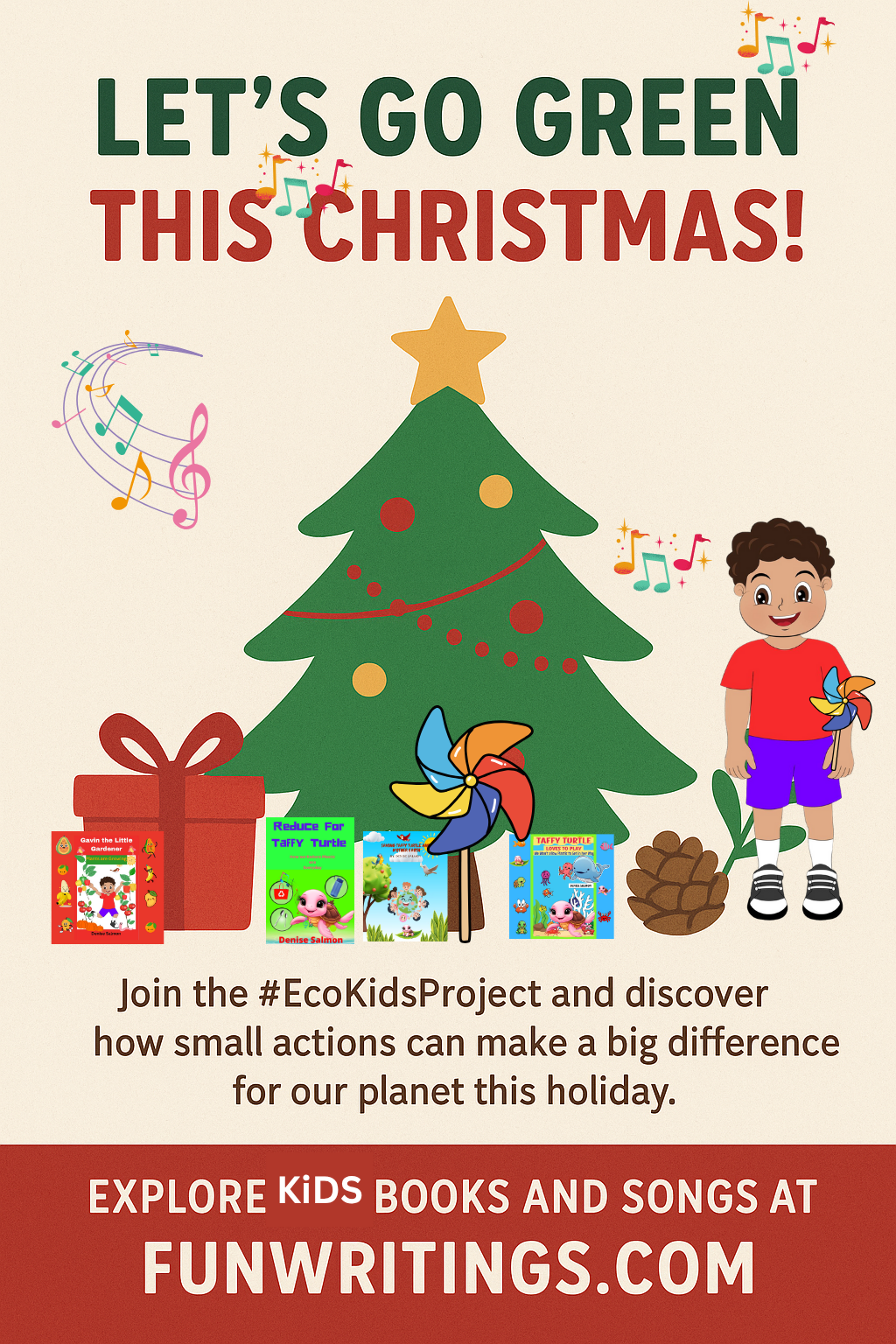
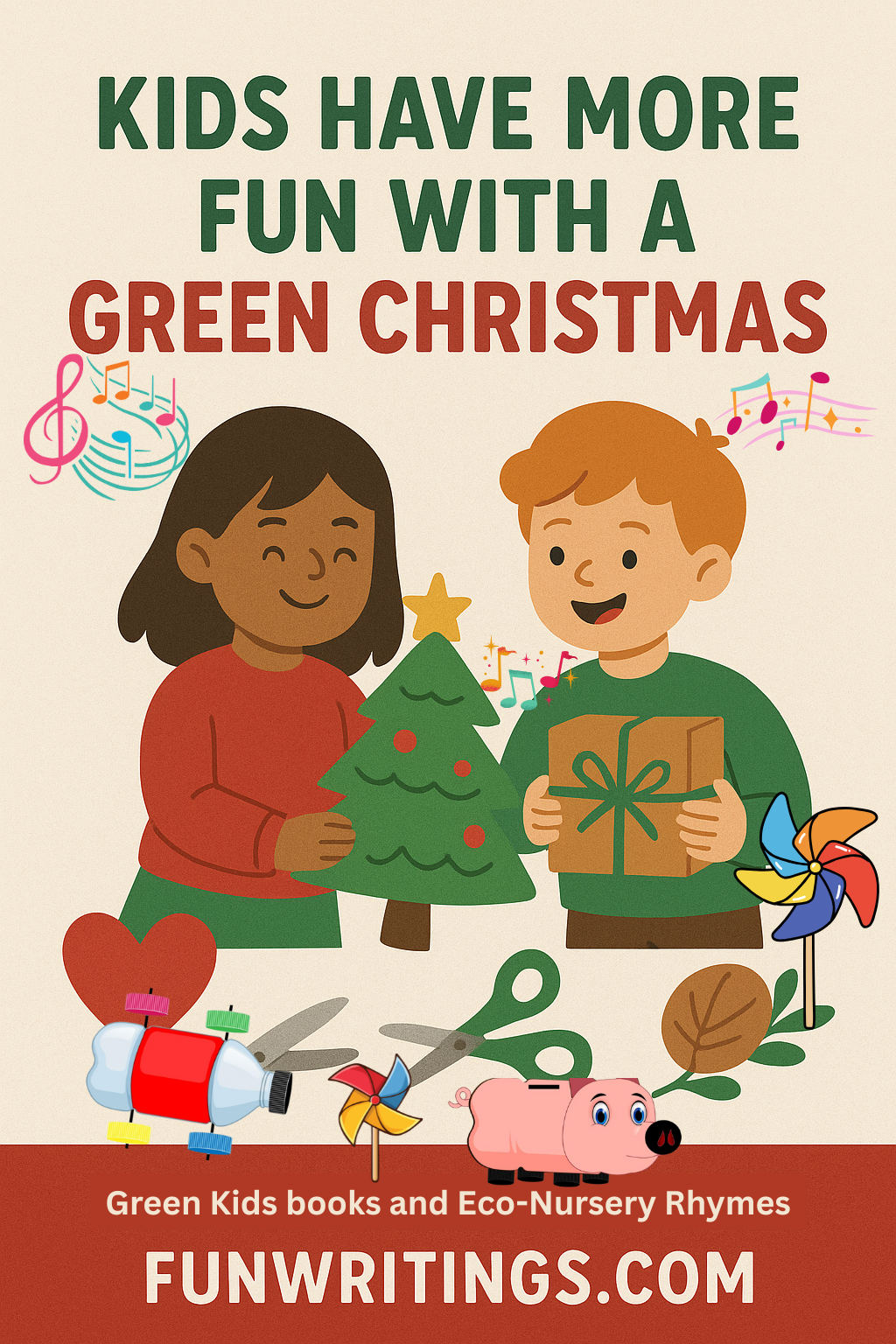
A Green Christmas is one of the best gifts we can give our planet! Here are simple, joyful ways to prepare for an eco-friendly Christmas, it is perfect for families, schools, and eco clubs to follow or share. Have you ever celebrated a Green Christmas before? If so, was it just as good as the other way of celebrating Christmas?
Choose Thoughtful, Sustainable Gifts
Give handmade or locally made items to support small businesses.
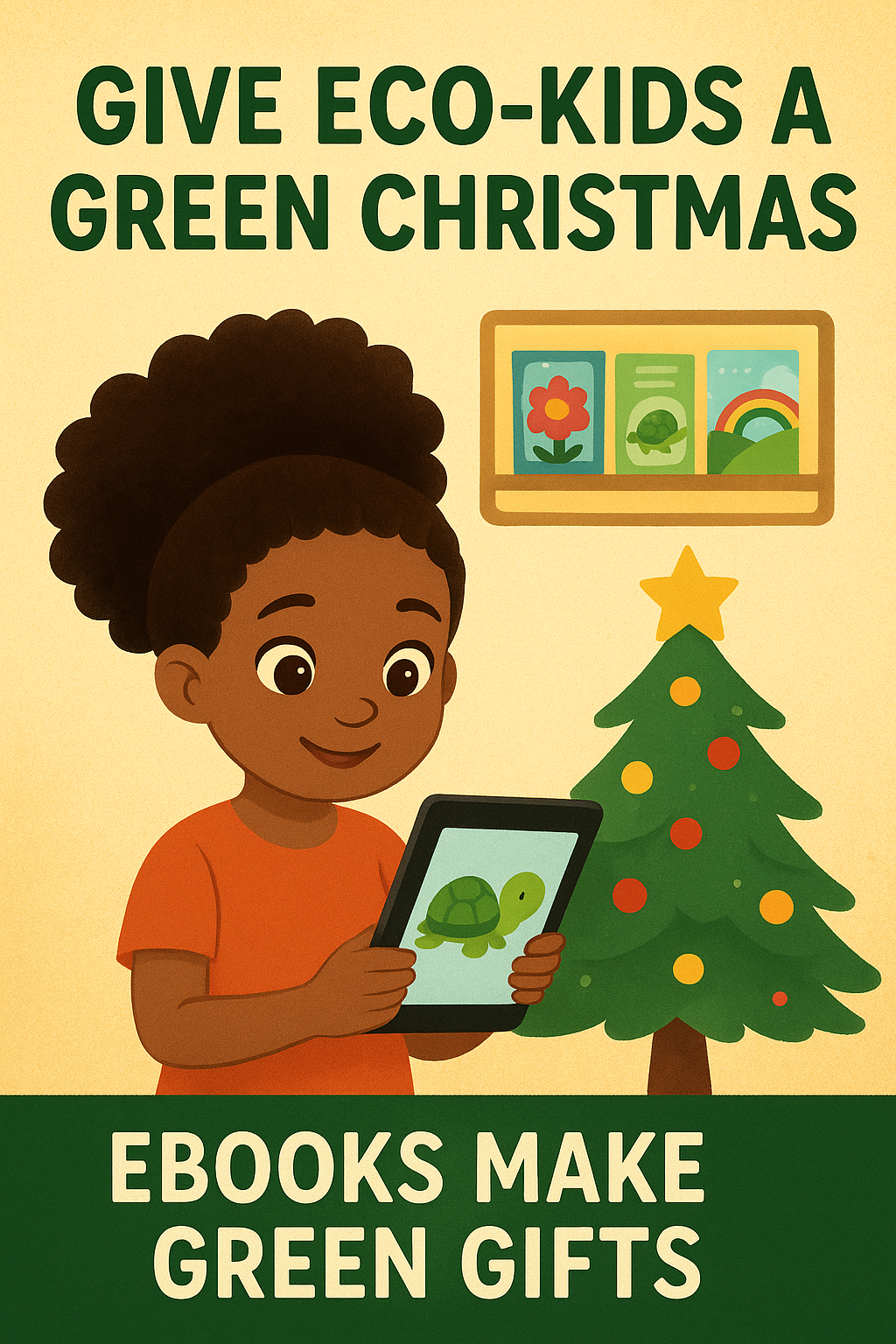
Try eco books, recycled crafts, or experience gifts (like nature walks or eco workshops).
Wrap presents using reusable cloth, old newspapers, or recyclable wrapping paper; skip glitter and plastic ribbons.
Decorate Naturally
If you are one shopper who over spend at Christmas time and you want to enjoy the season without regrets when it is done. You will be glad to have the great ideas you will find in this blog post.
Use pinecones, dried oranges, cinnamon sticks, or paper stars for a warm, natural feel.
Create DIY decorations with your children from recycled materials; a fun family project that teaches sustainability!
Choose an eco-friendly Christmas tree:
Rent a live tree or replant one after the season.
If using an artificial tree, keep reusing it for many years.
Use nicely decorated reusable bags for gift giving.
3. Save Energy with Smart Lighting
When these Smart Lighting options are given as Christmas gifts, we are encouraging each other to save money as we save the planet.
Use LED fairy lights; they use 80–90% less energy.
Put lights on a timer to avoid waste and save on your electric bill.
Turn them off before bedtime; it’s better for the planet and your safety.
. Plan an Eco-Friendly Feast
Having an Eco-friendly feast with family and friends will cause you to have long and lasting memories that are simply beautiful. Don’t allow this great opportunity to pass you by this year. There are useful tips here; use them to reduce the cost.
Buy local, organic ingredients to reduce food miles.
Use reusable plates, cups, and cutlery (no disposables!).
Avoid food waste by cooking just what’s needed by communicating well with those who are invited, and compost leftovers if possible.
5. Sing & Learn Green
This season, let kids sing eco Christmas songs or eco nursery rhymes from the Eco-Kids Project at FunWritings.com . Planning for the green future is not just talk, it involves action. Our sustainable future will become a reality when we act.
Through music and storytelling, children learn how to protect nature while celebrating with joy. Sustainability for kids is important and you can begin telling children about making their future great so they can begin planning to decrease pollution as they make their future bright.
6. Give Back to the Planet
Giving back to the Planet is the best thing we can do. If previous generations didn’t protect the planet we would not be here enjoying life in this way today. Let is think about the next generation and the others to come as, as much as we possibly can.
Plant a tree or donate to an environmental cause instead of sending cards.
Encourage family and friends to make a “Green Pledge” — like recycling more or saving water in the new year.
. Spread Eco Awareness
Telling more children about the simplified eco-friendly solutions and tips each day is now possibly.Parents and friends can place orders for children’s books on Amazon, Bookfusion and Gumroad. These kids books are filled with the simplified eco-friendly solutions and tips can be used by everyone.
Share tips about eco-friendly living on social media.
Support projects like the Eco-Kids Project that help children learn about sustainability through fun stories and songs.The buttons are found below.
Conclusion:
A Green Christmas isn’t about less magic: It’s about more meaning. When we celebrate with care, we give the planet a gift that lasts all year. A Green Christmas will cause us to spend less and save both money and the planet. Here at Funwriting we are giving you free EcoKidsEBooks about Nature and her many offers and plastic pollution solutions. We want you to give more meaningful gifts that will last a lifetime. Is that a great idea? Please tell me what you think about the green Christmas plan?
There are many ways to save money while you are protecting the environment, and embracing DIY projects presents us with even more opportunities to combine creativity with sustainability. By engaging in do-it-yourself activities, individuals can not only reduce waste but also repurposed materials that might otherwise end up in landfills. Furthermore, creating your own items, whether it’s clothing, home decor, or personal gifts, all purpose cleaners etc. allows you to customize products to your style and preference, all while significantly cutting down on costs associated with purchasing new items. In addition, many DIY projects encourage the use of natural and environmentally friendly materials, fostering a lifestyle that is both economical and ecological.
Sustainable living is great because it will help us to save in many ways, our lives can only get better when we learn more about sustainability each day. Spending extra money on on products we don’t need to buy is not only bad for our personal finances; it is bad for the health of our planet too. I hope these DIY instructions listed below will help you to decrease your bills.
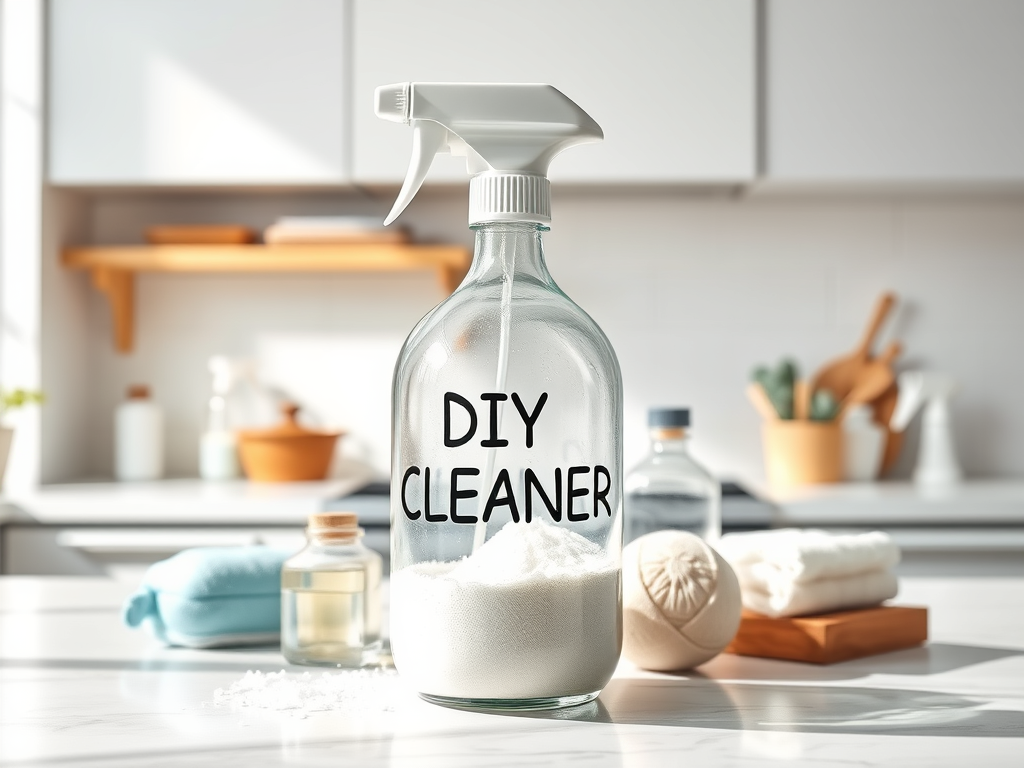
Citrus & Vinegar All-Purpose Cleaner
A Cleaner Perfect forKitchen counters, glass, and bathroom surfaces. I’m sure you will like the smell of this cleaner a lot. You’ll need:
Citrus peels (orange, lemon, or lime), White vinegar, and a glass jar and spray bottle
How to make:
Fill a jar halfway with citrus peels.
Pour in vinegar until the peels are covered.
Let it sit for 1–2 weeks, then strain and dilute with equal parts water.
Pour into a spray bottle and enjoy your fresh, natural cleaner!
Child-friendly tip:Let kids decorate the spray bottle with eco stickers or draw citrus fruits on a label.
2. Baking Soda Scrub Paste
Perfect forcleaningSinks, bathtubs, and ovens. How about singing this happy tune while you make the paste and when you are scrubbing? You’ll need:
½ cup baking soda, 1 tablespoon liquid Castile soap and a few drops of essential oil (like lemon or peppermint)
How to make:
Mix everything into a smooth paste.
Apply to dirty areas, scrub gently, then rinse clean.
Eco tip:Teach kids how baking soda is a natural deodorizer, science meets cleaning!
3. DIY Glass & Mirror Cleaner
Perfect for:Windows, mirrors, and glass tabletops You’ll need: 2 cups water, 2 tablespoons white vinegar, 1 tablespoon cornstarch
How to make:
Mix well and shake before each use.
Spray and wipe with a clean cloth or old newspaper.
Fun fact for kids:Cornstarch makes glass sparkle — like eco-friendly magic!
4. Lemon Lavender Air Freshener
Perfect foryourBedrooms, bathrooms, and living spaces. You’ll always be in a good mood when the air is smelling fresh and clean. You’ll need:
Shake and spray into the air for a natural, soothing scent.
Eco bonus:No aerosols or harsh chemicals; just nature’s aroma!
5. Eco Floor Cleaner
Perfect for:Tile or wooden floors You’ll need: 1 bucket warm water, ½ cup white vinegar and a few drops of eucalyptus or lemon essential oil.
How to make:
Mix and mop as usual; it leaves floors shiny and germ-free!
For wood floors, use slightly less vinegar and wring the mop well.
Tip for families:Teach kids that vinegar is a natural disinfectant, perfect for Earth-friendly homes. Green activities for kids became a great part of the plan to help children as they plan for their green future.
Added Eco Message:
“When children learn that clean homes don’t need chemicals, they begin to understand how small choices protect our big, beautiful planet.” They will begin protecting their health as they begin planning for their Green Future in the best way. I’m sure every parent will enjoy making DIY cleaners and other things with their children now. While you are doing that, don’t forget to sing great eco-friendly songs with them and place orders for their eco-kids books. There is a lot more they can learn about green living, as they plan for their bright future. Click on the Buttons below to find more information and join the online Eco Club.
At Funwritings we are expressing gratitude to our readers for spending valuable time supporting the Eco Kids Book Project in many ways. You are all valued, we believe you are emotionally connected to the mission. Thanks in advance for supporting the plan for the sustainable future and joining in to assist with the promotion of our Eco Kids Book Project.
Together, We’re Growing a Greener Tomorrow
At Funwritings.com – there is an Eco Kids Book Project. Every story we share carries a seed of hope . Hope that our children will grow up with love for the Earth, creativity in their hearts, and care for the world around them.
Your interest, support, and enthusiasm for this mission mean everything. By simply taking part; whether by reading, sharing, watching videos for green parents or Eco kids, giving away free eco-friendly children’s books, reviewing our eco-friendly children’s books and placing orders for writing services online. You are helping to build a sustainable future for the next generation.
A Gift from Us to You
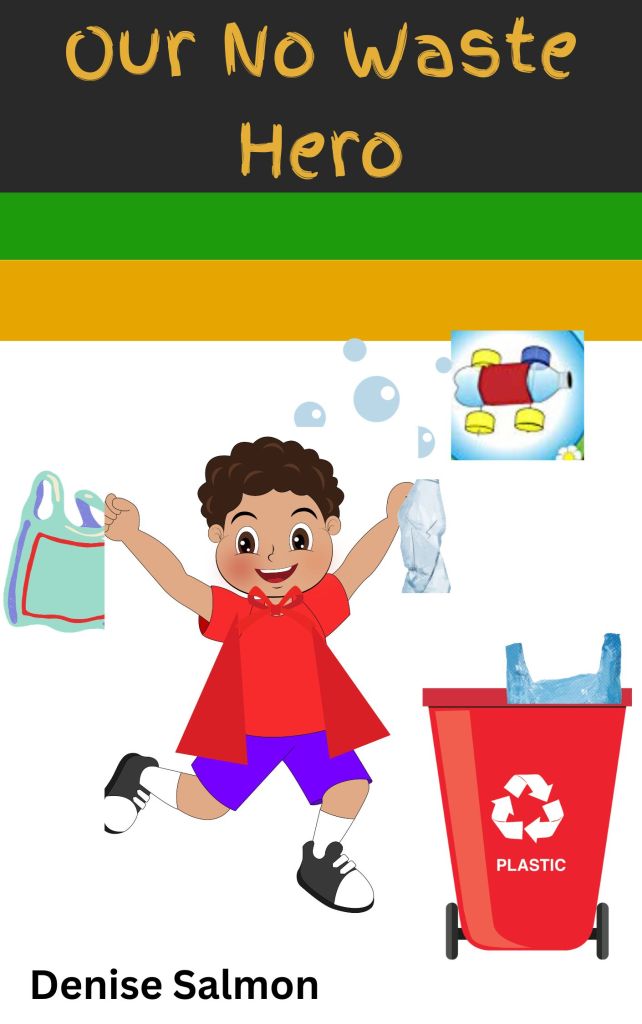
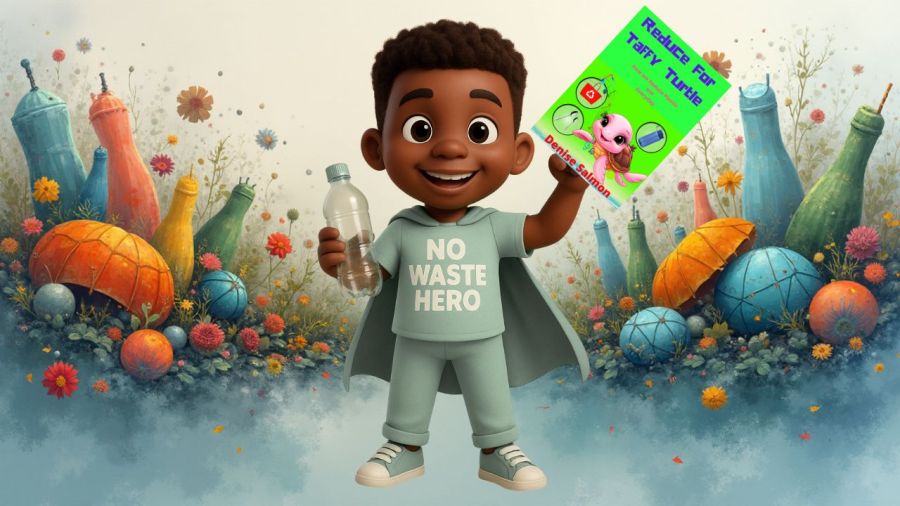
As our way of saying thank you, we’re offering a free digital copy of our newest children’s story, “Our No Waste Hero and His Toys.”It tells a story about a boy who wanted to decrease plastic pollution by making toys for himself and his friends. Children who read it will begin understanding how plastic waste can become something new and useful.
This heartwarming book teaches kids how to:
Begin talking about the many creatures found in the world.
Discover the joy of sustainable living.
Learn that small acts can make a big impact.
We hope this story brings joy to your family, and inspires children everywhere to see themselves as heroes for the planet.
When you download and review our books, you do more than share your opinion, you help:
Spread eco-awareness to more families without spending
Encourage children to learn about sustainability
Support authors and artists who care deeply about our planet
Your voice helps us reach more readers, schools, and communities that want to raise eco-smart kids who care for nature.
Thank You in Advance
From all of us at the Eco Kids Book Project, thank you for joining this movement of love, learning, and responsibility. Your support helps us publish more inspiring stories, plant more ideas in young hearts, and bring hope to our shared future.
Together, we’re showing everyone that a sustainable world begins with small, thoughtful steps, and one good eco-kids book at a time.
Take the Next Step
Download your free Eco Kids book Share your review or story Inspire others to protect our planet
10 clear, accurate, child-friendly but powerful facts about climate change and the rise of intense hurricanes. These are great for the supporters of the Eco-Kids Book Project. Facts will empower us when we are telling others of the problems created by unsustainable living. Without these facts we might cause pollution problems to grow and they will cause us to continue on a destructive path that leads to more powerful hurricanes and increased plastic pollution.There is a better way for us to live.
10 Facts About Climate Change & the Increase in Intense Hurricanes
Warmer oceans create stronger hurricanes
Hurricanes get their energy from warm ocean water. As global temperatures rise, the oceans absorb more heat, giving storms extra power to grow stronger and faster.
Hurricanes now hold more moisture
Warm air can hold more water. Because the atmosphere is hotter, hurricanes can carry heavier rainfall, causing more flooding when they reach land.
Storms intensify more quickly than before
Climate change has increased the number of hurricanes that go from “small storm” to “dangerous Category 4 or 5” in just a day or two. This makes preparation harder.
Sea levels are rising, making storm surges worse
Higher sea levels mean hurricanes push more water onto land. This causes bigger coastal floods and damages homes, farms, and wildlife habitats. This is not a problem we want to pass on to the next generation.
The hurricane season is getting longer
Warmer oceans allow hurricanes to form earlier in the spring and stay active later in the fall, increasing the months when storms can occur. Creating more sustainable jobs as we help children to plan for a bright future, is far better than simply waiting to see more environmental degradation.
More storms are reaching higher categories
There are more Category 3, 4, and 5 hurricanes now compared to 40 years ago. These stronger storms create more destruction and poverty.
Slower-moving hurricanes cause more damage
Climate change affects wind patterns. Some hurricanes are now moving more slowly, dumping rain over one place for hours or even days.This causes increased flooding, landslides and environmental degradation.
Hurricanes can now form in unusual places
Warming waters allow storms to appear farther north and in regions where hurricanes were once rare, putting new communities at risk.
Warmer air fuels lightning inside hurricanes
As storms get stronger, they produce more lightning, a sign of increased intensity and instability within the storm.
Human actions influence hurricane severity
Burning fossil fuels, cutting forests, and producing excess pollution increase global temperatures, which in turn, strengthens hurricanes. This means human solutions (renewable energy, planting trees, reducing waste) can help reduce future storm severity.
Eco Kids Book Project – Inspiring a Greener Future for Every Child
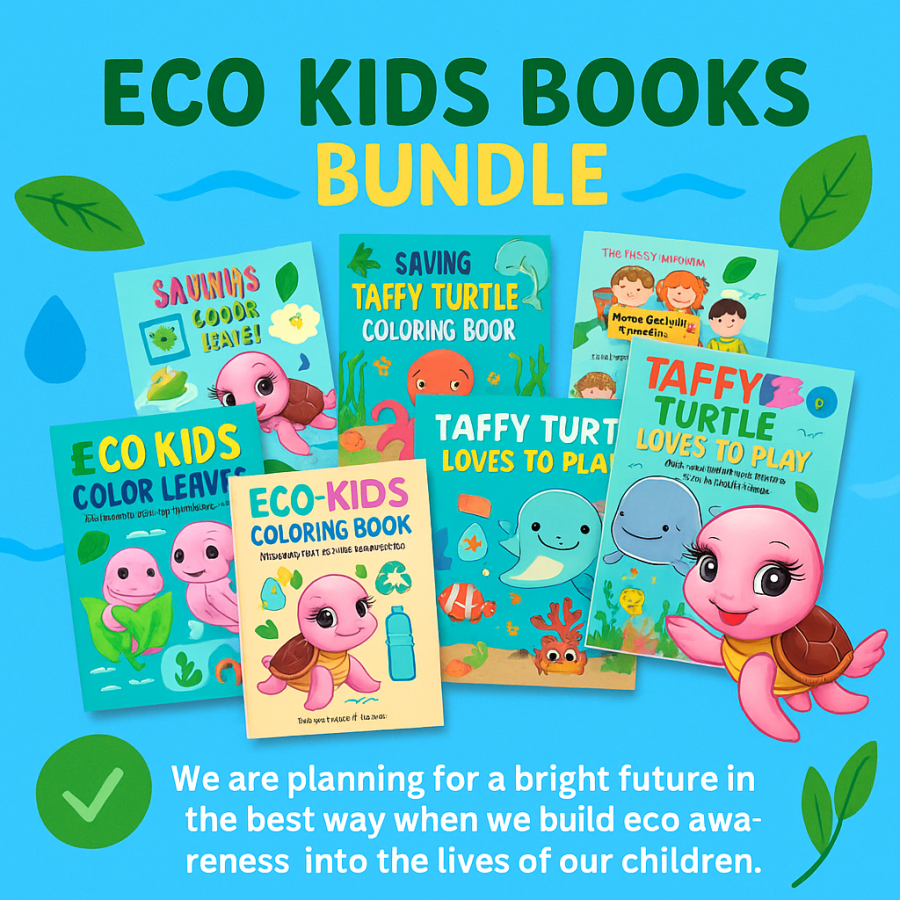
The Eco Kids Book Project is a heartwarming and educational initiative designed to help children dream big while learning how to protect the planet. Through engaging stories, colorful illustrations, and fun eco-friendly lessons, our books teach kids how to live sustainably, care for nature, and make positive choices for their future.
Each story is built around themes like recycling, creativity, love for a baby Turtle, renewable energy, and community care. Encouraging young readers to see themselves as heroes of a cleaner, greener world.
Our mission is simple: to nurture a generation of mindful, motivated, and eco-conscious children who understand that small actions create big change. Whether planting a tree, reducing waste, or reusing old materials to make new toys, every Eco Kid learns how to build a better tomorrow — one story at a time.
Why Parents and Teachers Love the Eco Kids Book Project
Encourages environmental awareness and empathy
Promotes creativity and problem-solving through eco-friendly activities
Helps children plan for their future with sustainable values
Perfect for schools, libraries, and home reading
Join the Movement
Inspire your child to think green and grow smart! Explore the Eco Kids Book Project and discover stories that spark imagination and responsibility for the planet we all share.
Visit our book store to start your child’s eco-friendly reading journey today!
Eco Kids Book Project: Building a Sustainable Future, One Story at a Time
About the Eco Kids Book Project
The Eco Kids Book Project inspires children to plan for their future in a sustainable, creative, and compassionate way. Discover the Eco Kids Book Project that is inspiring children to care for the planet through fun, eco-friendly stories and songs that teach recycling, creativity, and sustainability. Our beautifully illustrated eco-friendly books teach young readers how to protect nature, reuse materials, reduce waste, and think green; all while having fun and building lasting values.
Each story sparks imagination and action, showing kids that they can be heroes of the planet through small, meaningful choices every day.
Why Parents and Teachers Love Our Books
Encourages environmental awareness and a love for nature Promotes creative problem-solving and eco-friendly habits Supports sustainability education for home and classroom use Helps children dream, plan, and grow into future eco-leaders
Our mission is simple: to nurture young minds to build a brighter, cleaner, greener world.
Sustainability Begins With Small Changes Made by Small Hands
Sustainability doesn’t always start with big policies or expensive technologies. Sometimes, it begins with small hands making small changes — one simple habit at a time. And one of the easiest, most powerful habits to teach children is waste separation.
When kids learn to sort waste properly, they learn much more than a household chore. They learn respect, responsibility, and awareness — the foundations of environmental protection.
Here’s how it grows:
Waste Separation Teaches Kids That Every Item Has a Place
Children quickly understand patterns and categories. When they learn to separate waste into:
Recyclables (plastic, paper, glass, metal)
Organics (food scraps, leaves, plant waste)
Garbage (non-recyclable items)
they begin to see that the world is made up of choices — and every choice has consequences.
This simple activity plants the idea that their actions matter.
Sorting Waste Helps Kids See Value Instead of “Trash”
Instead of throwing everything into one bin, kids discover:
Fruit peels become compost
Plastic bottles become new products
Paper can be recycled into books
Food scraps can feed worms, soil, and gardens
They learn that waste is not always waste; sometimes it’s a resource waiting to be transformed. This mindset shift is powerful. It creates resourceful thinkers, not throwaway consumers.
Waste Separation Builds Lifelong Eco Habits
Children learn by repetition. Every time they choose the right bin, they reinforce a habit that will stay with them throughout their lives.
What starts as a small action at home becomes:
A habit in school
A responsibility in the community
A lifestyle as an adult
Small habits build eco-literate citizens who naturally protect the Earth.
Kids Become Eco-Leaders at Home
Children often become the “eco-reminders” in their families.
They’ll say things like:
“Mom, that bottle goes in recycling!”
“Dad, don’t mix the food scraps!”
“Let’s make compost for the garden!”
Kids love being helpful and leading by example. Waste separation gives them a role, a superpower, and a sense of importance.
Waste Separation Opens the Door to Bigger Green Actions
This small step leads naturally into other eco-friendly habits, such as:
Saving water
Turning off lights
Planting trees
Reducing plastic use
Growing food in small gardens
Protecting animals and oceans
When kids understand waste, they start caring about everything that surrounds it such as plants, water, air, animals, and people.
The Eco-Kids Message: Small Actions Shape Big Futures
Your Eco-Kids Book Project teaches children that sustainability isn’t overwhelming, it’s achievable.
Waste separation is one of the first lessons that shows them how easy eco-living can be:
It is Simple enough for a child yet it is powerful enough to change a community.
Small hands can sort waste today… And grow into big hands that protect the Earth tomorrow.
Join the Eco Kids Movement
Inspire your child to read, sing, learn, and care for our planet! Explore our colorful collection of eco-friendly children’s books and discover stories about love, happiness, recycling, and creativity.Planning for the bright future as you get children involved is the greatest plan ever. The links for the songs, eco-friendly children’s books and the group you can join, are all found below.You can begin giving away free Eco-Kids EBooks as soon as you are ready to help children.
The Eco-Kids Book project is building environmental awareness in new, child-friendly ways so children can start decreasing pollution through simple actions. As pollution and environmental degradation continues it is becoming more important for children to plan for their future in a better way. We already know about the importance of sustainability and yet there is an increase in plastic production. The fact that toxic plastic is currently found in water and food should cause us to want children to be ready to protect their own health. Waiting for increased sea level rise and more islands to disappear should not be an option we would want to choose. Now that it is possible for us to do our part to protect our planet while we empower children with solutions in new and better ways.
Helping Kids Take Small Steps Toward Decreasing Pollution
In today’s world, where pollution and climate change affect nearly every part of life, building environmental awareness in children has never been more important. But to truly make a difference, we must teach it in a new and better way, one that’s simple, fun, and practical for young minds.
Children will not be just learning about pollution; they will feel empowered to do something about it. That’s where simplified environmental protection solutions and plans come in.
Making Environmental Awareness Easy to Understand
Children learn best when big ideas are broken down into simple, relatable actions. The should not be overwhelmed with complex scientific terms. At funwritings.com we are introducing eco-friendly concepts and solutions through stories, songs, and daily habits. The number of people who are dying from the impact of climate change is rising and we can make more progress towards having a bright future when we try to solve our problems in simple ways.
At funwritings.com we encourage families to go green together.
For example:
Showing solutions for water pollution with simple plastic pollution solutions
Demonstrating waste management through fun recycling games
When children understand why pollution is bad in a way they can visualize, they become eager to protect their world.
Starting with Small, Actionable Steps
Big environmental change starts with small, consistent actions and kids are great at that! By encouraging little eco-friendly habits early on, we help the little Angels to grow into lifelong protectors of the Earth.
Some small steps children can take: Reuse bottles and boxes for crafts Plant a small tree or grow vegetables in a pot Turn off taps while brushing teeth Switch off lights when not in use Sort garbage into recycling and non-recycling bins
These habits may seem small, but they teach powerful lessons about responsibility and respect for nature. It will be easy for every member of families to protect the earth in better ways when they have simple facts about pollution and solutions.
3. Using Creativity to Teach Sustainability
Children naturally love to sing, paint, do craft and play and these activities can become powerful tools for eco-education.
Eco songs and rhymes make learning about recycling, saving energy, and planting trees exciting.
Art projects using recycled materials help kids see how waste can become something beautiful.
Storybooks like Magic in the Seed , Saving Taffy Turtle or Gavin the Little Gardener turn environmental lessons into magical adventures.
By blending creativity with environmental lessons, children learn in a joyful, memorable way ; not through fear, but through hope.
4. Empowering Kids to Be Problem Solvers
Instead of just telling children what not to do, we can inspire them to think of new solutions. We can encourage them to believe that they can eventually make great plans to decrease pollution in many more ways. Ask them questions like:
“What can we reuse instead of throwing away?”
“How can we
Many changes are being made all around the world as people are becoming more aware of what they can do to survive even though the heat waves, hurricanes and other natural disasters that has become more prevalent are threatening to take more lives as time goes by.
When children are equipped with the right information and they can start looking at many creative ways to reuse waste, as they prepare to make their own future bright,they won’t simply feel overwhelmed by the huge plastic pollution problem, deforestation, air pollution and the many other problems that cause climate change at this time. They will be busy encouraging everyone they meet to do more to protect the planet.
Help Children to Be Prepared for Climate Change Preparing children to face a future that is bright, has become more important for adults to think about, as they know about the resources of the earth and what they will be leaving for the generation that is planning to face life on the planet next.
As responsible adults we can put great plans in place for the children so they can find a way to stay healthy when their soil, air and water is not polluted.Remember, children are always trying to apply what they have learned. This makes Eco education great for them.
Changes Made by Farmers as They Face Problems Caused by Climate Change Farmers have learned how to harvest water and store it, due to the long harsh drought they face because of Climate Change. There is more need for innovation as the pile up of plastic and other waste material is putting lives at risk.(There is flooding in more communities when plastic waste block drains and water can’t run to the Sea or Ocean) When children are aware of the problems we face at this time because our environment has not been properly protected,they will start thinking of ways to make new and better plans than the ones we made.
The zero waste plan– Another Solution
More children should learn about reusing, reducing and recycling plastic and other materials, this is important as they will need to continue doing all they can to protect the environment and their own health. The Zero Waste plan is being implemented in some countries and more information can be given to the children about reusing, reducing and recycling so they will be prepared to separate their waste and do all they can to have a clean environment to live in.
There are Important Changes Children Will Need To Make When They Grow Up
Now that you can easily support this project on this website and order the eBooks that they can easily read and get informed. They will be equipped and ready to do more composting, tree planting, recycling, reducing and reusing.
There are a lot of jobs that were popular when we were growing up and they don’t exist anymore, children will need to be more creative to live in a world that has so much technology as jobs are different now and Global warming is affecting crops and the ability of humans and other creatures to survive.
Let us get real and help the children in all the ways we can so they can be prepared to be more creative and determined to have a clean environment that is able to sustain life.
Children will need to be solution finders more and more as jobs continue to disappear and solutions for the Global Warming problem continue to elude adults. We say they are the future and we can do more to empower them to make their future Bright. Gone are the days when we could leave house, cars and money for them and they would be just fine. We need to give them the information they need about environmental protection so they can remove the problems we now have and help the earth to be able to sustain life once again.
Children Who Are Aware of the Need For Environmental Protection
Children who get copies of the books will know about tree planting, reusing plastic and more. They will begin their journey to becoming adults who are equipped to stop the pollution that is happening at this time. They will be ready to use less fossil fuels, harmful chemicals and other things that are damaging to the environment.
Contributors Got Great Service and More Contributors to the project have seen the new books that are illustrated and formatted for the children. They have also ordered lyrics for their songs, articles for their blogs, online advertising for their businesses, poems for their loved ones to be used at special events and they have no regrets. There are many great reviews left on the fiverr page you don’t need to worry when you are placing orders for the services or eBooks you want.
Continuing with the use of fossil fuels and not caring about the loss of lives and livelihood is not something we should decide to live with forever. It is crucial that we recognize the imminent dangers posed by our reliance on such resources, which not only contribute to environmental degradation but also jeopardize the health and safety of communities around the world.
As climate change intensifies, we must confront the harsh realities faced by those who depend on cleaner alternatives for their survival. By advocating for a transition towards renewable energy, we can pave the way for a sustainable future that prioritizes both human well-being and ecological balance, ensuring that future generations can thrive without the burden of the mistakes of the past.
Giving these reports and telling people what to expect is not as helpful as doing more to decrease the use of fossil fuels. Sustainable living is such a great solution that will cause us to create jobs in new ways for each other. We all can live in much better ways as we recycle more and grow economies so there can be better savings to help with recovery efforts after disaster strikes.
We are all Global citizens who get affected by different weather events from time to time and we can become proactive. Simply take another look at the facts so you can make informed decisions. Even small islands are loved by some, they look forward to leaving the winter behind sometimes.Sustainable living is a great solution we simply need to use it to decrease pollution in more places.
Destruction After the Hurricane
The most recent report stated that over 45 Jamaicans lost their lives and many are still cut off from food and other necessary supplies. Homes, schools, hospitals, schools and businesses in some areas are still in a bad condition. The previous hurricane left some people homeless and now there is another one that did more damage. It is so sad to see that the people who live in areas that is not affected by these storms just see the damage as news. It will be forgotten by the day after. If this was not so , more would be done to protect the people who live in the affected places.
People in developed countries would want to decrease pollution in more ways.To hear the reporter saying they are protecting life is so misleading. I believe those who care about the lives of others will get the word out about the environmental solutions that will cause us to see decreased pollution and the warming of the Earth. Not advertising the environmental solutions more every day and waiting for a category 5 hurricane to begin, does not look like enough is being done by people who are in media.
Human Induced?
If we could spend more time looking at the facts about climate change this might cause us to do our part as we plan for a sustainable future. If we could find many ways to decrease pollution we would benefit from our actions in many ways.We can see decreased bills, cleaner water and air, decreased food insecurity and more.There is so much to gain and nothing to lose from supporting the children’s future in a world that has solutions for pollution and we can use them.
We all want to live like humans should, we need to take another look at simplified sustainable solutions. When leaders and media professionals forget to talk about the solutions for the pollution crisis, we can decide to become the change we need to see. If we continue saying this destruction is not happening close to us. There might come a day when the displaced people find their way to your door steps to ask for help. Isn’t it far better to use the sustainable solutions offered by environmental advocates now?
Final Thoughts
The world has become more connected since we started using the internet and more problems and solutions are being shared.Support for the Eco-Kids Book Project has been growing as the Youtube channel gets increased subscriptions. I believe humanity will always rise above what some leaders expect and think about how they would feel if they lost everything. Building environmental protection awareness by helping children to plan for the sustainable future has been happening. There is hope that they will develop eco-friendly habits and encourage their friends to do the same.This will cause us to have hope for a bright future. If you have not supported the project in the past, would you be willing to begin supporting it now?
If you want to do more for our planet there are simple things you can do without spending. With improved environmental education for children we can see a change in green activities. Give the children you know free eco-kids books, they are available in the online book shop. You can also share the awesome eco-kids and green parents songs on Youtube. If you are ready to help the project to grow in more ways you can place orders on Amazon and the other book selling websites you’ll find there. You can also subscribe, like and comment when you can.
I have heard conversations about living on water. I don’t want to scare anyone, but I heard that plans are being made for more people to live on water. Those people who can afford to live on water seem to be happy about the climate change issues. They seem to be the ones who are doing all they can to make all the money now. They are learning how to grow crops without soil and they explore other innovative solutions for living without the land.
Currently, it is disheartening to see some families losing their homes due to rising sea levels, but when the Turtles lose the beaches that are crucial for laying their eggs, they will inevitably go extinct. This situation highlights the urgent need for action against increased pollution, as the repercussions affect not just human communities but also vital wildlife.When we don’t care about the other creatures on our planet it is easy for us to destroy ourselves.
Are you planning to live on water, or have you considered the broader implications of this lifestyle shift? Do you care about the Turtles and the crucial ecological balance they represent? If we do not take meaningful steps to stop climate change, we may witness the heartbreaking disappearance of these majestic creatures, along with countless other species that depend on healthy marine ecosystems to thrive.
Will leaders choose to ignore climate change and make arrangements for their people to live on water? The idea of living on water might seem like a futuristic solution to an urgent problem, yet it raises significant questions about the long-term viability of such an approach. What if we could decrease pollution by using more eco-friendly solutions, while simultaneously creating more sustainable jobs that empower communities? Investing in green technologies and renewable energy sources could pave the way for economic growth without compromising the environment. As we weigh these options, we must consider not only the immediate effects but also the long-lasting implications of our decisions on future generations. Which choice is best? The answer lies in our ability to innovate responsibly and prioritize the health of our planet alongside the welfare of our people.
The Plight Of Climate Refugees
Even if sea level rise won’t make all land disappear, the impact on our planet’s most vulnerable communities is undeniable. It is heartbreaking to see the people who live on continents, blissfully indifferent to the plight of those residing on islands, who face the imminent threat of displacement. As more islands are inevitably covered by rising oceans, we must question whether the remaining countries will have the capacity and compassion to accommodate all climate refugees. This situation not only poses logistical challenges but also ethical dilemmas. The potential influx of displaced populations could strain resources and infrastructures, leading to further socio-political tensions. It is imperative that we recognize our shared responsibility to support and protect those whose lives are being uprooted by climate change, fostering understanding and collaboration across borders.
Current Statistics About Sea Level Rise
There are reports that cause some folks to believe that even in worst-case climate scenarios, we’re looking at rises measured in feet or meters over decades to centuries – not the submersion of continents. The most recent projections suggest roughly 1-2 meters of rise by 2100 in high-emission scenarios, with potentially several more meters over following centuries. This does not include the fact that sea level could rise faster, there is no guarantee that it will rise at the current rate for the length of time predicted.
This is still extremely serious – it would displace hundreds of millions of people in coastal cities and low-lying nations, particularly affecting places like Bangladesh, small island nations, and major coastal cities worldwide. But the vast majority of Earth’s land area would remain above water.
That said, adaptation conversations are important:
Coastal defense systems (seawalls, living shorelines)
Managed retreat from vulnerable areas
Climate-resilient urban planning
Support for affected communities and nations
Floating architecture and aquatic living are actually being explored in some places – the Netherlands has floating homes, and there are proposals for floating cities. But these are niche solutions rather than humanity’s primary future.
The more urgent conversation is really about mitigation – reducing emissions to limit sea level rise – and adaptation planning for coastal communities. This includes where people will relocate, how to protect critical infrastructure, and ensuring climate justice for those most affected.
The rising sea level has caused many to begin using climate adaptation plans. More should be done to build environmental protection awareness in more places because sustainable living can solve many of the pollution problems we are currently facing.The ‘Earth day Every day’ plan can help with the building of environmental protection awareness. More people could begin understanding what they can lose if they continue polluting the planet at this rate.
Even though it is difficult to think of connecting benefits with a hotter Earth, there are indeed individuals and corporations that focus primarily on financial gain. This mindset often leads them to overlook the broader consequences of climate change. For example, they may fantasize about innovative solutions like living on water or investing in technologies to deal with rising sea levels. They even project timelines for when sea levels might rise enough to inundate vast areas of land, creating an entirely new market for real estate above the waterline.
However, this perspective is dangerously shortsighted. These individuals rarely consider the impact their actions have on marginalized communities, particularly those who rely on stable environments for their daily livelihoods. Many of these consumers, who support these businesses with their purchases, find themselves caught in a cycle where they are economically dependent on the very structures that threaten their existence. The business strategies that prioritize profits often ignore the voiceless poor population that risks being displaced by rising waters and deteriorating living conditions.
As businesses and wealthy individuals plan for a “future” that could thrive on water, they seem oblivious to the suffering that could arise from such transformations. The challenges faced by those who are less fortunate are not merely an afterthought; they represent a fundamental ethical concern that must be reckoned with. In the rush to capitalize on climate change, we must not forget the shared responsibility we all have in ensuring that development is equitable and just for everyone, especially those who cannot afford to adapt or relocate.Should the sustainable development goals be forgotten?
Conclusion and Call To Action
It is time for more to be said about the people who are living on islands. Currently they are left to struggle on their own while some of the industrialized countries continue to deny the existence of climate change. It is time for all people on the Planet to be treated fairly and acknowledge that every country will have different challenges to face, so small sinking countries should not be ignored. There are sustainable solutions to be used and sustainable job creation can help economies to grow.Do you think we should wake up more people by telling them about these problems?
In a world facing rapid environmental changes, one of the most powerful investments we can make is teaching children to plan for a sustainable future. Our planet’s well-being depends on the actions of today’s generation. We need to see more environmental awareness as we prepare for a future for the next generation. When we help kids understand sustainability, we’re not only protecting the Earth but also shaping and empowering responsible, creative problem-solvers who care deeply about their world.
1. Building Awareness from a Young Age
Children are naturally curious and compassionate. When they learn about recycling, reducing waste, conserving energy, conservation, adaptation and protecting nature, they begin to see how their actions make a difference. Early education with simplified eco-friendly solutions helps them develop lifelong habits that reduce pollution and promote eco-friendly living.
By integrating sustainability into everyday lessons, like planting a tree, sorting waste, or reusing materials, kids can witness firsthand how small actions add up to big change. If the people in every home make small changes we will see a big change after a while.
Model Version: lite | Model Category: Realism | Prompt: Photorealistic image of mixed-race children engaged in eco-friendly craft activities, natural materials, bright and cheerful atmosphere, indoor setting of an eco club, natural lighting, medium shot, sharp focus, professional photography. | Enhanced Prompt: Photorealistic image of two mixed-race children, a boy and a girl around eight years old, both exhibiting focused and cheerful expressions as they engage in eco-friendly craft activities. They are carefully assembling intricate figures using only natural materials like dried leaves, twigs, and smooth river stones.
Empowering Kids to Become Eco-Leaders
When children are encouraged to think about solutions for environmental problems, they feel empowered. They begin to understand that they can be part of the solution, not just observers.
Simple classroom or home projects: such as creating a mini garden, designing art from recycled items, or joining clean-up days; can ignite their sense of leadership. These experiences teach responsibility, creativity, and teamwork while instilling pride in helping to save the planet.
Shaping Future Innovators
Sustainability education encourages innovation. Children who grow up learning about clean energy, eco-friendly technologies, and responsible consumption often become the engineers, scientists, and entrepreneurs of tomorrow who will design smarter, greener systems. Their future will be impacted by what they learn today in a positive way.
Encouraging curiosity about topics like solar energy, water conservation, composting, and pollution control plants the seeds for a more sustainable future—one that thrives on balance and respect for nature.
Promoting Family and Community Engagement
When children learn about sustainability, their enthusiasm often inspires their families and communities. A child reminding their parents to recycle or save water can spark conversations and change behaviors at home.
This ripple effect extends beyond individual homes—spreading awareness through schools, neighborhoods, and local events. Communities that nurture sustainability together become stronger, more connected, and more hopeful for the future.
Preparing for a Healthier, Greener Tomorrow
The ultimate goal of encouraging children to plan for a sustainable future is to secure a healthier planet for generations to come. When children grow up respecting the Earth, they’ll make choices that protect natural resources, reduce pollution, and promote biodiversity.
By fostering environmental education today, we’re giving them the tools to make better decisions tomorrow.
How You Can Help
Parents, teachers, and communities can support this mission by: Reading eco-themed children’s books like Magic in the Seed or Gavin the Little Gardener so children can begin believing that they can solve the food insecurity problems we see in some places these days. Starting small gardening projects at home or school. Children will be very excited when the seeds they plant become plants that produce something for them to eat. Watching and sharing eco-education videos: The videos evolved into a huge number of eco-nursery that children can enjoy while they learn. Supporting creative projects like the Eco-Kids Book Project that teach kids about sustainability through storytelling and fun activities. This is easy to do online and the benefits are awesome.
Final Thoughts
Encouraging children to plan for a sustainable future isn’t just about environmental responsibility, it’s about hope. Every small act of awareness we plant today will grow into a generation that protects and preserves the Earth with care, creativity, and love. A generation that will also pass on what they learned to the next generation so the Earth can be protected more and more as time goes by.
Let’s raise eco-smart kids who dream big, act boldly, and grow green!
Sustainability for kids, eco education, children and environment, teaching kids about sustainability, eco-friendly activities for children, raising green families, future of the planet, kids planting trees, pollution prevention for kids
Ending the plastic pollution problem is not only possible but imperative for the health of our planet and future generations. With all the significant improvements made in the use of technology, including innovative recycling methods and the development of biodegradable materials, it would be too sad if no comprehensive plan could be devised to decrease pollution in every possible way.
By harnessing these advancements, communities around the world can implement sustainable practices that not only reduce plastic waste but also promote a circular economy. Moreover, public awareness and education on the impacts of plastic pollution can drive behavioral changes, urging individuals and businesses alike, to adopt eco-friendly alternatives. It is time for us to look at the damage that is caused by plastic pollution as time goes by.
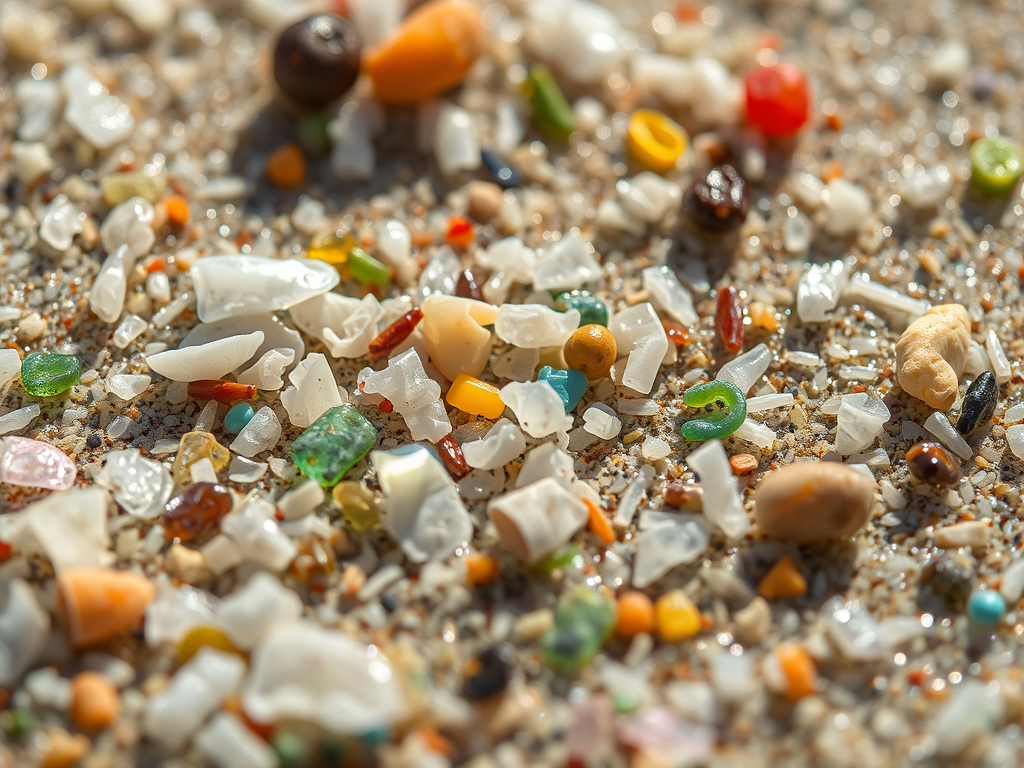
For example: the latest global coral bleaching event shows ~84% reefs impacted. (Wikipedia)
The amount of plastic in the oceans currently could be close to the amount of fish.
Micro plastic is now found in the bodies of humans because it is in drinking water and food.
Questions We Need to Ask About Plastic Pollution
Plastic pollution “How are we acting as great stewards ? Why aren’t we seeing better job creation due to increased recycling? Are we allowing waste stay in the environment too long?” When will we begin using simple solutions to decrease pollution?
Plastic Pollution Solutions can get a lot more attention. They have been simplified and blended with rhyming stories, eco songs, nursery rhymes and green activity books for children. Families can easily learn about green living together. All the information can be easily accessed online.
Company Ceo’s who genuinely care about the future of their businesses and their customer, will find ways to support this eco-kids project in many ways. More simplified eco-friendly tips and solutions will be found in schools and homes when they join in and contribute.
Plastic Pollution Solutions
It would be good if artificial intelligence could assist with a design for a biodegradable alternative for plastic. It needs to be easily made and distributed. The current manufacturers of plastic should be willing to stop using oil and make new plans. Consumers should force them to make the switch by supporting the company that is make biodegradable plastic whenever it available.
We must be willing to protect our environment so we can remain healthy. We know plastic that is made with oil is toxic and I wonder if we are checking to see if it has caused the increase in the number of Cancer patients we see in most places.
Our greatest plastic pollution solution for plastic pollution is environmental protection awareness because people will continue littering when they don’t know about the damage they cause. It might not be possible for AI to find all the plastic we use if it is hard to reach. Humans need to be more involved in the solution for plastic pollution. We are the ones who are actively making this problem worse and it is time for us to become the change we need to see.
Building Environmental Protection Awareness In a New Way
Environmental education for all has become a mission at Funwritings.com and simplified solutions for plastic pollution the top priority there. Simplified solution can be understood by everyone and new eco-friendly habits can be formed in families. This approach will cause more sustainable job creation as people develop businesses with solutions, such as recycling businesses. The green businesses that are already in operation will grow as they get more support each day.
Sustainable living is the greatest gift we can give ourselves, as it will cause us to improve our health and live longer. It is also a gift we can pass on to the next generation. We are depleting our natural resources and destroying our Oceans and Seas. We could be creating more sustainable jobs while we decrease pollution. It can be done and must be done now.Help our children to grow up with plans to implement sustainable business models.
Conclusion
Now you know more about the plastic pollution problem and the solutions. Will you be willing to support the project that is guiding families towards the solution? Do you think this is a problem we should simply ignore? Children are now enjoying the rhyming stories and songs found on the project website. With your help, more families would be willing to use this simple plan as a guide that will help them to solve the problem. We can live in a healthy environment and give our children a bright future. Simplified Plastic pollution solutions can win the fight. We can wake up and do something right. Click on the buttons below to explore your many options.
When the children get hooked to technology everything changes for the people who own farms? Teens easily believe their whole world can revolve around technology and they can learn to earn with it, while they only play games all day. Thoughts about farming and gardening are far away and they don’t realize how important it is for them to learn how to take care of their basic needs.
When a huge number of teens are hooked to technology in this way and there is no one to help them to understand how important it is for them to get ready to take care of their basic needs; eventually supermarkets will be empty or filled with all the food that is bad for them.
In today’s world, technology connects us in ways that once seemed impossible, yet at the same time, it’s quietly disconnecting us from the earth that sustains us.
More and more teenagers spend their days scrolling, gaming, or creating digital content, while fewer are planting seeds, tending gardens, or learning how food truly grows. It’s not because they don’t care; our modern lifestyle has made it easy to forget where things come from. The minerals, vitamins and protein we need from our food is not easily found in processed food or lab grown food.
The Screen Has Replaced the Soil
Technology gives us instant access to information, entertainment, and even income opportunities. Many young people dream of being YouTubers, influencers, or online entrepreneurs. Before they had access to technology all they could think about was becoming nurses, doctors, engineers and business people. This digital focus comes at a cost: a growingdisconnect from nature and from basic survival skills.
Most teens today have never planted a seed, harvested a vegetable, or touched rich soil. For them, food comes from supermarkets; perfectly packaged, always available, and seemingly endless. But the truth is, it’s not that simple.
Behind every meal is a complex system of farming, weather, soil, and hard work. If we lose touch with that reality, we risk losing the very skills that keep humanity alive. It is time for someone to wake up the teens who are disconnected from reality, so they can understand that life is not that simple.
Why This Disconnection Is Dangerous
As climate change affects agriculture, water, and food security, knowing how to grow food could become one of the most valuable skills in the world. Without these skills there will be a huge problem to face.
If future generations depend entirely on technology for money and supermarkets for food, they may find themselves unprepared when supply chains fail or prices rise. Farming and gardening are not just about food. They teach patience, responsibility, and respect for nature’s balance. Children eat healthy food when they get excited about what they planted.
Gardening Builds More Than Crops — It Builds Character
Gardening teaches lessons that no app can replicate:
Patience — children learn valuable lessons when they see that waiting for growth takes time.
Observation — plants teach you to notice changes in the environment and the small changes that happens to a plant as it grows is very fascinating.
Responsibility — when children take care of plants they learn that you must care for living things daily. They become responsible for a living thing.
Gratitude — realizing that food doesn’t just appear, it’s nurtured. Children will grow up to have more respect for farmers.
Restoration: the polluted places in the world that is in need of restoration needs more attention each day. I teens are not even aware of them, they will not even be interested in restoring them.
These are life lessons that prepare children and teens to handle challenges. They are lessons that technology alone cannot provide. Children who are raised in a balanced way will be ready to choose great careers that will lead to improved living conditions on earth.
A Simple Way Forward
We don’t need to choose between technology and nature; we can balance both. Technology can help teach sustainable farming, track planting cycles, and even connect young gardeners across the world. But to make that balance work, we must first remind children and teens of the joy and power of growing something real.
Let’s encourage schools, families, and communities to bring gardening back into everyday life. A small home garden, a classroom plant project, or even a community plot can reignite that connection. Tell children more about the damage done to the environment each day and how technology might be able to help us to restore the health of our environment and help them to choose a great career.
Model Version: lite | Model Category:
The Future Grows from the Ground
The truth is simple: we can’t eat the internet and our children should be told. Money, fame, and technology may make life convenient, but they can’t replace soil, sunlight, and seeds.Our children can begin learning how to use technology to improve the quality of their lives and make the world a better place.
If we want a sustainable and healthy future, we need to empower young people to reconnect with the earth; to understand where their food comes from and how to care for it.
The hands that plant today will feed the world tomorrow. After a hurricane or flooding, many farms are destroyed. We should be able to depend on our backyard gardens for a while. Support the EcoKids Book Project in many ways as we transform the way children think about environmental protection in many ways.Raise kids who are willing and ready to conserve as they protect the planet. You will be saving money and more.
technology and gardening, teenagers and farming, eco education for youth, sustainable living for kids, climate education, reconnect with nature, food security and youth, digital generation, eco awareness projects, Eco-Kids Book Project #EcoKids #EarthDayEveryDay #GreenEducation #YouthForNature #Sustainability #GardeningLife #FoodSecurity #DigitalGeneration #GrowYourFuture #FunWritings #restorationofpollutedplaces














 FunWritings