
We don’t just need more recycling.We need smarter, better-designed recycling systems as part of a bigger sustainability strategy. When done properly, recycling helps with reducing landfill waste, decreasing the volume of plastic entering ocean, lowering demand for virgin materials and cuts greenhouse gas emissions from production. Global Recycling Day (March 18) will be here soon, will you be doing more to cause more people to begin recycling this year? The Recycle Right Game can be played on the phone and shared with the phone… You can order a number of them and share them with your friends.
We can look at recycling more things as time goes by. For example, recycling aluminum uses far less energy than producing it from raw materials. That means less pollution at the industrial level. Even though recycling alone won’t fix everything if products are poorly designed, waste is contaminated, collection systems are weak and people don’t sort correctly. It is best for recycling to be part of a circular economy, not just a clean-up system.

Recycling Increases Sustainable Job Creation
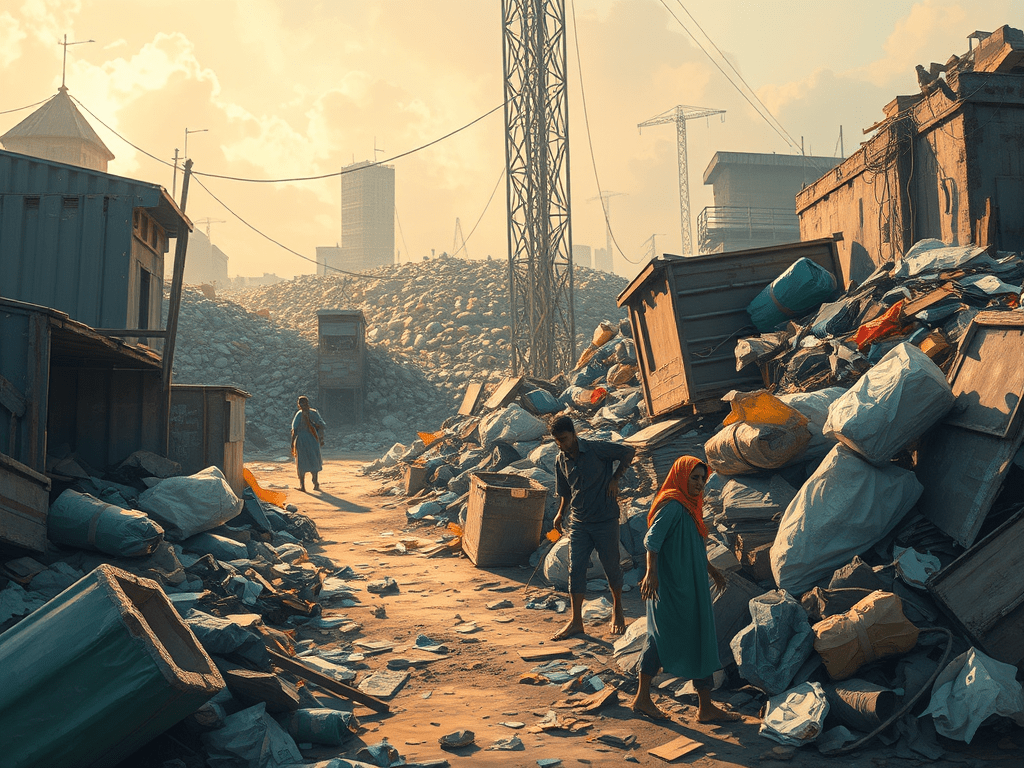
Recycling and waste recovery create more jobs than landfill disposal because they require collection, sorting, processing, repair, manufacturing from recycled materials and an increase in waste-to-wealth initiatives. This can formalize informal waste work, improve safety and wages, support small businesses and stimulate local manufacturing in many developing regions. Strengthening recycling systems can reduce poverty while protecting the environment.
Is Recycling Enough for Sustainability?
Recycling by itself is not enough. We should reduce, reuse, repair, upcycle, refuse, refurbish and re-purpose as often as we can.
Recycling is powerful but reducing waste at the source is even more effective.
Here are 10 strong reasons to recycle plastic more that work well for videos, posters, lessons, and awareness campaigns for your Eco Kids Project.

How Recycling Protects Oceans and Wildlife
When more recycling is done and less plastic waste gets into our rivers, before it goes into the oceans where fish, turtles, and birds can mistake it for food. Recycling helps reduce the amount of plastic entering these fragile ecosystems. When more people are aware of these problems, they will assist with recycling more often.
Reduces Pollution
When plastic waste is burned or left to break down in landfills, it can release harmful chemicals into the air, soil, and water. Recycling helps prevent this pollution.
Saves Natural Resources
Recycling plastic reduces the need to produce new plastic from petroleum and natural gas, helping conserve valuable natural resources.
Uses Less Energy
Making products from recycled plastic usually requires less energy than producing new plastic from raw materials, which helps reduce overall environmental impact.
Reduces Landfill Waste
Plastic takes hundreds of years to break down. Recycling helps keep large amounts of plastic out of landfills and reduces the space needed for waste disposal.
Supports Green Jobs
Recycling industries create jobs in collection, sorting, processing, and manufacturing new products from recycled materials.
Encourages Innovation
Recycled plastic can be transformed into many new products such as clothing, furniture, construction materials, and packaging, encouraging creative solutions for waste.
Helps Build a Circular Economy
Recycling allows materials to be reused again and again instead of being thrown away, supporting a system where resources stay in use longer.
Teaches Responsible Habits
When children learn to recycle, they develop habits that encourage environmental responsibility throughout their lives.
How Recycling Helps Protect the Planet for Future Generations
Recycling plastic is a simple action that can help reduce pollution and protect the environment so future generations can enjoy a healthier planet. The Eco-Kids Project will cause us to decrease pollution by building eco awareness with simplified eco-friendly solutions in games, books and songs. When it grows we can hope more recycling will be done and plastic pollution will no longer be a problem.
What Needs to Happen?
To decrease pollution and increase job creation, we need:
- Better waste sorting education
- Corporate responsibility for packaging
- Government investment in recycling infrastructure
- Incentives for reuse and repair
- Support for waste workers
- Innovation in material design
When these work together, pollution decreases and economic opportunity increases.
The Bigger Picture
Recycling can: Improve public health, create dignified employment, reduce environmental damage, support climate goals and build more resilient communities. When Governments are serious about decreasing poverty, they do all they can to encourage people to recycle more.
Recycling works best when it’s part of a system that values materials, not one that treats them as disposable.
Conclusion
Building environmental protection awareness can cause us to see increased recycling as people become more responsible for their environment. Poor communities can become the places where many sustainable jobs are created. When companies create added jobs by doing more recycling, the poor will find employment in many new ways as well.
Let us raise more children who are ready to learn more each day about the plans for more environmental solutions to be used to decrease pollution. They can become the ones who will decrease unemployment and increase sustainability. The Eco Kids Project can be supported in many easy ways and you will be transforming the way we all learn to protect the Earth. With the games, songs and Eco Kids Books families can read, sing and play as they become future focused. Will you be doing anything special for the Global Recycling Day this Year?
When I would go into a take out I would bring a tupperware with me. You should have seen the looks on their faces and they refused to allow me to use them. It is them same at the place where I purchase bulk food
I hope things will change as time goes by.. we need to keep on trying. Thanks for your support