🌞 Summer Holiday Eco Kids Project Inspires Young Environmental Heroes 🐢

Summer Holiday Eco Kids Project: Planning to make the future bright in the best way with eco-friendly solutions is important for us all. Engaging our children in eco-friendly activities during the summer holidays not only nurtures their creativity but also fosters a sense of responsibility towards the environment.

By exploring various sustainable practices, such as recycling and doing plastic crafts or community gardening, is a way to instill important lifelong values. Moreover, these initiatives can be shared through digital platforms, encouraging a broader community involvement and inspiring others to join in this crucial movement. Let’s pave the way for a greener future by empowering the next generation with the knowledge and skills they need to take care of our planet.


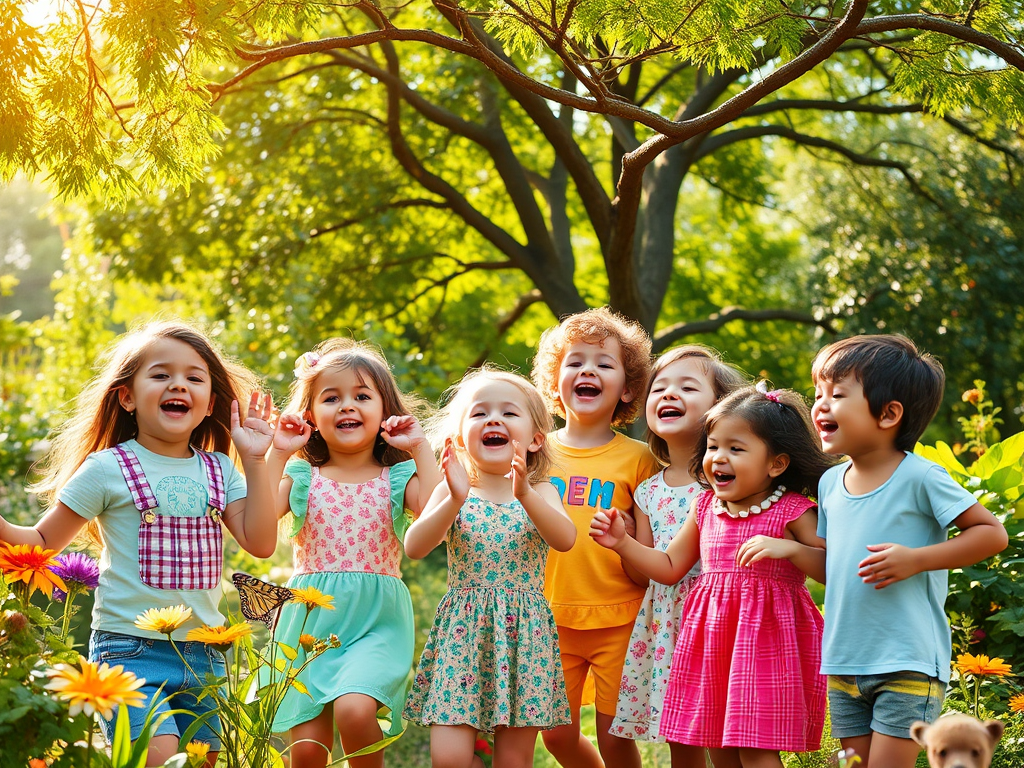
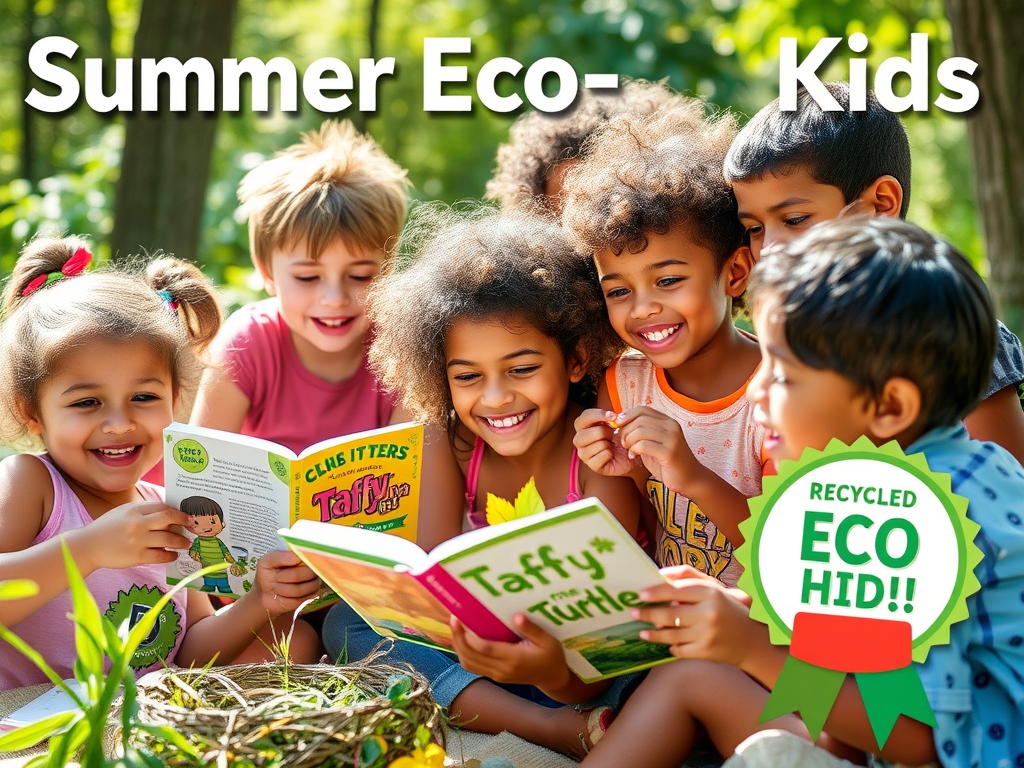
Summer fun and the building of eco awareness became friends

Fun Writings n’ Things Launches Creative Green Activities for Children This Summer

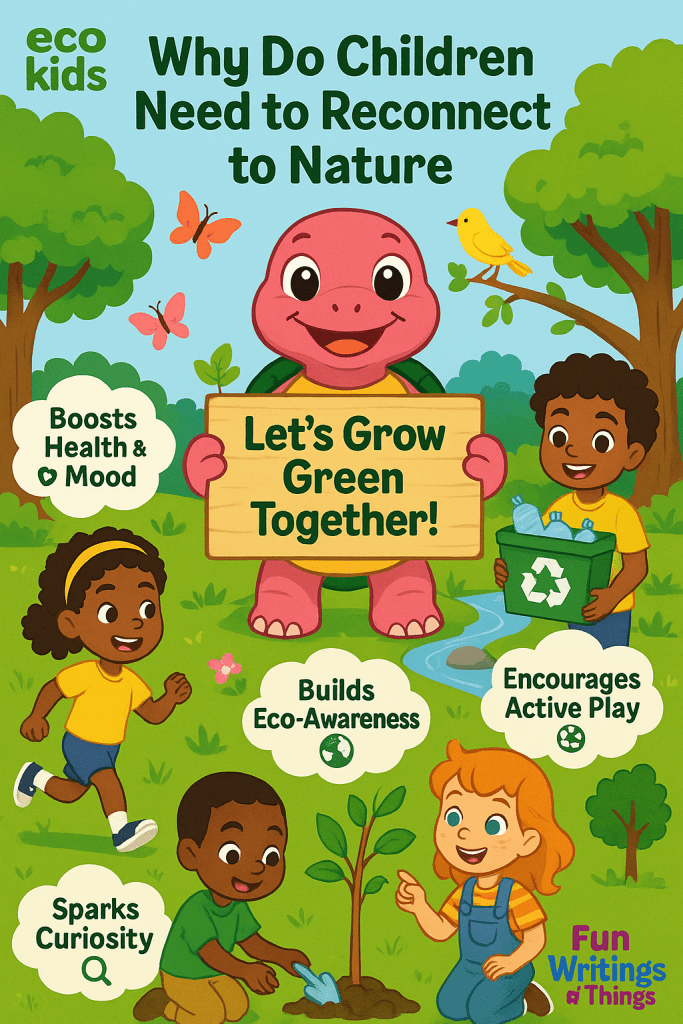
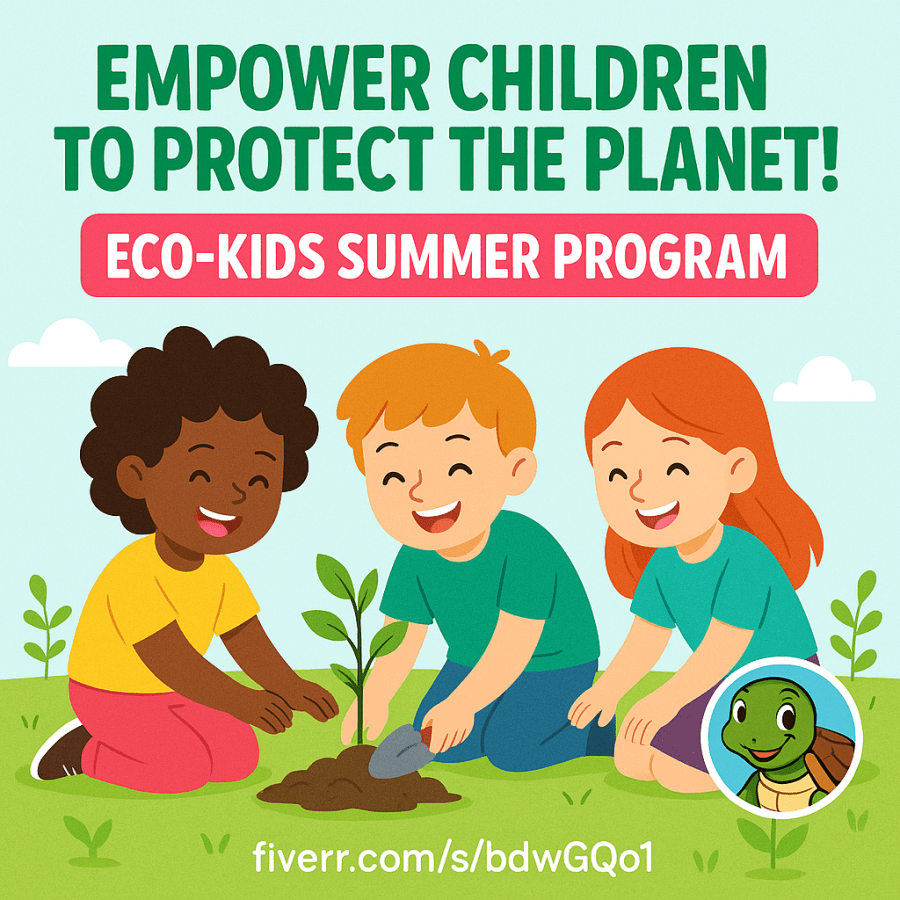
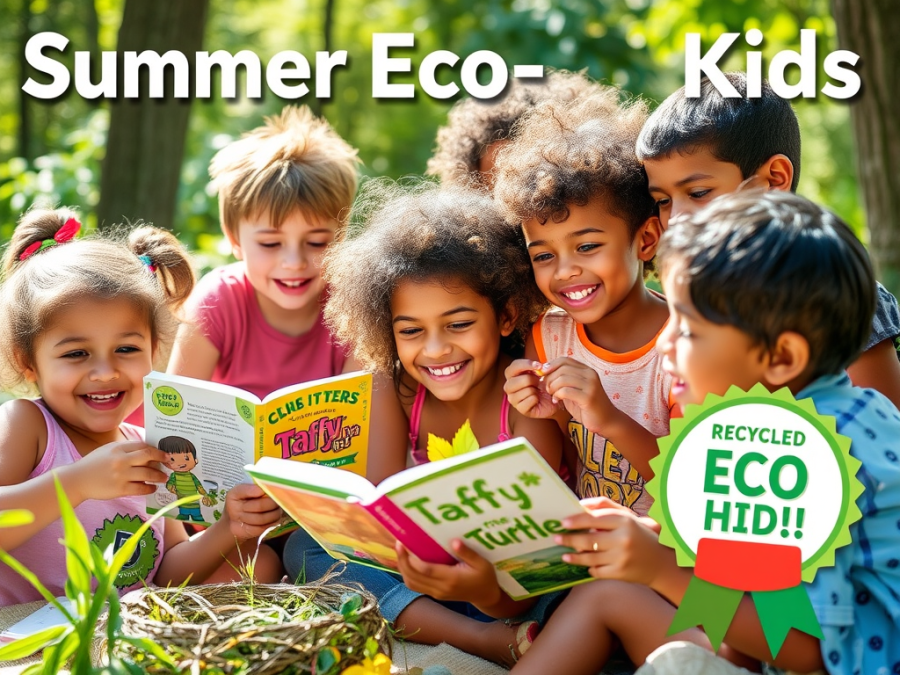
Children from around the world are invited to join the Summer Holiday Eco Kids Project — a fun-filled educational campaign designed to spark eco-awareness, creativity, and climate action in young minds. Hosted by Fun Writings and Things and centered around the beloved pink turtle character Taffy, this project encourages kids aged 3 to 12 to become Eco-Heroes through books, activities, crafts, and songs.

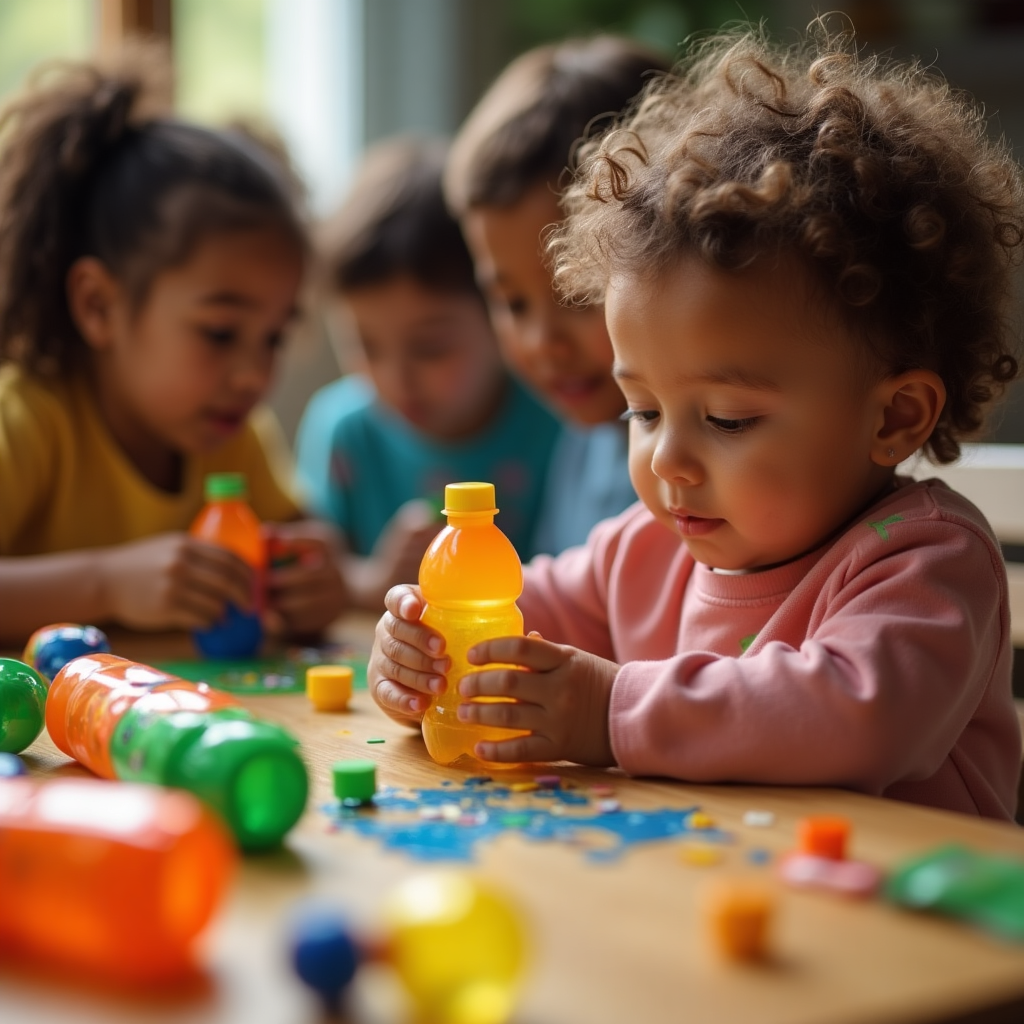
With schools closed and screens always on, this is the perfect time for kids to engage with meaningful activities that promote environmental values and real-world impact. The toddlers will be included in the Summer fun as they play with special toys made from recycled plastic. Tell them how they are helping to “save the planet” and how they are helping to make their future bright. The green toys are available online and your support of the company that makes them will lead to increased use of recycled plastic.

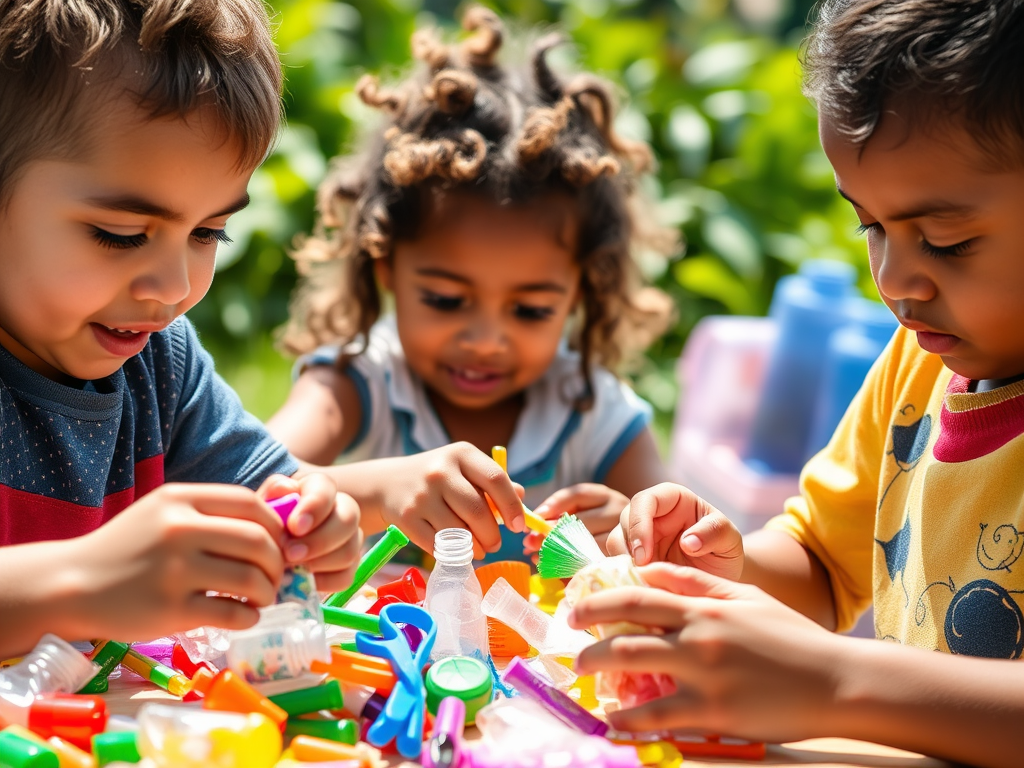
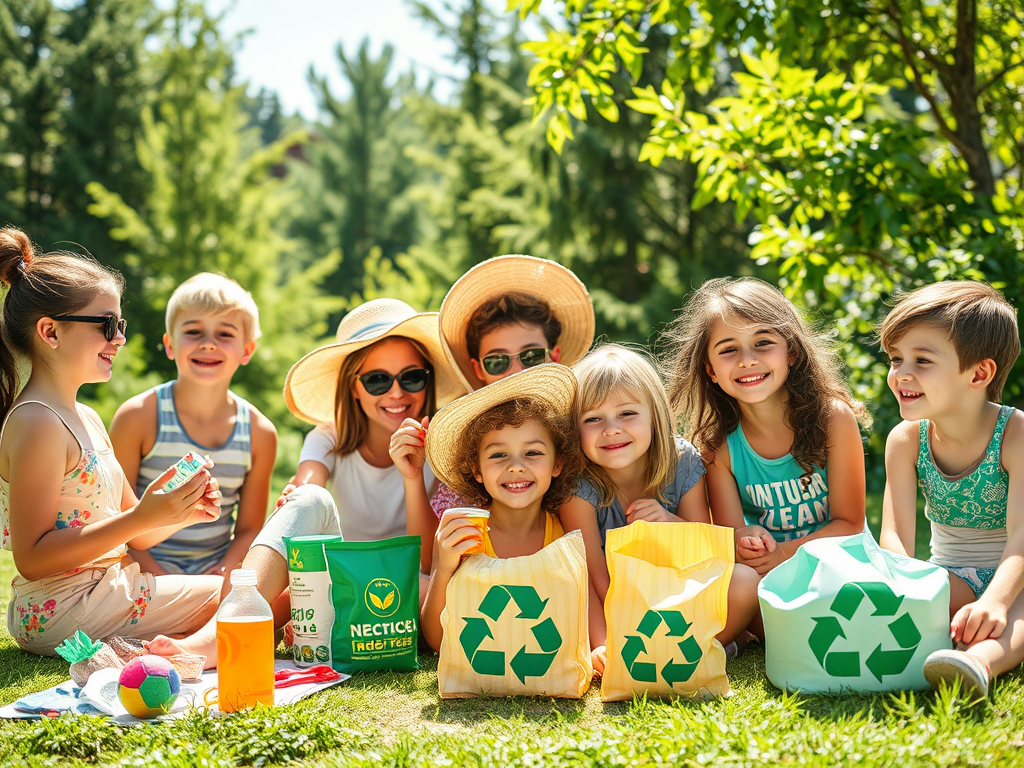
Eco activities for kids summer project
What’s Included in the Summer Holiday Eco Kids Project?


Eco-Themed Rhyming BooksEnjoy 17 colorful, engaging stories that teach kids about plastic pollution, ocean conservation, tree planting, using reusables, gardening, waste separation, recycling, reusing and other waste reduction plans.


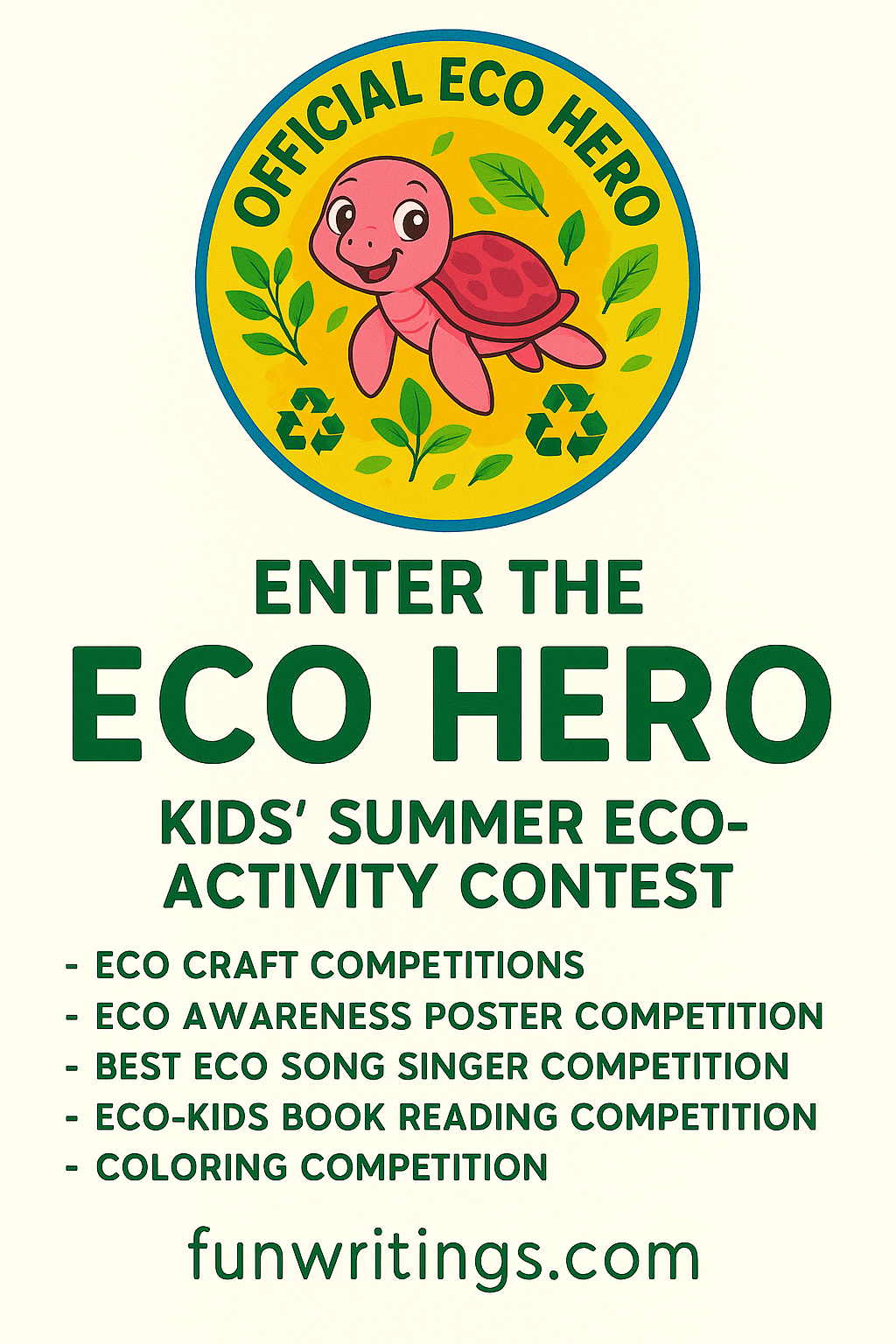
✅ DIY Craft Challenges – Turn everyday plastic waste into cool creations and learn how to reuse and recycle at home. Children will be having competitions to see who can collect the most plastic bottles, do the best craft with plastic and other waste, who can create more eco-friendly solutions for pollution, who can sing an eco-friendly kids song best and the fun green activities will keep on growing each day.


✅ Activity Books & Coloring Fun – Packed with puzzles, games, space for children ro write their own eco-friendly plans and eco-tips.


✅ Sing Along with Taffy – Enjoy original eco-songs on YouTube that make learning about sustainability fun and memorable.


✅ Eco-Club Starter Guide – Kids can create their own mini eco-club with friends or family, promoting teamwork and environmental action.
They will receive their badges online when they achieve their eco-friendly goals.

Why It Matters
Plastic pollution and climate change continue to threaten our planet. By teaching children through storytelling and play, we empower them to care, act, and innovate for a greener future. The project also supports UN Sustainable Development Goals, especially SDG 13: Climate Action and SDG 14: Life Below Water.

How to Get Involved


Simply begin purchasing eco-kids books to share, sharing this article with friends and loved ones, watching, subscribing on the channel, and sharing the kids eco songs and other videos on the Youtube channel to get involved so our pollution problems can be solved. Companies, Parents, teachers, libraries, and community groups are encouraged to share these resources and host their own Taffy Turtle Summer Challenge. Whether it’s a beach clean-up, eco-themed reading circle, or plastic craft showcase — every small action counts.

Companies can contribute to the eco-kids project in many ways
How Companies Will Invest and Benefit

Children are currently in school getting ready to begin their holidays. You can choose a school and offer to contribute ebooks or printed eco-kids books to the children. Simply visit the Amazon website and have them delivered to your school of choice. If you are not interested in improving your brand as a company that is interested in having a bright future by encouraging green action. If you want to be seen as a company that cares about the future of your customers. You can have the books delivered to you by Amazon or Bookfusion and you can send a representative to do a presentation and share posts on social media. You can’t lose when you choose to save the planet.

Cover for 'taffy Turtle loves to play'

📚 Books are available on Amazon and BookFusion
🎵 Eco songs can be found on YouTube – just search “Denise Salmon” or visit YouTube Channel
🌐 More info and downloadable content at www.funwritings.com

Let’s make this a summer of smiles, stories, and saving the Earth — one Eco-kids Book at a time.

Get ready to join the green adventure this Summer… the Eco-kids songs and books are ready and families with or without children will be playing and learning too. While they help more people to make it through. We all want to see a bright future and we can all get involved and get our pollution problems solved.

When children want to go green

and decide to act

They will have an impact

Eco- kids Summer fun
Conclusion

Knowing how much our children can benefit from outdoor activities, team work, increased eco awareness and increased creativity will cause this Summer Eco Project to be a huge success. There are eco-kids books on the website that are already approved for use in schools in Jamaica. The need for improved plans for our green future is growing. The increased use of robots and job loss might be causing stress. Toxic soil and toxic food has caused some parents to begin turning to gardening already. Children who are aware of the need for environmental care will assist in decreasing water and light bills so we can save both money and the planet. I’m sure you are ready to be a part of this new Green Adventure. Simply click on the links below to begin your preparation.

Build eco awareness in a great new way

[This article contains some affiliate links. If you purchase products through these links, we may earn a commission at no additional cost to you.]

The Powerful Benefits of Green Parenting: Raising Eco-Conscious Kids

Becoming a green parent and making eco-conscious choices in how you raise your children has benefits. They extend beyond the environment—they positively impact your family’s health, finances, and values. Children grow up focused on solving environmental issues and they are empowered with eco-friendly solutions. Here are other awesome benefits:

🌱 1. Healthier Environment for Children
  • Reduces exposure to harmful chemicals (e.g., in plastic toys, cleaning products, processed foods etc).
  • Promotes clean air, water, and less pollution in the home and community. Increased food security and the making of plans to restore the polluted places on the planet.
💚 Teaches Lifelong Eco-Values
  • Children raised by green parents are more likely to adopt sustainable habits.
  • Builds empathy, responsibility, and respect for nature.
green savings
💰 3. Saves Money in the Long Run
  • Reusable products (cloth diapers, stainless steel bottles, secondhand clothing and conservation in the home) cut costs.
  • Reducing waste and conserving energy lowers household bills.
  • Children who are raised by green parents are able to save money in more ways. They are always aware of the many eco-friendly tips and solutions they can use.
♻️ 4. Less Waste, More Conscious Consumption
  • Encourages minimalism and buying only what’s needed.
  • Less reliance on single-use items and disposables.
healthy meal prepared by a green parent
🍎 5. Healthier Eating Habits
  • Focus on organic, local, and plant-based foods benefits nutrition.
  • Reduces intake of processed or pesticide-laden foods.
  • Less spent for trips to the Doctor and medicines.
🌎 6. Positive Global Impact
  • Green parenting reduces your family’s carbon footprint.
  • Sets an example for others—small changes create ripple effects.
  • Makes it easier for countries to adapt to the steps they take to have a circular economy.
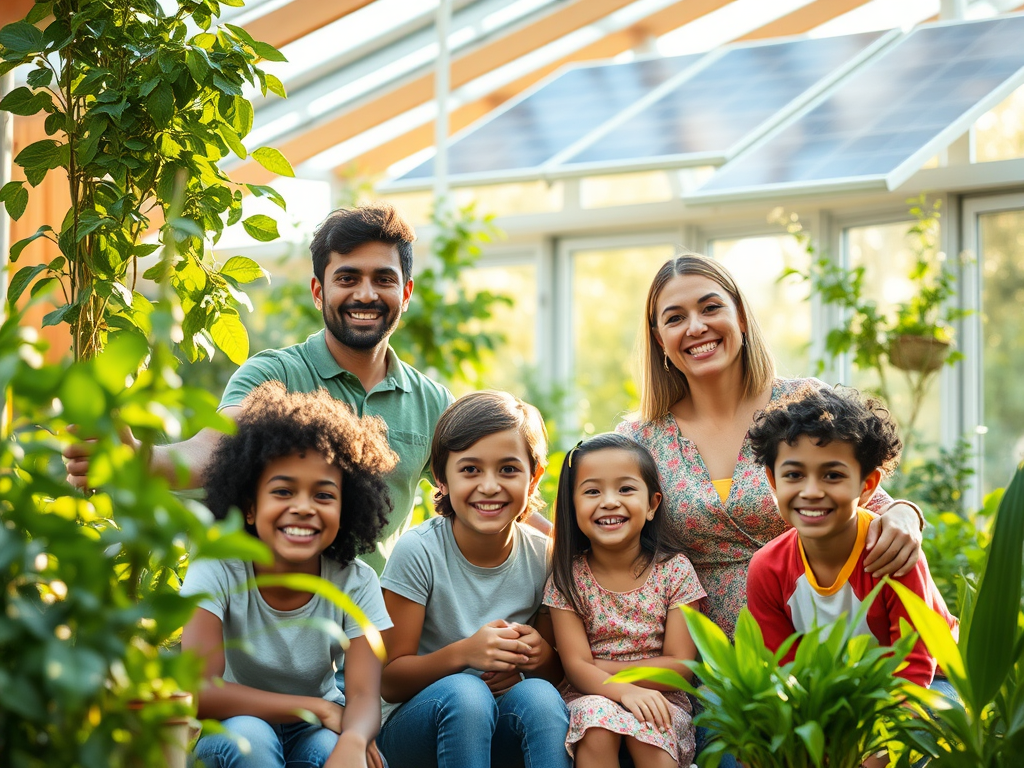
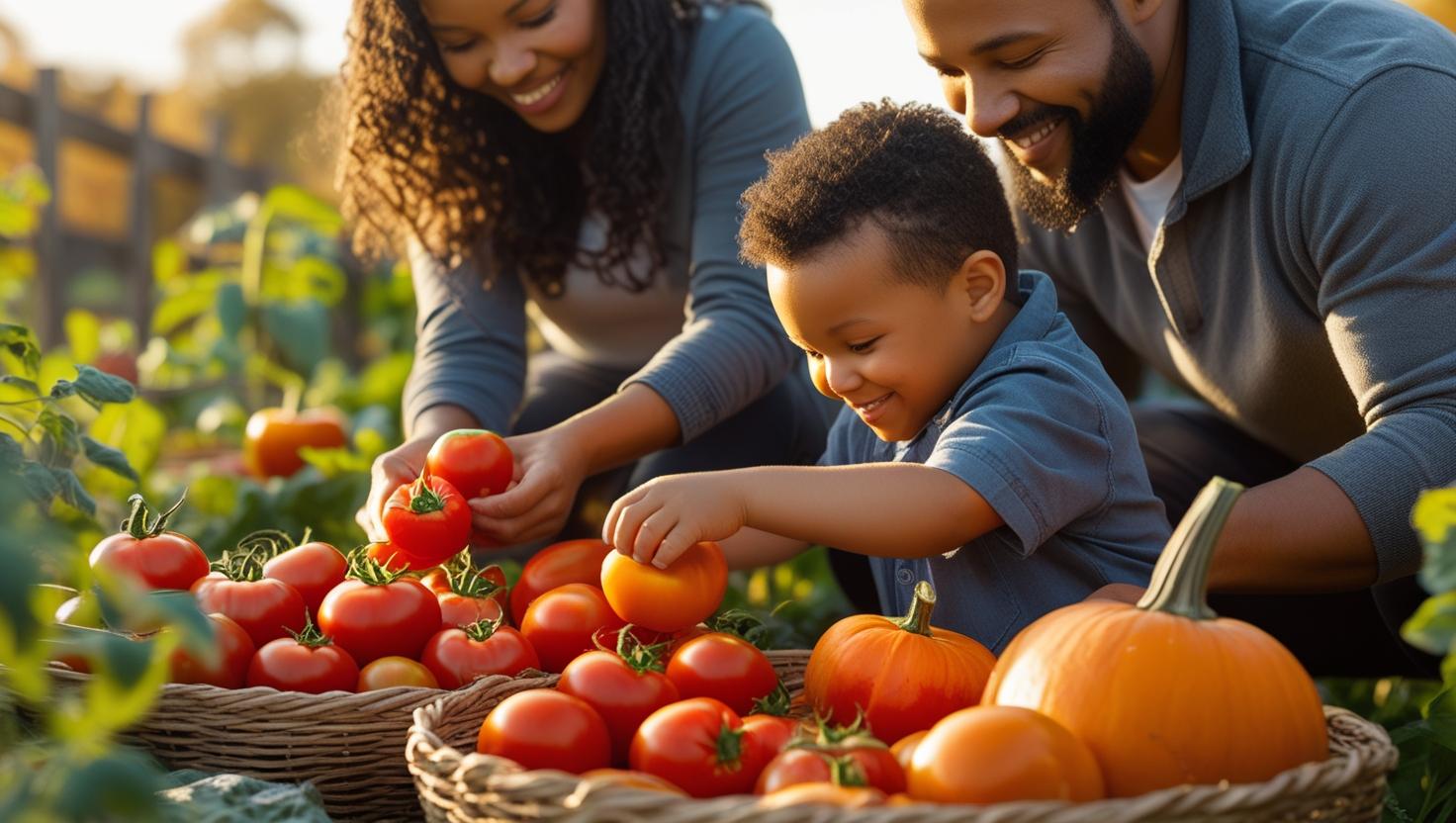
Family enjoying nature and spending time in their garden
🎨 7. More Creative Family Activities
  • Upcycling, gardening, DIY crafts from recyclables build creativity and family bonding.
  • Encourages outdoor play and appreciation for nature.
  • Children are more eager to learn how to cook and eat the vegetables they need to eat, when they do gardening.
family id garden with tomatoes and pumpkins
Conclusion:

Eco-conscious kids are always helping parents to save money by doing small tasks around the home in many ways. They unplug devices that are not being used, turn off lights and faucets to prevent waste. They are willing to use reusable containers and bottles more often and assist with collection of used things for recycling. Becoming a green parent is all about taking a great step in the right direction. It is all about making the future bright.

At Funwritings eco-friendly children’s books are written with all this in mind. Green parents are finding more ways to encourage their children to use environmental solutions as they protect the environment. They also find many new ways to enjoy nature. Children can easily continue walking in their green parents foot steps as they are growing up.

There are many added eco-friendly tips and solutions in eco-kids books and videos here for you to use as you contribute in many ways to the progress of the eco-kids project. More Eco-Clubs will begin in schools and communities as time goes by. Increased eco-awareness, added green job creation and decreased pollution is our goal. Are you a green parent? If you are not one as yet but you are planning to become one soon or if you are a green parent. A support system is here for you, simply click on the buttons below to get added simplified eco-friendly tips and solutions

Reusable Utensils

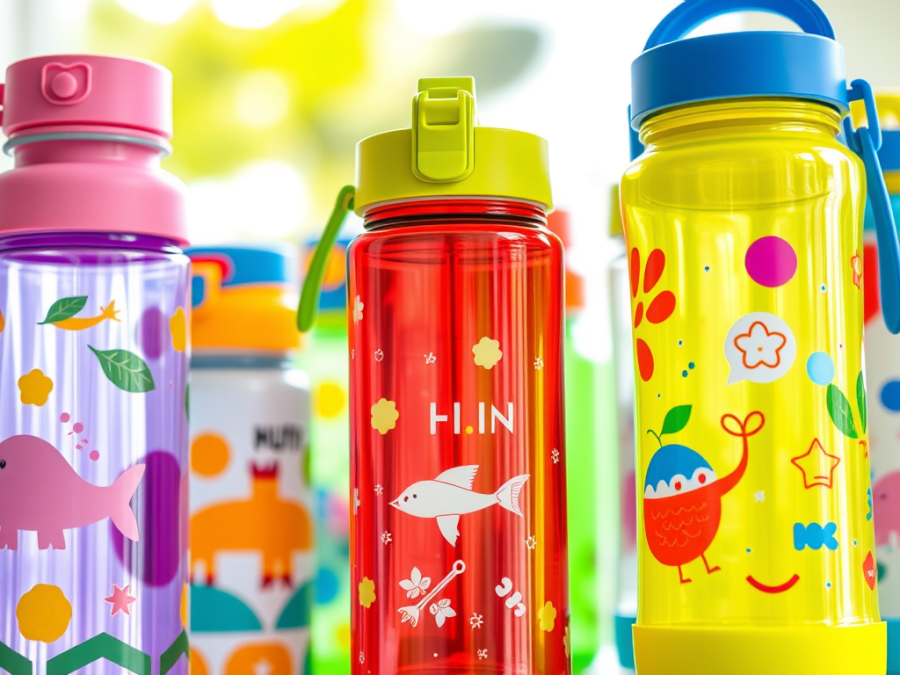
reusable water bottles

Reusable Water Bottles

kids eco journal

Kids eco Journal

children's book with eco friendly messages

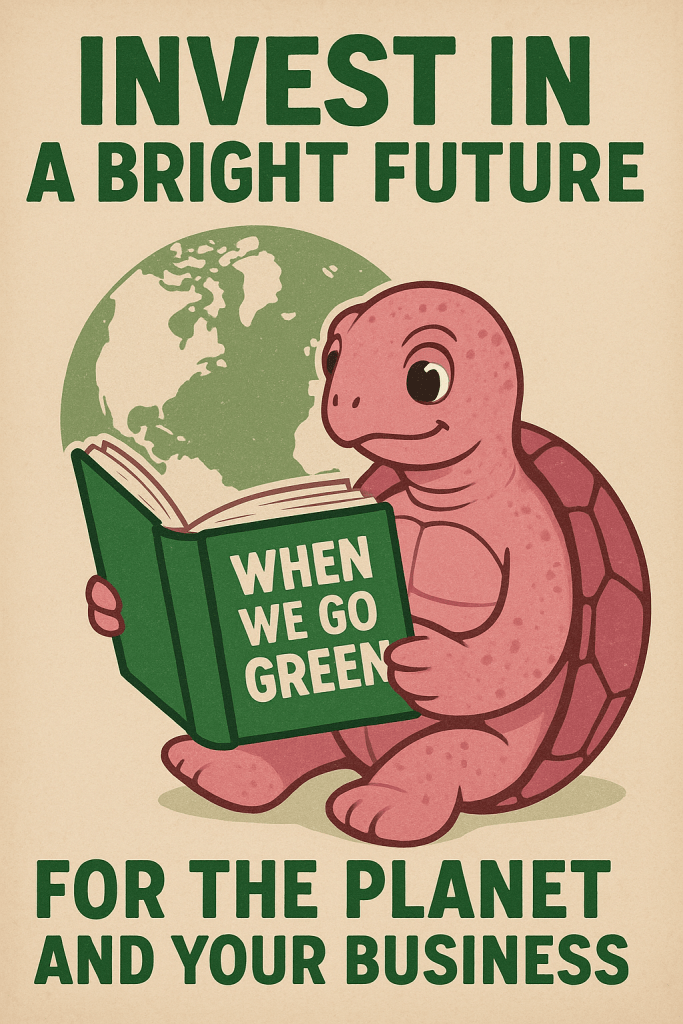
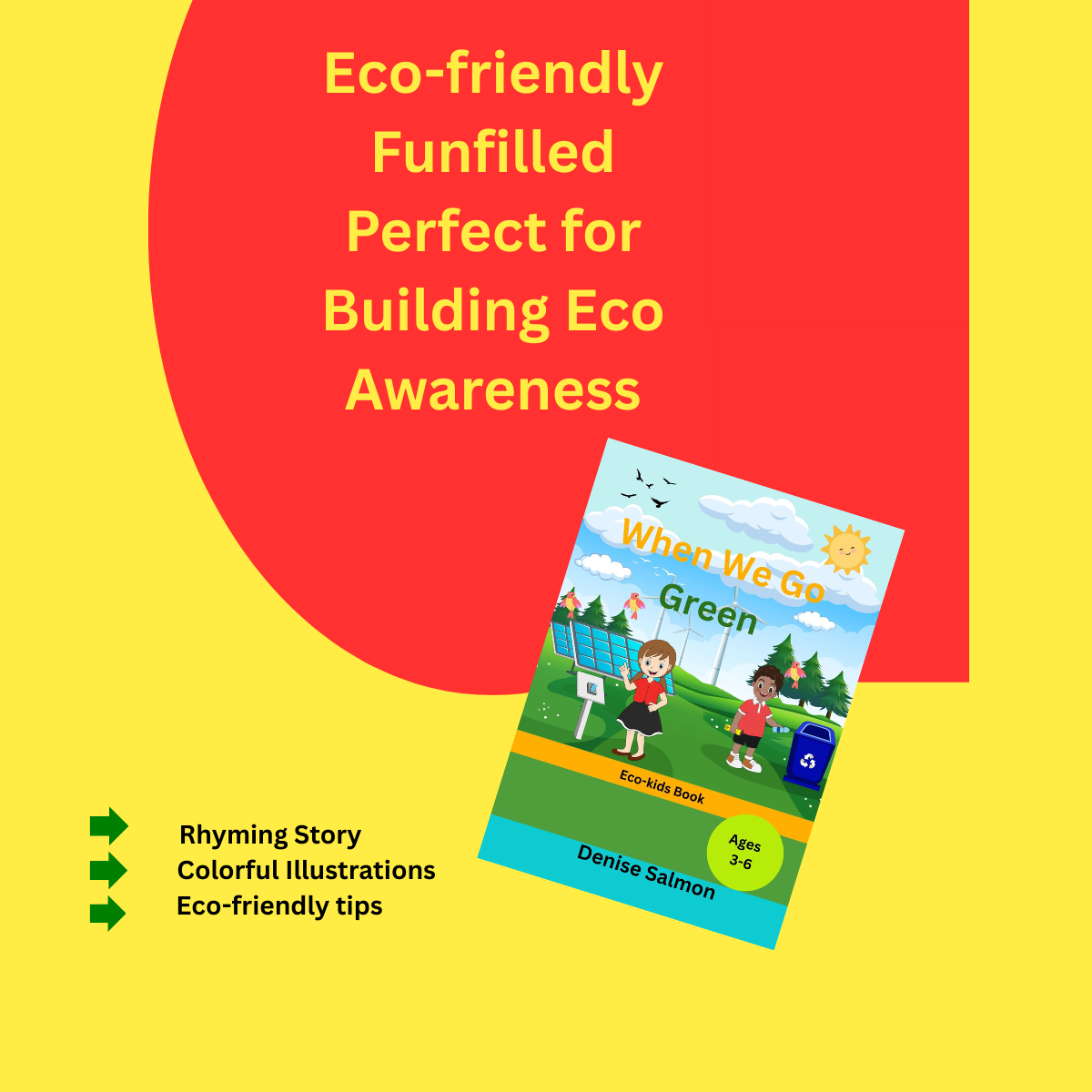
“When We Go Green: Eco-kids Book (Protecting the Environment and Saving the Turtles)” by Mrs. Denise P. Salmon is designed to teach children about sustainable living and environmental responsibility in an accessible, engaging way.

Key Features:

What Children Learn: The book covers essential environmental concepts including:

  • Waste separation and recycling
  • Tree planting activities
  • The three Rs: reducing, reusing, and recycling
  • Various eco-friendly activities they can do as they grow up
  • Green living practices and their importance

Educational Approach: The book aims to equip children with great information about green living so they can easily adopt sustainable practices When We Go Green: Eco-kids Book (Protecting the Environment and Saving the Turtles): Amazon.co.uk: Salmon, Mrs Denise P: 9789769704046: Books. It’s specifically designed to help parents explain environmental concepts to children in a simple, understandable way.

The book appears to be part of a broader effort to make environmental education fun and accessible for young readers, using rhymes and simple language to convey important messages about protecting our planet and living sustainably.

These books can be used to encourage more children to start eco clubs and grow environmental protection awareness in a new and better way. Having a sustainable future will not happen if we don’t get prepared for it.

Children can easily plan for their green future when they are informed. The eco-kids book project is expanding and the eco-kids videos were added. Empower children because you will benefit from the way they treat the environment in the future. Our sustainable future awaits.

[This article contains some affiliate links. If you purchase products through these links, we may earn a commission at no additional cost to you.]

Learn more about Tree Planting here

“Plastic in the Sea: Simple Plastic Pollution Solutions”

Simply talking about the plastic pollution problem in the Oceans and Seas and not doing enough to fix the problem is bad. The number of Cancer patients have increased and even children are having cancer. That was not the case in the early 1900’s and it is possible that the increased use of plastic is affecting humans. Should we simply continue on a path that leads to more micro plastic in the air and food and health problems or we should do more research and make important changes?

🌊 The Big Problem: Plastic Everywhere!

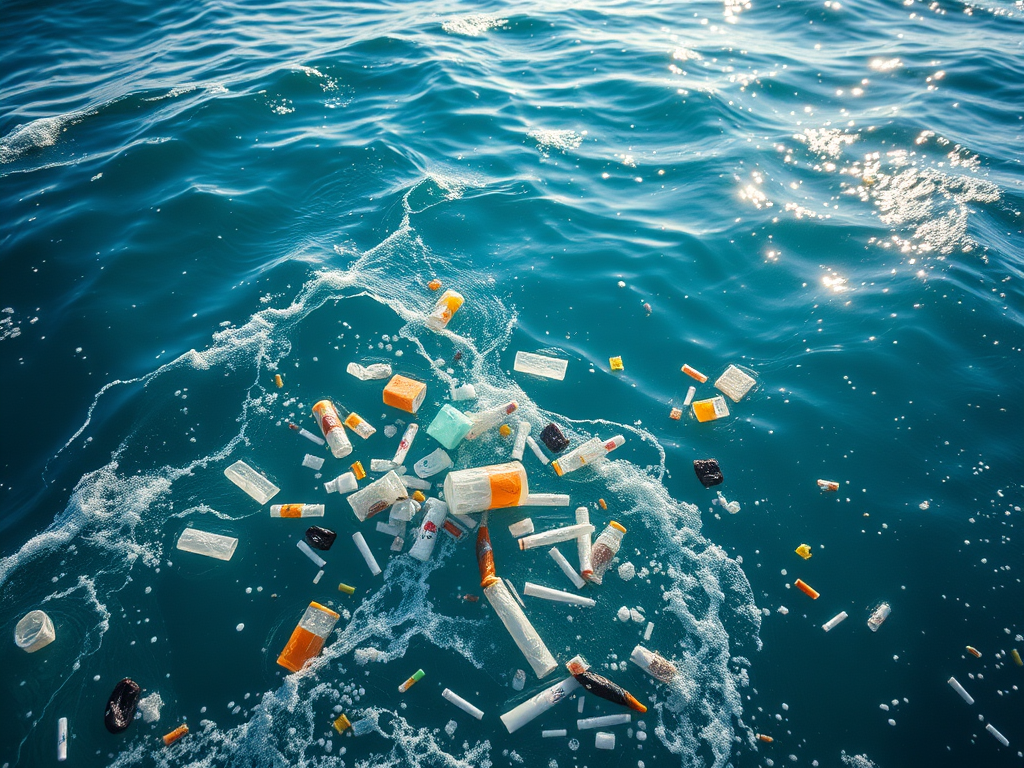
Did you know that every year, 8 million tons of plastic end up in our oceans? That’s like dumping one garbage truck of plastic into the sea every single minute! This alarming statistic highlights a major crisis that affects not only marine life but also the health of our planet. Our sea friends like turtles, fish, and dolphins are in trouble, entangled in plastic waste and mistaking it for food, which can lead to severe consequences for their survival. But YOU can be their hero!

By reducing our plastic consumption, participating in beach clean-ups, and supporting organizations dedicated to ocean conservation, doing more waste separation and recycling, we can work together to create a cleaner, safer environment for these magnificent creatures and ensure that our oceans remain vibrant for generations to come. Your actions matter; every effort counts!


plastic in turtle's mouth
📚 Learn the Facts First
Quick Ocean Plastic Facts:
  • 🐢 100,000 sea animals die each year from plastic pollution
  • 🍴 By 2050, there could be more plastic than fish in the ocean (by weight!)
  • 🥤 500 billion plastic bottles are used worldwide each year
  • 🎈 It takes 450 years for a plastic bottle to break down in the ocean
  • 🐋 Scientists have found plastic in the stomachs of whales in the deepest parts of the ocean

🎨 Fun Crafts to Learn & Help
Craft #1: Ocean in a Bottle Awareness Display

What You Need:

  • 1 clear plastic bottle (reuse one!)
  • Blue water or blue food coloring
  • Small plastic pieces (cut from old containers)
  • Sea animal toys or drawings
  • Glue, labels

How to Make It:

  1. Fill bottle 3/4 with blue water
  2. Add plastic pieces to show pollution
  3. Add plastic sea animals
  4. Shake gently and watch how plastic affects the animals
  5. Add labels like “This is what our oceans look like” and “Help us make it better!”

Use It: Show family and friends to teach them about ocean plastic!

Craft #2: Upcycled Plastic Will Not Harm Sea Creatures

What You Need:

  • Plastic bottles, containers, bottle caps
  • Paint, markers, googly eyes
  • Pipe cleaners, fabric scraps
  • Scissors (ask an adult to help)

Make These:

  • Turtle: Green plastic bottle + bottle cap shell + pipe cleaner flippers
  • Octopus: Upside-down plastic cup + 8 fabric strip tentacles
  • Fish: Plastic bottle + triangle tail + fins from bottle caps

We can give plastic a new life instead of throwing it in the ocean!

Children can play with these toys for years and give them to other kids as gifts as well. They will also become more creative when they are doing craft items like these.

Craft #3: “Before & After” Ocean Diorama

What You Need:

  • 2 shoe boxes
  • Blue construction paper
  • Cotton balls (for waves)
  • Toy sea animals
  • Plastic scraps vs. clean materials

Create:

  • Box 1: Polluted ocean with plastic trash and sad sea animals
  • Box 2: Clean ocean with happy, healthy sea creatures
  • Sign: “Which ocean do you want? You can help choose!”

These craft or diorama can be placed where eco club members meet and they can be shown to adults too. The ocean will no longer be a place where we only go when we want to swim and have fun. The beaches will be places we protect each day as we begin living in new ways.


📹 Educational Video Activities
Video Watching Guide:

Watch these types of videos with your family and discuss afterward:

🎬 Recommended Video Topics:

  • “Sea Turtle Rescue: Removing Plastic from Ocean”
  • “How Plastic Gets to the Ocean” (animated explanations)
  • “Kids Cleaning Beaches Around the World”
  • “Ocean Animals Without Plastic Pollution”
  • “How Recycling Works” (kid-friendly versions)

After-Video Activities:

  1. Draw What You Learned: Create before/after pictures
  2. Write a Letter: To a sea turtle explaining how you’ll help
  3. Family Discussion: “What plastic can we stop using this week?”
  4. Make a Plan: List 3 things your family will do differently

🏃‍♀️ Action Activities That Make a Real Difference
Week 1: Plastic Detective

Mission: Find all the single-use plastic in your house

  • Count plastic bottles, bags, straws, containers
  • Make a chart: “Plastic We Found”
  • Family Challenge: Reduce this number by half next week!
Week 2: Plastic-Free Lunch Challenge

Mission: Pack lunches without any single-use plastic

  • Use reusable containers and water bottles
  • Cloth napkins instead of plastic-wrapped ones
  • Metal or paper straws
  • Share: Take photos and show friends how cool plastic-free lunches look!
Week 3: Community Cleanup Hero

Mission: Organize a local cleanup

  • Get family, friends, or classmates involved
  • Get your Green Journal and pen or pencils
  • Focus on areas near water (parks, streams, beaches)
  • Count and Record: How many pieces of plastic did you collect?
  • Celebrate: Make certificates for all helpers!
Week 4: Spread the Word Campaign

Mission: Teach others what you’ve learned

  • Create posters for school or community centers
  • Make a short video with your family
  • Write to local newspapers about your plastic-reduction efforts
  • Start a Club: “Ocean Protectors” at school

🎯 Daily Actions That Add Up
Easy Swaps Kids Can Make:
  • Water bottles → Reusable bottles with fun stickers
  • Plastic straws → Metal, paper, or bamboo straws
  • Plastic bags → Reusable shopping bags (decorate your own!)
  • Plastic lunch containers → Bento boxes or glass containers
  • Balloons → Bubbles or reusable decorations
  • Plastic toys → Wooden toys or secondhand finds
At School Actions:
  • Start a “No Straw Fridays” campaign
  • Ask cafeteria to use less plastic packaging
  • Create a recycling awareness bulletin board
  • Organize “walk to school” days to reduce car pollution

🏆 Track Your Ocean Hero Progress
Create Your Own “Ocean Saver” Chart:

Week 1 Goals:

  • [ ] Used reusable water bottle 5 days
  • [ ] Said no to plastic straws 3 times
  • [ ] Picked up 10 pieces of litter

Week 2 Goals:

  • [ ] Taught 2 people about ocean plastic
  • [ ] Used reusable bags for shopping
  • [ ] Made one upcycled craft from plastic waste

Week 3 Goals:

  • [ ] Organized or joined a cleanup
  • [ ] Convinced family to try 1 plastic-free swap
  • [ ] Shared ocean facts with friends

Celebration Ideas:

  • Make an “Ocean Hero” certificate for yourself
  • Have a plastic-free pizza party with friends
  • Visit an aquarium to see the animals you’re helping
  • Create a photo album of all your ocean-saving activities

🌟 Remember: Every Action Counts!

You might think, “I’m just one kid, how can I make a difference?” But here’s the amazing truth:

  • If every kid avoided just 1 plastic bottle per week, that’s millions less bottles in our oceans each year!
  • When you teach 1 friend, and they teach 1 friend, your impact doubles and grows!
  • Kids like you have already helped remove tons of plastic from beaches worldwide!
  • Young activists have convinced entire cities to ban plastic straws!
Your Ocean Friends Are Counting On You! 🐢🐋🐠

Every time you choose reusable over plastic, every piece of trash you pick up, and every person you teach makes the ocean a safer, cleaner home for sea creatures. You’re not just a kid – you’re an Ocean Hero!


“The ocean connects all of us. When we take care of it, we take care of our planet’s future.” – Young Ocean Protector

Very Strong Brick – Recycled Plastic

Conclusion

We can save our sea creatures and create many sustainable jobs for more people. Help more children to have a great Summer holiday because fun and eco-friendly solutions became friends, they believe plastic pollution can end. Simply click below to help more children to learn about the great simplified eco-friendly solutions they can use each day as they send plastic pollution away. Simply Click on the buttons below to begin empowering children with simplified environmental solutions and creative plans in songs and books. Summer fun will be better this year.

green kids camera
baby drinking from cup

[This article contains some affiliate links. If you purchase products through these links, we may earn a commission at no additional cost to you.]

Click here to download it.

♻️ Reuse, Reduce, Recycle: How Kids Can Help the Earth

Children are inherently curious and anxious to learn, which opens up a world of possibilities for them. This eagerness to explore and understand their surroundings makes it incredibly easy for them to embrace the innovative plans made for having a green future. As they engage with concepts of sustainability, environmental protection, and renewable energy, their enthusiasm not only fuels their learning but also inspires those around them.

By nurturing their inquisitive nature and guiding them through practical activities, such as gardening or recycling projects, we can empower them to take an active role in creating a healthier planet. Their fresh perspectives and genuine desire to make a difference can lead to groundbreaking ideas and sustainable practices that contribute to a better future for all.

“Reuse, Reduce, Recycle” — with ideas on how kids can help in simple and fun ways: The Summer Eco Program for teachers, kids and parents, going green and fun-filled activities became friends at last.

Eco activities for kids summer project

☀️ The Summer Eco Program

♻️ Reuse. Reduce. Recycle.
🌿 Simple and Fun Ways Kids Can Help!

🌟 REDUCE – Use Less, Waste Less
  • Turn off the tap while brushing your teeth 🦷💧
  • Pack a zero-waste lunch – no plastic wrap! 🥪
  • Say no to straws and single-use plastics 🥤🚫
    🧠 Tip: Less waste = a happier Earth!

🌟 REUSE – Get Creative
  • Use jars as craft or snack containers 🎨🍬
  • Turn old clothes into costumes or tote bags 👚✂️
  • Decorate used paper for cards or notes 💌
    🌈 Challenge: Make a toy from things at home!

🌟 RECYCLE – Give Old Things New Life
  • Sort cans, bottles, paper, and plastic into bins 🗑️✅
  • Help your school or home start a recycling station 🏫🏡
  • Create a Recycle Relay Race with friends for fun! 🏃‍♀️♻️🏃‍♂️
    💡 Did you know? Recycling saves trees, water, and sea animals like Taffy Turtle!

🎉 Join the Fun in the Summer Eco Program!

Kids ages 3–12 can:
✅ Win prizes in eco-craft & recycling competitions
✅ Earn an Eco Hero Badge 🏅
✅ Share songs, posters, and book readings
✅ Track progress on a printable Green Checklist

📚 Visit: Empower Children to Protect Our Planet Today
🎵 Watch our songs on YouTube
📖 Read our books on BookFusion and Amazon


🌟 1. Reduce – Use Less
  • Turn off lights when leaving a room.
  • Use both sides of paper for drawings or homework.
  • Take only what you need at lunch or snack time to avoid food waste.
    🧠 Why it matters: Using less means fewer things go in the trash!

🌟 2. Reuse – Use Things Again

  • Turn old jars into pencil holders.
  • Use cloth bags instead of plastic ones.
  • Make crafts with boxes, bottles, or newspaper.
    🎨 Why it matters: Reusing gives old things a fun new life!

🌟 3. Recycle – Turn Old into New

  • Sort paper, plastic, and cans into bins at school or home.
  • Recycle old books by giving them to younger kids.
  • Join or start a recycling club at school.
    💚 Why it matters: Recycling saves trees, energy, and the ocean!

🌱 What Kids Can Do Today:

✅ Bring a reusable water bottle
✅ Make posters to teach others
✅ Help collect bottles for recycling
✅ Write a poem or song about saving the Earth
✅ Read eco-kids books like “Saving Taffy Turtle ” to learn more!

Conclusion

If you are a teacher or a parent who want children to enjoy the great outdoors more. The Summer Eco-kids Program is perfect for you and the little ones. They will be learning how to decrease pollution and bills while they sing, read, compete and have fun. There is no better plan for Summer out there. There will be many craft ideas for old plastic for them to learn about. The will be developing new green habits and they will keep them for life. Making their world a better place. Click on the buttons below and start getting ready for a fun-filled Summer.


eco kids with their books

[This article contains some affiliate links. If you purchase products through these links, we may earn a commission at no additional cost to you.]

Sweden Leading the Way – 99% Waste Recycled

The common sense approach is profitable, and it should be embraced by every country on the Planet, as it not only contributes to economic growth but also fosters a sustainable future for generations to come. Now that Sweden has proved that recycling is a great solution for pollution, showcasing its remarkable success in significantly reducing waste and promoting environmental responsibility, other nations can learn valuable lessons from this example.

By implementing similar strategies and empowering citizens to participate in recycling initiatives, countries can greatly enhance their ecological footprint while also creating jobs in the green economy. This holistic approach not only addresses the pressing issue of pollution but also elevates community awareness about the importance of sustainable practices, thus paving the way for a cleaner and healthier planet for all.

Now you know how Sweden did it, you’ll say it can be done? Encouraging parents to plan with their children for a sustainable future and become the change they want to see is great. The key is to make collaboration, relevance, and empowerment a central to the message. Here’s a multi-pronged approach you can use, the Eco-Kids Book Project has books that are filled with simplified environmental solutions for families. Families can go green together and live sustainably. Keeping bills low and investing in new income generating green ideas:


🌱 1. Lead with Purpose: Show Why It Matters

Message to parents:
“Your children are growing up in a world facing environmental challenges — but they can be part of the solution. When you involve them in eco-conscious habits and planning, you’re planting seeds of responsibility, innovation, and hope.” They will begin assisting with your efforts to conserve, making it easier for you to manage your finances.


👪 2. Promote Family-Based Eco-Goals

Encourage families to:

  • Create a “Green Family Plan” (e.g. reduce plastic use, start a garden, compost, reuse materials).
  • Set monthly eco challenges like a “Zero-Waste Week” or “Beach Clean-Up Day.” The plastic bottles can be taken to a recycling center where you can earn.
  • Use visual trackers or reward charts for kids to see their impact.

A downloadable Eco Action Plan Template is found on this website at the end of page.


📚 3. Use Storytelling to Spark Conversations

The Eco-kids books are a great catalyst. Add prompts about the topics written about in them:

  • “What would you do if you were Taffy Turtle?”
  • “How can we help animals like the ones in this story?”
  • Having mini family discussion or sharing activity prompts in the home, will help to keep sustainability increasing each day.

🎨 4. Empower Kids to Take the Lead

Encourage parents to:

  • Let kids create posters or eco-reminders around the house.
  • Encourage them to play with the toys that are made from recycled plastic.
  • Start a mini eco-club with friends, guided by parents. Giving these green-kids eBooks to children to read will cause them to be interested in joining the club. They are filled with green living tips, brightly colored illustrations and rhymes.
  • Share their eco-actions on social media (with supervision) to inspire others. Children will like to see the great comments congratulating them.

🛠️ 5. Make It Practical & Fun

Share easy, age-appropriate activities:

  • Crafting with recyclables
  • Making DIY cleaners
  • Planting seeds in reused containers
  • Going on eco scavenger hunts and taking photos with their special cameras.

You can also encourage them to document these with photos or drawings.


📣 6. Encourage Shared Commitment

Remind parents: “When children see their parents walking the talk — bringing their own bags when they go shopping, saying no to straws, picking up trash, separating waste, etc. — they learn these actions aren’t optional. They’re essential.”

Conclusion:

“When families plan together, they plant hope together. Every small eco-step — made hand-in-hand — builds a greener tomorrow.” Sustainable practices and the use of environmental solutions will transform lives and cause us to have a clean environment. The eco-kids book project can be supported in many ways as we plan for the green future in the best way. The Eco-kids Summer Program will help more children to understand the importance of environmental protection. Soon they will be making their own future bright. Click on the buttons below to visit the Eco-kids Book Shop and the Eco-kids Songs Channel. Remember, it is possible for us to live in a clean environment like the Swedes how now have decreased energy cost.


[This article contains some affiliate links. If you purchase products through these links, we may earn a commission at no additional cost to you.]

Eco- kids Summer fun

The Green Summer Challenge will begin the Summer during the holidays. Begin telling children about it, they will want to begin getting ready to use old plastic for craft projects. They can begin putting together the things they will need.

[This article contains some affiliate links. If you purchase products through these links, we may earn a commission at no additional cost to you.]

Burning Plastic-Strong Global Warming Effects and Health Hazards

Even though Climate Change is seen by some people as a problem created in the minds of the rich, as they try to extract more money from the poor. I believe it can’t hurt us to decrease the burning of plastic. It would be good, less plastic could be burned if the problem got more of our attention as the summers get hotter in some places. It is said that burning plastic does cause increased greenhouse gas production. When plastic is burned, the release of several types of greenhouse gases occur:

  1. Carbon dioxide (CO2) – The carbon in plastic is converted to CO2 during combustion, directly contributing to greenhouse gas levels.
  2. Methane (CH4) – Incomplete combustion can produce methane, which has a global warming potential about 25 times higher than CO2 over a 100-year period.
  3. Black carbon – While not a gas, these particulates from incomplete combustion have strong warming effects in the atmosphere.

Beyond greenhouse gases, burning plastic also releases toxic chemicals like dioxins, furans, mercury, and polychlorinated biphenyls (PCBs), creating additional environmental and health hazards. If this information was advertised in more places, do you think we would see increased environmental protection ?

burning plastic

Modern waste-to-energy incineration facilities can reduce these emissions through high-temperature combustion and pollution control systems, but open burning of plastic waste (common in areas with inadequate waste management) is particularly harmful for both climate change and local air quality.

The relationship between plastic recycling and air pollution

Recycling plastic can help reduce air pollution caused by burning plastic, but it’s not a simple or complete solution. While recycling prevents the release of toxic emissions that would occur during incineration, the overall impact depends on several factors like recycling rates, processing methods, and overall plastic consumption.

The most significant air pollution reduction comes from preventing plastics from being burned in the first place. However, current global recycling rates are quite low (around 9%), which means most plastics still end up in landfills or being incinerated. To truly decrease air pollution, we need a comprehensive approach that includes reducing plastic use, improving recycling technologies, and developing more sustainable alternatives to plastic.

plastic bottles
Increased Recycling

A low 9% of plastic recycled should be increased significantly, as this statistic highlights a critical failure in our current waste management systems and environmental sustainability practices.

An increase in the recycling rate is essential not only for reducing the immense amounts of plastic waste that end up in landfills and oceans but also for conserving valuable resources and promoting a circular economy. By implementing better policies, investing in innovative recycling technologies, and fostering public awareness about the importance of recycling, we can work towards achieving a higher recycling rate that benefits both the planet and future generations.

How we Can See Increased Recycling

Increasing recycling can happen when we build eco-awareness in a new and better way. By integrating environmental education into school curriculums and community programs, we can encourage children to begin learning about the problem and the solutions from a young age. Interactive workshops and hands-on activities, such as organizing recycling drives or creating art from recycled materials, can make the learning process engaging and impactful.

Furthermore, involving families in these initiatives helps to reinforce the lessons at home, fostering a culture of sustainability and responsibility. As children grow up with a deep understanding of environmental issues, they will be better equipped to make informed decisions and contribute to a healthier planet in the future.

baby drinking from cup
A Change in the Way we Shop

We can begin purchasing more of the things made out of recycled plastic. Getting more reusable bottles and containers. The recycling businesses can grow faster when more people are aware of the need for environmental care and do more waste separation. The system we have in place now is bad for the environment. We could see a lot more reusing, recycling and reducing of plastic happening if more individuals were aware of the health and economic benefits of sustainability. Even the toys we buy can give us a way to tell our children about sustainability. Green toys made from recycled plastic are now available.

A New way to Manage plastic waste

There are simple but great solutions for plastic pollution, let us build eco-awareness in a new and better way. There will be no need for all the work to get the plastic out of the rivers if we use more bins to collect it and send it to the factories to make new products.

Conclusion – Call To Action

Giving children more access to simplified environmental solutions is now possible. Parents, teachers and other adults can easily give children eco-friendly solutions. The children’s book series and youtube channel about environmental protection can be supported easily online. Click on the buttons below to support the eco-kids book project in many ways. You will be helping to empower the future focused children who want to have a bright future. The Summer Eco-Kids Program is in need of more support.

[This article contains some affiliate links. If you purchase products through these links, we may earn a commission at no additional cost to you.]

Why do smart companies invest in the Eco-Kids Project?
Because sustainability isn’t a trend—it’s a necessity.
And nothing builds brand trust like supporting the planet’s future protectors. 💚🌿

GreenGeneration #EcoPartnerships #ImpactMatters

The Hidden Cost of Bauxite Mining and How We can Fix it

People complain about bauxite mining in countries where mines are close to their homes. They have dust particles settling on their furniture. The dust from the bauxite mining gets into the air and cause health problems. Eventually, the many doctor visits cost more than they can afford, even if they are working at these Bauxite Mining Companies. There are other serious environmental issues we should mention as well. Bauxite mining, while essential for producing aluminum, can have serious negative impacts on both human health and the environment. Here’s why:


🌍 Environmental Impacts of Bauxite Mining
  1. Deforestation & Habitat Loss
    • Large areas of forest are cleared to access bauxite deposits, destroying habitats for countless species and reducing biodiversity.
    • Soil erosion and loss of fertile topsoil often follow deforestation.

When more people are aware of these problems they will understand the importance of recycling. More new products might be made from the old ones. The growth of sustainable jobs can cause economic growth if more attention was given to this issue.

  1. Water Pollution
    • Mining generates toxic red mud, a by-product that can contaminate nearby rivers and groundwater if not managed properly.
    • Runoff from mining sites can carry heavy metals and sediment into waterways, harming aquatic life.
  2. Air Pollution
    • Dust and emissions from mining machinery and processing plants contribute to air quality degradation.
    • Airborne particles can settle on vegetation, affecting nearby crops and ecosystems.
  3. Landscape Degradation
    • Open-pit mining drastically alters the landscape, leaving scars that are difficult and expensive to rehabilitate.
    • The land may become unsuitable for agriculture or human settlement afterward.

bauxite dust and the illness it causes
🚨 Health Impacts of Bauxite Mining
  1. Respiratory Problems
    • Workers and nearby communities may inhale fine dust particles, leading to asthma, bronchitis, and other lung conditions.
  2. Exposure to Toxic Substances
    • Mining can release aluminum particles, heavy metals, and other toxins into the air, soil, and water, increasing the risk of cancer, organ damage, and neurological disorders.
  3. Waterborne Illnesses
    • Contaminated water sources can spread diseases or cause long-term health issues if consumed or used for farming.
  4. Noise Pollution
    • Continuous mining operations can lead to hearing damage and disturb sleep patterns and mental well-being for nearby residents.

Sustainable Alternatives & Solutions

Rehabilitation: Replanting forests and restoring mined land can reduce long-term environmental damage.

Safer Practices: Enforcing stricter regulations and using cleaner technology can lower pollution.

Recycling Aluminum: Reduces the need for new bauxite mining, saving energy and minimizing environmental impact.

More Recycling – A Solution:

There are significant global efforts to increase the recycling of aluminum products, driven by the urgent need to reduce environmental damage from bauxite mining and to conserve energy. Here are some key initiatives and facts:


♻️ Why Aluminum Recycling Matters
  • Recycling aluminum saves up to 95% of the energy needed to produce new aluminum from bauxite.
  • It also reduces greenhouse gas emissions and avoids generating toxic by-products like red mud.
  • Aluminum is infinitely recyclable—it can be recycled over and over without losing quality.

🌍 Global Recycling Efforts

🇪🇺 Europe

  • The EU mandates high recycling targets for packaging waste, including aluminum cans and foil.
  • Many countries have deposit return schemes to encourage can recycling.

🇺🇸 United States

  • Organizations like The Aluminum Association and Can Manufacturers Institute are pushing for increased aluminum recycling rates.
  • Some states offer cash refunds for returned cans, increasing public participation.

🇯🇵 Japan

  • Has one of the highest aluminum can recycling rates in the world—over 90%.
  • Well-established systems for sorting and collecting recyclables.

🏭 Corporate & Industrial Initiatives

  • Coca-Cola, PepsiCo, and other beverage companies are investing in closed-loop recycling to recover all aluminum cans they produce.
  • Aluminum producers like Novelis and Hydro are building large-scale recycling plants to process used aluminum back into new products.

🧠 Education & Innovation

  • Schools and NGOs can promote eco-education programs to teach kids and communities the value of recycling aluminum.
  • Innovation in reverse vending machines, smart recycling bins, and AI sorting systems is making recycling more efficient.

🚀 What You Can Do

Our children can be told about the destructive plans made in the past and what we can do to change them now.

  • Recycle all aluminum cans, foil, and trays.
  • Support brands that use recycled aluminum.
  • Encourage local schools and eco-clubs to start aluminum collection drives.

Conclusion:

Now we know how important recycling of aluminium products have become. We can encourage more people to collect old things made from aluminium and find a recycling center to take them to. We all wouldn’t want bauxite mining to destroy our health. Let us think about the health of the people who are affected by the mining of bauxite. Supporting the eco-kids book shop online is another great thing to do. Children can make a plan to live in a sustainable way. Simply click on the buttons below and place orders for the books that are filled with eco-friendly tips and solutions.

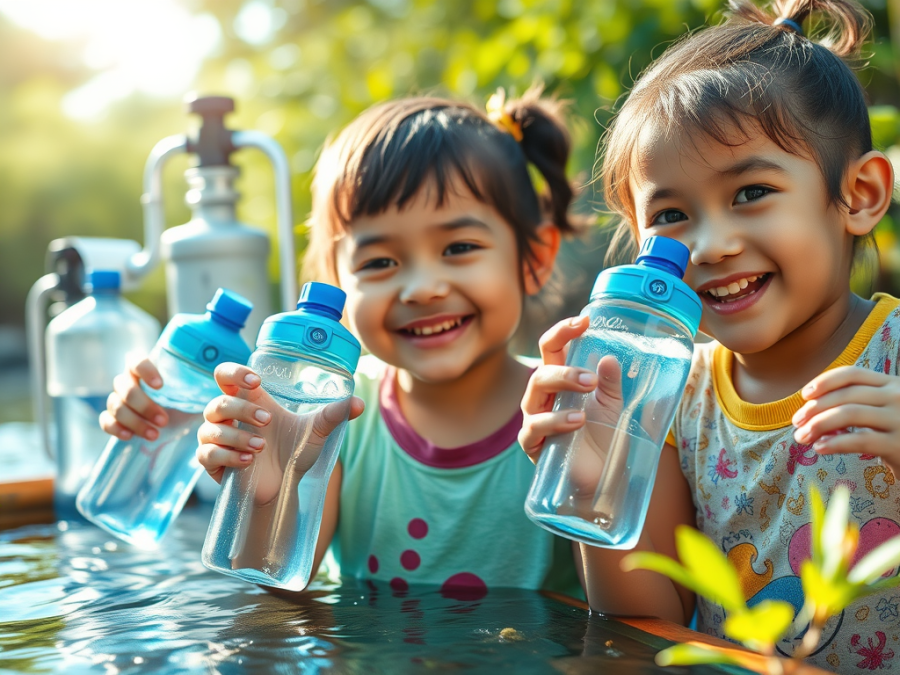
Encourage children to use more reusable bottles and containers as they plan to have a sustainable future.

Parents are also teaching children to save money when they give them reusable containers. They will be spending less on single-use- plastic over time.

[This article contains some affiliate links. If you purchase products through these links, we may earn a commission at no additional cost to you.]

………………………………………………………………………………………………………………………………………………………..

Did you know that mining bauxite for aluminum can poison water, destroy forests, and harm communities?
💡 But there’s a brighter path — recycling aluminum uses 95% less energy and protects our planet!

  1. Learn how bauxite mining harms health and the environment — and explore powerful solutions like aluminum recycling and eco-friendly alternatives.
  2. Discover the dark side of bauxite mining and how sustainable practices and recycling can reduce pollution, deforestation, and health risks.
  3. Bauxite mining creates toxic red mud and pollutes water. See how we can fight back with education, recycling, and green innovation.
  4. Explore the impact of bauxite mining on forests, communities, and climate — and the solutions that start with you.
  5. Find out why bauxite mining is dangerous and how aluminum recycling can protect our planet’s future.

Primary Keywords (High Search Intent & Relevance)

  • How bauxite mining affects local communities
  • Top countries affected by bauxite mining
  • What is red mud from aluminum mining
  • How schools can teach about bauxite mining
  • Creative ways to promote aluminum recycling
  • How to reduce bauxite mining damage

“Why Sea Creatures Need Our Help” – real facts and more for kids

Without a deep appreciation for the planet and how we can benefit from protecting it, the sea creatures will continue suffering in silence. The industrialized fishing practices relentlessly strip the oceans of their inhabitants, devastating the already fragile ecosystems and destroying the corals and the sea floor in the process. This destruction has far-reaching consequences, as there will be nowhere for young fish to stay until they are strong enough to survive, leaving them vulnerable to predation and environmental stresses. As the delicate balance of marine life is disrupted, entire species face the threat of extinction, and the future of our oceans hangs in the balance. It is essential that we recognize our responsibility to safeguard these vital habitats and take action to ensure that future generations can experience the rich biodiversity of underwater life.

🐢 Meet Our Ocean Friends

Our oceans are homes to amazing creatures like sea turtles, dolphins, whales, seahorses, and colorful fish. But these incredible animals are facing big problems, and they need our help!

🗑️ The Plastic Pollution Problem

What’s Happening:

  • Every minute, a garbage truck full of plastic gets dumped into our oceans
  • There are over 5 trillion pieces of plastic floating in the ocean right now
  • Some areas of ocean have 6 times more plastic than sea life
plastic in the ocean

How It Hurts Sea Animals:

  • Sea Turtles mistake plastic bags for jellyfish (their favorite food) and eat them
  • Seabirds feed plastic pieces to their babies thinking it’s fish
  • Whales and Dolphins can get tangled in plastic fishing nets
  • Fish eat tiny plastic pieces that make them sick
  • Seahorses grab onto plastic instead of seaweed to rest

🌊 Other Ocean Problems

Pollution: Oil spills, chemicals, and trash make the water dirty and unsafe for sea creatures.

Warming Waters: Climate change is making oceans warmer, which forces sea animals to move to new places to find food.

Overfishing: People are catching fish faster than they can have babies and grow up.

Coral Bleaching: Beautiful coral reefs (home to 25% of all ocean fish) are dying because of pollution and warm water.

coral bleaching is destructive
💡 How Kids Can Help Save Sea Creatures
At Home:
  • Use reusable water bottles instead of plastic ones
  • Say no to plastic straws and use paper or metal ones
  • Bring reusable bags when shopping with your family
  • Turn off lights and electronics to help fight climate change
  • Never flush trash down the toilet

At School:

  • Start a “No Plastic Week” challenge with your class
  • Create posters about ocean protection
  • Organize beach or park cleanups with your school
  • Choose lunch items with less plastic packaging
In Your Community:
  • Pick up trash when you see it, especially near water
  • Join local beach cleanups with your family
  • Visit aquariums and marine centers to learn more
  • Support restaurants that don’t use plastic straws

Spread the Word:

  • Tell your friends and family what you’ve learned
  • Share ocean facts on social media (with parent permission)
  • Write letters to local leaders about protecting oceans
  • Create art projects about sea creatures
  • Support the Eco-Kids Book Project in many ways by watching and sharing the eco-kids song videos and others, purchasing the eco-kids book project on Amazon and Bookfusion. Place orders on the fiverr website to get great writing services online.
Writing services offered for the Eco-kids book project
🌟 Amazing Success Stories

Kids Are Already Making a Difference:

  • A 9-year-old invented a device that collects ocean plastic
  • Students have convinced their schools to ban plastic straws
  • Kids have organized cleanups that removed thousands of pounds of trash
  • Young activists have helped create new laws protecting sea turtles
Taffy Turtle
🐠 Fun Ocean Facts to Remember
  • One sea turtle can live over 100 years
  • A blue whale’s heart is as big as a small car
  • Seahorses are the only animals where dads have the babies
  • Dolphins call each other by name with special whistles
  • Some fish can change colors like a rainbow
children picking up plastic
💙 Every Action Counts

Remember: You don’t have to be a grown-up to help sea creatures! Every plastic bottle you don’t use, every piece of trash you pick up, and every person you teach makes a real difference.

Our ocean friends like sea turtles, dolphins, and colorful fish are counting on us. Together, we can keep their underwater world safe, clean, and beautiful for many years to come!


Conclusion:

When you help the ocean, you help create a world where sea creatures can swim, play, and live happily in their underwater homes. We will also have food security when the seafood fishermen catch in the ocean is healthy. With improved eco awareness we can have the sustainable future we desire. Click on the links below and support the eco project in any way you can.

Meet Taffy Turtle: Her Ocean Adventure and More

A pink baby turtle character is excellent for teaching kids about plastic pollution solutions, as it provides a visually appealing and memorable figure that captures their attention. Turtles are directly impacted by ocean plastic, as they often mistake plastic bags for jellyfish and can get entangled in debris, leading to serious health risks and fatal outcomes.

This connection not only helps children understand the dangers plastic poses to marine life but also fosters empathy and encourages them to take action. By relating to a charming character, kids are more likely to engage in conversations about environmental protection and actively participate in beach clean-ups, recycling efforts, and learning alternative solutions to reduce plastic use. By utilizing storytelling and relatable characters like the pink baby turtle, we can inspire a new generation to be advocates for the ocean and its inhabitants.

children in classroom
Emotional Appeal:

A baby turtle character naturally evokes protective instincts in children. Kids want to help cute, vulnerable animals, making them more receptive to learning about environmental protection. By observing the struggles and adventures of a baby turtle, children can develop empathy and understanding for all wildlife. This connection encourages them not only to advocate for the baby turtle’s safety but also to engage in broader conversations about habitat preservation and the importance of caring for our planet.

Educational initiatives can use this character to illustrate the impact of pollution on marine life, thereby fostering a sense of responsibility in young hearts and minds. As children become invested in the turtle’s journey, they may feel motivated to participate in conservation efforts, such as beach clean-ups or advocacy for laws that protect endangered species.

Girl and taffy  turtle
Visual Impact:

The pink coloring makes the character distinctive and memorable, while still maintaining the turtle’s connection to marine life. Bright colors capture children’s attention and make educational materials more engaging.

Age-Appropriate Messenger:

A young turtle character can speak to kids on their level, making complex environmental concepts more accessible and less overwhelming than adult-focused messaging.

Storytelling Potential:

Turtle characters can go on underwater adventures, showing kids firsthand how plastic affects ocean ecosystems while demonstrating practical solutions like recycling and reducing single-use plastics.

Taffy is part of a specific environmental educational program and Eco-Kids Book series, the character incorporates these elements to make plastic pollution education both engaging and actionable for young audiences.

Taffy Turtle

………………….

Introductory Taffy Turtle Story:

Taffy Turtle is the pink baby sea turtle hatchling who burst out of the sand just as the moon painted a silver path across the dark ocean. Her flippers, no bigger than bottle caps, worked frantically as she scrambled toward the glowing waves. At life’s beginning she follows an ancient instinct older than memory.

The first wave that caught her was a shock—cool and powerful, lifting her small body and tumbling her in the surf. But soon she found her rhythm, her little flippers cutting through the water with surprising grace. The ocean that had seemed so vast from the beach now felt like home.

parents reading with children

As dawn approached, she encountered her first wonder: a jellyfish drifting like a translucent umbrella. She gave it a wide berth, somehow knowing to be cautious. A school of silver fish swirled around her like living confetti, their scales catching the early morning light.

Hours passed as she rode the currents, guided by magnetic forces she couldn’t understand but trusted completely. A curious seahorse peered at her from behind a strand of floating seaweed, and she glimpsed the shadow of a massive whale in the blue distance—a gentle giant that paid her no mind.

When hunger struck, she discovered her first meal: a small jellyfish she could safely nibble. The ocean provided, just as it had for countless generations of her kind before her. There are endless possibilities in the ocean for baby Turtles. They will enjoy the tumbling surf, the vast ocean and the living ocean community.

Pink Turtles

As the sun climbed higher, the little turtle dove deeper, following the pull of the open sea. She was beginning the greatest journey of her life—one that would take her thousands of miles through ocean currents, past coral reefs and underwater mountains, until one day, decades later, she might return to this very beach to lay eggs of her own.

For now, though, she was simply a tiny adventurer in an endless blue world, carried forward by currents and courage. Protecting baby Turtles by assisting with recycling, reusing and reducing plastic can be the goal of every child. The green future is possible. After hatching emergence and the moonlit scramble baby Turtles can enjoy life when plastic pollution disappears.

Conclusion:

When we capture the essence of that ocean adventure for the children, they will not only gain a better understanding of the importance of life for other creatures but also develop a profound appreciation for the intricate ecosystems that thrive beneath the waves. By observing the diverse species in their natural habitats and recognizing the delicate balance that sustains them, children will begin to grasp how their everyday actions can have far-reaching impacts on marine life. Furthermore, this immersive experience will inspire them to reflect on their own behaviors, encouraging them to make necessary changes in the things they do, such as reducing plastic waste and conserving water, ultimately fostering a sense of responsibility and stewardship toward the environment.

Click below to visit the Eco-Kids Book Shop and watch the eco-friendly videos.

Build eco awareness in a great new way

Journey & Movement: Hatchling emergence, Moonlit scramble, Current-riding, Magnetic navigation, Instinctual migration

Ocean Environment: Silver-path moonbeams, Tumbling surf, Translucent depths, Floating seaweed forests, Endless blue expanse

Marine Encounters: Jellyfish umbrella, Silver fish confetti, Curious seahorse, Gentle whale shadow, Living ocean community

Survival & Growth: Ancient instinct, Cautious wisdom, First meal discovery, Ocean providence , Generational cycle

Emotional Themes: Tiny courage , Vast wonder , pull Life’s beginning , Endless possibility

Waste to Wealth Projects Can Transform Nations

When we empower children with eco-friendly solutions we are putting them on a path that leads to increased creativity and progress. Planning for the future in the best way is the greatest thing we can do. It is amazing how a new way of doing things can cause us to see increased job creation and decreased poverty. Do you think we should encourage more people to look around for more material they can use to make new products?

Wouldn’t it be good to see more waste to wealth projects growing in more places? This is an excellent way to create sustainable jobs and decrease both pollution and unemployment. Economies can begin growing in new ways when there are more waste to wealth projects. When more people are involved in new projects like this one, there might be less crime and poverty. Empowering families with environmental solutions as we plan for the green future can happen. Let develop our bright green future vision and get more done.

Waste to Wealth Projects

Transforming waste materials into valuable products, is all about creating economic opportunities while addressing environmental issues. It might take some time for waste to become wealth, but the benefits are huge. Here are various project ideas and examples, categorized by material type and potential impact:


♻️ General Waste to Wealth Project Ideas
1. Plastic Waste Projects
  • Eco-bricks: Stuff non-recyclable plastic into bottles to create bricks for construction.
  • Plastic Craft for Kids: Turn plastic bottles, caps, and bags into toys, plant pots, or art.
  • 3D Printing Filament: Convert plastic waste into filament for 3D printers.
  • Upcycled Fashion: Use plastic bags and wrappers to create handbags, wallets, and raincoats.

When children simply believe that all the old things can become something new their lives will be transformed. If we want to see clean water, air and decreased pollution every where, let us do live sustainably.

2. Organic Waste Projects
  • Composting for Sale: Convert kitchen and garden waste into compost and sell it to gardeners or farms.
  • Biogas Production: Use food and animal waste to create energy and organic fertilizer.
  • Mushroom Farming: Grow mushrooms using agricultural waste like sawdust and straw.
  • Vermiculture (Worm Farming): Sell nutrient-rich worm castings (vermicompost) to organic growers.
3. Paper Waste Projects
  • Recycled Paper Products: Make notebooks, greeting cards, or packaging from used paper.
  • Art from Newspaper: Create papier-mâché crafts or home decor.
  • Paper Briquettes: Convert old paper into fuel briquettes for cooking.
4. Textile Waste Projects
  • Patchwork Quilts and Bags: Upcycle old clothes into quilts, tote bags, and cushions.
  • Rug Weaving: Use fabric scraps to weave decorative rugs or mats.
  • Fashion from Waste Challenges: Host eco-fashion shows promoting zero-waste design.
5. E-Waste Projects
  • Jewelry from Circuit Boards: Create earrings, necklaces, or pins from old electronics.
  • Furniture from E-waste: Use computer parts to make funky tables or shelves.
  • E-Waste Recycling Centers: Collect, refurbish, and resell or donate usable electronics.

🌿 Educational/Youth-Oriented Projects

Perfect for schools, eco-clubs, or community centers:

  • Waste-to-Wealth School Fairs: Students showcase recycled products and earn from sales.
  • Eco-Entrepreneurship Workshops: Teach kids how to build eco-businesses from waste.
  • Craft Contests Using Recyclables: Encourage innovation and awareness through fun.

🌍 Community/Enterprise-Level Projects
  • Waste Collection + Sorting Hubs: Train and employ youth or women to collect, sort, and resell recyclables.
  • Upcycling Social Enterprises: Create jobs by turning trash into marketable treasures (e.g., Green Antz in the Philippines, turning plastics into eco-bricks).
  • Plastic-to-Fuel Conversion Units: Implement pyrolysis systems in areas with severe plastic pollution.

While we encourage children to become the change they need to see by developing more waste to wealth projects we can also give them products that are made from recycled material and reusable containers etc. Building awareness in this way is good.


🧠 Tools & Platforms to Launch or Manage These Projects:
  • Glide/Adalo: Create apps for waste collection or recycled product sales.
  • Zapier: Automate order processing, donation requests, or collection alerts.
  • Tally/Typeform: Use for volunteer registration, idea submission, or community feedback.
  • The upcycled products you make can be sold online and you can begin earning. Shopify/Etsy/Amazon: Sell upcycled items online.

Conclusion and Call to Action

Giving our children information about environmental solutions helps them to become the change they need to see. More adults can encourage children to protect the environment by simply giving them eco-friendly activity books that are sold online. It is easy to plan for the bright future in this way. If you want the children to plan for their future in the best way. They can begin improving their creativity and their critical thinking skills now. Simply click on the link below and place orders as you build eco awareness in a new and better way.
[This article contains some affiliate links. If you purchase products through these links, we may earn a commission at no additional cost to you.]

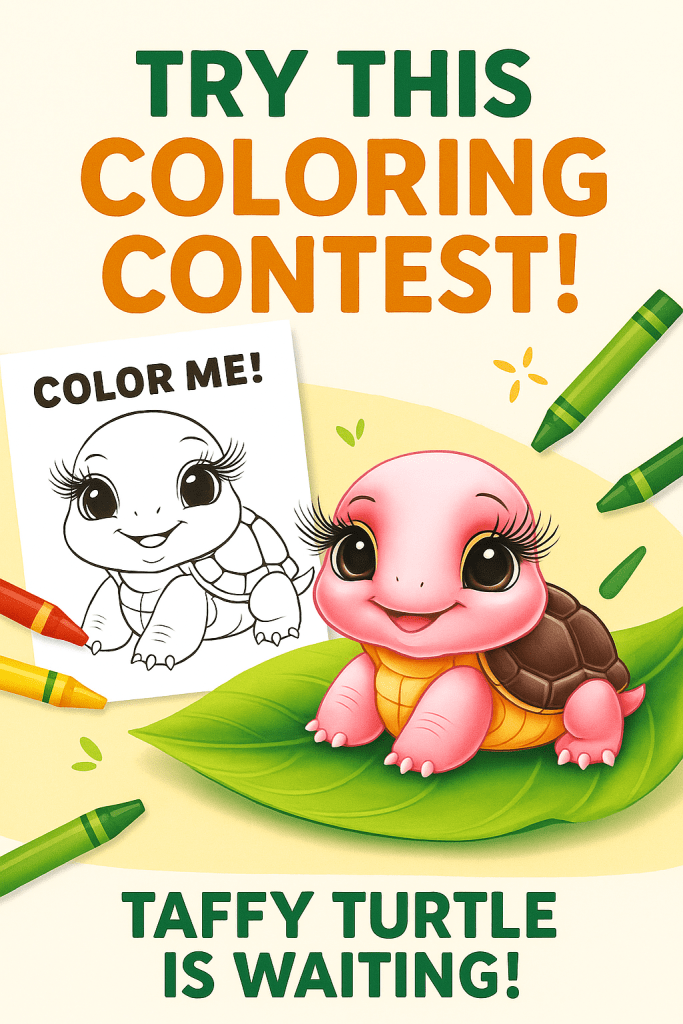
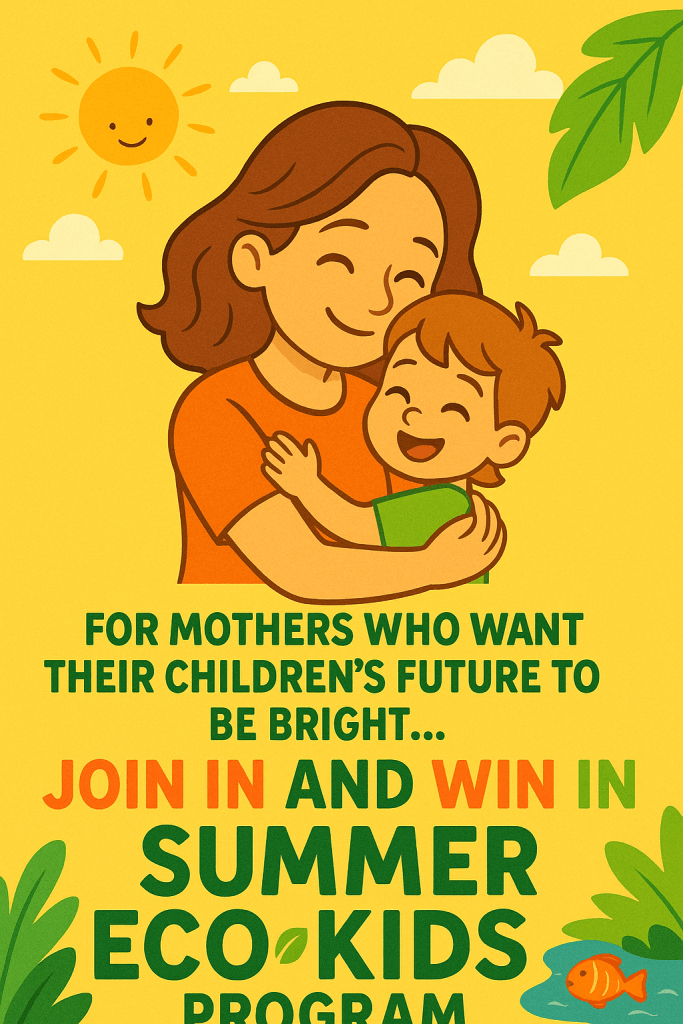
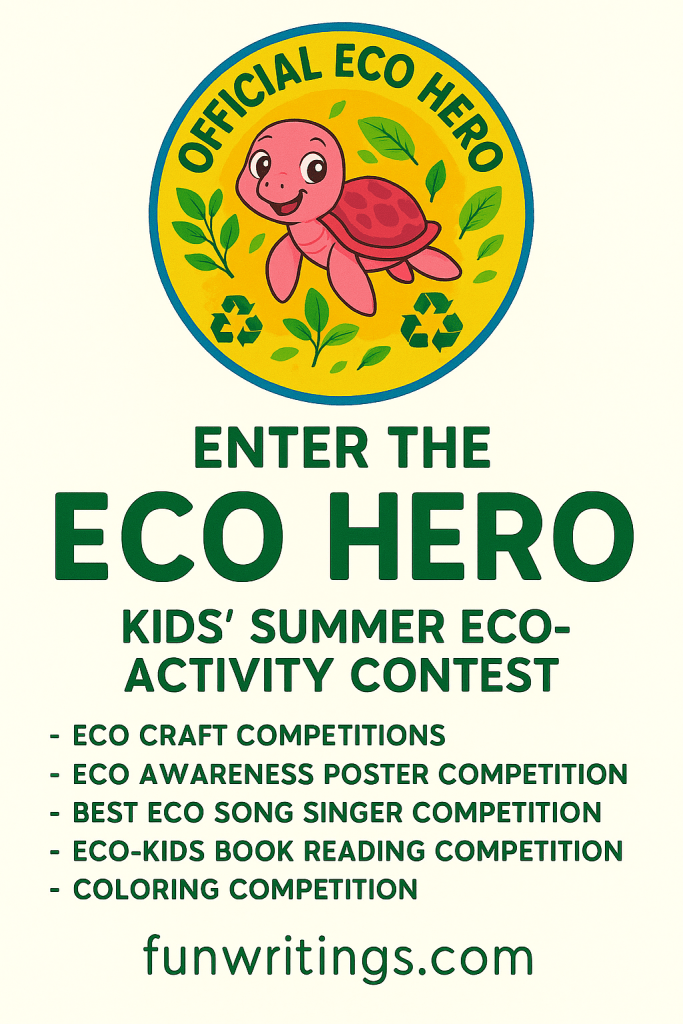
Early Eco Awareness Flyer