The protection of our ecosystems will become a priority for more citizens when they know how important they are. They will even seek to restore the damaged ones that are causing increased degradation and poverty. There is so much we can learn from the circular system that Nature created. We will be protecting our Mangroves when we understand that most baby sea creatures are born there. They are protected there until they are strong enough to face life in the huge seas or oceans. The destruction of Mangroves lead to decreased income to fishermen and decreased seafood for us. Adopting the circular system found in ecosystems can cause decreased pollution. Do you believe it is important for us to learn more about ecosystems?

An overview of how ecosystems function and maintain themselves through interconnected relationships and cycles is here. Learning from nature is truly fascinating.
At their core, ecosystems are complex networks of living organisms interacting with each other and their physical environment. Here are the key mechanisms that allow them to sustain themselves:
Energy Flow
- Everything starts with solar energy captured by plants through photosynthesis
- This energy moves through the food web, from producers (plants) to primary consumers (herbivores) to secondary consumers (carnivores)
- At each level, roughly 10% of energy transfers up the chain, while the rest is lost as heat
Everything is connected and we see how the sun, the plants and the marine animals depend on each other to become the sea food we enjoy. We depend on the sun in more ways than we thought we did before. The food chain is linked the energy received and passed on. The energy flow from the sun to every living thing is interesting. Do you agree?
Nutrient Cycling
- Essential elements like carbon, nitrogen, and phosphorus continuously cycle between organisms and the environment
- Decomposers (bacteria and fungi) break down dead material, returning nutrients to the soil
- Plants take up these nutrients, making them available again to other organisms
Here we see how waste is reused and the survival of one specie depends on the waste of another. Do you think we could learn from Nature and reduce pollution by reusing, reducing and recycling more? Next we will be looking at the predators and the prey.

Population Dynamics
- Predator-prey relationships help regulate population sizes
- When prey populations increase, predator populations follow
- As predators reduce prey numbers, their own population eventually decreases
- This creates natural oscillations that prevent any species from overwhelming the system
This shows how connections cause sustainability. When systems are organised there is no over population that leads to destruction. If we would learn from Nature this system would cause us to keep our planet beautiful. This circular system is perfect for our planet. Do you agree?
Biodiversity and Resilience
- Greater species diversity typically means more stable ecosystems
- Different species fill various niches, using resources in complementary ways
- If one species declines, others can often fulfill similar ecological roles
- This redundancy helps ecosystems recover from disturbances
It is amazing how Nature is equipped for recovery and there is so much to learn from ecosystems and how they work. Even though climate change impacts natural ecosystems, in terrible ways. Here we are looking at its cascading effects.
Temperature and Weather Pattern Changes
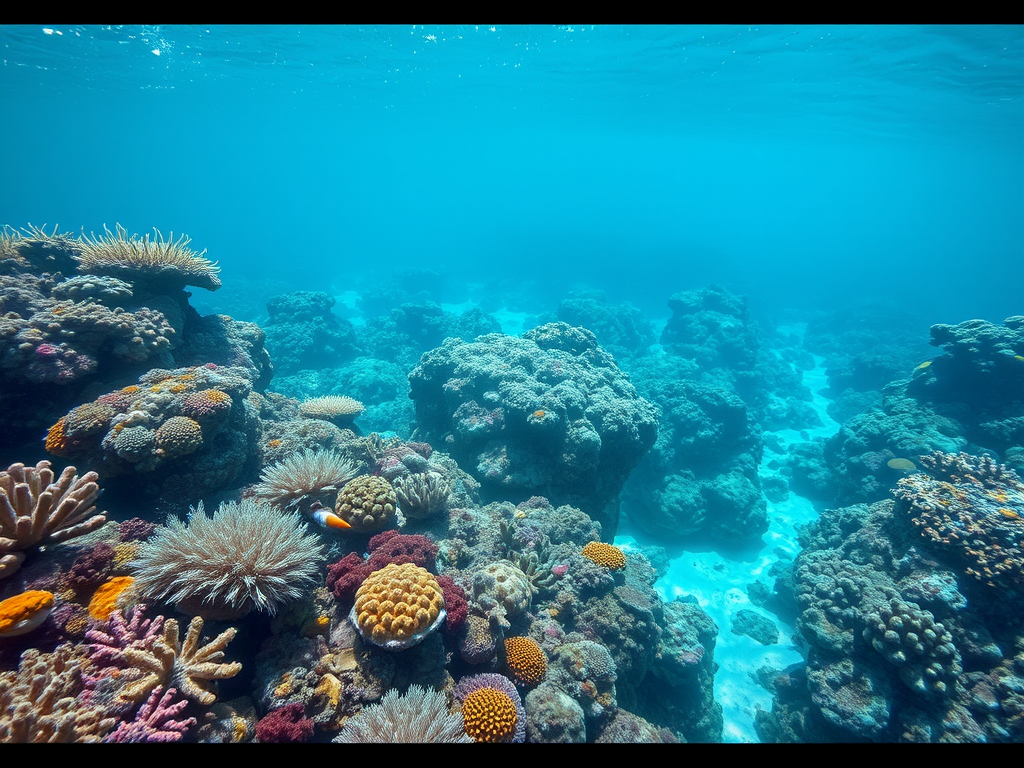
Rising global temperatures are fundamentally altering ecosystems worldwide. Species that evolved within specific temperature ranges are being forced to adapt, migrate, or face decline. For example, coral reefs are experiencing devastating bleaching events as ocean temperatures rise beyond their tolerance levels. The Great Barrier Reef has suffered multiple mass bleaching events since 2016, threatening this entire ecosystem and the thousands of species it supports.
Phenological Disruption
Climate change is disrupting the timing of natural cycles. For instance, some plants are flowering earlier in spring, while their pollinators haven’t adjusted their emergence patterns at the same rate. This mismatch can lead to reduced plant reproduction and declining pollinator populations. In North America, some migratory birds are arriving at their breeding grounds to find that their insect food sources have already peaked due to earlier spring warming.
Habitat Loss and Range Shifts
As temperatures warm, species are shifting their ranges toward the poles or to higher elevations. Alpine ecosystems are particularly vulnerable, as species adapted to cold mountain environments have nowhere higher to migrate. The American pika, a small mountain-dwelling mammal, has already disappeared from many lower-elevation sites in the western United States due to warming temperatures.
Ocean Acidification
The oceans absorb about 30% of atmospheric CO2, leading to increased acidification. This chemical change makes it harder for marine organisms like shellfish, corals, and certain plankton to build their calcium carbonate shells and skeletons. The decline of these foundation species can trigger cascading effects throughout marine food webs.
Extreme Weather Events Linked to Climate Change
More frequent and intense extreme weather events are stressing ecosystems beyond their resilience thresholds. Prolonged droughts are transforming grasslands and forests, while more powerful storms can destroy habitats that took centuries to develop. The 2019-2020 Australian bush fires, intensified by climate change, burned millions of hectares and killed or displaced an estimated 3 billion animals.
Ecosystem Interactions and Tipping Points
Perhaps most concerning are the complex interactions between these impacts. For example:
- When drought weakens trees, they become more susceptible to pest outbreaks
- As sea ice melts, polar bears have less time to hunt seals, leading to nutritional stress
- Loss of wetlands reduces nature’s capacity to buffer against floods and store carbon
Many ecosystems may be approaching tipping points where relatively small changes could trigger dramatic transformations. The Amazon rain forest, for instance, could reach a point where reduced rainfall and increased fire frequency convert large areas from forest to savanna.

Conclusion:
Protecting our ecosystems and encouraging children to learn about them is very important. There are many individuals who are destroying ecosystems because they are not aware of there importance. It is time for us to build environmental protection awareness in a new and better way. This new way includes equipping children with eco-friendly solutions and plans. They will be empowered and ready to become the change they need to see. Click on the buttons below to visit the eco-kids book shop, the YouTube channel and the children’s book that is filled with information about the importance of Mangroves and eco-friendly tips.
We made it easy for children to learn about environmental solutions, so they can begin decreasing pollution and building eco awareness
 FunWritings
One thought on “Why Ecosystems Protection is Crucial for Our Future”