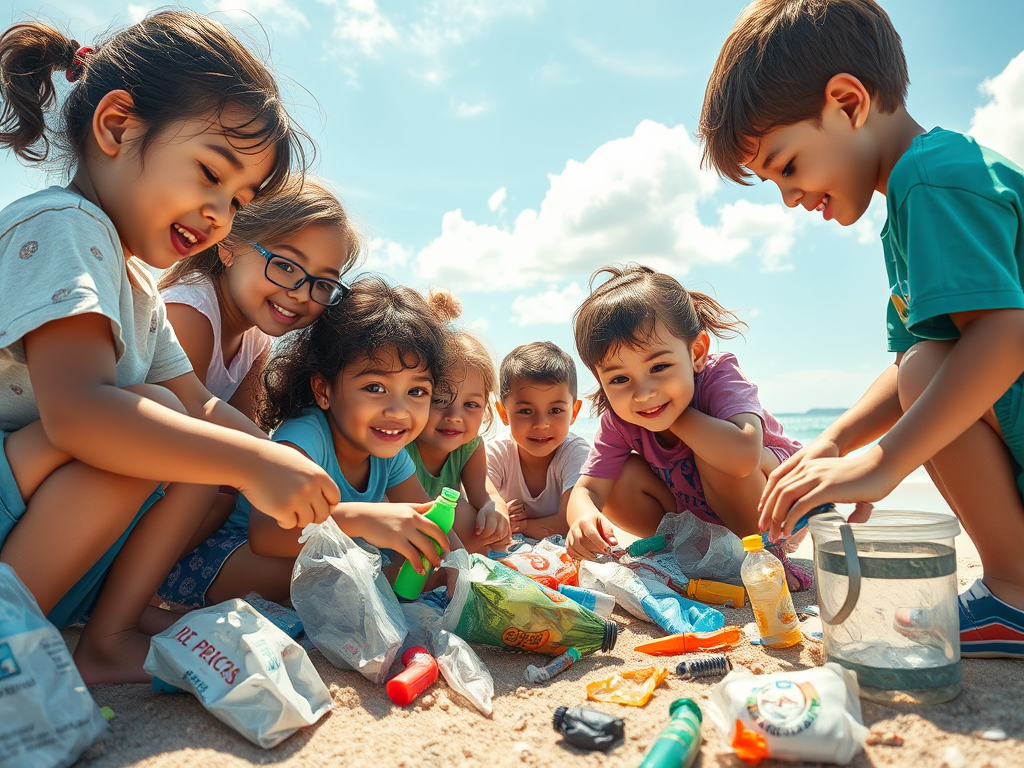
The plastic pollution problem continues to grow as plastic production increases. It is known that poor people live in areas where there is no waste collection happening and they discard their waste in rivers before it is swept down to the Oceans. With better plans to decrease both plastic pollution and poverty we can see a change.
Plastic pollution and environmental education can intersect to create positive change. This is an important topic that addresses both environmental awareness and practical solutions. Parents and teachers can easily become more involved with in the process of empowering children with environmental solutions. As the important Eco-friendly Children’s books are now available online.
The key ways in which plastic pollution and environmental education can work together include:
- Hands-on Learning Experiences
Environmental education programs can incorporate direct engagement with plastic pollution issues through:
- Beach and community cleanups that teach participants about waste management
- Tracking and analyzing the types and sources of plastic waste collected
- Understanding the environmental impact of different plastic materials

Curriculum Development
Students can prepare to develop more solutions for plastic pollution when schools and educational institutions integrate plastic pollution awareness into:
- Science classes exploring marine ecosystem impacts
- Geography lessons about global waste distribution
- Chemistry units examining plastic decomposition and micro-plastic formation
- Social studies discussions on environmental justice and community responsibility
- Interactive Visualization and Data Analysis Students can be taught to:
- Create visual representations of plastic waste statistics
- Map plastic pollution sources in their local communities
- Use scientific methods to research and quantify plastic environmental impacts
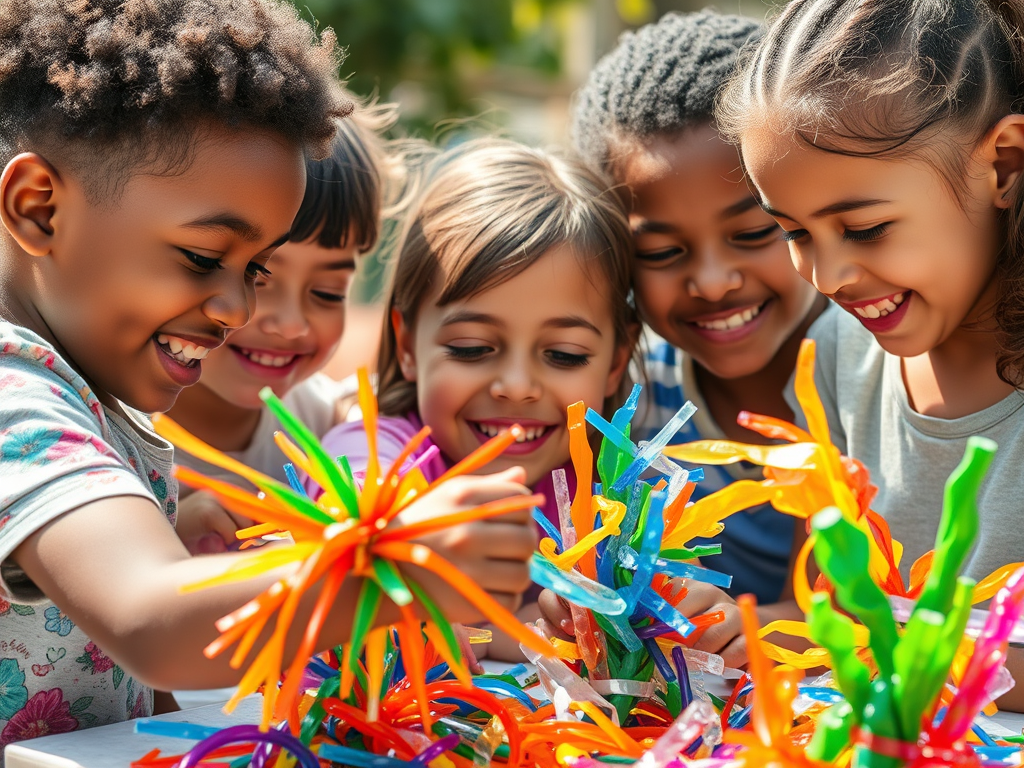
Practical Skill Building Environmental education can teach:
- Alternative product choices that reduce plastic consumption
- DIY techniques for plastic reduction and recycling
- Entrepreneurial approaches to solving plastic pollution challenges
- Community Engagement Projects
Educational programs can develop:
- Public awareness campaigns about plastic pollution
- Community recycling initiatives
- Collaborative projects with local businesses to reduce single-use plastics
The interconnection between plastic pollution and socioeconomic challenges:
Global Plastic Pollution and Poverty Statistics:
1. Waste Management Impact
– In low-income countries, only 4% of municipal solid waste is formally managed. If we could see an increase in plastic collection when the people are paid, more recycling could be done.
– Approximately 2 billion people lack access to waste collection services
– 90% of plastic waste in oceans comes from just 10 rivers, mostly in developing countries. With better waste management plans much more recycling and reusing could be done.
2. Economic Burden
– Plastic pollution costs developing countries an estimated $375 billion annually in environmental damage. This money could be going into agriculture to decrease food insecurity.
– Informal waste workers (often from impoverished communities) collect 15-20% of waste in developing countries. They could go from being impoverished to being middle class citizens if they were properly paid by the plastic producers.
– Marine plastic pollution causes approximately $13 billion in economic losses annually through impacts on fishing, tourism, and other industries. Without change in the way we build environmental protection awareness, we will not see the change we need to see.
3. Health and Environmental Consequences
– Over 400 million tons of plastic are produced annually
– Around 11 million tons of plastic enter marine ecosystems each year because plastic buy back schemes are not implemented in enough places.
– In developing countries, 14 million people living near coastlines are directly impacted by plastic pollution-related economic disruptions.
4. Waste Worker Demographics
– Approximately 15-20 million people worldwide work in informal waste management. This number could increase and proper wages could be paid to them when waste management is formalized.
– 60-80% of these waste workers are in developing countries
– Average daily earnings for informal waste collectors range from $1.50 to $3
5. Microplastic Exposure
– Communities with limited waste management infrastructure have 10x higher micro-plastic exposure rates. It would be good if recycling centers could be built in these communities, there would be better wages for informal workers.
– An estimated 2 billion people drink water contaminated with microplastics due to inadequate waste systems
These statistics demonstrate the complex relationship between plastic pollution, economic vulnerability, and environmental challenges. They underscore the critical need for integrated approaches that combine environmental education, waste management infrastructure, and economic opportunities. With so many universities all over the world a better plan should be made for waste management.
Here are some inspiring community projects that have successfully integrated environmental education and plastic pollution awareness:
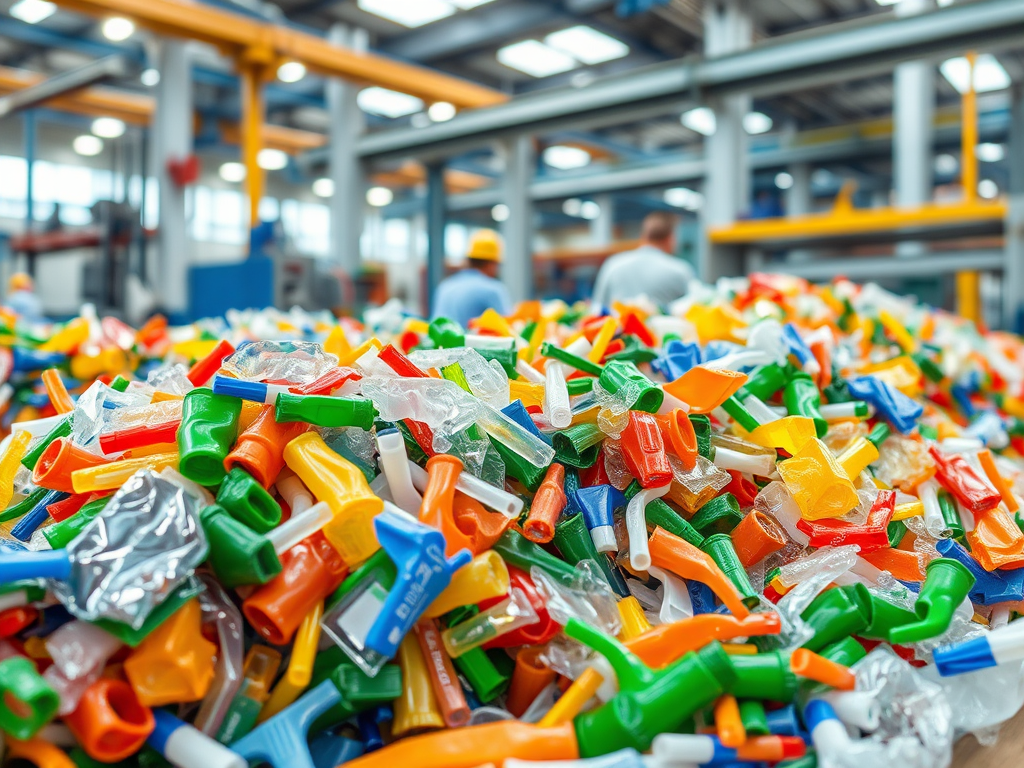
1. Plastic Bank (Global Initiative)
– Founded in Canada, operating in Haiti, Philippines, Indonesia
– Transforms plastic waste into a currency for marginalized communities
– Provides income opportunities for waste collectors
– Converts collected plastic into recycled social plastic® used by major corporations
– Empowers communities while addressing plastic pollution
2. Barefoot College (India)
– Located in Rajasthan, focuses on rural community development
– Trains women in solar engineering and waste management
– Develops local recycling programs that create economic opportunities
– Provides environmental education targeting women and rural communities
– Has trained over 3,000 women from 93 countries in sustainable practices
3. Ocean Heroes Bootcamp (International Youth Program)
– Global youth-led environmental education initiative
– Trains young people to design and implement local plastic reduction strategies
– Participants develop community-specific campaigns and innovative solutions
– Focuses on empowering youth as environmental change agents
– Connects local actions to global environmental challenges
4. Precious Plastic (Global Movement)
– Open-source project creating local plastic recycling workshops
– Provides blueprints for small-scale plastic recycling machines
– Enables communities to transform plastic waste into valuable products
– Educational component teaches technical and environmental skills
– Active in over 50 countries with community-driven workshops
5. EcoBrick Exchange (South Africa)
– Converts plastic waste into building materials
– Community members collect and compress plastic into building blocks
– Provides economic incentives while addressing waste management
– Educational workshops on plastic pollution and circular economy concepts
– Has created playgrounds, community centers using ecobricks
6. Project STOP (Indonesia)
– Partnered with cities in Indonesia to redesign waste management systems
– Creates formal waste collection infrastructure in underserved areas
– Provides employment in waste management and recycling
– Develops local recycling enterprises
– Combines environmental education with practical waste solutions
Key Success Factors:
– Community-centered design
– Economic incentives alongside environmental education
– Practical skill development
– Local empowerment and ownership of solutions
These projects demonstrate that effective environmental education goes beyond awareness—it involves creating tangible opportunities, economic pathways, and community-driven solutions to plastic pollution.
Conclusion
Plastic pollution and environmental education can intersect and cause us to become the change we need to see. We will raise children who are aware of solutions for plastic pollution and other environmental issues. They will develop new products that are made from recycled plastics and reduce the pollution caused by oil and other pollutants. Job creation can increase as poverty decreases.
 FunWritings