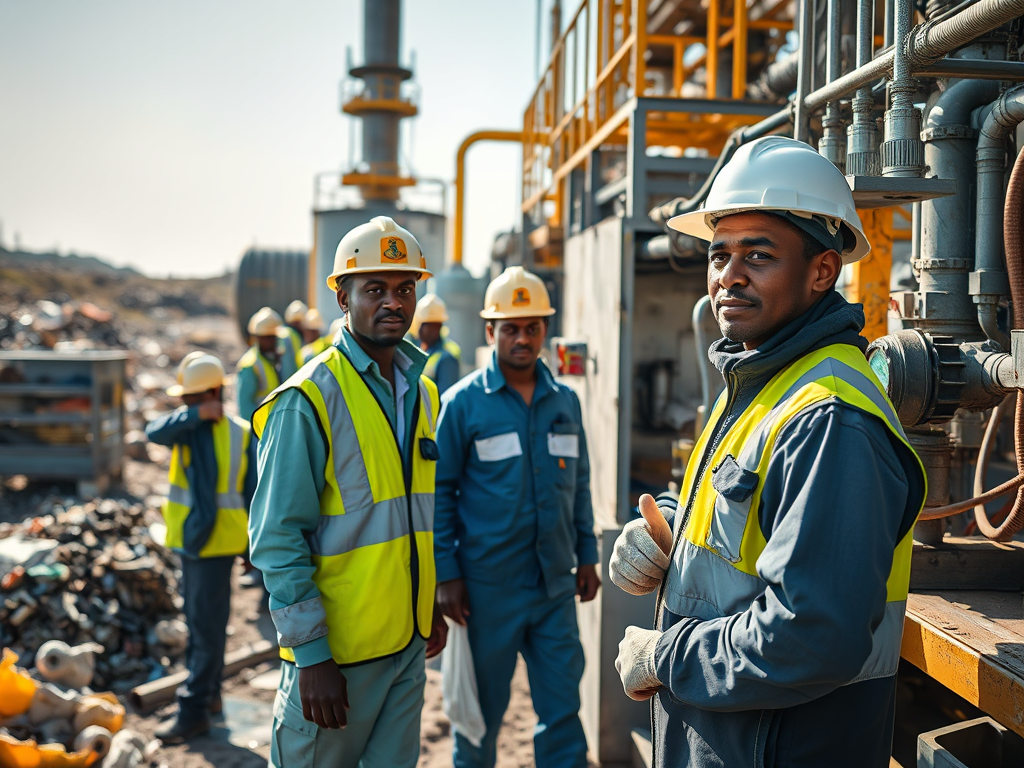
Even though the Chinese-built a waste-to-energy plant in Ethiopia has it created real jobs? Will it be a part of the broader effort to turn waste pollution into renewable energy and economic opportunities. Will the plant produce too many carcinogens and cause increased illnesses that will cost the population too much in the future? Will the future healthcare bill be too high for Ethiopia to bear? I wonder if proper air quality tests are being done. How will the Government help the people to create more jobs for each other when they have decreased energy costs? We are exploring the pros and the cons now, as we seek to find answers.
Currently some Ethiopians are not feeling the benefits of having cheaper energy that much, because they are still unemployed. They are not making the connection between job creation and cheap energy. I am calling on everyone to support the eco project that cause more people to raise eco smart children who are creative and aware of the pollution problems and their solutions.
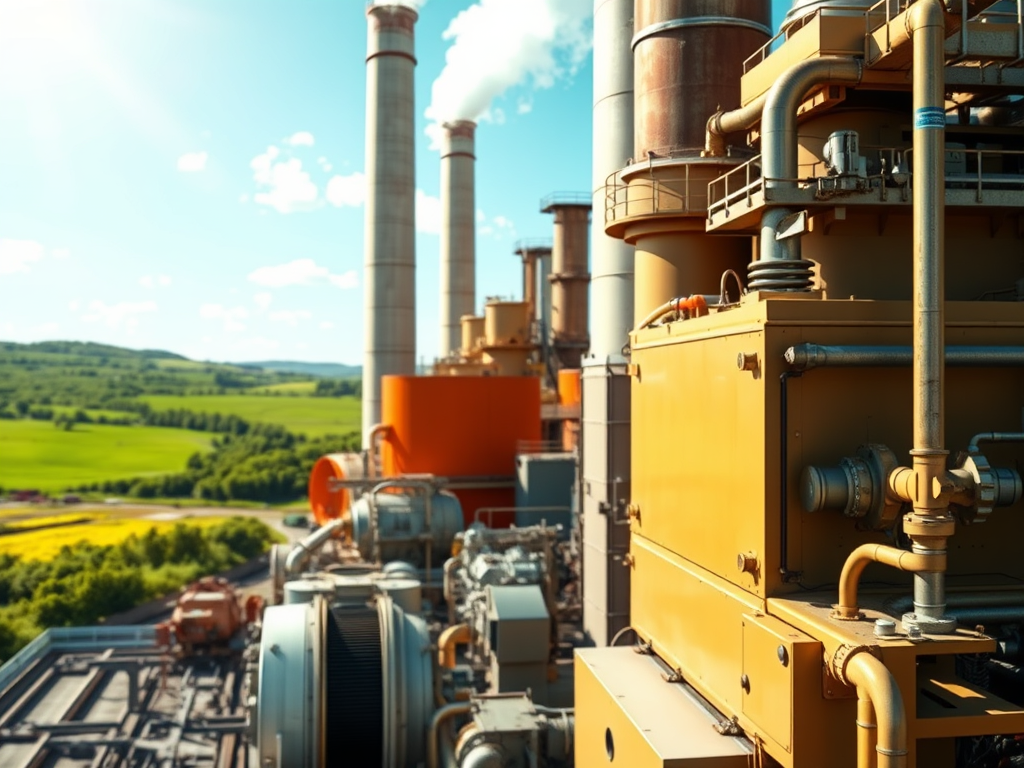
Waste-to-Energy Plant Jobs
The waste-to-energy project in Addis Ababa (Koshe/Reppie) was built with Chinese involvement. It created about 1,300 jobs for Ethiopian workers along with 286 jobs for expatriates during construction and operation. (Iene)
This included jobs in plant operation and maintenance, facility support jobs and some managerial or technical positions
So, approximately 1,300 local jobs are linked directly to this project. (Iene) If the project can continue adding jobs as it keeps the air clean for the Ethiopians we could say, this is a worthwhile investment. This will be a great way to protect the environment for the next generation.
Broader Chinese Infrastructure Impact
While this specific waste-to-energy initiative is just one project, other Chinese-led investments in Ethiopia also generate large numbers of jobs across sectors like energy, construction, and manufacturing. For example, infrastructure and broader energy projects by Chinese firms have employed hundreds to thousands of locals. (Good Authority) If Ethiopians are trained to build these waste to energy facilities on their own and they can become future employers, there will be many benefits from this project. If the air can be kept cleaner and there can be less landfills destroying the soil.

Summary
1,300 Ethiopian jobs were created by the waste-to-energy facility built with Chinese partners. (Iene)
These jobs help reduce pollution while providing income and skills development.
Additional Chinese investment across energy and construction also supports local employment. (Good Authority)
It will be good if these jobs are distributed throughout the country so there is no urban over population. If these roles are long-term this could cause the future of Ethiopia to be great, but if they are seasonal people will need to develop new skills so they can easily find employment in many new ways. If similar projects can become models for other countries, we could see decreased poverty. We could say environmental protection truly cause us to see great benefits.
However the most accurate available information about job losses related to Ethiopia’s Reppie waste-to-energy plant are out.
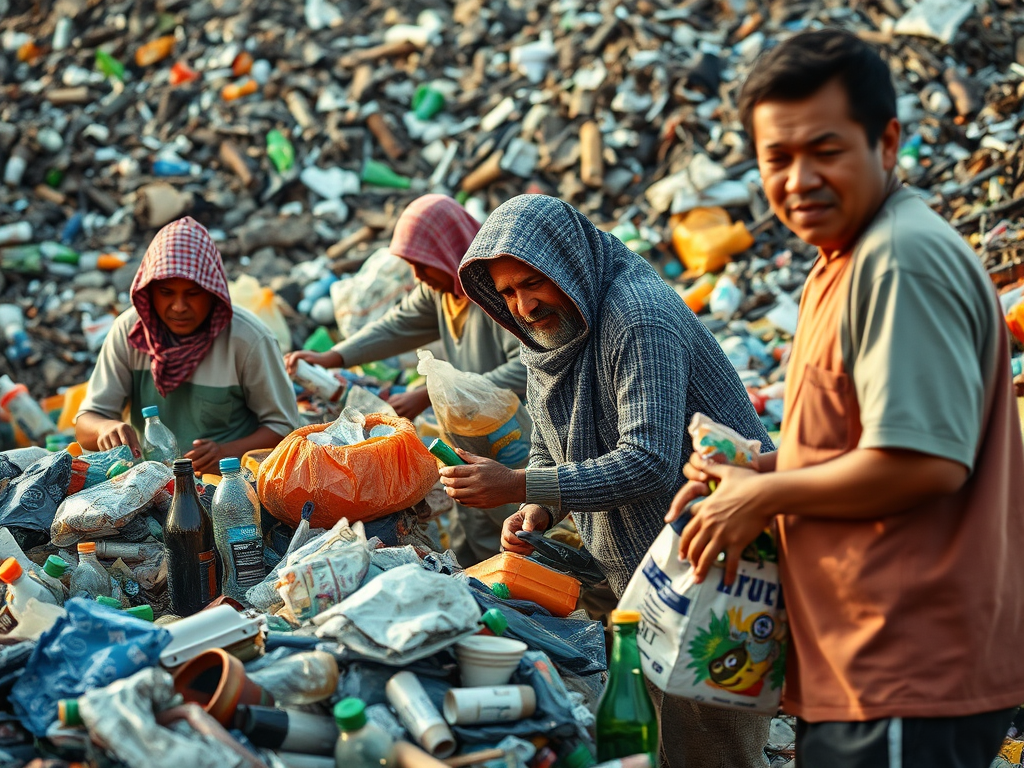
Job Displacement from Reppie’s Operations
While official employment figures for the Reppie plant itself once included operation jobs for workers (e.g., 45 Ethiopians and 30 temporary staff at opening, as well as jobs during construction) (China Daily), independent reports show a negative impact on informal jobs:
Informal waste pickers: people who earned income collecting recyclables, have seen their livelihoods disrupted.
According to a report by the Global Alliance for Incinerator Alternatives (GAIA), informal waste pickers in Addis Ababa experienced a 50% drop in income after the waste-to-energy facility began operating, because recyclables became harder to find and competition for materials increased. (Sustainability MEA)
This decline in income represents a loss of economic opportunity for many individuals who depended on informal waste collection, which is a significant source of livelihood for urban poor communities.
What This Means
Formal jobs created by the facility (construction and operations) were real but did not match earlier projections of thousands of new jobs for local communities. (Sustainability MEA)
Informal jobs were diminished, especially for people earning money from recovering and selling recyclable materials. This livelihood was undermined by the plant’s operations. (Sustainability MEA)
So while some formal roles were created, the plant is reported to have reduced economic opportunities for informal workers, particularly waste pickers, in the absence of formal inclusion or alternative employment pathways. (Sustainability MEA).
Sustainable job creation can get more attention from the Ethiopian Government and these informal workers can begin earning in new ways. They could assist farmers or develop their own farms, if Government assist them with land acquisition. There can be more agro-processing and the food they produce could be packaged and stored for a rainy day. I believe it will be easier for more people to be ready to find new ways to earn when there is a shift in how things are done. If creativity is encouraged much more in societies.
Conclusion:
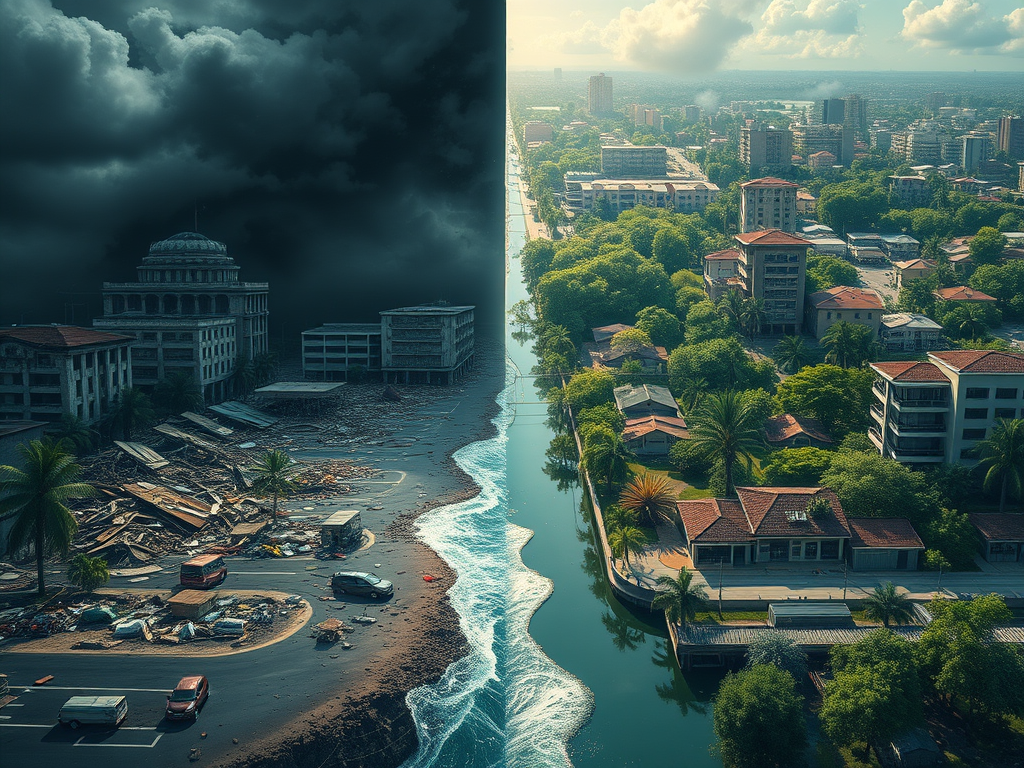
Encouraging children to be creative as they learn becomes more important as pollution increases. We also know, life can be unstable at times and they can be trained for a career and suddenly it can disappear. Sustainability will cause us to see increased job creation if we try to stay one step ahead of artificial intelligence (AI) Sustainability for children is becoming more important every day. Air pollution, water pollution, plastic pollution, soil pollution, ocean pollution and noise pollution can be decreased. Children can value the environment more than adults when they are aware of the need for environmental care.
There are so many ways for you to become a part of the team that is building environmental protection awareness around the world in a new and better way. Don’t allow the opportunities to pass you by. We can become the change we need to see and have a world that is pollution free. The old things can become something new more often. Let us get ready to earn in new and better ways too. We can become lifelong learners and develop new skills as time goes by. Parents who become team members get a chance to set good examples for children as they learn about environmental protection as well.
 FunWritings