When children litter the streets , the plastic and other waste material end up in the sea. As the rainfall causes debris to be washed down there. But if they could understand that the Ocean or the Sea makes life on earth possible. As it nourishes our bodies and our souls and it is very important for us to pay attention to protecting it as it affects our weather and fuels economies when goods travel from one part of the world to the next. And fishermen are able to supply us with the fish they catch.
If we help the children to understand how important it is , for them to dispose of their waste in a responsible way, they will grow up and keep doing their best to protect the environment. As they will not want to destroy their own future. As they will understand the connection between a good environment and a vibrant economy.
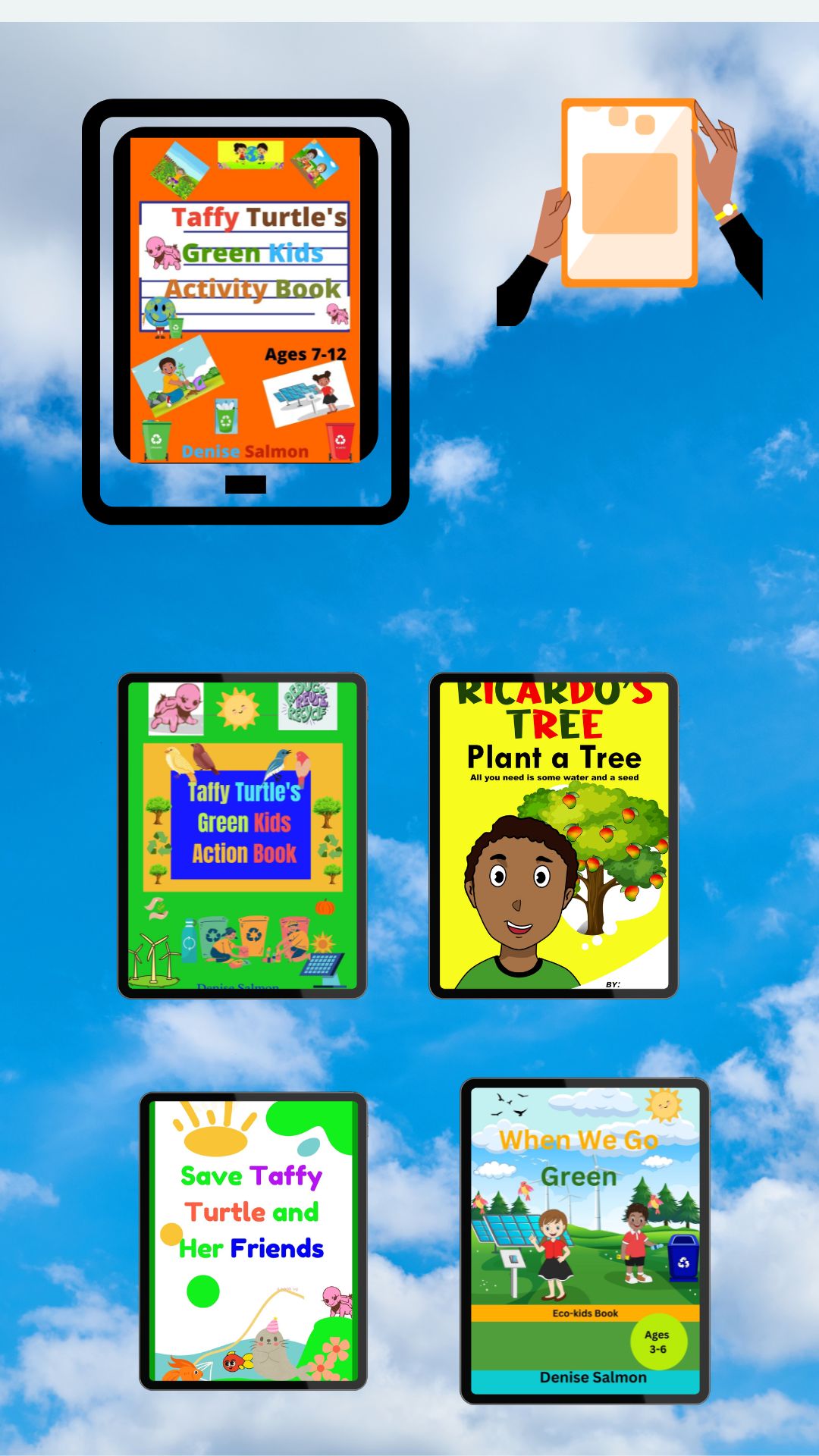
Check out this great deal. You can order a fiverr gig or buy one or more of the e books and you will be contributing to the publishing cost of the books that are needed for the children. These books are all about the things they can do to have a better environment. click here : http://www.fiverr.com/denisesalmonhttp://www.facebook.com/funwritingsandthings
When children litter the streets , the plastic and other waste material end up in the sea. As the rainfall causes debris to be washed down there. But if they could understand that the Ocean or the Sea makes life on earth possible. As it nourishes our bodies and our souls and it is very important for us to pay attention to protecting it as it affects our weather and fuels economies when goods travel from one part of the world to the next. And fishermen are able to supply us with the fish they catch.
If we help the children to understand how important it is , for them to dispose of their waste in a responsible way, they will grow up and keep doing their best to protect the environment. As they will not want to destroy their own future. As they will understand the connection between a good environment and a vibrant economy.
Parents can now do more to help their children to become more aware of the little things they can do to keep the environment clean. As I have already written the books about recycling and tree planting, but I am trying to raise funds for the publishing cost. And whenever they click on the links below they can simply purchase an e book as they make a contribution towards the publishing of the Children’s books.
Let us do all we can to make life here on earth better every day.
Raising the next generation to become eco ambassadors is not just a great idea; it is an awesome plan that will cause us to have a green future. By instilling a sense of environmental responsibility and awareness in children from a young age, we empower them to understand the importance of sustainability and conservation. This initiative encourages young minds to engage actively in eco-friendly practices, fostering a profound connection with nature. Through educational programs, community activities, and hands-on experiences, children can learn about their impact on the environment and how their actions contribute to a healthier planet. Such efforts not only cultivate a sense of stewardship but also inspire innovation and passion for tackling pressing environmental issues, ensuring that the leaders of tomorrow prioritize the well-being of our Earth.
Having Fun in Green Spaces
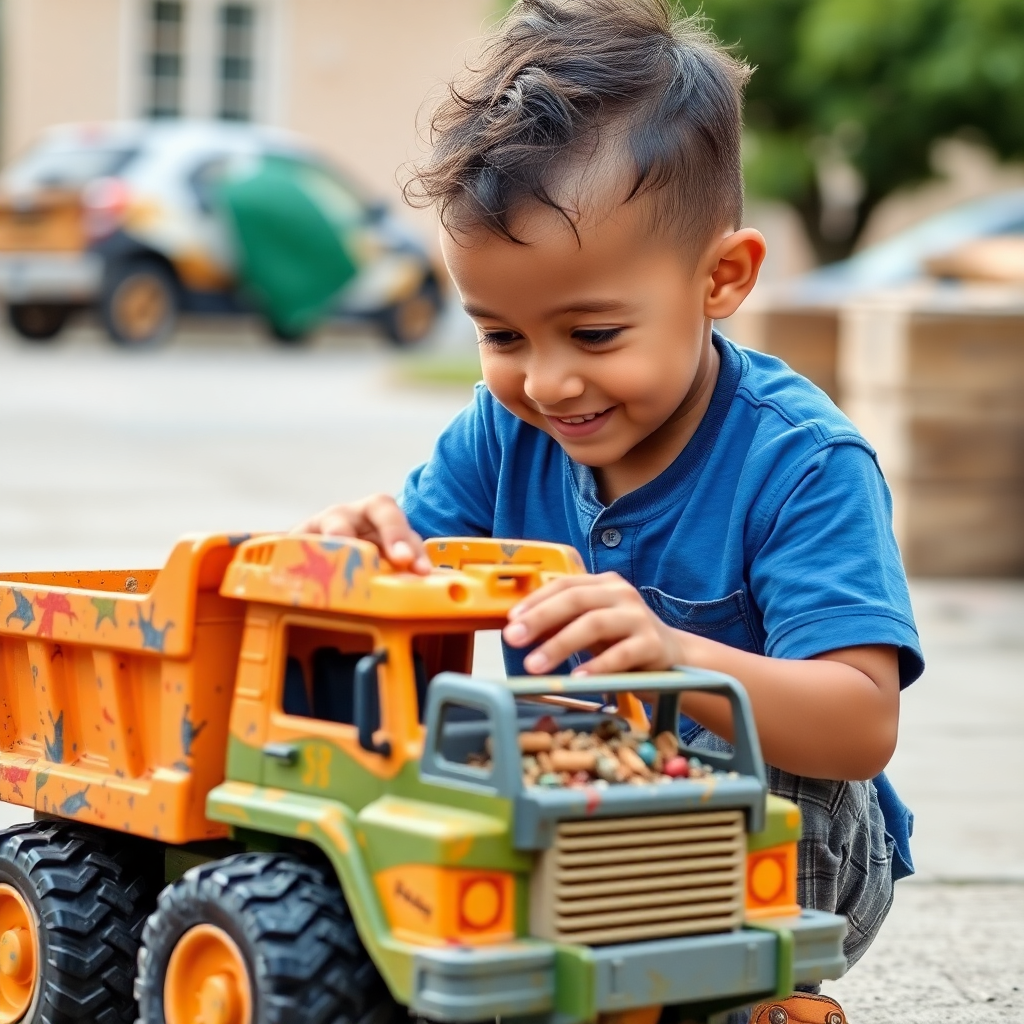
When parents encourage their children to play outside, the kids explore and discover new things. This connection to nature helps them develop a sense of adventure and curiosity about the world. They get more chances to learn from nature, observing plants and animals, which helps them understand ecosystems, appreciate biodiversity, and feel responsible for the environment. Encouraging children to play with green toys made from recycled plastic is also a great way to teach them about recycling.
Raising Eco Ambassadors
Raising the next generation to become eco ambassadors will make a difference. They will know about the importance of biodiversity, climate action, wildlife conservation, composting . They will be willing to remain eco conscious as they keep on being Earth champions who will become green leaders. More environmental solutions will be developed and there will be nature based learning in more green schools. They will also become green parents when they grow, making it easy for their environmental values to be passed on. Encouraging children to develop nature connection is best. Outdoor education , garden learning and other green activities cause children to grow up with an awareness of their responsibility to the Earth.
Conclusion
Green parents live the green lifestyle as they raise children who are eco conscious and ready to use the zero waste plan . Sustainable living is a gift they will give to the planet. They are the future green leaders who will develop green businesses with more green innovation. We have seen where children who learn about the importance of biodiversity, conservation and the use of environmental solutions; grow up to become green leaders. Increased environmental education will cause improved sustainability and we can plan for our future in a better way when we empower our children with it.
This article contains some affiliate links. If you purchase products through these links, we may earn a commission at no additional cost to you.]
Click on the links below and check out this great deal. You can order a fiverr gig or buy one or more of the e books and you will be contributing to the publishing cost of the books that are needed for the children. These books are all about the things they can do to have a better environment.
Great books are offered here
And you’ll be able to say you care
About the environment and the children too
Let’s tell them about the things they can do
To create a better future for themselves…
So they can feel as if they are little Elves
Going around doing great things for themselves and others too
Protect the environment, it’s a great thing to do
You can contribute to the project by purchasing a book.




 FunWritings