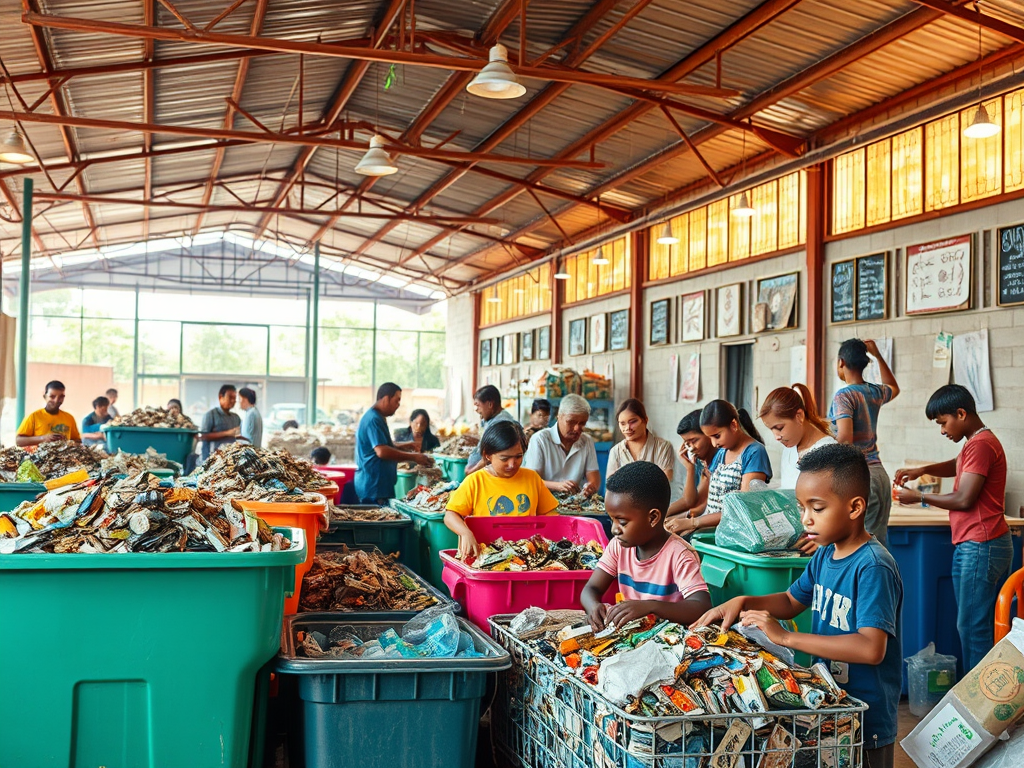
New Waste Management plans have the potential to significantly reduce waste, decrease pollution, and alleviate poverty, creating a brighter and healthier environment for everyone. We simply need to change the plans we made before and do recycling in new ways. These forward-thinking strategies emphasize the enhancement of recycling processes, the improvement of food processing techniques, the optimization of farming practices and decreased use of resources, all of which champion sustainability and inspire hope across various levels.
As communities adopt these plans, we will witness increased sustainable job creation, providing employment opportunities in recycling facilities, eco-friendly farming initiatives, and waste reduction programs. Furthermore, by engaging local populations in these efforts, we can empower them to contribute to a cleaner world while also addressing economic disparities within society. This holistic approach not only mitigates the adverse effects of waste on our planet but also elevates the quality of life for individuals and families, ensuring a brighter future for generations to come.

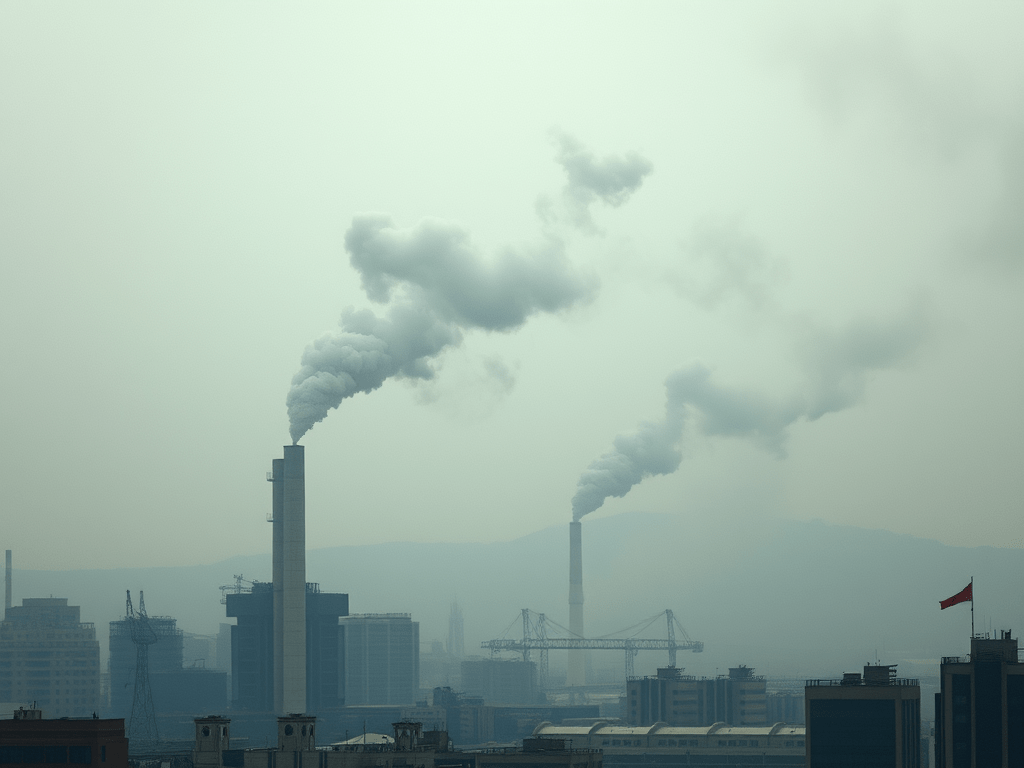
Pollution is often seen as one of the world’s biggest environmental challenges. At the same time, poverty continues to affect millions of people globally. While these may seem like separate issues, they are deeply connected, and solving one can help address the other. There will be no waste pickers living in landfills when more new products are made from recycled materials and more jobs are created. It will be easier for low skilled jobs to be found and homes to be bought.
By shifting how we view waste, we can move from a cycle of products to pollution to a future full of possibilities. When waste is used in a better way, such as through innovative recycling processes and resource recovery systems, we can not only reduce environmental impact but also create new economic opportunities. As more people are lifted out of poverty, they can contribute to and benefit from sustainable practices, fostering communities that prioritize environmental stewardship. This holistic approach to waste management ensures that the sustainable development we talk about can become a tangible reality, allowing for a healthier planet and brighter future for generations to come.
Understanding the Link Between Pollution and Poverty
In many communities, especially in developing regions, poor waste management is not just an environmental issue, it is part of daily life. Rivers are used for dumping waste as there are no trucks visiting communities to pick up solid waste.
• Poor waste management leads to polluted environments
• Polluted environments affect health and livelihoods
• Limited opportunities force many to depend on waste for survival
This creates a cycle where pollution and poverty reinforce each other. We even see a cycle of poverty, as parents are unable to send children to school and these children have no way out of poverty. With a plan to decrease both poverty and pollution at the same time there can be hope for future generations.
Within the pollution challenge lies an opportunity. We must find ways to help more people to become aware of the changes they can make as they seek to make their future bright.
There are many more low skill jobs available when the environment is being protected, as the push for sustainability fosters a variety of new industries and initiatives, such as renewable energy, conservation projects, and eco-friendly manufacturing. These sectors not only create numerous entry-level positions that require minimal specialized training but also provide opportunities for individuals to make a meaningful impact on their communities and ecosystems. By prioritizing environmental protection, we can stimulate economic growth while ensuring that our natural resources are preserved for future generations.
Waste as a Resource, Not a Problem
What if waste was no longer seen as something to throw away, but something to reuse, recycle, and transform?
Plastic, glass, metal, and even food waste can all be turned into valuable products as production cost is decreased and job creation increases. It will be possible for more people to create jobs for themselves as the number of new products made with recycled material increases. Added to creating jobs for themselves they could grow businesses and create jobs for others.
Examples include:
• recycled plastic used to create new materials
• organic waste turned into compost for farming
• reused materials turned into creative products
By recognizing waste as a resource, communities can begin to create new economic opportunities. We currently have a high number of job seekers and not enough job creators, which presents a unique challenge that must be addressed. By transforming the way we view waste, we open doors to innovative practices such as recycling and upcycling, which can stimulate local economies. Implementing such initiatives not only fosters employment opportunities but also promotes a culture of sustainability within the community. This proactive approach will empower citizens to take part in meaningful work while simultaneously addressing pressing environmental issues. As we make a greater effort to decrease pollution and poverty, it will ultimately lead to increased economic growth and sustainability, paving the way for a healthier environment and a more prosperous future for all.
Creating Jobs Through Waste Management
Improving recycling systems and waste management can lead to job creation in areas such as:
• waste separation, collection and sorting
• recycling, re-purposing, repairing and refurbishing and processing
• up-cycling and product creation
• composting and agriculture
As increased efforts are made to build environmental protection awareness, improvement in technology and innovation with the help of artificial intelligence, waste sorting and material recovery can become even more efficient.
This can lead to the development of new industries focused on sustainability, which not only create job opportunities but also contribute significantly to environmental restoration and conservation efforts. As we move away from the old way of mining and environmental degradation, we can adopt innovative practices that promote renewable energy sources, efficient resource management, and eco-friendly technologies. This shift not only helps in preserving our natural ecosystems but also fosters a greener economy that prioritizes long-term health and well-being for future generations, paving the way for a more sustainable and responsible approach to industrial growth and employment.
The Role of Environmental Education in Long-Term Change
One of the most powerful ways to break the cycle of pollution and poverty is through environmental education; especially for children.
When children learn about recycling, composting, environmental protection, sustainable living and other eco-friendly solutions they begin to develop habits that reduce pollution and inspire innovation.
More importantly, they begin to see possibilities before they are ready to leave school and seek jobs..
From Learning to Innovation
Children who understand sustainability today can grow into:
• environmental engineers
• recycling innovators
• green business leaders
• sustainable product designers
They will be better equipped to create solutions that reduce waste and improve economic conditions in their communities. The raw material they use to grow businesses will be free and this will make it easier for their businesses to grow.
Community Impact and Shared Responsibility
Reducing pollution and poverty requires collective green action. Raising eco smart children who are ready to increase the number of jobs in the clean energy generation sector will be great for the planet.
Governments, businesses, schools, and communities all have a role to play:
• improving waste systems
• supporting recycling initiatives
• investing in environmental education
• encouraging sustainable practices
When communities work together, neighbors learn from each other and small changes can lead to significant impact.

A Future Full of Possibilities
Imagine a future where:
• waste is transformed into useful products
• communities benefit from sustainable jobs
• children grow up understanding how to protect the environment
• pollution is reduced through environmental education and innovation
This green future is possible, but it begins with awareness and green action.
Conclusion
The path from pollution to possibility starts with a simple shift in thinking.
Waste is not just a problem, it is an opportunity.
By combining education, innovation, and community effort, we can reduce pollution while creating new pathways out of poverty.
And by teaching children today, we are not just solving problems, we are building a brighter and better future.

Leave a Reply