
Waste separation is one of the simplest but most powerful eco habits, and it creates real benefits for people, communities, and the planet. Do you agree? Will we be recycling, reusing and reducing more when we separate waste in homes more often?
Here’s what makes waste separation so great: Waste separation is not only a crucial step in reducing the amount of trash that ends up in landfills, but it also significantly enhances recycling efforts. By categorizing waste into distinct groups such as recyclable materials, organic waste, and non-recyclables, we can maximize the efficiency of waste management systems. This practice leads to better resource recovery, conserves natural resources, and decreases pollution, thereby contributing positively to our environment. Furthermore, increased public awareness and participation in waste separation can foster a community spirit, as people collectively work towards a sustainable future, and it empowers individuals to make environmentally conscious choices that can influence broader change.
Why Waste Separation Is So Powerful
It Reduces Pollution by significantly decreasing the harmful emissions released into the atmosphere. This reduction is crucial not only for improving air quality but also for safeguarding the health of individuals, especially those with respiratory conditions. Furthermore, by promoting cleaner technologies and sustainable practices, we can enhance our planet’s overall ecological balance.
As communities adopt greener initiatives, the collective effort leads to a cleaner environment for future generations, mitigating the detrimental effects of climate change and preserving biodiversity. Additionally, transitioning to renewable energy sources helps decrease dependency on fossil fuels, further contributing to a marked decrease in pollution levels.


When waste is separated properly, less garbage ends up in landfills or oceans, which is crucial for preserving our planet’s beauty and resources.
This process not only minimizes the overflow of trash in these crucial areas but also contributes to the reduction of harmful pollutants that can leach into our soil and waterways.
As a result, we experience cleaner air, cleaner water, and a healthier environment where wildlife can thrive.
Additionally, proper waste separation encourages recycling and composting, which helps to conserve natural resources and reduce the carbon footprint associated with waste management.
It Protects Our Health


Separated waste reduces harmful chemicals, smoke, and bacteria, leading to a cleaner and safer environment for everyone.
By implementing effective waste management strategies, we not only decrease the number of pollutants released into the atmosphere but also promote recycling and reuse of materials, which significantly reduces landfill overflow.
Fewer toxins result in healthier families and communities, as cleaner air and water contribute to improved public health and overall well-being, ensuring that future generations inherit a more sustainable planet.
It Creates Economic Opportunities


Recycling industries turn waste into valuable products, effectively contributing to environmental conservation and sustainability. This transformation of waste not only helps reduce the amount of trash in landfills but also fosters a circular economy where materials are reused and repurposed. As a result, this creates jobs across various sectors, stimulates the growth of small businesses, and generates significant income for communities. Furthermore, by supporting local recycling initiatives, we can enhance community engagement and awareness of sustainable practices, paving the way for a greener future.
It Saves Natural Resources

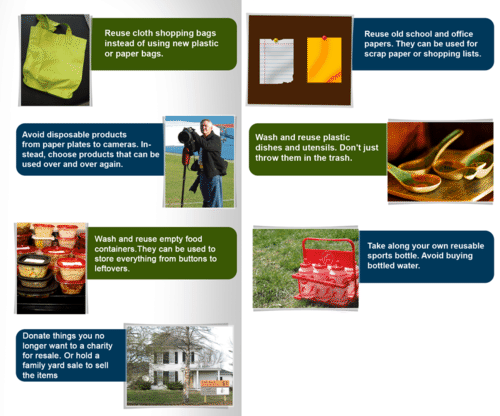

Recycling paper saves trees, recycling plastic saves oil, and these practices contribute significantly to preserving our planet for future generations.
By recycling, we actively reduce the demand for raw materials, which helps to maintain Earth’s limited resources and minimizes the harmful environmental impact associated with the extraction and production processes.
Moreover, recycling not only helps decrease waste in landfills but also reduces greenhouse gas emissions, promoting a healthier and more sustainable ecosystem.
Every small effort counts, so when we choose to recycle, we join a collective effort towards a greener world.
It Saves Energy
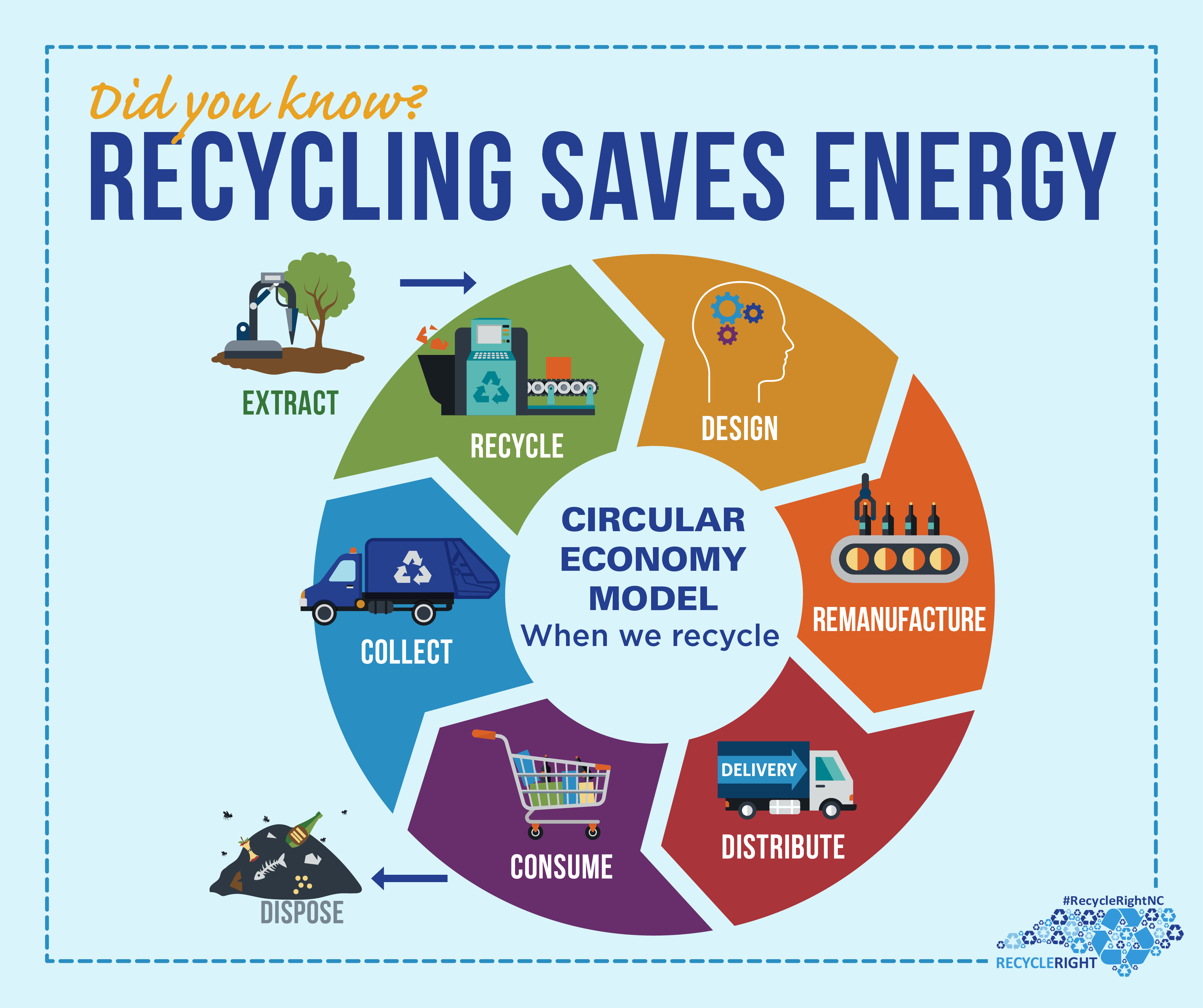


Making products from recycled materials uses less energy than making new ones, which is a critical factor in our ongoing efforts to combat climate change.
By utilizing existing resources, we not only conserve energy but also significantly reduce the harmful emissions associated with the extraction and processing of raw materials.
Less energy = less pollution, meaning that each recycled item contributes directly to cleaner air and a healthier environment for future generations.
Moreover, recycling can stimulate the economy by creating jobs in the recycling and manufacturing sectors, demonstrating that sustainability can go hand in hand with economic growth.
It Builds Good Habits in Children


Children who learn waste separation early grow into responsible adults.
Small habits today = big change tomorrow.
Simple Way to Explain to Kids
“Waste separation means putting the right things in the right bin so we can reuse them and keep our planet clean.”
Eco Song
“Separate today, protect tomorrow.” You have the power to turn waste into opportunity. You can become the change you need to see when you start separating as you get ready to lead the change. Planning for the green future is a part of a great sustainable program and we will see it one day if we act now.

Conclusion
Simply click on the buttons below and join the mission- we are planning to decrease poverty and pollution. You will be playing digital games and singing with the children. Giving away eco-friendly eBooks and books that are filled with great plastic pollution solutions and eco-friendly tips. Let us do more to protect the environment as we help children to plan for their bright future. Is there anything better we can do? Did you see the online challenge for the waste separation game promotion?


Leave a Reply