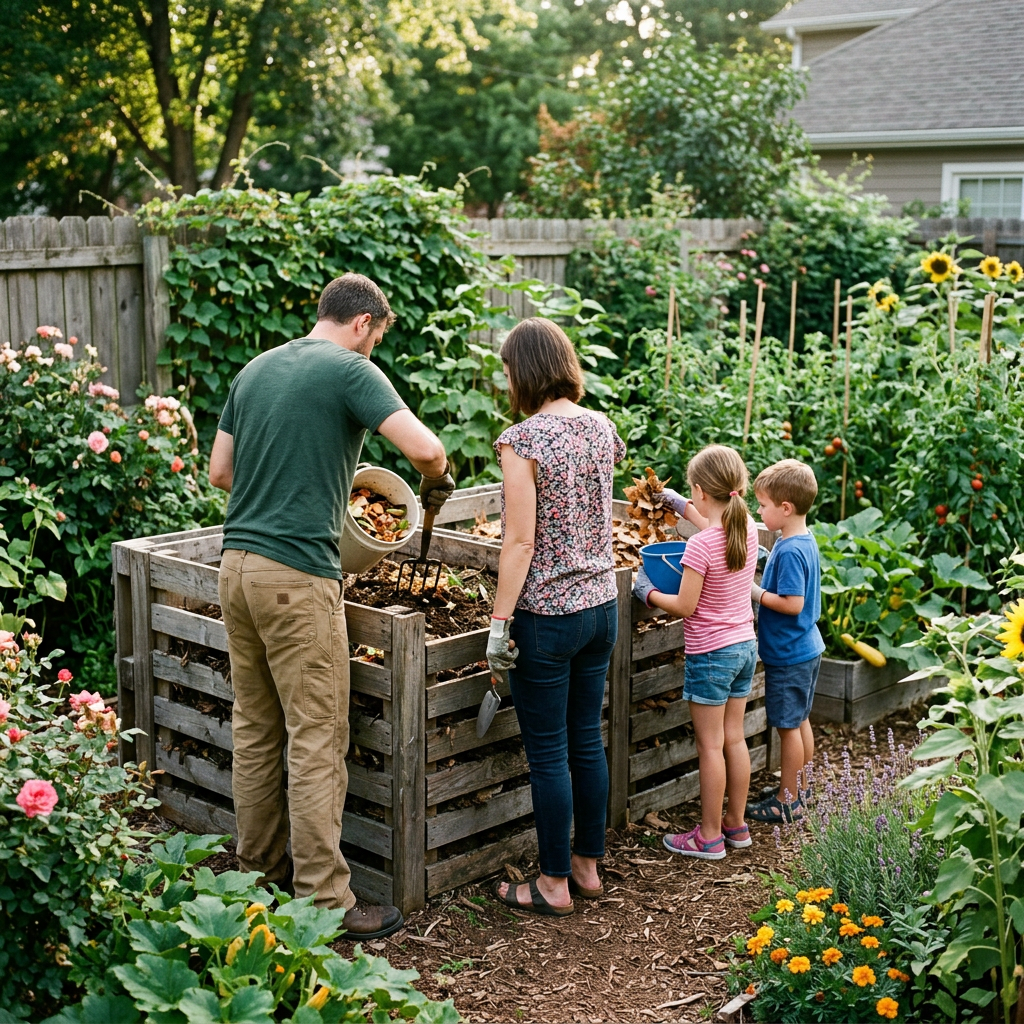
A combination of family fun and sustainability can help us to decrease pollution and poverty, as engaging in environmentally friendly activities together not only fosters stronger family bonds but also promotes awareness of ecological issues. By participating in local clean-ups, community gardens, or educational workshops, families can enjoy quality time while making a tangible impact on their surroundings. Moreover, these activities can inspire children to adopt sustainable practices that carry into adulthood, ultimately contributing to a healthier planet and a more equitable society. By embracing this holistic approach, we can pave the way for future generations to thrive in a cleaner, greener world.
Family Composting Game
The Goby the Gobbling Green Bin Game was produced for families who are interested in making the future bright, particularly in terms of environmental sustainability. Waste separation was seen as one of the best eco-friendly solutions when it was discovered, as it allows individuals and households to take an active role in protecting the planet. By participating in the game, families not only learn about the importance of sorting their waste but also discover practical strategies for implementing these practices in their daily lives. It gives us a chance to plan for more recycling, reusing, repairing, and reducing, fostering a culture of sustainability that can be passed down through generations, ultimately contributing to a cleaner and greener world for everyone.

Future Focused Families
When families are future focused, they aspire to raise children who are not only prepared to face the challenges of tomorrow but also equipped with the necessary skills to plan for the future in the best way. This involves fostering a mindset that encourages critical thinking and adaptability, enabling children to navigate an ever-changing world. By instilling values such as resilience, responsibility, and creativity, families can create an environment where children feel empowered to set goals, make informed decisions, and pursue their aspirations with confidence. In doing so, they cultivate the leaders and innovators of tomorrow, ensuring a brighter future for both their children and society at large.
How We Benefit from Composting
Protecting our soil is closely linked to composting, an ancient practice that has gained significant attention in recent years due to its vital role in sustainable agriculture. Learning about composting and how it can improve the health of our soil is not just important; it’s essential for the future of our planet. Healthy soil serves as the foundation for growing nutritious crops, influencing the quality and taste of the food we consume. There is hardly anything more important on earth than the food we eat, as it nourishes our bodies and sustains our lives. Our health is our wealth, and our food will contribute to keeping us healthy when the soil it is planted in is healthy. By enriching the soil through composting, we also promote biodiversity, reduce waste, and minimize our reliance on chemical fertilizers, ultimately creating a more resilient ecosystem that benefits everyone.
Now that you know there is a lot more you can do when you are planning for a bright tomorrow. You can help more children to play and learn about recycling in many new ways. We all can plan to see brighter days as we encourage more children to protect their planet. We will eventually see more clean beaches, rivers etc. and our food will be healthy too.

For too long we have burned the things we should put in the compost bin, such as kitchen scraps and yard waste in landfills, these things can actually enrich our soil rather than harm it. By overlooking these opportunities, we have contributed to the degradation of our environment. Now the fertilizers we use seem to be bad for the soil, often leading to nutrient depletion and even pollution of our water sources. Do you think it would be good if more of us could learn about composting? Embracing composting could not only reduce waste but also promote a healthier ecosystem, ensuring that our gardens thrive while minimizing our carbon footprint.
Protecting the environment is becoming more interesting each day. More persons are getting involved in using recycled plastic and more new products are being created.
Simple Ideas for a Cleaner Planet and Stronger Futures
Creating a cleaner planet doesn’t require big, complicated changes. In fact, some of the most powerful actions are simple, consistent habits that families, educators, and communities can adopt every day. When we teach children to care for the environment early, we’re not just protecting nature, we’re building stronger futures.
In this guide, you’ll discover simple, practical ideas for a cleaner planet that anyone can start today.
Why Small Actions Matter for the Future
It’s easy to feel like one person can’t make a difference, but that’s not true. Small eco-friendly habits, when multiplied across families and communities, create real impact.
According to the United Nations Environment Programme, individual actions like reducing waste, conserving water, and planting trees play a key role in protecting ecosystems and slowing climate change.
When children grow up practicing these habits, they carry them into adulthood,creating a ripple effect that strengthens future generations.
Plant Trees and Grow Green Spaces
One of the simplest and most meaningful ways to help the planet is by planting trees. Trees clean the air, provide shade, support wildlife, and help fight climate change.
Even better, turn it into a family tradition.
- Plant a tree for birthdays or special moments
- Create a small garden at home or school
- Involve kids in watering and caring for plants
Organizations like Arbor Day Foundation offer resources to help families and communities get started.
Reduce, Reuse, and Recycle—The Smart Way
Teaching children how to reduce waste is one of the most effective ways to build lifelong eco-conscious habits. The Eco-Game “Goby the Gobbling Green Bin” is a great tool, teachers and parents can use to teach children about composting. Other Simple ideas include:
- Use reusable water bottles and lunch containers
- Turn old items into crafts or learning tools
- Set up a recycling station at home
For helpful recycling tips, you can explore guides from Environmental Protection Agency.
Turn Everyday Habits into Eco-Friendly Choices
Small daily changes can add up quickly:
- Turn off lights when leaving a room
- Save water by turning off taps while brushing teeth
- Walk or bike instead of driving short distances
These habits not only help the planet, they also teach children, responsibility and awareness.
Teach Through Stories and Experiences
Children learn best through stories and hands-on experiences. Reading books about nature, playing eco games, kindness, and sustainability can inspire them to take action.
Pair reading time with real-world activities:
- Read a story about trees, then plant one together
- Learn about animals, then create a wildlife-friendly garden
This connection between storytelling and action helps children understand their role in caring for the planet. Added to that, the introduction of online ai sustainability schools might help more families to learn about sustainability together.
Build Community Around Sustainability
Change grows stronger when it’s shared. When more people are aware of how they can benefit from environmental protection; they are more willing to participate in green action planning so they can have a clean environment. Start a neighborhood clean-up day. Start planning a community garden, organize a tree-planting event and encourage schools to create eco-clubs.
Community efforts build teamwork, responsibility, and a shared sense of purpose, especially for children.
Support Organizations Making a Difference
You don’t have to do it all alone. Many organizations provide tools, education, and opportunities to get involved. When children are equipped with eco-friendly solutions early, they will be ready to become the change they need to see.
Creating Stronger Futures Starts Today
A cleaner planet begins with simple choices and those choices shape the future our children will inherit. Parents can decide to create sustainable jobs for people in their community and children can be inspired by the new opportunities created.
By planting trees, reducing waste, and teaching eco-friendly habits, we’re doing more than protecting the environment, we’re raising a generation that understands the value of care, responsibility, and connection to the world around them.
You don’t need to be perfect. You just need to start.
What’s one small step you can take today for a cleaner planet?
Call to Action
Will you click on the buttons above to visit funwritings.com and order #wtitingservices with #fiverrgigs order #ecogames to play with the kids, read interesting #ecofriendly articles on the website, order #ecokidsbooks and other books and eBooks for adults, listen to eco nursery rhymes, eco games and songs and become a part of the green family.
#AISustainability
#ClimateTech
#SustainabilityEducation
#EdTech
#FutureOfWork
#GreenInnovation
#EcoEducation


Leave a Reply