Enjoying ourselves in many ways as we explore our planet has always been a great way to live. There is a new way to do just that while we connect with Nature even more now. Gone are the days when you needed to have enough money to stay in expensive hotels, to take a vacation. Ecotourism differs from conventional tourism in several key ways:
Sustainability focus:
Ecotourism prioritizes minimizing environmental impact, often using renewable energy, waste reduction strategies, and following sustainable practices in accommodations and activities.
How the Local community benefits:
It emphasizes directing tourism revenue to local communities and creating economic opportunities for residents, rather than large international corporations.
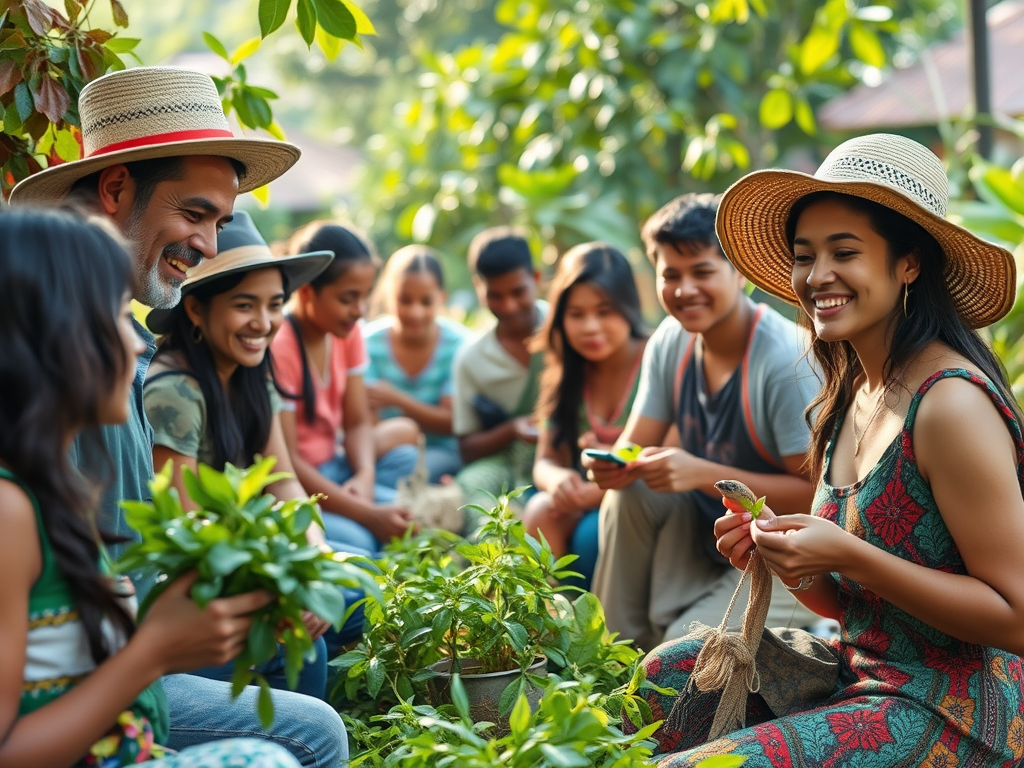
The vibrant interaction between tourists and a local community in a lush, natural landscape, showcases the essence of sustainability and cultural heritage. When these experiences include elements such as guided nature walks or small craft villages, with local artisans demonstrating their skills. A warm and inviting atmosphere is easily created, emphasizing the genuine connections in the stunning outdoor settings. Capturing both the beauty of nature and the authenticity of local culture causes Ecotourism to be enticing for tourists who want new experiences.
Educational component:
Ecotourism typically includes learning about local ecosystems, wildlife, and cultural heritage. Visitors often participate in guided nature walks, wildlife observation, and cultural workshops.
This makes it easy for the children of residents and visitors to learn about these topics a lot more. When tourists stay in big hotels there is no interaction with locals, they are not exposed to the green lifestyle.
Conservation support:
A portion of ecotourism revenue usually goes toward local conservation efforts, helping protect natural areas and wildlife. This doesn’t happen much with the traditional tourism sector, where the beaches and coral reefs, mangroves and other eco systems are sometimes destroyed.
Smaller scale:
Ecotourism operations tend to be smaller and more intimate than mass tourism, with limited group sizes to reduce environmental impact.
Authentic experiences:
It emphasizes genuine interactions with local communities and natural environments, rather than artificial attractions or staged experiences. Tourists can camp under tents instead of paying huge sums for accommodation. Even poor families who want vacations can find great places to stay. When they are willing to enjoy nature in new ways. They can simply purchase tents , solar chargers for electronic devices, a solar stove, solar lanterns , water purifier , food, reading devices and other necessities. When it is time for us to create beautiful memories with our families, we shouldn’t allow lack of funds to stop us.

Responsible practices:
Visitors are expected to follow strict guidelines about wildlife interaction, waste management, and respect for local customs and natural areas.
A few types of locations where locals meaningfully benefit from tourism dollars are shared here:
- Community-based tourism initiatives in places like Bali (Indonesia), Costa Rica, or rural Thailand, where locals own and operate guesthouses, restaurants, and tour services. Sustainable jobs are created and the environment is protected each day be workers.
- Cooperative craft villages, such as those in Mexico, Peru, or Morocco, where artisans sell directly to visitors and maintain control of production and pricing. With this organization there is less criminality, caused by poverty.
- Conservation areas with tourism revenue-sharing programs, like Rwanda’s gorilla tourism model, which dedicates a portion of visitor fees to local community development.
- Heritage sites with local management, such as in parts of Italy or Japan, where municipalities receive tourism taxes that fund public services and preservation. The people in the community will easily be invested in environmental protection so their income will not be negatively affected.
- Indigenous tourism destinations, like those in Australia, New Zealand, or Canada, where indigenous communities share their culture on their own terms while generating sustainable income. With this plan, children learn about their culture each day when they are with the parents who are involved in tourism.
The key elements that help ensure locals benefit include:
- Local ownership of tourism businesses
- Direct employment or sustainable job creation opportunities
- Revenue-sharing mechanisms
- Investment in community infrastructure
- Cultural preservation initiatives
- Environmental protection measures

Eco Tourism and Nature Connection
Children who are aware of all that Nature has to offer and want to keep their planet beautiful are truly special. Their innate curiosity and respect for the environment indicate a deep understanding of the interconnectedness of all living things. These kids often show a profound appreciation for the beauty of the trees, the melodies of birds, and the intricacies of ecosystems, encouraging those around them to engage in sustainable practices.
As parents, it is essential to nurture this awareness and commitment to the environment. Celebrating their birthdays with meaningful gifts that align with their values can be a wonderful opportunity to reinforce their love for Nature. Instead of opting for conventional toys, consider surprising them with experiences that foster their passion for the planet. Gifts like a tree planting kit, a subscription to an environmental magazine, a kindle to read eco-kids eBooks on, or even a day spent volunteering at a local nature reserve can create lasting memories and inspire a lifelong dedication to preserving the Earth.

Moreover, adding educational elements such as eco-kids books about sustainable living can further enrich their understanding. Emphasizing the importance of caring for our planet not only shapes their character but also empowers them to become proactive stewards of the environment. By giving them the great gifts they truly deserve on their birthdays, parents play a vital role in shaping a generation that values and protects the natural world.
Conclusion:
Ecotourism gives families a great opportunity to spend quality time together while they learn about nature. More families can get a chance to enjoy the great outdoors while they discuss new plans to improve their lives. “Today’s children will inherit tomorrow’s planet. Our Eco-kids books gives them the tools to make it better than they found it. 🌎 You can reduce the cost of books significantly by giving children Kindle devices, to read ebooks on. They will be focused on learning as they won’t be as distracted as they are will other devices.
#EcoKidsBook” . Click on the image below

[This article contains some affiliate links. If you purchase products through these links, we may earn a commission at no additional cost to you.]

You can order your kindle here today
 FunWritings
This is so beautiful to see that there are so many people who are aware of saving the environment Denise.
Sure Kamal, we want to enjoy nature for a long time
Yes absolutely true Denise ❤️