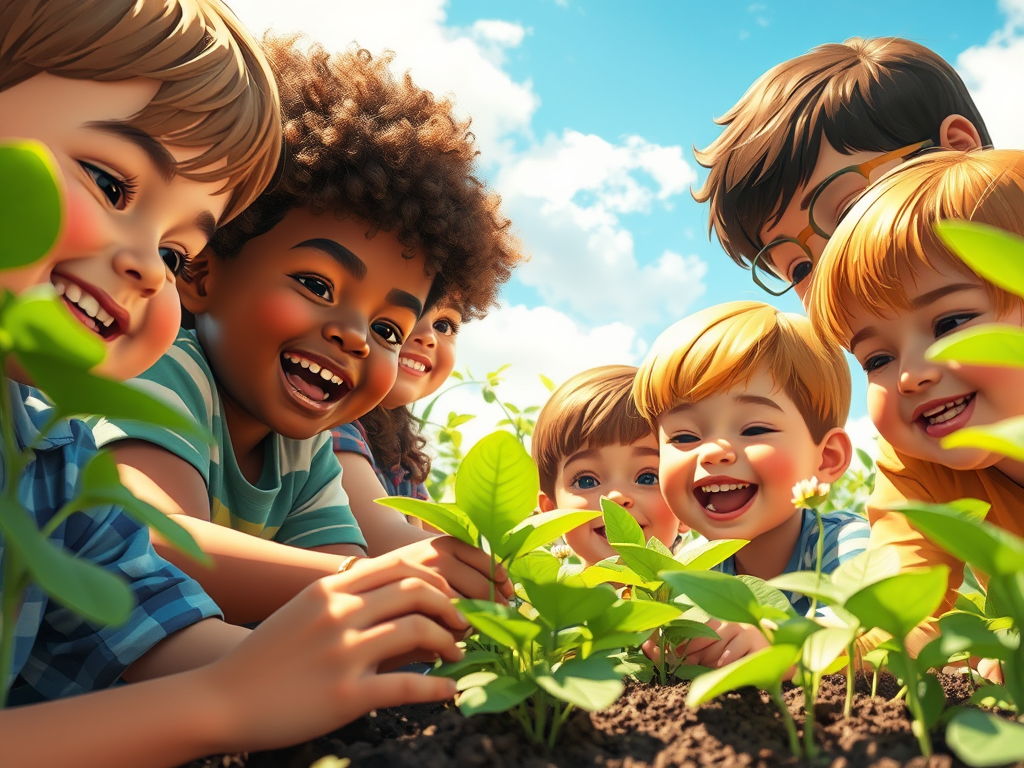
Planning for the kids future and getting them involved is very important and we can encourage more parents to embrace new green habits as they inspire change in the way the Earth is protected each day. There are some balanced insights about how children experience environmental education here:
Children’s responses to environmental protection messaging can vary widely; it depends on how information is presented to them:
- Some children may indeed feel anxious or overwhelmed when learning about complex environmental challenges. Topics like climate change, species extinction, and pollution can be emotionally heavy for young minds.
- However, many children also feel empowered when learning about environmental protection. Educational approaches that focus on positive actions, solutions, and individual attention can help children feel motivated rather than discouraged.
- The way environmental information is presented makes a significant difference. Age-appropriate, hopeful, and actionable messaging can transform potential pressure into constructive engagement. Children will like discussing fun filled green activities that will cause them to fall in love with the great outdoors.

Child psychologists recommendations:
- Presenting environmental topics with hope and optimism: Children can eventually develop a love for Nature when they begin watching plants grow and understand where they food comes from.
- Highlighting successful conservation efforts: When children see new products that are made from old plastic bottles and they get to understand how people earn from their involvement in the process. They can begin understanding the importance of green action.
- Encouraging small, achievable personal actions: When they are encouraged to plant a seed and water it. They will be excited about its growth.
- Creating spaces for children to express their feelings: If there is any green activity that is causing children to feel overwhelmed, they should be able to talk about their feelings. Adults should not burden them.
- Balancing information with emotional support: There are some green activities such as composting and some aspects of waste management, that might cause children to feel unable to cope. Adults should assist them with some tasks if they complain or look exhausted.
Many children actually become passionate advocates when environmental education is done sensitively, viewing themselves as potential problem-solvers rather than feeling helpless. They have encouraged their friends to begin doing green activities too. When this happens they grow up with green habits that will stay with them for their whole lives.
The key is not to instill fear, but to inspire curiosity, respect for nature, and a sense of collective responsibility that feels age-appropriately manageable.

There are specific strategies for communicating environmental topics to children in a constructive manner
Parents can encourage children and guide them as they plant seeds, trees, vegetables, do recycling, reducing, reusing and repairing at first. While they are watching and learning, they can be told about the great benefits they will get from doing what you are doing.
When you are conserving water and energy, you can share your thoughts about the impact your action will have on your bills and what you can do with added savings. This can be used as a great opportunity to begin the conversation with them about money management.
Encouraging children to assist with gardening, composting, recycling, reusing, refusing and reducing can become a very rewarding activity. Some children have found creative ways to compete as and they are happy about solving the plastic pollution problem the world is battling with at this time.
The rewards they receive can cause them to become more enthusiastic about sustainable living and green action.
Conclusion:
The pollution problems are growing daily as manufacturing increases and recycling remains the same. Not enough is being done to protect the environment. If more is not done to decrease pollution. Our children’s future will be dismal. It is best for us to add environmental protection to the list of things they are doing as they prepare to face the future. Encourage them to talk to their friends about joining or beginning their own environmental clubs, in their communities or at school. They can place orders for Eco-friendly children’s books online and give them to their relatives and friends. These books are filled with green living tips and Eco-friendly solutions. This will cause more children to be willing to join the new Eco clubs and more parents will be ready to support the clubs as they grow.
 FunWritings