
Plastic pollution has become one of the biggest challenges of our time. Every year, more than 100,000 sea creatures die from plastic waste, and scientists warn that by 2050, there may be more plastic than fish in the ocean. But there’s hope: world leaders are working on a Global Plastic Treaty to reduce plastic waste and protect the environment for generations to come.
For parents, this treaty isn’t just about politics or international agreements , it’s about the future of our children. Can we see decreased plastic pollution without a plastic treaty? The choices we make today will shape the world they inherit tomorrow. More recycling can be done and there can be decreased plastic production.
🌱 What Is the Global Plastic Treaty?
The Global Plastic Treaty is a landmark agreement currently being developed by the United Nations. Its goal is simple but powerful: end plastic pollution by creating global rules that reduce plastic production, improve recycling, and promote eco-friendly alternatives.
For kids, this means a brighter, safer world — cleaner oceans, healthier wildlife, and fewer toxic plastics in the food chain. Should we keep on increasing the plastic pollution problems so the next generation will have a bigger problem to fix?

🐢 Why It Matters for Children
- Protecting Marine Life
Children love turtles, dolphins, and colorful fish. Without our green action, these creatures are at risk from plastic-filled oceans. A treaty that reduces plastic pollution protects the sea life kids adore. - Healthier Communities
Plastics break down into microplastics, which end up in food and water. Kids deserve safe, healthy environments to grow up in. Plastic is toxic and we need to be concerned about the issue. - Future Opportunities
Green industries, from recycling to new eco-designs. We will create sustainable jobs for the next generation. Teaching kids eco-literacy now, prepares them for these careers. The Eco-Kids Book Project has the books, filled with eco-friendly solutions for plastic pollution. Be a part of the plan for a sustainable future.

👩👩👧 What Parents Can Do at Home
While governments work on big solutions, parents can empower children with small, daily eco-habits that make a real difference. Here are simple ways to start:
- Choose Reusables: Pack lunches in reusable containers instead of plastic bags.
- Say No to Single-Use: Teach kids to avoid plastic straws, bottles, and cutlery.
- Eco Storytime: Read books that explain pollution and solutions in a kid-friendly way. (Eco-Kids books, like “Saving Taffy Turtle,” help children see why their actions matter.)
- Family Eco-Projects: Try crafts with recycled materials, create a compost bin, or start a small home garden.
- Model the Change: Kids learn best by example. Show them how you recycle, reuse, reduce, repair and respect the environment.
📚 Teaching Eco-Habits Through Stories & Songs
Complex treaties may be hard for kids to understand, but stories, songs, and activities make the lessons simple and memorable. That’s why projects like the Eco-Kids Book Series exist — to give parents and teachers creative tools to raise eco-literate children.
For example:
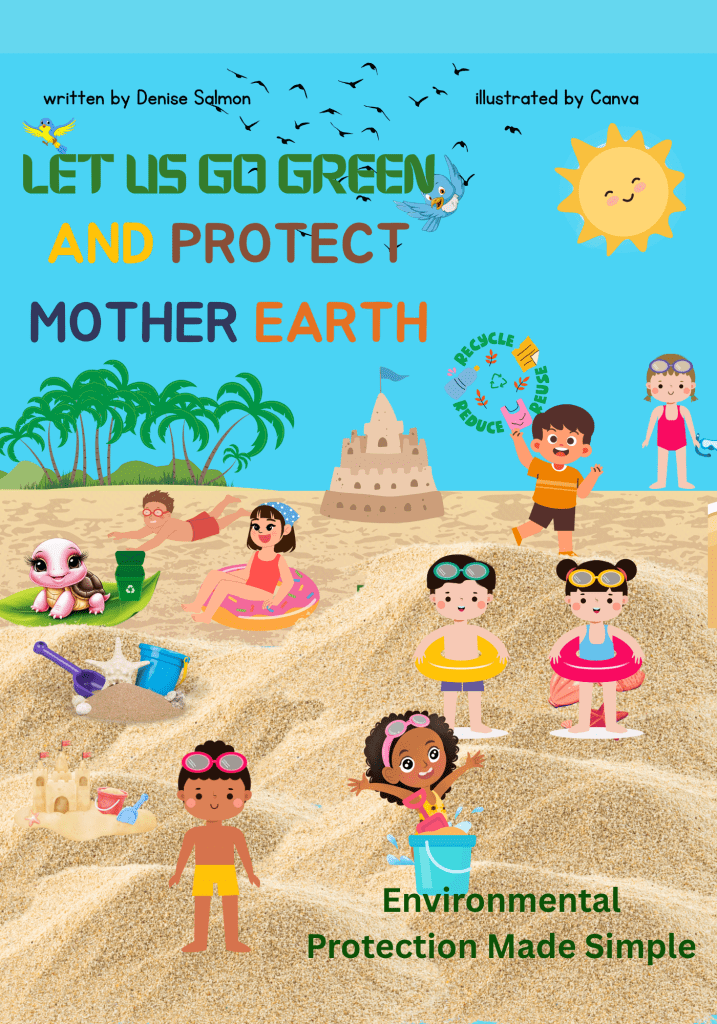
- In Let Us Go Green and Protect Mother Earth, kids learn plastic solutions in simple rhymes.
- In Saving Taffy Turtle, coloring pages help children connect protecting sea creatures with their own choices. They will learn about the sea creatures as they color pages.
🌟 The Takeaway
The Global Plastic Treaty is about more than plastic — it’s about shaping the future our children will grow up in. While leaders debate policies, parents have the power to raise eco-conscious kids who will carry the torch forward.
Start today with small eco-habits at home, and use resources like the Eco-Kids stories to inspire your child. Together, we can ensure that the next generation inherits not a plastic-filled ocean, but a thriving, sustainable planet. Families can learn about sustainability together and begin saving money as they save the planet. We can plan for the future we want to see.
💚 Because every eco-habit learned today is a brighter tomorrow for our kids.
Conclusion and Call to Action
Sustainability for kids is not just a good idea, it is the best plan to give them a future. The depletion of natural resources, the pollution of the air, water and soil, deforestation and food insecurity will not stop happening if we simply continue polluting. Let us tell the next generation about the importance of sustainable living and how they can become the change they need to see.
Click below to support the eco-kids book project in many ways, you will reap great benefits in the future.
 FunWritings
I completely agree with you Denise. Plastic is worse for the environment. Your post is very good and empowering.
Thank you so much for reading it and leaving such a valuable comment Kamal
You are always welcome dear guest Denise. Keep up the good work 🙏🙏🙏🙏