
Recycling and saving both the planet and money can only be our greatest plan, as it not only fosters a sustainable environment but also contributes to economic stability. By embracing recycling practices, we can significantly reduce waste and decrease the demand for new resources, which in turn minimizes environmental degradation. Furthermore, incorporating recycling into our daily lives allows individuals and communities to save money on waste disposal and promotes the creation of green jobs. Ultimately, adopting a culture of recycling not only benefits our planet but also paves the way for a healthier economy and a brighter future for generations to come. When you decide to Decrease pollution, simply use this list of green living activities:
- Refuse what you don’t need
- Reduce what you do need
- Reuse items when possible
- Recycle what can’t be reused
- Rot (compost) organic waste
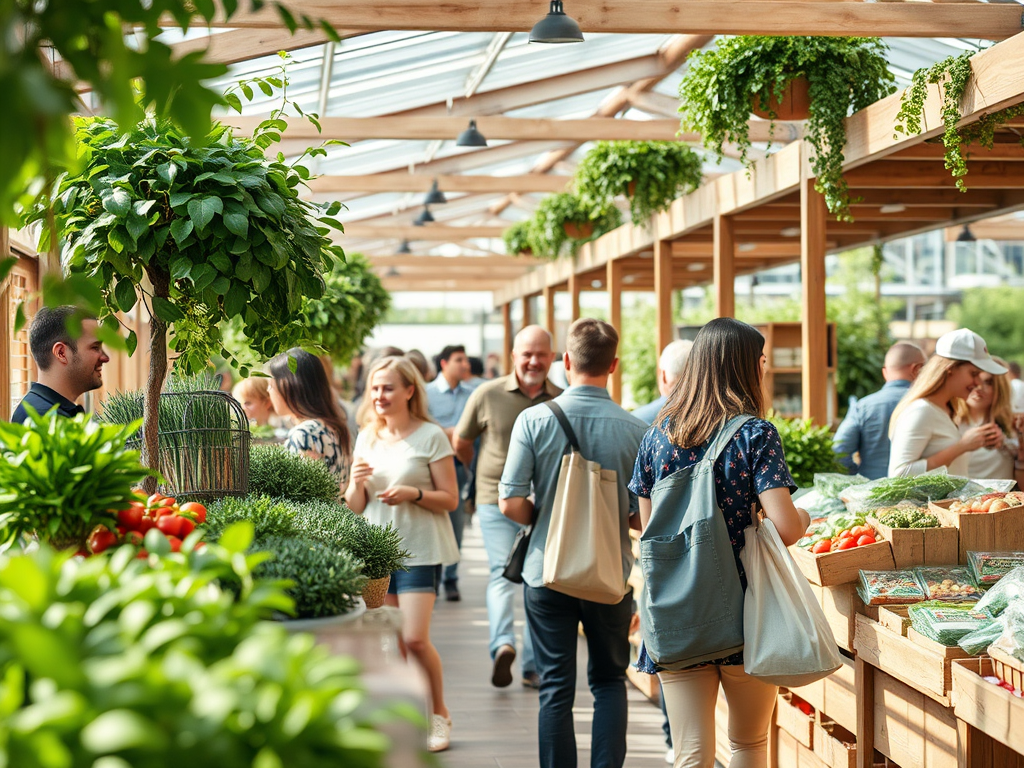
Shopping Mindfully
- Bring reusable shopping bags
- Choose products with minimal or recyclable packaging
- Buy in bulk when appropriate to reduce packaging waste
- Look for post-consumer recycled content in products
Kitchen Waste Reduction
- Plan meals to avoid food waste
- Store food properly to extend freshness
- Use reusable containers instead of single-use plastic wrap or foil
- Start a compost bin for food scraps

Paper Waste Reduction
- Opt for paperless billing and digital subscriptions
- Use both sides of paper when printing
- Repurpose scrap paper for notes before recycling
- Remove yourself from junk mail lists
Creative Reuse Ideas Household Items
- Glass jars for food storage or as vases
- Cardboard boxes for storage or children’s crafts
- Newspaper for wrapping fragile items or as garden mulch
- Empty tin cans as planters or pencil holders
Clothing and Textiles
- Convert old t-shirts into cleaning rags
- Donate wearable items to thrift stores
- Repurpose worn fabrics for crafts or quilting
- Look for textile recycling programs for unwearable items
Furniture and Electronics
- Refurbish or upcycle outdated furniture
- Donate working electronics to schools or nonprofits
- Find manufacturer take-back programs for electronics
- Use local buy-nothing groups or online marketplaces
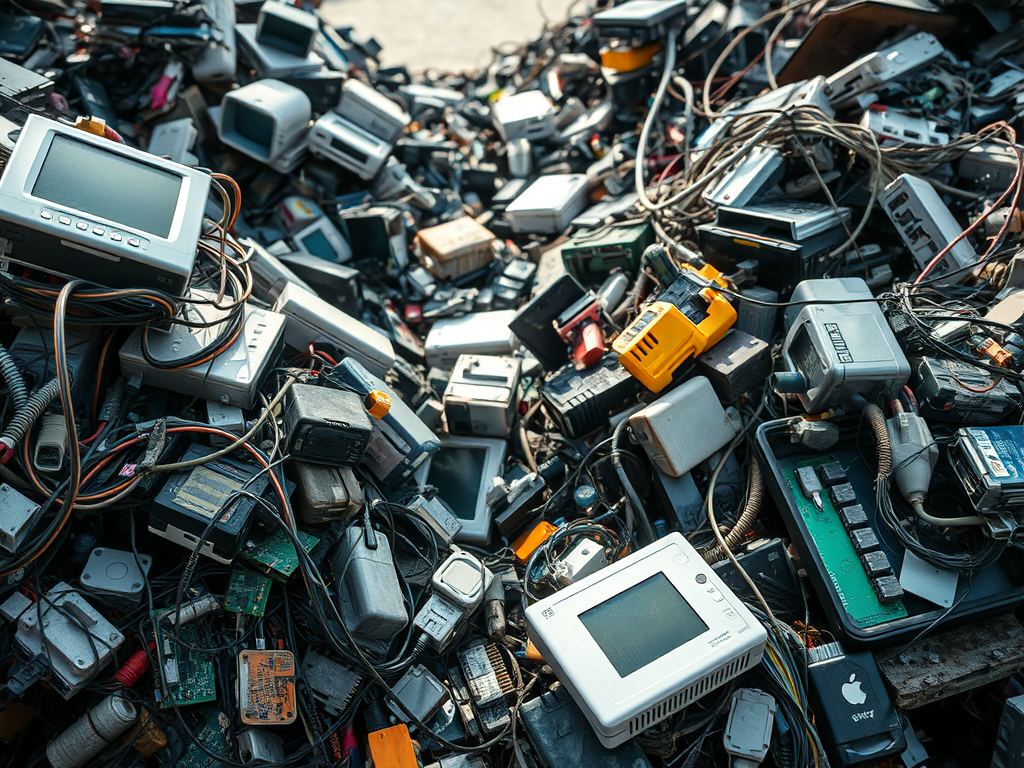
Handling Special Waste Electronic Waste
- Search for e-waste collection events in your community
- Check if manufacturers or retailers offer take-back programs
- Never place electronics in regular trash or recycling
Hazardous Waste
- Store paints, chemicals, and batteries for hazardous waste collection days
- Check for drop-off locations at hardware stores or waste facilities
- Keep hazardous materials in original containers when possible

Composting Basics
- Model good recycling habits for family and friends
- Share information about local recycling programs
- Host a neighborhood swap event for unneeded items
- Volunteer for community clean-up events
Conclusion
Effective recycling isn’t just about putting items in the correct bin—it’s about developing a mindset that values resources and minimizes waste. By understanding what can be recycled, preparing materials properly, and embracing reduction and reuse strategies, we can significantly decrease our environmental footprint and move toward more sustainable living practices.
Remember that small, consistent actions will add up to meaningful change. Start where you are, implement what you can manage, and gradually build more sustainable habits into your daily routine. Children will be along how to become the change they need to see by simply following the example you are setting. Green action can be a change maker. You can also give them eco-kids books to read. They will easily share them with their friends as they encourage them to go green as well.
[This article contains some affiliate links. If you purchase products through these links, we may earn a commission at no additional cost to you.]
Conclusion
Our children are the future and they can begin learning about the many environmental solutions they can use to improve their well being and health. Let us get busy, protecting our environment as we pass on the important information children need to them. They can have the bright future they deserve if we tell them the facts about the situation now and give them solutions. The Eco-kids book project is providing simplified information for kids and adults about the sustainable solutions we can all use to make the future bright.
 FunWritings
One thought on “Beyond Basic Recycling: Reduction Strategies the Waste Hierarchy”