
Green living for children and it’s benefits both now and in the future can cause a transformation. As children grow up to become eco conscious adults who protect the environment. Since children are always eager to learn, teaching them about green living helps them develop environmental consciousness early in life. They will also be provided with numerous practical benefits. Decreased environmental pollution, improved waste management plans, more waste to wealth projects etc. are some of the benefits they will have. This is where you will see information about why it matters and how to approach it:
Educational Benefits
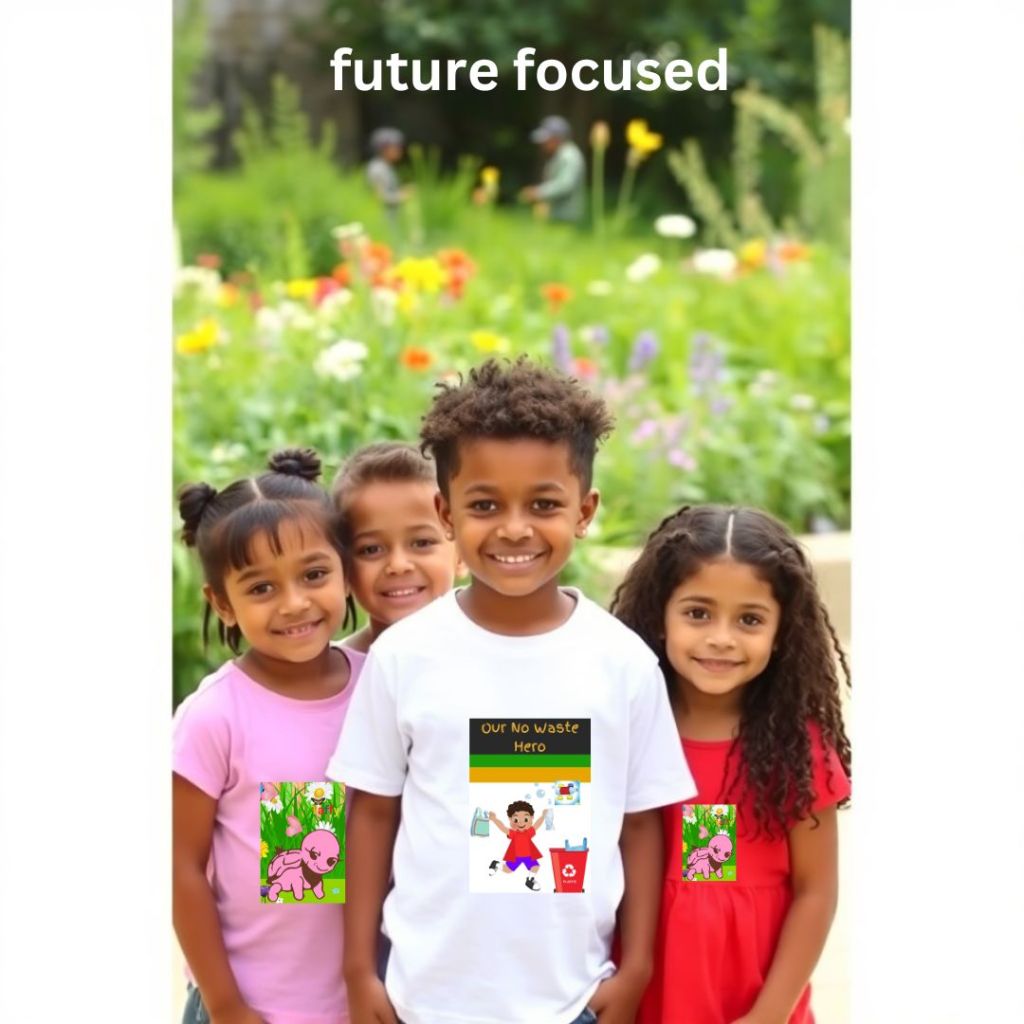
Children acquire essential scientific concepts through engaging environmental activities. Mastering recycling, reusing, reducing, composting, and energy conservation fosters critical thinking skills and links them to pressing real-world challenges. When kids grow their own food or track household water usage, they actively apply math, biology, and data tracking in a natural way. It’s straightforward for adults to motivate children to participate in green activities. My father’s initiative to involve me in farming—claiming one of his cows was mine—sparked my lasting interest in agriculture. With the Eco-Kids Book Project, parents no longer need to replicate what my father did. There’s a YouTube channel and an eco-kids bookstore online, providing all adults with easy access to eco-friendly tips and solutions for their children’s smart devices.
Health Advantages for Eco-Kids and what Green living typically means:
Green living involves making choices that will improve environmental protection. Green parents will encourage children to conserve water, energy and food as they use green energy to decrease pollution. Other green living tips are listed below.
- Reduced exposure to harmful chemicals through use of natural cleaning products
- Better indoor air quality from houseplants and natural ventilation
- Increased physical activity through walking, biking, and gardening
- Healthier eating habits from growing vegetables and choosing local, organic foods

Practical Life Skills Development
Practical life skills development cause children to be equipped to grow their own food, conserve natural resources and more. They will also find it easy to plan for achieving the sustainable development goals as they grow. Listed below you will find other benefits for children who practice green living :
- Resource management abilities through water and energy conservation
- Financial literacy by understanding utility bills and cost-saving measures
- Basic gardening and food production knowledge
- Problem-solving skills through waste reduction challenges will cause children to experience improved emotional and social development.
Emotional and Social Development
Engaging in environmental activities helps children in many ways. They will be more aware of the need for environmental care. This will cause them to begin telling others about what they know. They will also be getting ready to build environmental protection awareness in a new and better way. Environmental education for children will cause them to plan for the sustainable future and live to see brighter days. There are added benefits here:
- Build responsibility and empathy for living things
- Develop a connection to nature and their community
- Feel empowered to make positive changes
- Learn cooperation through group environmental projects. Parents will discover how easily children develop green habits while they do simple green living activities.
Simple Green Living Activities for Kids
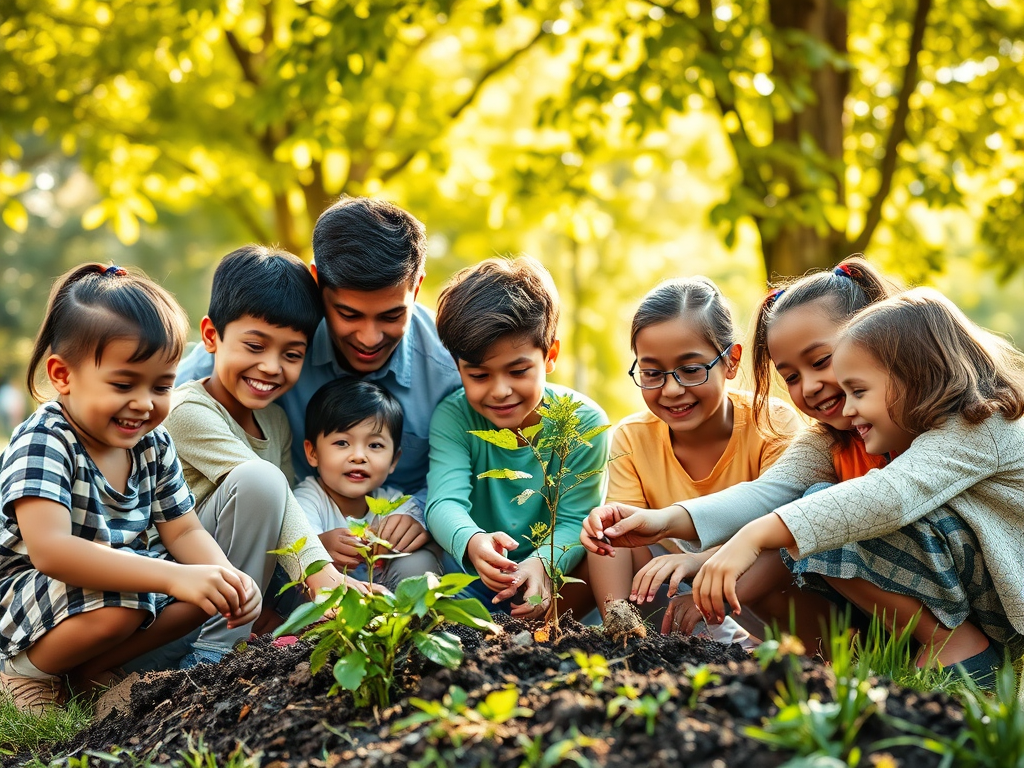
Start with basic activities like:
- Creating a home recycling station
- Setting up a small container garden
- Making crafts from recycled materials
- Using reusable water bottles and lunch containers
- Walking or biking to nearby destinations
The key is making green living fun and age-appropriate while emphasizing its positive impact. When children understand how their actions affect the environment, they’re more likely to maintain green habits throughout their lives. They will also be willing to pass on their knowledge to the next generation.
Conclusion
Since the use of artificial intelligence is increasing and the way humans work is also being transformed. It is more important for the next generation to be equipped with information about environmental protection. They will need to be ready to take care of their basic needs (which could easily include providing food for themselves) from an earlier age. They will need to be ready to tackle the increasing plastic pollution problem, deforestation, air pollution and other environmental issues. With added creativity and critical thinking skills solving pollution problems will be easy for them.
With all that in mind, there is need for increased environmental education in schools. Click on the buttons below to support the eco-kids book project. The books are filled with rhymes and simplified eco-friendly solutions. Life will be better when we our kids know how to decrease pollution.
Place an order here for reading devices, I will get a commission from the sale
 FunWritings