Sustainable development and economic growth will only happen when renewable energy is used by more people. There will be more productivity and green business growth, as more people use renewable energy sources and see energy bills decreased. Sustainable development and the growth of green businesses will cause us to move towards having a green future. Affordable renewable energy will cause a drastic decrease in poverty. Increased economic growth and decreased pollution can one day be seen with the use of clean energy. It would be good if more leaders would embrace the circular economic model. This will cause the growth of green jobs and the decrease of pollution. It is time for us to discuss this issue in a meaningful way.

The intricate relationship between renewable energy, economic growth, and sustainable development pulses with potential and promise. A drop in fuel costs ignites the engines of small businesses, propelling economies forward in a breathtaking dance of innovation and resilience. Yet, sustainable growth hinges on our collective commitment—individuals ready to embrace sustainable careers and visionary job creators eager to invest in a thriving, green future. If we fail to elevate environmental protection awareness, we risk stagnating in a cycle of pollution that suffocates our planet. It is imperative that we cultivate a green mindset, for without it, we remain shackled to the very challenges we seek to overcome.
Renewable Energy’s Role:
If we want to achieve sustainable economic growth, we must transition to clean energy. The ups and downs of oil prices can harm our economies, but using renewable energy offers many advantages that can lead to stability and prosperity. Here are some of those benefits:
- Provides clean, sustainable power sources like solar, wind, hydro, and geothermal
- Reduces dependence on finite fossil fuels and their environmental impacts
- Creates new jobs and economic opportunities in emerging green industries
- Helps stabilize energy costs over the long term once infrastructure is established

Economic Growth Considerations:
A shift to the use of clean energy will be good for the planet, as it presents a sustainable alternative that not only helps to reduce carbon emissions but also mitigates the adverse effects of climate change. Economic growth driven by crude oil often correlates with increased pollution, significantly impacting air and water quality, which in turn affects public health, particularly in vulnerable populations. Furthermore, this reliance on fossil fuels can perpetuate cycles of poverty among communities in several countries, hindering their ability to invest in cleaner technologies and sustainable practices. By transitioning to renewable energy sources like solar, wind, and hydroelectric power, we can foster economic development that prioritizes environmental stewardship and social equity, ensuring a healthier planet and improving the quality of life for all individuals. Added facts are listed below:
- Initial investment costs for renewable infrastructure can be significant
- Technology improvements are continuously reducing renewable energy costs
- Energy security through domestic renewable sources can support economic stability
- New green sectors create opportunities for innovation and entrepreneurship
- Skills development and workforce training create higher-value jobs
Sustainable Development Benefits:
Sustainable development, with its focus on decreasing pollution, implementing green job creation strategies, and promoting renewable energy sources, is vital for ensuring a healthier existence for all living beings on our planet. These initiatives not only contribute to the reduction of harmful emissions but also foster economic growth through the creation of sustainable jobs in various sectors, such as clean energy, eco-friendly manufacturing, and conservation efforts. By embracing sustainable practices, we are making a collective commitment to protect our environment, preserve natural resources for future generations, and ultimately improve our quality of life. This holistic approach ensures that we can meet the needs of the present without compromising the ability of future generations to thrive, making it the best choice for our planet and its inhabitants. Other benefits are listed below:
- Reduced environmental impact and carbon emissions
- Improved public health through reduced pollution
- Enhanced energy access for remote and developing communities
- More resilient infrastructure and energy systems
- Better alignment with global climate goals and agreements

Notable examples of successful renewable energy transitions and their economic impacts:
It is truly inspiring to see Denmark’s leaders acknowledging the urgent need for sustainability! There is absolutely no justification for destruction when we possess the incredible potential to be productive. Together, let us wholeheartedly embrace Denmark’s Wind Power Revolution:
- Transformed from 90% fossil fuel dependency in the 1970s to becoming a world leader in wind power
- Wind now provides over 40% of Denmark’s electricity
- Created a thriving wind turbine manufacturing industry, with companies like Vestas becoming global leaders
- Generated approximately 33,000 jobs in the wind energy sector
- Exports wind technology and expertise globally, contributing significantly to the economy
- Reduced energy costs for consumers while improving energy security
Germany’s Energiewende (Energy Transition):
Increased job creation and energy ownership made this clean energy transition more effective.
- Implemented comprehensive renewable energy policies since 2000
- Created over 300,000 jobs in the renewable energy sector
- Developed a strong solar and wind manufacturing base
- Achieved significant cost reductions in renewable technologies through early adoption
- Local communities and farmers benefit from energy ownership opportunities
- However, faced challenges with initially higher electricity prices during the transition
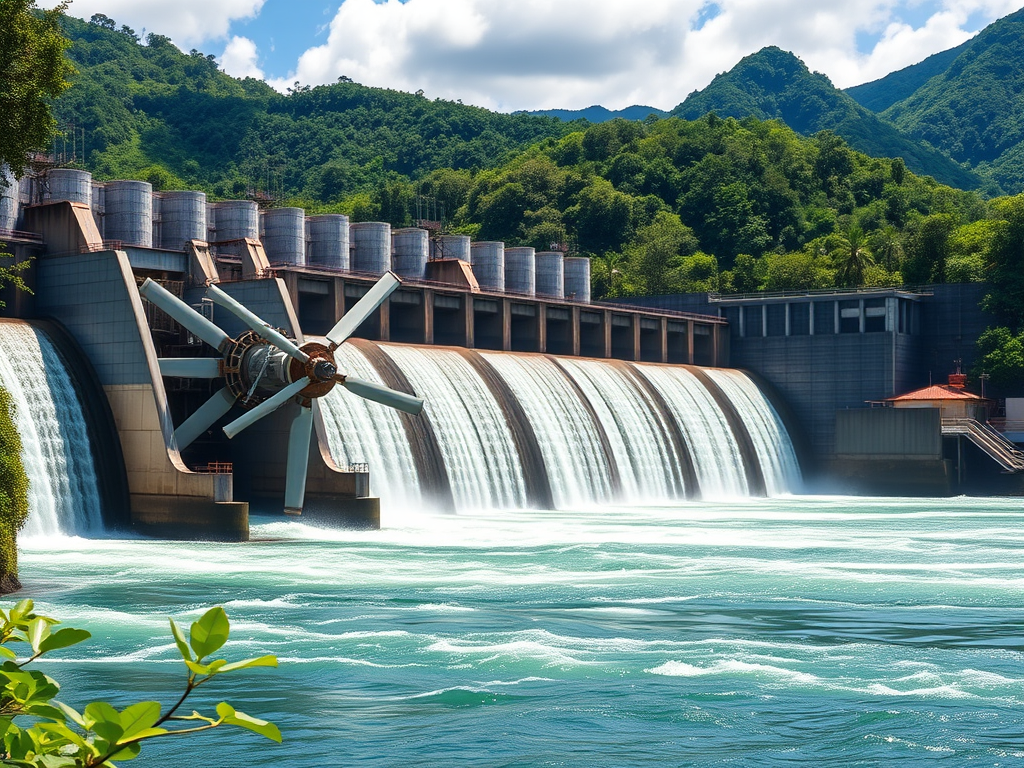
Costa Rica’s Clean Energy Achievement:
- Runs on nearly 100% renewable electricity, primarily through hydropower
- Attracted eco-conscious businesses and tourism
- Reduced energy import costs significantly
- Strengthened economic resilience through energy independence
- Created new job opportunities in renewable energy maintenance and operations
- Became a model for sustainable development in developing nations
Scotland’s Offshore Wind Success:
- Rapidly expanded offshore wind capacity
- Created thousands of jobs in construction, maintenance, and related services
- Developed new port infrastructure supporting renewable energy
- Attracted significant foreign investment
- Established new training programs and educational opportunities
- Currently generates enough wind power to meet most of its electricity needs
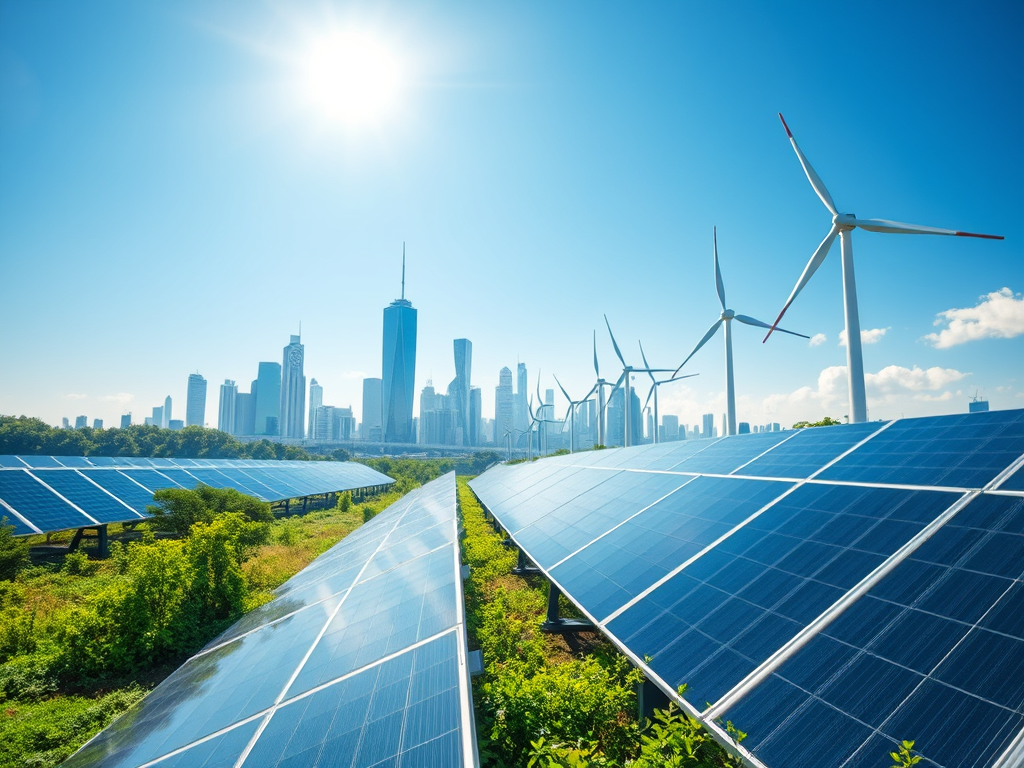
China’s Solar Manufacturing Leadership:
China produces roughly 80% of the world’s solar panels and controls about 95% of certain key production stages like wafer manufacturing. This dominance extends across the entire supply chain, from polysilicon to finished modules.
This makes it easy for the rest of the world to be supplied with solar energy, as advancements in technology and infrastructure enable more efficient energy capture and distribution. With the increasing reliance on renewable sources, nations can harness the abundant power of the sun, reducing their carbon footprint and promoting sustainable development. This shift not only benefits the environment but also empowers communities by creating jobs in the green energy sector and enhancing energy security on a global scale. Other countries can simply train people to set up the panels etc. and quickly begin decreasing energy bills. The benefits are here:
- Created millions of jobs in manufacturing and installation
- Drastically reduced solar panel costs globally through scale production
- Developed significant domestic renewable energy capacity
- Built a strong export industry for renewable technology
- Improved air quality in major cities through reduced coal dependence
These transitions demonstrate several common economic benefits such as:
- Job creation in new industries
- Development of export opportunities
- Reduced energy import costs
- Increased energy security
- Technology development and innovation
- Local economic development through distributed energy projects
- Long-term cost stability once infrastructure is established
They also highlight some important lessons:
Planning for a sustainable future requires patience and work force training. Populations need to be informed and ready to assist in every way. There is also a need for unity of purpose. Governments and citizens will need to be focused on increasing clean energy use.
- Success requires consistent long-term policy support
- Initial costs may be higher but decrease over time
- Investment in workforce training is crucial
- Local community involvement and benefits are important
- Integration with existing infrastructure needs careful planning
- Economic benefits often extend beyond the energy sector itself
Conclusion:
Planning for a sustainable future is more exciting than ever! Adults can actively support the Children’s Eco Book Project in countless ways as they embrace sustainable living. Let’s celebrate the fact that children are the future, and they are eager to learn and make a difference. By empowering them with knowledge, we can inspire a generation that will protect our planet. While the challenges of plastic pollution and toxic soil may seem daunting, together we can turn the tide and create healthier environments for everyone. What is your country doing to increase the use of clean energy?
Sustainability for kids is not just an idea—it’s a movement! They will grow up to innovate solutions for pollution and lead vibrant lives. Click on the buttons below and join us in making a positive impact today!
 FunWritings
2 thoughts on “Renewable – to learn about sustainable energy sources”