
Amidst the numerous changes occurring, we must remain poised and ready to embrace better approaches when it truly matters. Planning for a sustainable future involves not only creating sustainable jobs for ourselves and others but also setting commendable examples for the younger generation. Exciting new plans are underway to ensure a bright future, so let’s commit to staying informed and engaged.
Recently many more machines and technologies used to transform old plastic into new products are being used. They range from simple mechanical shredders to advanced chemical recycling, AI-powered sorting, and even machines that convert plastics into oil or fuel. There’s a breakdown here of the main types, some examples, and what to watch out for. Sustainability can guide us to new plans for job creation and business growth. Should we embrace a change?
🔧 Types of Plastic-Recycling Machines & How They Work
| Type | What It Does / How It Works | Good For / Products Made |
|---|---|---|
| Mechanical Recycling Machines | Shred, wash, melt, and remold plastics. Basic tools: shredders, grinders, extruders. | Pellets, plastic boards/furniture, packaging, recycled filament for 3D printing. Example: RecycleBot turns waste plastic into filament. (Wikipedia) |
| Pyrolysis / Plastic-to-Fuel Machines | Heat plastics in the absence (or low presence) of oxygen (pyrolysis) to break them down into oil/fuel which can be refined or used as energy. | Fuel, chemical feedstock. Example: Petgas (Mexico) converts plastic waste into gasoline/diesel. (AP News) |
| Chemical / Enzymatic Recycling | Break plastics down to monomers or other basic building blocks chemically or using enzymes. Allows recycling of mixed or difficult plastics. | New plastics, possibly high-grade or food-safe plastics. Example: Scindo from the UK uses enzymes to recycle tough plastic waste. (lionplastics.net) |
| Composite / Mixed Waste Conversion | Machines that combine different household/organic waste (including plastic) into composite materials or thermoplastics used for durable products. | Construction materials, furniture, consumer goods. Example: UBQ Materials makes thermoplastic composites from mixed household waste. (Wikipedia) |
| Robotic Sorting / AI-Assisted Machines | Use robots, cameras, machine vision, AI to sort plastic by type, color, quality. Helps feed cleaner material into recycling streams. | Makes downstream recycling more efficient, reduces contamination. Example: AMP Robotics and Greyparrot using AI vision systems to sort plastics. (ecoex.market) |
🌱 Some Notable Examples & Innovations
- Ashaya (India) converts multi-layered plastics (commonly hard to recycle) into polymer blends that can be used for accessories and industrial products. (Wikipedia) Gone are the days when some plastic could not be recycled. I always wanted to see a change and now it is possible that AL has made a difference.
- Waste Chakra (India) small / decentralized pyrolysis machines, some solar-powered, so villages or small businesses can run them. (lionplastics.net) Creating sustainable jobs for the poor is an awesome thing to do. This will put us on track as we try to achieve the sustainable development goals.
- Tata Power’s Anokha Dhaaga in India; converting single-use plastic waste into recycled fabric products, creating jobs especially for women. (The Times of India) Sustainability is causing a change in the way jobs are created and this is a great improvement in living standards for people and there are many benefits for environment.
- UBQ Materials — turning mixed household waste into thermoplastic composites, used in construction, logistics, and more. (Wikipedia) Waste to wealth has become more enticing with these new advancements in technology. Good to see that we are moving in a great direction.
- Arqlite — produces “Smart Gravel” from mixed plastics waste; used in construction or landscaping. (endplasticwaste.org) Another way to decrease pollution and create many new jobs for the people. We can plan for economic growth in much better ways when sustainability is encouraged.
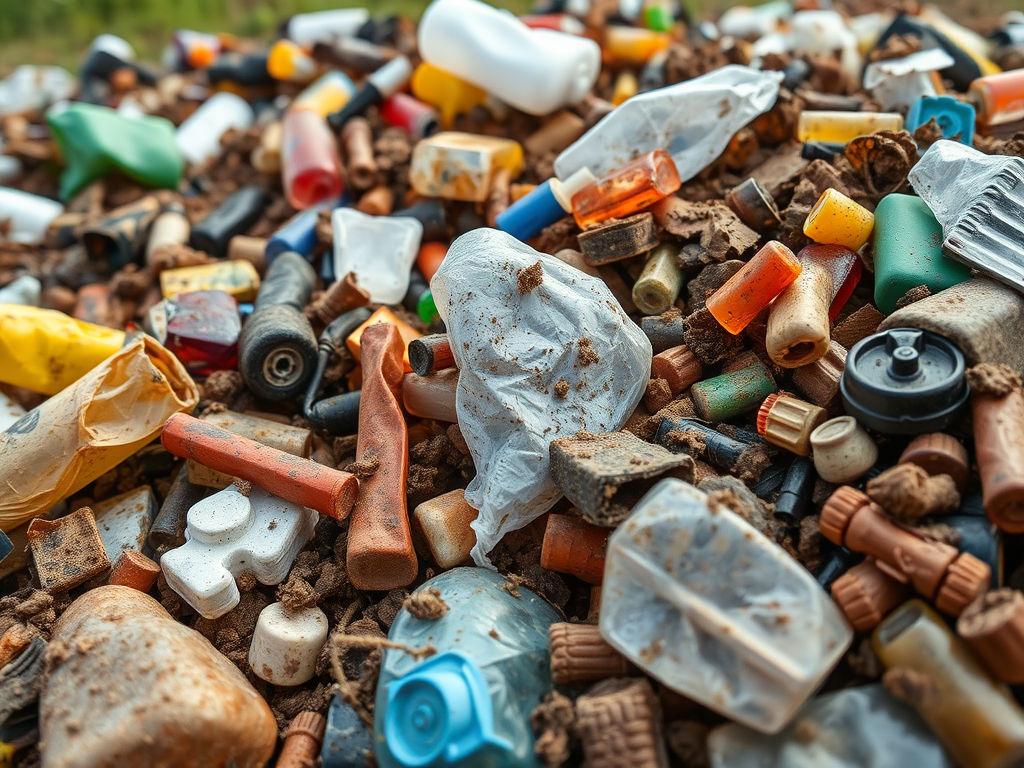
⚠️Challenges to Watch Out For
- Contamination: Plastics mixed with other materials (food waste, non-plastic parts) can damage recycling machines or reduce quality of recycled material.
- Energy and emissions: Some advanced chemical recycling or pyrolysis machines require high energy inputs. If powered by non-renewable sources, they may not always be net-positive in carbon emissions.
- Cost & scalability: Most machines, especially chemical recycling or enzymatic types, are still expensive or at pilot scale. Scaling up to handle large volumes globally is a challenge. We hope as time goes by this machines will become more accessible..
- End markets: Even when you create recycled plastic, you need buyers, companies willing to pay for recycled plastic to use it in products. If you are not planning to use it to make new products and start your own business on your own. It is good to make a plan to grow a sustainable business on your own before you begin recycling plastic.
Why This Matters for the Eco-Kids Book Project & Everyone
- Teaching about these machines and solutions helps children and adults see that pollution can be turned into opportunity. This is important for everyone, as we plan for a green future.
- Encouraging support or awareness of recycling tech builds hope; not just talk. For all those people who lost their jobs; there are great new ways to begin earning.
- If more communities invest in or adopt these machines, pollution can decrease; plastic waste becomes a resource instead of an environmental hazard. Starting a business with free raw material is truly a great idea. As we increase the sustainable living practices, pollution will decrease.

Conclusion and call to Action
Keeping children on a steady diet of positive plans for the future, while they are learning about other eco-friendly solutions can only take us to a great place. Gone are the days when jobs were being created in the old way. Many careers were destroyed because of technology over the years. Sustainability opens doors for the children so their future can be bright. The Eco Kids Book Project is here with both Eco Kids Books and Eco Nursery Rhymes to help children to learn about sustainability in simple ways. Green parenting can easily happen in more homes now. Click on the buttons below to subscribe, shop, learn more and sing.
 FunWritings
Thanks for sharing
Welcome….
True and the video is so lovely, Denise. We all must take care of our envioronment and create jobs that are good for our environment. Thanks.
You are welcome Kamal, we can benefit from what we do for the earth in so many ways
I completely agree with you dear Denise 💗🙏