As screens get smarter and artificial intelligence becomes part of everyday life, parents and teachers are asking: How do we educate children in a way that prepares them for the future, without losing touch with the real world?
A fresh, eco-conscious answer is here, it includes blending digital learning, emotional growth, and environmental action to create a holistic approach that nurtures both the mind and the planet. With the integration of innovative technology with interactive educational methods, we can engage learners in meaningful experiences that foster critical thinking and empathy. While you combine learning with playing whenever possible, it’s essential to encourage exploration and creativity in natural settings, allowing students to develop a deep connection with their environment. This initiative not only promotes sustainable practices but also cultivates a generation of environmentally aware individuals who are equipped to make impactful changes in their communities.
1. Begin With Core Values
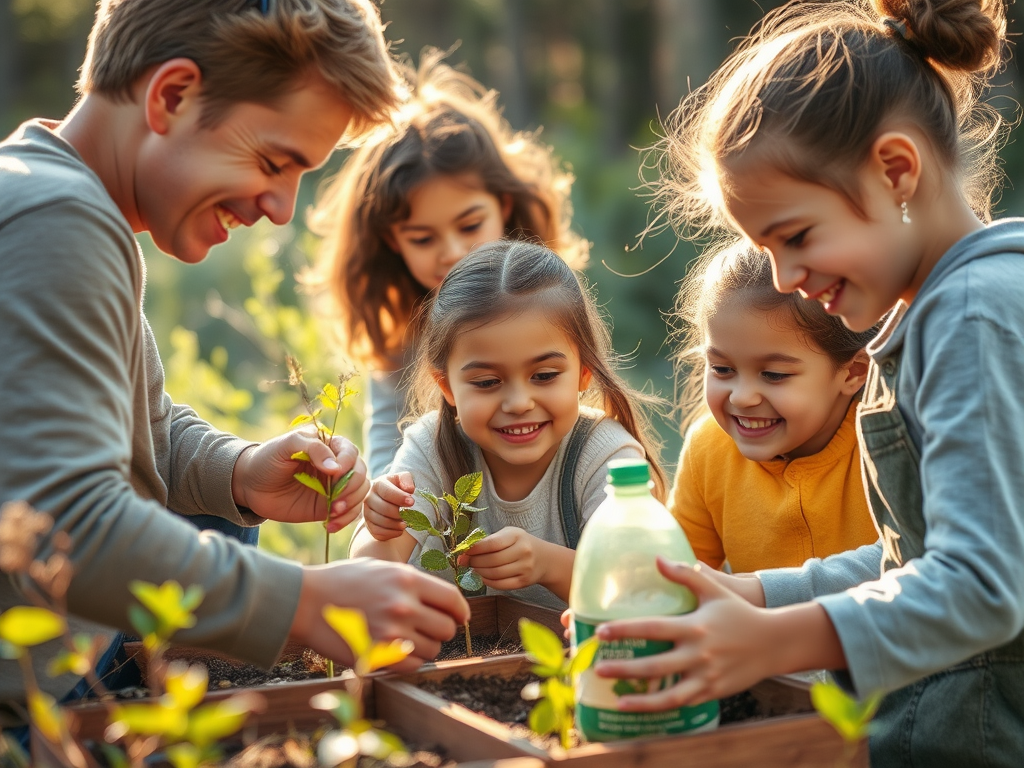
Start with what truly matters such as the protection of the environment. Teach children kindness, responsibility, and love for the planet, fostering a sense of compassion towards others and the environment. By instilling these core values, we prepare them to be more thoughtful individuals who understand the impact of their actions on the world around them.
These values help them to use technology wisely, not blindly, empowering them to discern right from wrong, encouraging critical thinking, and promoting a balanced relationship with the digital landscape. This foundation will not only guide their interactions in the virtual world but also cultivate a generation that prioritizes empathy and sustainability in both personal and communal actions. The sea creatures and other animals on the planet needs our protection.

2. Embrace Tech — But Set Boundaries
Children learn fast with tools like:
- ✨ Educational AI apps
- 🎥 YouTube learning videos (like our Eco-Kids stories, tips and songs!)
- 📱 Interactive reading and quiz platforms
But remember: screens can’t replace connection. Balance tech time with outdoor play, crafts, and real-world discovery.
🌱 3. Keep It Hands-On
Kids need to dig, plant, sort, and build!
Try:
- Teach them about Gardening with seeds ( in the Book ” Magic in the Seed” they will learn about what happens after a seed is planted)
- Making crafts from plastic waste is another great idea ( in the book “Reuse for Taffy Turtle” they learn about using old plastic to make something new. Their creativity will be boosted.
- Encourage children to observe nature and track changes
- Joining an eco-club or green project is another way of helping children to get involved in making their own future bright.
Tactile learning leads to deeper understanding. Children will need to be ready to become the change they need to see. There was a lot of focus placed on technology and wars by this generation. This makes it more important for children to have a good understanding of the environmental issues they could inherit. Restoration of important eco systems will be needed and much more recycling is another way to decrease mining and increase sustainable job creation,
🧠 4. Build Critical Thinkers, Not Just Clickers
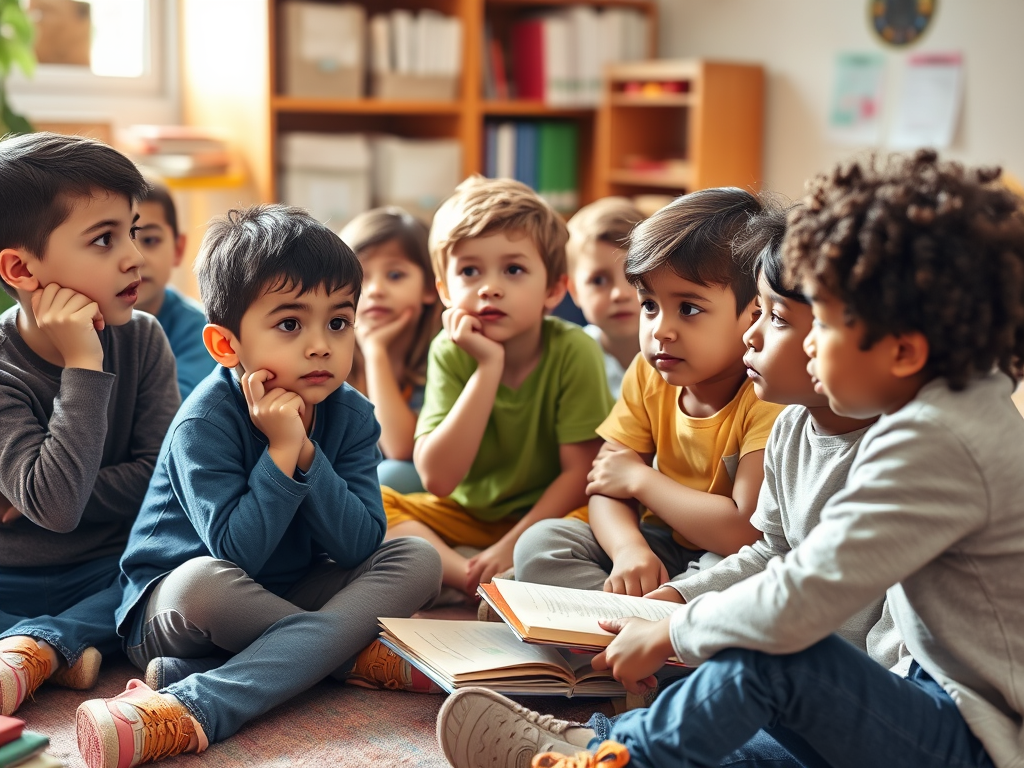
AI delivers answers fast — but children must learn to:
- Ask thoughtful questions
- Evaluate what’s true
- Solve real problems (like plastic pollution)
Your eco-stories and challenges encourage active learning and creativity — not passive scrolling.
🧘 5. Don’t Forget Emotional Intelligence
In a high-tech world, EQ matters more than ever:
- Teach empathy through storytelling
- Promote patience, gratitude, and mindfulness
- Encourage teamwork and kindness
Kids who care and share will help us to have the kind of future we need.
6. Raise Earth-Loving, Future-Ready Kids
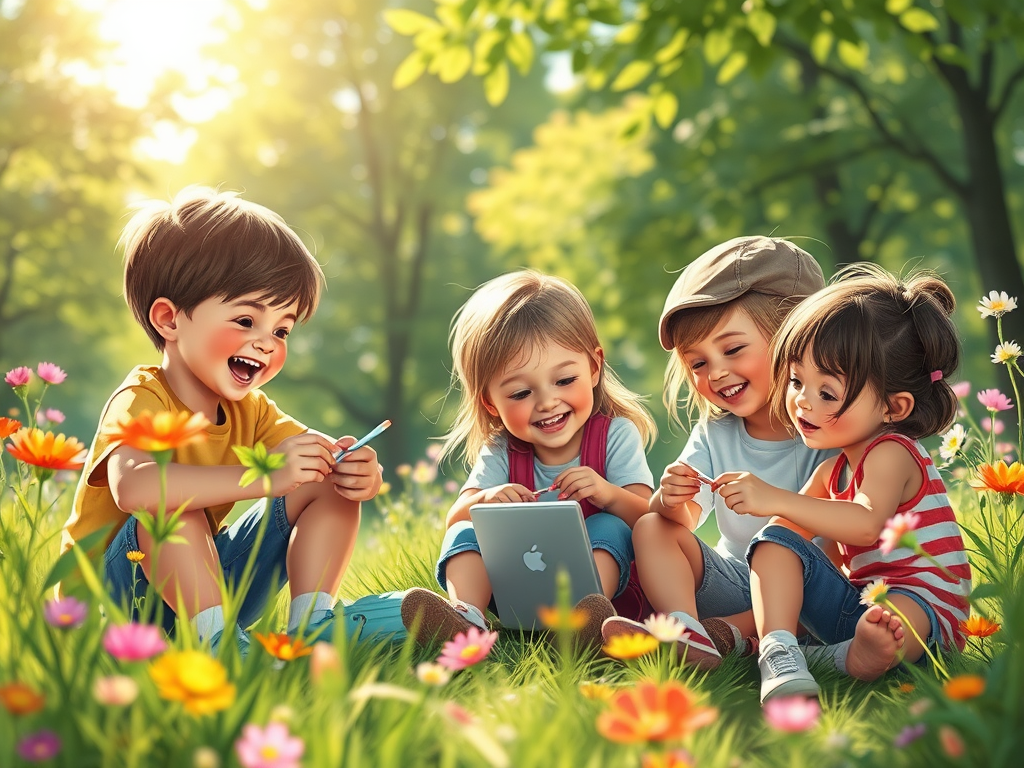
Talk with children about Climate change and plastic pollution.
Let them imagine careers like Marine biologist, Eco-engineer, Green content creator and other sustainable jobs.
The Eco-Kids books and songs for the Eco-friendly project make big ideas fun and easy to understand.
7. Guide Them With Love and Limits
- Create screen-free times for nature and conversation
- Help them set goals, make choices, and stay safe online
- Support their learning with eco-friendly resources

The Best Education Blends Head, Heart, and Hands
Let AI and tech support their journey — but keep nature, creativity, and community at the core.
That’s how we grow smart, kind, and green kids — one pink turtle at a time. 🐢🌎
Want to help kids learn how to protect the planet?
Saving the planet is more important than technology if it can’t give us the environmental solutions we need. We should not continue using it. I have noticed an increased numbers of cancer patients and we know plastic is toxic. If we do not raise future focused children who want to live in better ways our planet will become more toxic as time goes by. Becoming the change we need to see is possible and we can save money while we protect the environment. There is no excuse, it is time for change. Helping the children includes setting a good example for them each day after we develop green habits. The needed information has been simplified so families can learn about green living together. Simply click on the links below to subscribe on you YouTube channel and sing the eco songs, place orders for the eco-kids books and download your free eco planner.
📚 Explore our books & songs: www.funwritings.com
📺 Subscribe to the channel: YouTube – Fun Writings n’ Things
🎨 Join our Eco-Kids Summer Project with free printables and contests!
“Side by side, hand in hand — a greener world is ours to plan.”
 FunWritings
One thought on “How to Educate Children in the Age of Technology and AI — While Still Thinking about the Future of the Planet”