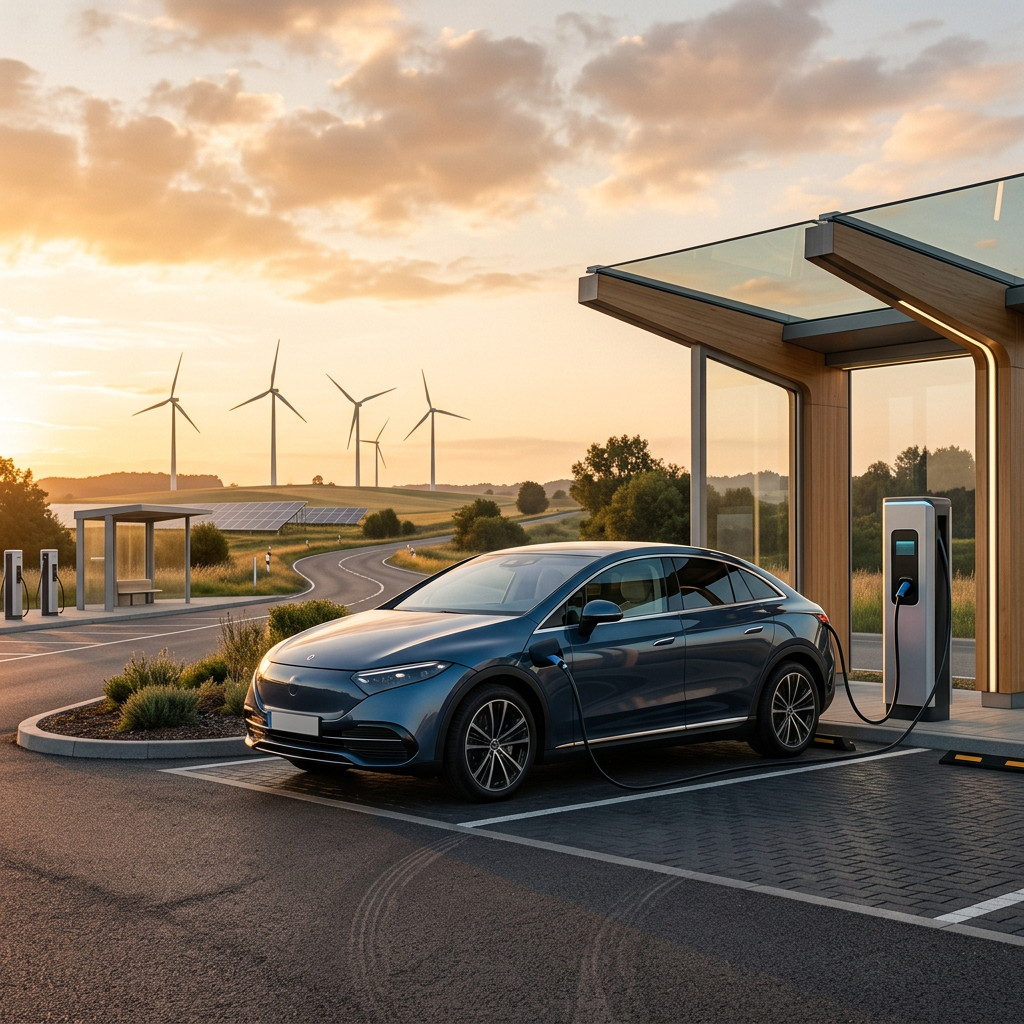
Electric vehicles are rapidly transforming how we think about transportation and for good reason. As fuel prices remain unpredictable and environmental concerns continue to grow, more drivers and families are discovering the real-world benefits of making the switch. From significantly lower running costs to a reduced carbon footprint, electric vehicles offer a practical, forward-thinking solution for individuals, communities, and economies alike. In this article, we explore how electric vehicles can help reduce transportation costs, cut our dependence on oil, support cleaner energy, reduce pollution, and contribute to long-term economic stability.
The electric vehicle benefits that drivers experience go far beyond simply skipping the gas station. Electric vehicles are fundamentally changing the economics of personal transportation. Unlike gasoline-powered cars, which require constant fuel purchases and frequent engine maintenance, electric vehicles operate on electricity, a resource that is increasingly affordable, widely available, and sourced from a growing mix of clean, renewable sources. As battery technology improves and the charging infrastructure expands, electric vehicles are becoming a compelling choice for a broader range of people than ever before.
Affordable Transportation: Lower Costs Over the Long Term
One of the most compelling reasons people choose electric vehicles is the promise of more affordable transportation over time. While the upfront purchase price of an electric vehicle can be higher than a comparable gasoline car, the ongoing costs are substantially lower. Electricity generally costs less per mile than gasoline, and electric motors have far fewer moving parts, meaning less wear and tear and fewer trips to the mechanic. Owners typically spend significantly less on maintenance because there are no oil changes, no exhaust systems to service, and fewer brake replacements thanks to regenerative braking technology.
Reduced fuel costs are a major driver of this savings. Charging an electric vehicle at home, especially overnight during off-peak hours can be remarkably inexpensive compared to filling a tank with gasoline. For families and commuters who drive regularly, these savings accumulate meaningfully over months and years, making electric vehicles an increasingly practical form of affordable transportation for everyday life.

Reducing Oil Dependence: A More Stable Economic Future
Our current transportation system is heavily reliant on oil, a finite resource whose price is shaped by global supply chains, geopolitical tensions, and decisions made by foreign governments and energy cartels. When oil prices spike, the effects ripple across economies across the globe, raising the cost of goods, straining household budgets, and slowing growth. Electric vehicles offer a meaningful way to reduce this oil dependence by shifting transportation energy away from petroleum and toward domestically produced electricity we can produce from clean energy.
As more drivers make the transition to electric vehicles, national and regional economies become less exposed to the volatility of global oil markets. This creates a more resilient energy environment, causing transportation costs to become more predictable. Governments can have greater flexibility to invest in long-term infrastructure rather than managing the constant pressures of oil price fluctuations.
Clean Energy and Renewable Power: Driving Toward a Greener Grid
Electric vehicles and clean energy go hand in hand. As the electricity grid evolves to incorporate more renewable energy sources, including solar, wind, and hydro-power, the environmental footprint of charging and operating an electric vehicle continues to shrink. Even in regions where the grid still relies partly on fossil fuels, electric vehicles typically produce fewer overall emissions than their gasoline counterparts when the full energy cycle is considered.
The relationship between electric vehicles and renewable energy also works the other way. Growing demand for electric vehicles creates a powerful incentive for investment in clean energy infrastructure. Utilities, governments, and private companies are expanding solar and wind capacity in part to meet the rising demand for affordable, low-carbon electricity. This creates a positive cycle: more electric vehicles on the road drive greater investment in renewable energy, which in turn makes charging more sustainable and less expensive.

Reducing Pollution: Healthier Communities for Everyone
Transportation is one of the leading sources of air pollution in many parts of the world. Exhaust from gasoline and diesel vehicles contributes to poor air quality, respiratory illness, and long-term health problems, particularly in urban areas and communities located near busy roads or highways. Electric vehicles produce zero tailpipe emissions, meaning they release no direct exhaust into the air we breathe.
Economic Stability: Building Resilient Communities Through Cleaner Transportation
The broader economic case for electric vehicles extends well beyond individual savings on fuel and maintenance. When communities collectively reduce their oil dependence, they become less vulnerable to the energy price shocks that have historically disrupted local and national economies. Stable, predictable energy costs support business planning, encourage investment, and allow households to allocate their budgets toward other priorities.
The electric vehicle industry also supports economic growth directly by creating jobs in manufacturing, battery technology, charging infrastructure, software development, and renewable energy. These are sectors with strong growth potential, offering employment opportunities that contribute to local and national economies over the long term. Investing in electric vehicles is, in many ways, investing in the future of the Planet
Electric Vehicles Are the Road to a Smarter, Cleaner Future
Electric vehicles represent far more than a new type of car, they represent a shift in how we power our lives and manage our collective resources. By reducing fuel costs, decreasing oil dependence, supporting the growth of clean energy, improving air quality, and strengthening economic stability, electric vehicles offer a practical path toward a better future. Whether you are a driver weighing the financial benefits, a parent thinking about the environment your children will grow up in, or a community leader considering long-term economic resilience, the case for electric vehicles is clear and compelling. The road ahead is electric and the benefits touch every aspect of how we live, work, and thrive. The number of charging stations are increasing and the time spent on charging is decreasing, this means the problems connected to EV’s are disappearing.
Conclusion
It has been said that the future is green and the children are the future. Raising children who are aware of the need for environmental care becomes more important as time goes by. More innovation and solutions will cause children to grow up and add to the number of eco-friendly products and solutions in the world. If you are interested in making the future bright for the children; click on the buttons below to see the eco-friendly videos, kids books, games, worksheets and more.


Leave a Reply