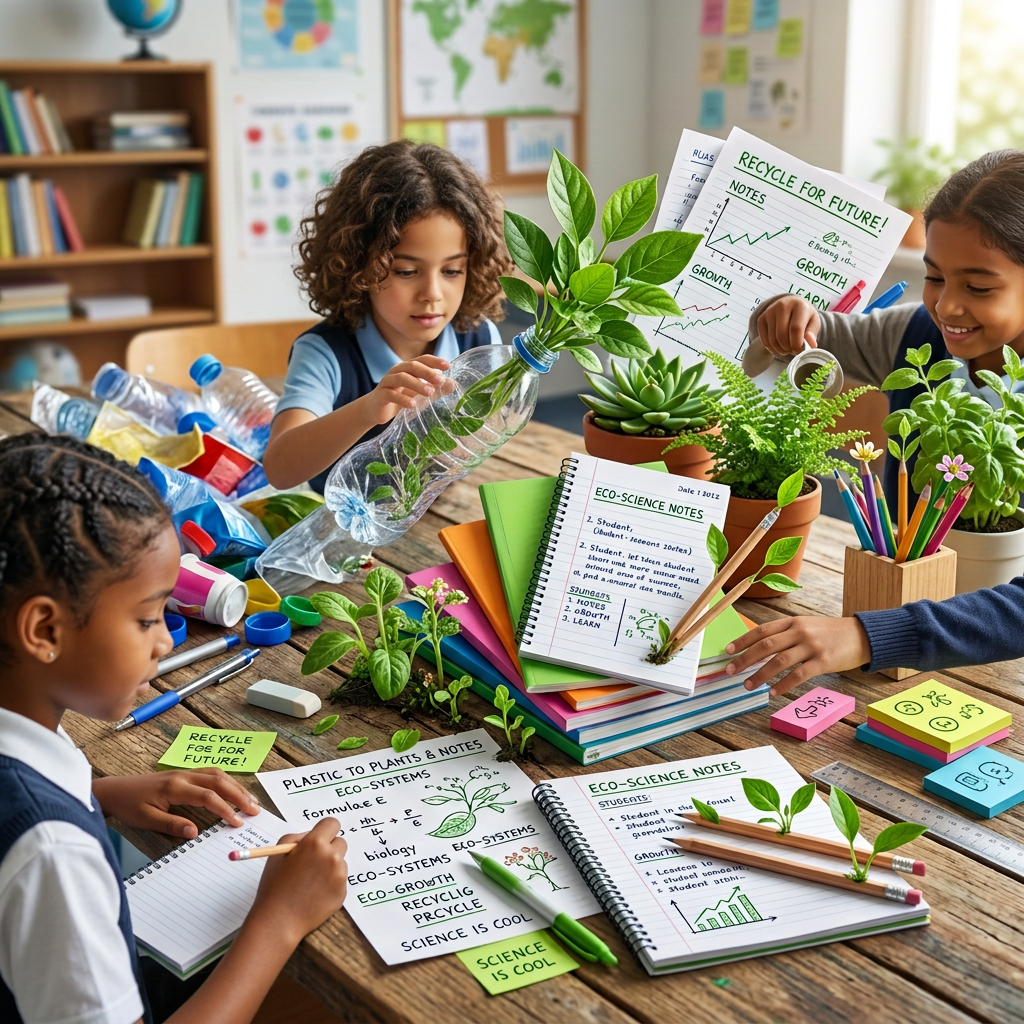
The need for simplified plastic pollution solutions is becoming more and more important each day, as the adverse effects of plastic waste on our environment and health continue to escalate. With oceans filled with debris and ecosystems in distress, it has become crucial to prioritize innovative approaches that can effectively address this growing crisis. Individuals, communities, and governments must come together to develop practical strategies that not only reduce plastic consumption but also promote sustainable alternatives. By raising awareness and encouraging collective action, we can pave the way for a cleaner, healthier planet for future generations.
The Eco Kids Project has the potential to contribute to increased recycling in the future, especially because of the focus on children, who often influence both their families and their future habits. The important distinction is that no single project can solve the problem on its own, but many projects working together can have a meaningful cumulative effect.
The Eco Project for the children is the beginning of the journey that will take them to the green future. Eco- friendly solutions were simplified and mixed with rhymes so they could be used in nursery rhymes, children’s songs and story books so even toddlers can begin learning about the important problems they will face and how they can be fixed. Eco-friendly games were also done, making it possible for children to enjoy themselves even more while they learn about waste separation, composting and recycling.
It will become easy for children to develop eco-friendly habits that will stay with them for a lifetime. This could make it easier for them to make great sustainable plans as the grow up. Children who are ready to use Artificial Intelligence to assist with solving pollution problems and creating new products from waste, will have a huge impact on the society.

teaching Green habits, not just facts
The Eco Project don’t simply explain recycling- songs, books, games and course encourage children to:
- Sort waste.
- Recognize different waste categories.
- Complete recycling challenges.
- Turn waste into useful items.
These hands-on activities help children practice behaviors they can repeat, fostering not only engagement but also a deeper understanding of the concepts being taught. By actively participating in these tasks, children are more likely to internalize the lessons, allowing them to revisit and apply these behaviors in various contexts. This repetition builds confidence and competence, ensuring that they are not just passive learners but active participants in their own education.
Families learn alongside children.
The Family Eco Planner and summer activities encourage parents and siblings to participate. When a child says, “This goes in the recycling bin,” the lesson reaches the whole household. The Eco Project can cause us to act in new ways and have the sustainable future we need to see.
Schools can multiply The impact of the Eco Project
If teachers and summer schools adopt the Eco Kids program, one educator could introduce these ideas to dozens or even hundreds of children over time. As more schools participate, the reach of the eco project grows. Families and friends can begin learning and playing together as they read, sing and l; they get ready to make their future bright without thinking about it.
Eco Music helps children remember.
The eco songs found on YouTube are a real strength. Educational research has long shown that songs and rhymes can make lessons more memorable. Children often keep singing them after the activity ends, reinforcing the message.
When they join the online Summer Program, they can compete with other children as they showcase their talents and win prizes. Getting ready to sing great eco songs can be done all year while families are having fun with Eco Music Videos.

Taffy Turtle creates an emotional connection.
People protect what they care about. By giving children a friendly cute pink character (Taffy Turtle) affected by plastic pollution, The eco project helps them connect emotionally with the issue rather than seeing it as an abstract environmental problem.
Interactive Eco Learning
The Gobbling Green Bin Goby is another great character children will enjoy connecting with, as they learn about waste separation and composting. This friendly and animated green bin possesses a vibrant green hue, and its playful personality makes it an excellent guide for young learners. Through an engaging game and interactive activities, Goby the Green Bin teaches children the importance of sorting their recyclables and understanding what items can be composted.
By playing the composting game, and asking what will Goby gobble, kids not only gain valuable knowledge about reducing waste but also develop a sense of responsibility toward their environment, inspiring them to take action in their own homes and communities. With its charm and educational message, the Gobbling Green Bin Goby is sure to leave a lasting impression on young minds.

Conclusion
Eco Learning and fun caused families to play digital and print ready eco games, sing eco songs, read rhyming Eco Stories, do an eco course and now there is a free Eco Worksheet for families to complete and send on the social media pages before the receive an Eco Kids Book online. Planning for the green future in a fun-filled way can keep on getting better every day when you join in. Our future will be bright when we decrease the poverty and pollution plight. Preparing to enjoy summer is always a great thing to do.


Leave a Reply