Simple Answer:
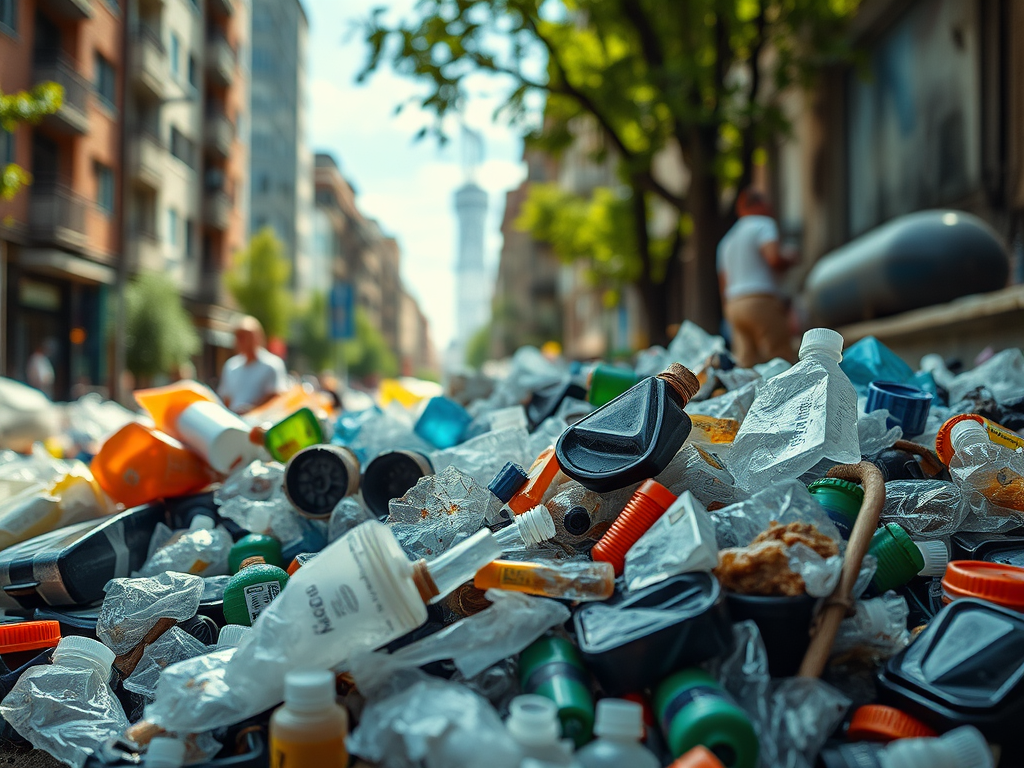
Yes. When children understand how pollution affects communities and ecosystems, they can develop habits that help reduce waste and protect natural resources. By learning about the consequences of air, water, and soil pollution, they become more aware of their own actions and how these can contribute to environmental degradation. They also get a chance to learn about the great eco-friendly solutions, and how they can use them to become future sustainable job creators as they plan to make their future bright.
Educational programs that foster this awareness not only empower children but also encourage them to engage in practical solutions, such as recycling, composting, reusing and reducing and participating in community clean-up efforts. Moreover, cultivating a strong connection to the environment inspires a sense of stewardship, prompting children to advocate for policies and practices that prioritize sustainability and environmental health, ensuring a cleaner, greener future for all.

Example:
Children learn to separate recyclable materials from general waste and encourage their families to do the same. Making the future bright is what all children want and deserve. Empowering them with eco-friendly solutions is a great thing to do. This will put them on the track that leads to future improved sustainable solutions, clean energy and innovative new products made from waste.
Call to Green Action:
Create a recycling challenge at home or in the classroom. Add fun to it so children will enjoy themselves while they are protecting the environment. A challenge that cause children to separate waste in the correct way, would be great, or a scavenger hunt.
Children can prepare to win at recycling each day when they play the Recycle Right Game. This engaging game not only teaches them about the importance of recycling but also helps them understand the different types of materials that can be recycled. By participating in fun challenges, they learn the right ways to sort items, fostering a sense of responsibility towards the environment. Since they will not need to handle the actual waste, they will not be creating a mess, allowing them to focus solely on learning and having fun without the worry of cleanup. Through each level of play, they gain confidence in their abilities to make a positive impact in their communities, ensuring that recycling becomes a part of their daily routine.


Leave a Reply