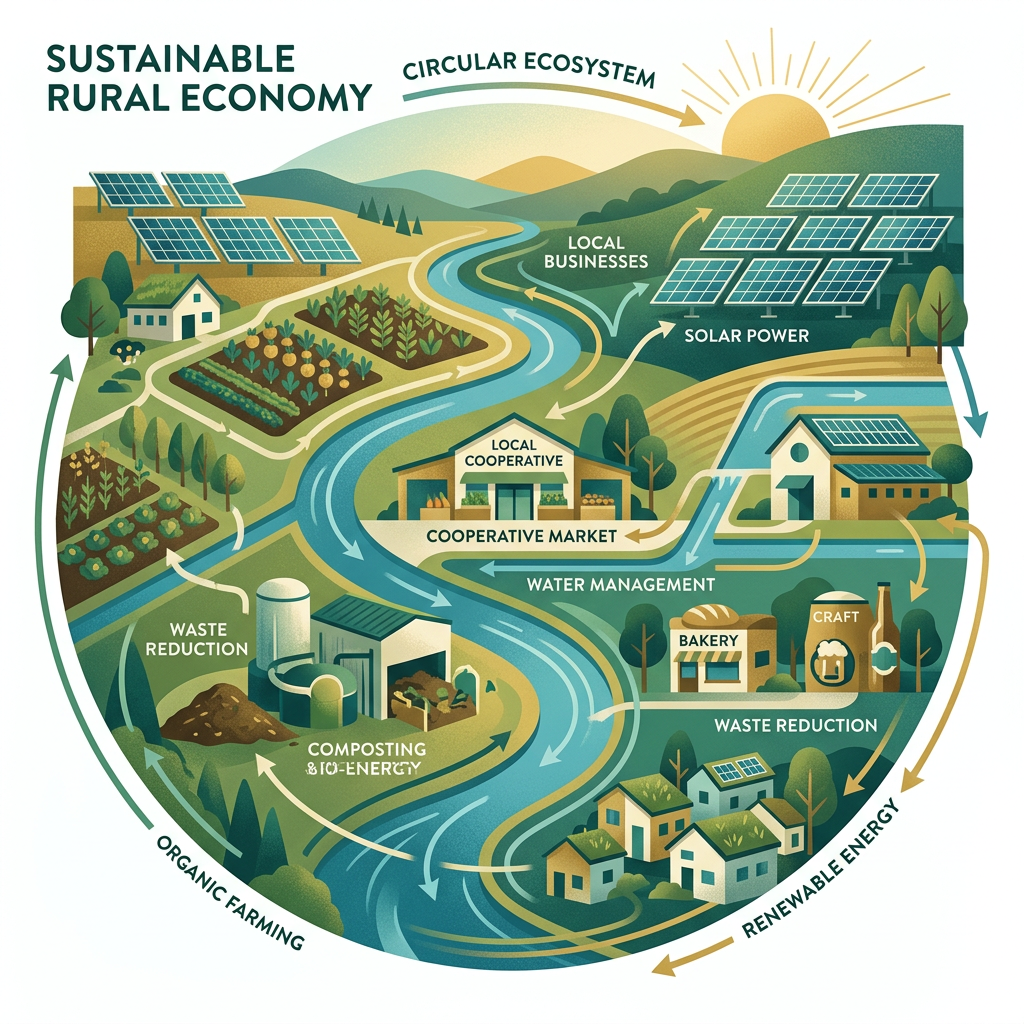
With increased job loss, price increases and wars new job creation strategies that are connected to food security have become increasingly important. The old job creation strategy cannot deliver the change we need. It is time to accept the need for a new job creation strategies. Exploring agri-businesses can make a significant difference not only in providing employment opportunities but also in enhancing local economies. Finding ways to start an agribusiness can help an unemployed individual in many ways.
Discover practical agribusiness ideas for unemployed people , including start up steps, low cost farming options and ways to turn agriculture into increased job creation and income.
Those who are searching for jobs still need to eat, leading to the inherent link between food production and job sustainability. There are many options to consider when you are unemployed, such as engaging in community-supported agriculture, starting a small-scale farming operation, or even participating in agri tourism. This can offer unique experiences that attract visitors. Additionally, investing in training programs related to agri-business can empower individuals with the skills necessary to thrive in this growing sector, further alleviating unemployment, food insecurity and fostering a sense of community resilience. This is where you will find the top Agribusiness ideas in the video below:
Farming and Increased Sustainable Job Creation
Decreased unemployment and improved food security is what we need, it is imperative to encourage more of our people to get involved in farming. This initiative not only empowers individuals but also strengthens community ties, as families and neighbors can collaborate to cultivate their crops. As farming practices improve, we can anticipate a significant increase in the number of factories and agro-processing facilities necessary to handle the growing produce, creating numerous job opportunities. These facilities would not only process food but also create ancillary services, thereby fostering entrepreneurship within the community. The ripple effect of engaging more individuals in agriculture will ultimately lead to a more resilient local economy, ensuring that our community thrives sustainably while addressing critical issues such as unemployment and food scarcity. There should be more agri -business ideas for unemployed people, should be share in communities more often.
With this plan for sustainable job creation, farms will be supported in many ways, ensuring they have access to resources and training that empower them to thrive. These initiatives aim to enhance efficiency in production processes, which, in turn, will lead to less waste when there is a glut on the market. By implementing innovative farming techniques and encouraging cooperative efforts, we can create a more resilient agricultural system that minimizes surplus losses and maximizes economic opportunities for local communities. Moreover, fostering a connection between farmers, agri-businesses and consumers will help establish a more stable demand for produce, allowing farms to better navigate fluctuations in market supply.

Agri Businesses and Self Employment
The wide range of businesses connected to agriculture makes it important, as the agricultural sector plays a vital role in the overall economy and sustains livelihoods for millions. New products and other related businesses can always be developed as time goes by, taking advantage of advancements in technology and changes in consumer preferences. This evolution fosters innovation within the industry, allowing individuals to tap into niche markets and create unique offerings. Additionally, as they explore these opportunities, individuals can become self-employed and earn a sustainable income, contributing to the local economy while promoting environmentally friendly practices and supporting community development. This synergy between agriculture and entrepreneurship not only enhances productivity but also enhances food security, making agriculture an ever-relevant field for aspiring business owners.
Raising the Next Generation of Agri-Entrepreneurs
Building a future where fewer people face unemployment and food insecurity does not begin in a field or a factory, it begins at home, in the classroom, and in the heart of every community. Parents, schools, and community leaders have a powerful role to play in raising children who are ready, willing, and able to create sustainable jobs, especially through agriculture and agri-business. When we invest in young people today, we build the resilient economies of tomorrow. Children can develop the mindset that causes them to put sustainability first as they decide to make the future bright.
Start With the Soil: Teaching Agriculture Early
One of the most practical gifts you can give a child is an understanding of where food comes from. Whether it is a backyard garden, a school plot, or a community farm, getting children involved in growing food builds a deep respect for the land and an early appreciation of agricultural work. Children who learn to plant, tend, harvest and see those efforts turn into meals and income will grow up understanding that farming is not just survival; it is opportunity.
Nurture the Entrepreneurial Spirit
Entrepreneurship is a mindset, and it can be cultivated from a young age. Encourage children to think of problems as opportunities. Ask questions like: “What does our neighborhood need? How could we grow or make that?” Simple exercises such as running a small stall at a school fair, baking and selling goods, or starting a composting service, teach children that they have the power to create their own income. When young people see themselves as potential business owners rather than job-seekers alone, the whole community benefits.
Weave Environmental Responsibility Into Everyday Life
Sustainable agri-businesses only thrive when the environment is protected. Teach children early that the land, water, and air are shared resources that must be cared for. Simple habits such as reducing waste, composting kitchen scraps, conserving water, choosing reusable items become powerful values when practiced consistently. Children who grow up environmentally responsible become business owners who manage their farms and enterprises without harming the ecosystems they depend on, making their ventures more sustainable for decades to come.

Build Practical Skills, Problem-Solving, and Creativity
The agri-business world rewards those who can think on their feet. A crop disease, a sudden drought, a shift in market prices, these are real challenges that require creative, practical solutions. Schools and families can prepare children by encouraging hands-on projects, science experiments, cooking, woodworking, and design challenges. When children are allowed to try, fail, adjust, and try again, they develop the problem-solving confidence that makes entrepreneurs resilient. Creativity, too, is a business asset: the next great agri-product, eco-packaging idea, or community food market concept could come from a child who was given the freedom to imagine.
Cultivate Teamwork and Community Thinking
No farm or business grows in isolation. Successful agri-enterprises depend on cooperation, between farmers who share knowledge, communities that pool resources, and families that support one another through lean seasons. Teaching children to work in teams, to listen, to share responsibilities, and to celebrate collective success prepares them for the cooperative spirit that drives thriving local economies. Community gardens, school group projects, and youth agriculture clubs are all excellent ways to build this vital capacity while having fun.

Introduce Financial Literacy From an Early Age
Understanding money is essential for any entrepreneur. Children who learn to save, budget, and plan from a young age are far better prepared to manage a business when they grow up. Start simply: help a child track how much they earn from selling vegetables from a small garden plot, what it costs to grow them, and what is left over as profit. These real-world lessons are far more memorable than any textbook exercise, and they lay the foundation for the financial confidence every agri-business owner needs.
Why This All Matters
When parents, schools, and communities commit to raising children with these values and skills, the impact goes far beyond one family or one farm. Unemployment falls as more young people create their own livelihoods rather than waiting for someone else to offer them a job. Local economies grow stronger as money circulates within the community rather than flowing out. The environment is protected by a generation that genuinely understands and respects it. And communities become more resilient, better able to feed themselves, support one another, and weather economic storms, because they have invested in people, not just in policies.
The agri-business opportunities explored in this article are not just for adults who are already searching for work. They are a vision of the future we can build together; one garden, one classroom lesson, one young entrepreneur at a time. The seeds we plant in children today will feed communities for generations.
Now you are aware of the many agri businesses you can earn from, will you be sharing these ideas with your friends and loved ones and will you be getting into business too? Would you like to find out how to start a small farm business or how to start an agri-business?
Call to Action
The Eco kids project makes it easier for you to raise Eco smart children who are ready to be creative thinkers who can create solutions for more problems each day. The eco-friendly games, books, songs and a course done for the project will help families to plan for the green future in a great way. The free eco work sheets can become a family challenge sometimes. The family member with the most correct answers can win prizes. Simply click on the buttons below to start your green journey.
Leave a Reply