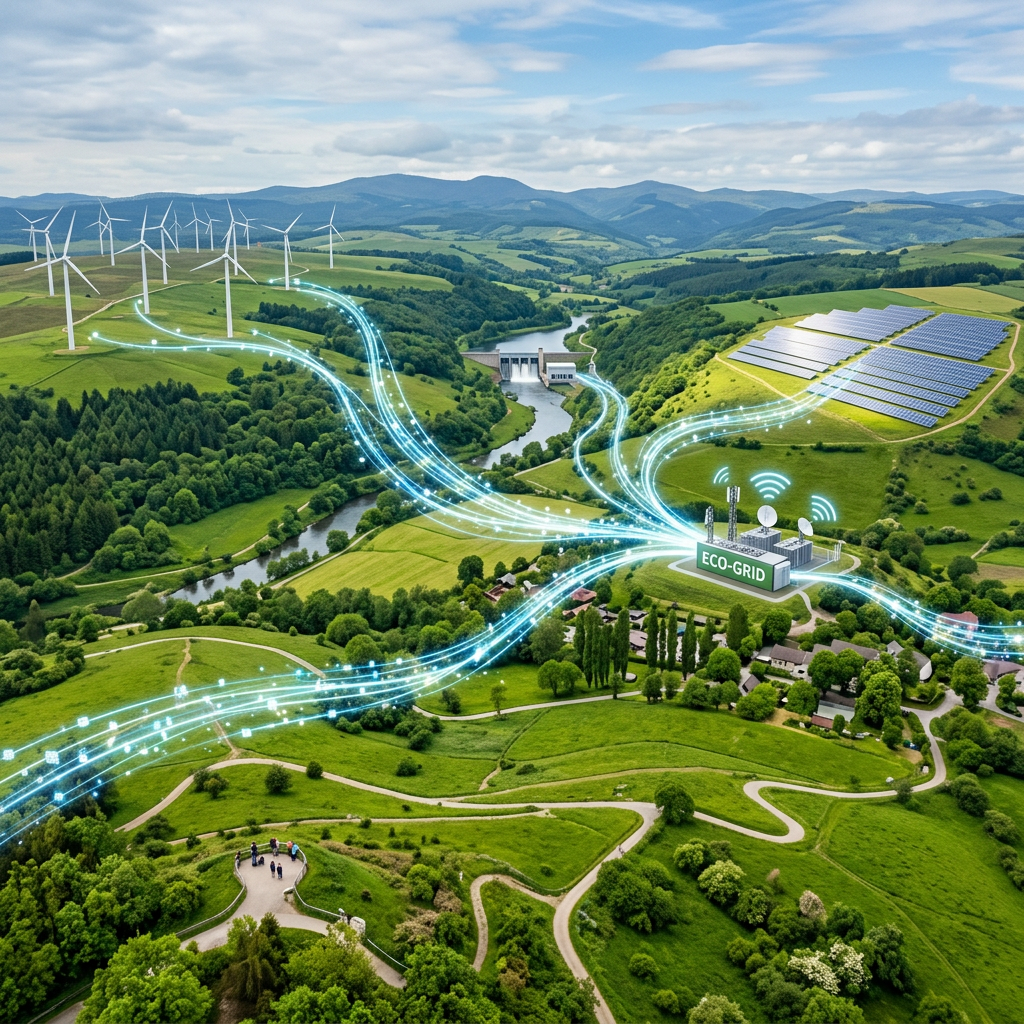
Discover how sustainability and AI training can reduce poverty and pollution by creating green jobs, improving agriculture, and empowering communities worldwide. Combining sustainability with artificial intelligence (AI) training is opening new pathways to solve two of the world’s biggest challenges: poverty and environmental pollution. When communities gain access to eco-friendly practices and digital skills, they are better equipped to build resilient livelihoods while protecting the planet.
This approach is not just innovative, it’s essential for creating a future where economic growth and environmental responsibility go hand in hand. We can redesign our lives and improve food security in more homes so we can have better health.
Why Sustainability and AI Matter Together
Sustainability focuses on meeting today’s needs without harming future generations, while AI provides powerful tools to analyze data, improve efficiency, and scale solutions.
Organizations like United Nations highlight the importance of both through the Sustainable Development Goals (SDGs), especially the plan to have:
- Decreased Poverty
- Decent Work and Economic Growth
- Climate Action
By integrating AI training into sustainability efforts, communities can unlock smarter, faster solutions to local and global challenges.
Sustainable job creation might become easier to do and people will find new and better ways to keep the Earth clean, while they become job creators. In Africa they are currently doing recycling more and more as waste pickers find new ways to earn.

Creating Green Jobs Through AI Training
AI training programs can empower individuals in under served communities with skills that lead to to employment in growing green industries.
Examples include: Solar energy system monitoring, Smart agriculture and crop prediction, Waste management optimization, Solar energy system monitoring, Smart agriculture and crop prediction and Waste management optimization.
According to World Bank, investing in digital skills can significantly improve income opportunities in low-income regions.
When people gain these skills, they are not only employed, they become contributors to sustainable development.
Reducing Pollution with Smart Technology
AI can analyze large amounts of environmental data to reduce the amounts of environmental data to reduce poollutlution more effeon more effectively thtively than n tradradititional methodal methods..
Key applications we can use: Monitoring air and water quality in real time, Optimizing waste collection routes to reduce emissions, Detecting illegal dumping or deforestation, Monitoring air and water quality in real time, Optimizing waste collection routes to reduce emissions and Detecting illegal dumping or deforestation.
Groups like United Nations Environment Programme support the use of technology to track and reduce environmental harm worldwide.
Sustainable Agriculture and Food Security
AI-powered tools help tools help farmers make better decarmers make better decisions, leading to higher yields and less less environmental damage.
Benefits include: Predicting weather patterns, Reducing water and pesticide use, Preventing crop loss, Predicting weather patterns, Reducing water and pesticide use and Preventing crop loss.
Organizations such ah as Food and Agriculture Organization promote sustainable farming practices that cancan be enhanced through AIhough AI.
This not only reduces poverty among farmers but also ensures long-term food security.

Empowering Youth and Communities
Teaching sustainability alongside AI gives young people the tools to innovate and lead change.
Programs that combine both sustainability and ai can: Encourage entrepreneurship, Support local problem-solving, Build confidence and future-ready skills..
This is especially powerful in communities where opportunities are limited. Knowledge becomes a tool for both economic and environmental transformation.
Scaling Impact Through Data and Innovation
AI allows solutions to scale quickly. What works in one community can be adapted and applied globally.
For example: A recycling optimization model in one city can be used in others, water conservation system can expand across regions. A recycling optimization model in one city can be used in others, A water conservation system can expand across regions.
Companies like Google and Microsoft are already investing in AI for sustainability initiatives, showing the growing importance of this approach.
Challenges to Consider
While the potential is powerful, there are challenges such as : Access to technology and internet, Need for education and training resources, Ethical use of AI, Access to technology and internet, Need for education and training resources, Addressing these gaps is key to ensuring that solutions are inclusive and equitable.
However, it is good that the eco project on the funwritings website that is found here; offers eco games, eco songs and eco kids books that are all filled with simplified eco-friendly solutions for easy eco learning. Future focused Families can easily do waste separation in the best way after they play the waste separation games and get ready to make their future bright.
The Future: A Cleaner Planet and Stronger Communities
When sustainability and AI training come together, they create a cycle of positive impact:
- New Skills lead to more jobs
- Sustainable Jobs reduce poverty
- Sustainable practices reduce pollution
- Healthier environments support stronger communities
This integrated approach offers a clear path toward a future where people and the planet thrive together. Families who embrace this new way of thinking will begin solving our pollution problems while they are growing sustainable businesses each day. Improving food security, decreasing pollution, restoring destroyed places and building eco awareness in a new and better way.
Final Thoughts
Reducing poverty and pollution doesn’t require choosing between economic growth and environmental care. With sustainability and AI training, we can achieve both.
By investing in education, embracing innovation, and supporting community-driven solutions, we can build a world that at is cleaner, smarter, and more equitabtable for generations to come.
The question isn’t whether we can make this change, it’s how soon we’re willing to start. At funwritings.com families are planning their bright future together while they are having fun in many ways. The are playing Eco Games, singing Eco Songs and reading Eco-friendly children’s books. This Summer will be very special as schools and teachers will be involved. You can get involved too, on Youtube and Gumroad. Simply click on the buttons below.


Leave a Reply